
Thaksin, who was ousted in a military coup in 2006, returned to Thailand in August 2023 after 15 years in self-imposed exile. His return was marked by significant public attention and speculation regarding his potential role in shaping the future political landscape of the country, especially as he is a polarizing figure with a substantial support base. For a deeper understanding of the political implications, you can read more about it here.
The political landscape in Thailand remains deeply divided, with Thaksin’s supporters, known as “Red Shirts,” and his opponents continuing to clash over his legacy and policies. His release has raised questions about whether the Thaksin era, characterized by populism and economic reforms, is truly over or if it may see a resurgence in light of his freedom.
As the country approaches potential elections, the dynamics surrounding Thaksin’s influence could play a critical role in determining the future of the ruling coalition and the opposition parties. Observers are closely watching how political factions react to his release and whether it will lead to renewed tensions or a shift in alliances.
Understanding the Thaksin era and its impact on Thai politics
The political landscape of Thailand has been profoundly shaped by the figure of Thaksin Shinawatra, who served as Prime Minister from 2001 until his controversial ousting in a military coup in 2006. Thaksin, a telecom billionaire, introduced a series of populist policies that aimed to reduce poverty and improve access to healthcare, which garnered him significant support among rural voters. His administration’s focus on economic growth and social welfare programs transformed the lives of many, but also deepened political divisions in the country. To explore more on the effect of these policies, you can check this article.
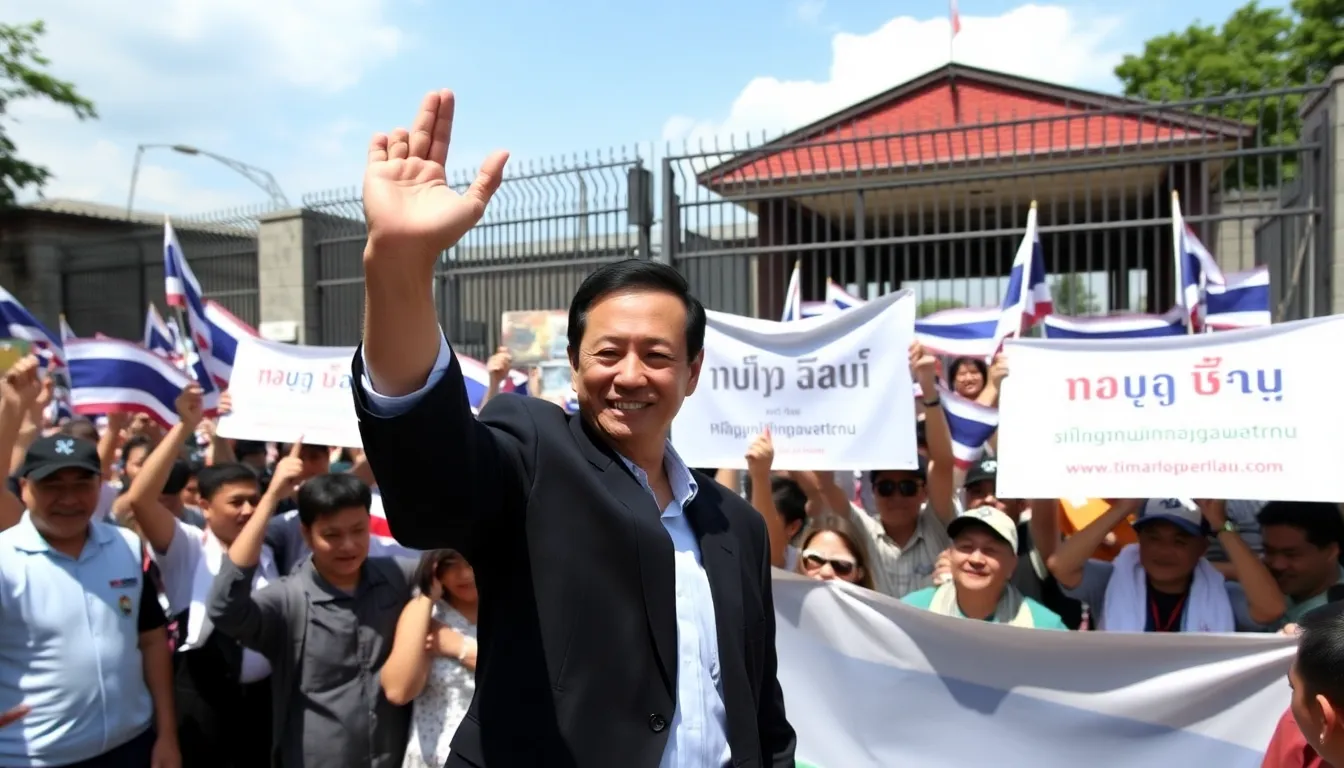
The aftermath of Thaksin’s removal saw a turbulent period characterized by political unrest, protests, and a series of elections that reflected the polarized nature of Thai society. His supporters, often referred to as “Red Shirts,” clashed with the “Yellow Shirts,” a royalist and anti-Thaksin movement. This division laid the groundwork for ongoing conflicts that have defined Thai politics for over a decade, with Thaksin’s legacy continuing to influence party affiliations and voter behavior.
The Return of Thaksin
After years of self-imposed exile, Thaksin returned to Thailand in 2023 following the election of a pro-Thaksin party, Pheu Thai, which won a significant number of seats in the parliamentary elections. His return has reignited discussions about his impact on Thai politics and the potential for reconciliation in a deeply divided nation. While some view his return as a chance for healing, others fear it may exacerbate existing tensions, as the military and royalist factions remain opposed to his influence.
Throughout the years, various attempts to address the political rifts have been made, including constitutional amendments and political reforms. However, these efforts have often been met with resistance, demonstrating the challenges of moving beyond the Thaksin era. As Thailand grapples with its political identity and the legacy of Thaksin, questions remain about the future direction of the country and the potential for lasting peace amid ongoing divisions. For insights on related topics, visit this page.
Key stakeholders and the political landscape post-Thaksin
Thailand’s political landscape remains deeply influenced by the legacy of Thaksin Shinawatra, despite his recent release from prison. The main stakeholders in this evolving scenario include Thaksin himself, his political party, the military, and various civil society groups. Each of these actors has distinct interests that contribute to the ongoing political tensions.
Thaksin Shinawatra, the former Prime Minister, has maintained a significant following through his populist policies and economic reforms. His return to Thailand raises questions about the potential resurgence of his political influence. Supporters of Thaksin, primarily from rural areas, are eager for his leadership to address economic disparities and social issues. However, his critics, including the military and royalist factions, view his return as a threat to the established order.
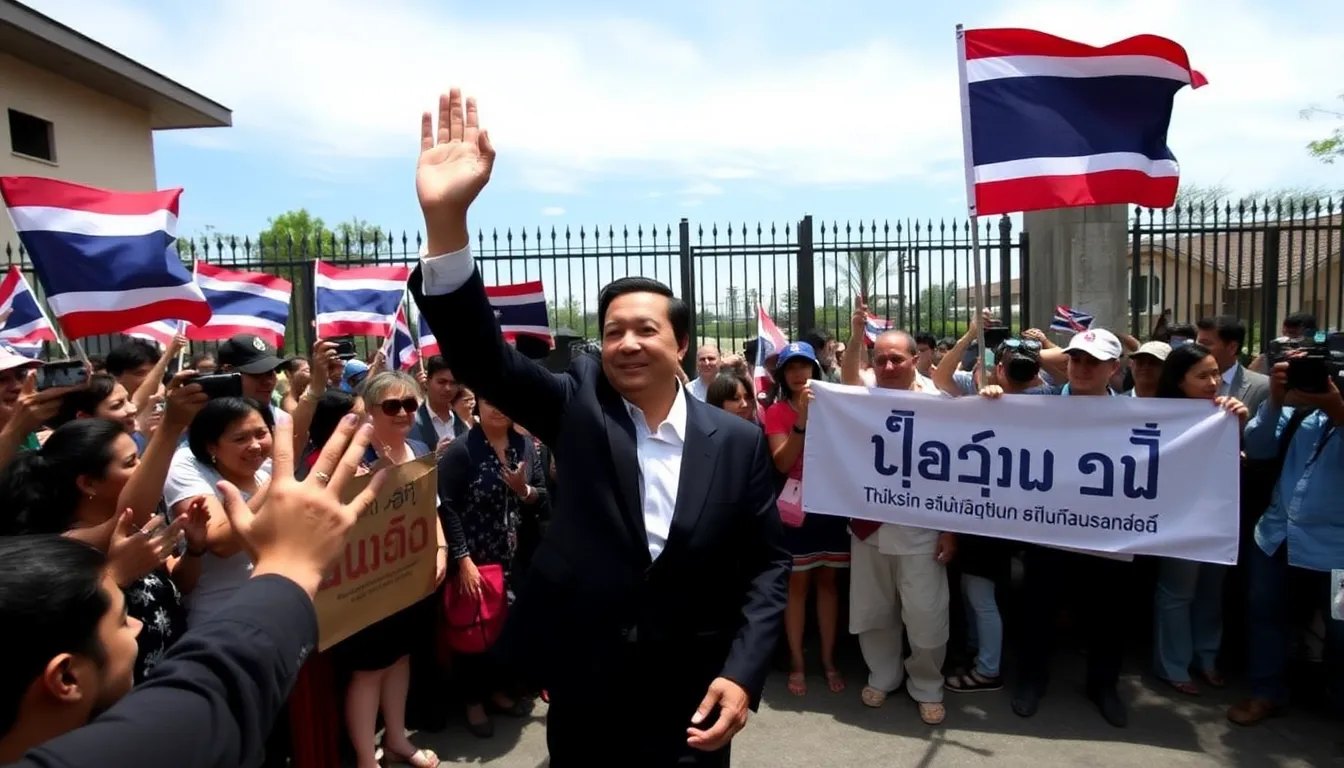
The military, which has played a crucial role in Thai politics since the 2014 coup, has vested interests in maintaining stability and control. The military’s relationship with the monarchy adds another layer of complexity, as they aim to protect royalist interests while managing the challenges posed by Thaksin’s supporters. This dynamic creates a delicate balance of power that can shift rapidly, depending on public sentiment and political maneuvering.
Legal issues also play a significant role in the current landscape. Thaksin’s past corruption charges and his controversial policies have left a lasting impact on Thailand’s judicial system. The ongoing debates about legal reforms and accountability are central to the discussions surrounding his influence. Moreover, economic challenges, such as inflation and recovery from the pandemic, are pressing issues that both Thaksin’s supporters and opponents must navigate.
- Thaksin’s potential return to active politics could reignite political polarization.
- The military’s response to Thaksin’s influence will be critical in shaping future governance.
- Legal reforms might be necessary to address public concerns about corruption and justice.
- Economic recovery strategies will need to consider the needs of both urban and rural populations.
- Public sentiment will play a pivotal role in determining the direction of Thailand’s political future.
Who will be affected by Thaksin’s return and what it means for Thailand
Thaksin Shinawatra’s return to Thailand has significant implications for various groups and sectors within the country. Political factions, business communities, and ordinary citizens will all feel the reverberations of his re-emergence, particularly in regions that have historically supported his policies and party.
In the short term, Thaksin’s return could lead to increased political instability as rival factions react to his presence. This may disrupt daily life in urban areas, especially in Bangkok, where protests and political demonstrations are likely to resurface. Additionally, businesses may experience fluctuations in consumer confidence as the political landscape becomes uncertain.
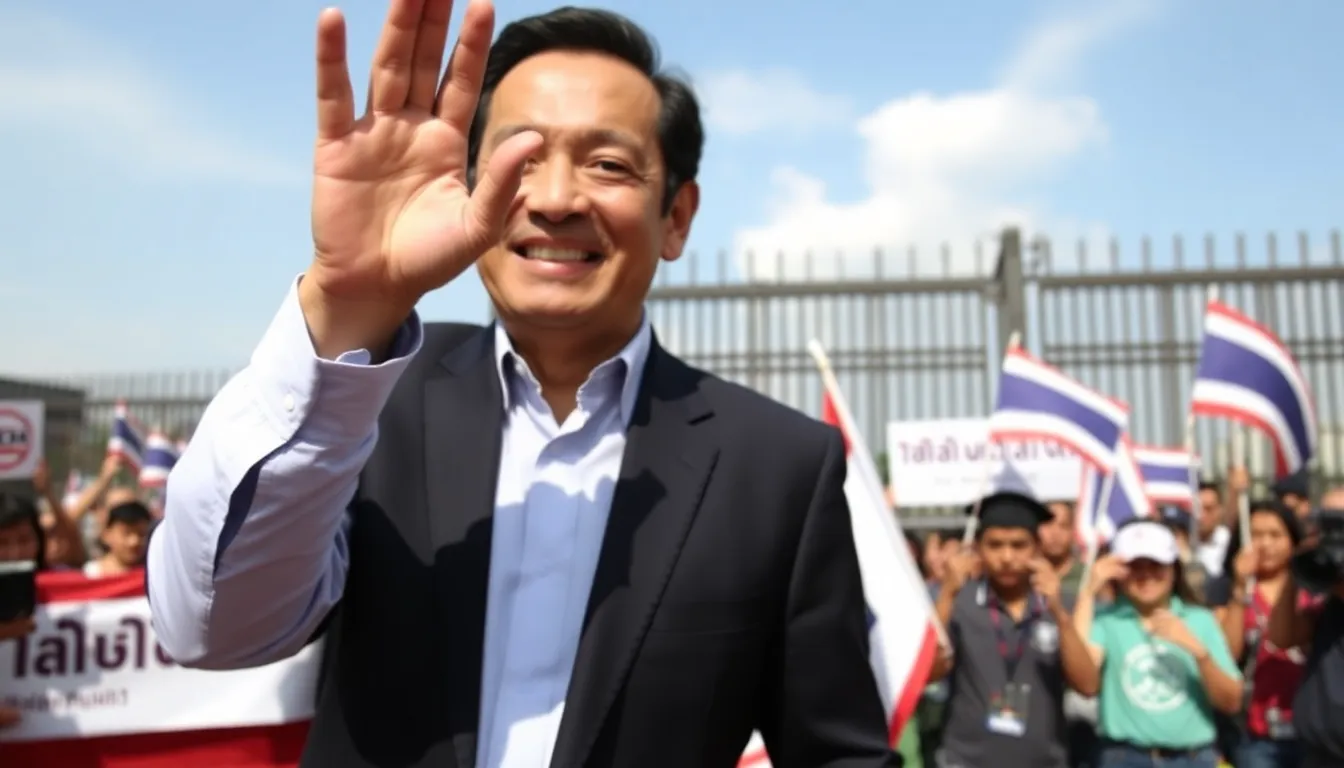
Moreover, certain industries such as tourism and agriculture could be impacted. If Thaksin’s policies resonate with the populace, regions that rely heavily on tourism, particularly those in the north and northeast, may see a boost in visitor numbers. Conversely, if tensions rise, these areas could face a decline in both domestic and international tourism.
- Political Groups: Increased polarization between pro- and anti-Thaksin factions.
- Business Sector: Potential volatility in stock markets and consumer behavior.
- Tourism: Possible short-term gains or losses based on political climate.
- Agriculture: Shifts in policy could benefit farmers aligned with Thaksin’s agenda.
In the mid-term, the potential for policy changes under Thaksin’s influence could create opportunities, particularly in infrastructure and social welfare initiatives. If his administration focuses on economic recovery, sectors like construction and healthcare may see significant investment, leading to job creation and improved services for the populace.
However, the risks remain substantial. If Thaksin’s return exacerbates political divisions, it could lead to civil unrest, which would negatively affect both the economy and quality of life for many Thais. The balance between opportunity and risk will be crucial as the nation navigates this new chapter in its political history.
A: Thaksin was sentenced to prison in absentia for corruption charges after he fled Thailand in 2008. His return after years in exile has reignited debates about his legacy. A: His release may influence the dynamics within the Pheu Thai Party and could lead to shifts in alliances among political factions. A: Public opinion is deeply divided; some see him as a champion of the rural poor, while others view him as a corrupt figure who undermined democracy. A: While Thaksin has expressed intentions to support his party, it remains uncertain if he will seek an active political role or remain a behind-the-scenes influencer.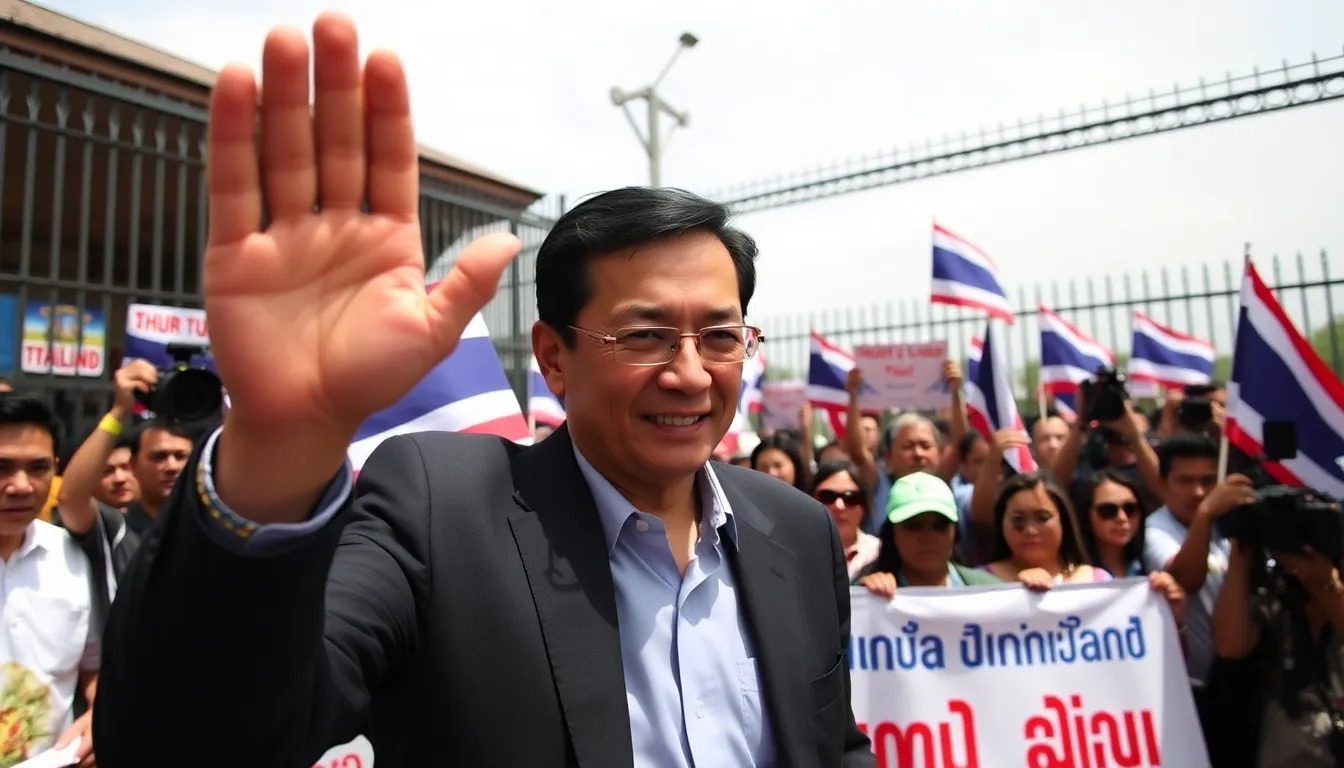
Frequently asked questions about Thaksin’s release
Future outlook on Thailand’s political situation
The release of Thailand’s former Prime Minister Thaksin Shinawatra marks a significant moment in the country’s political landscape. While his return has reignited discussions around his influence and legacy, it also raises questions about the future of the Shinawatra political dynasty and its impact on Thailand’s governance. The current government, led by Prime Minister Srettha Thavisin, faces the challenge of balancing the interests of various political factions and the public’s expectations for reform.
As Thailand navigates this complex political terrain, several key factors will shape the trajectory of its democracy and governance. Observers should remain vigilant to the evolving dynamics between established political players and emerging movements, as well as the potential for renewed polarization among the electorate.
- Watch for shifts in party alliances: The relationship between existing political parties may change as they respond to Thaksin’s return, potentially leading to new coalitions or rivalries.
- Public sentiment and protests: The reaction of the public to Thaksin’s release and the government’s policies will be crucial, as it may spark protests or support for reformist movements.
- Impact on economic policies: Thaksin’s influence could affect economic strategies, particularly in areas such as healthcare and rural development, which were hallmarks of his administration.
- Judicial and electoral reforms: The ongoing discourse around democratic processes may gain momentum, prompting discussions on electoral integrity and judicial independence.
- Media and public discourse: The role of media in shaping narratives around Thaksin’s impact and the political climate will be significant, influencing public opinion and political engagement.