
In his response, Trump indicated plans to transfer control of the Kennedy Center to Congress, arguing that the judge’s ruling undermines the institution’s historical significance and his contributions to it. This move is seen as an attempt to rally support among his base by framing the ruling as an overreach of judicial power.
The Kennedy Center, established in 1971, is a national cultural center that honors and promotes the performing arts. Trump’s name was added to the facility as part of a renovation project initiated during his presidency, which has now been put on hold due to the judge’s order.
Legal experts are closely monitoring the situation, as it may set a precedent for how courts interact with political figures and their legacies. As the case unfolds, it could influence public opinion and the political landscape leading up to the 2024 presidential election.
Understanding the background of the Kennedy Center renovations
The John F. Kennedy Center for the Performing Arts, located in Washington, D.C., has long been a symbol of American culture and the arts. Established in 1965, the center serves as a hub for various performances, including theater, dance, and music.
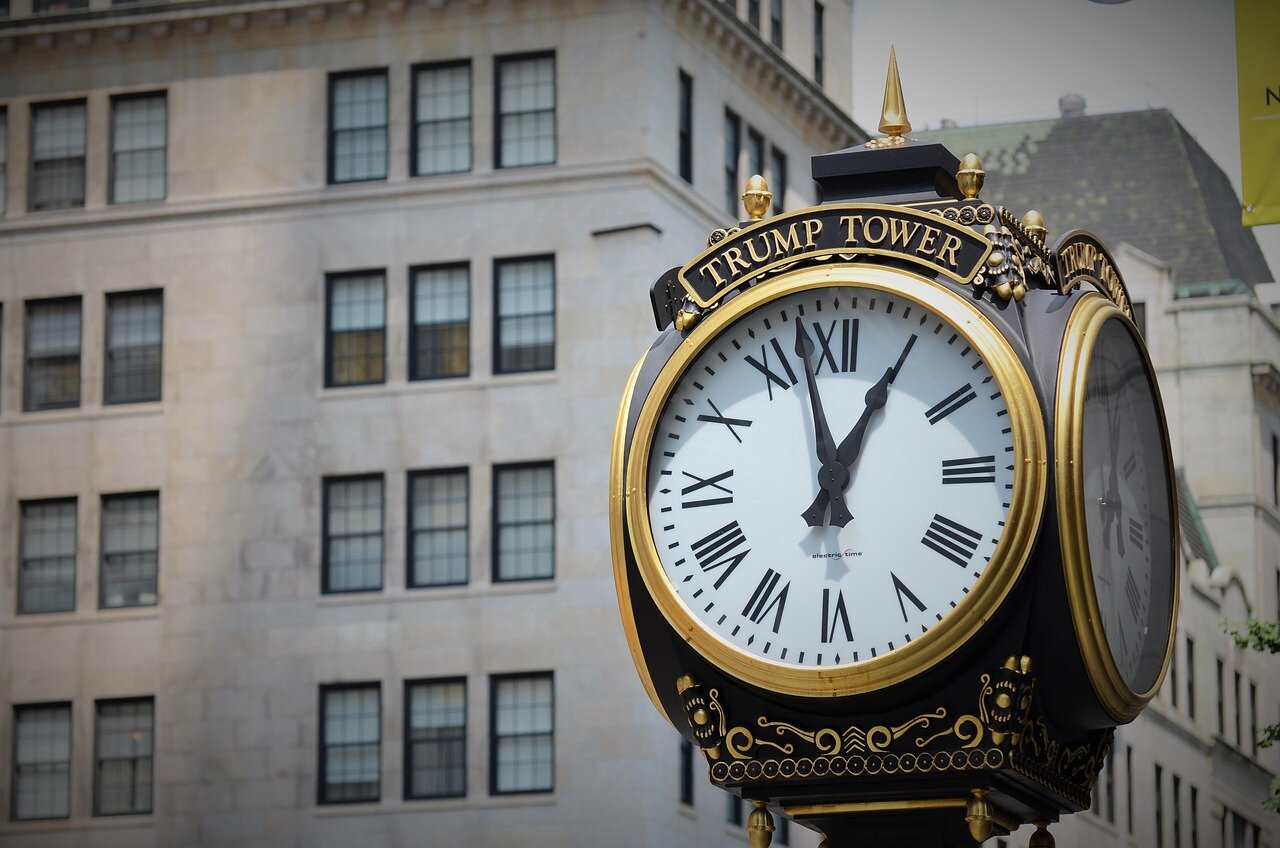
However, the recent decision by a judge to remove former President Donald Trump’s name from the center and halt renovations has sparked significant controversy. This ruling stems from a lawsuit that questioned the appropriateness of naming a federal institution after a sitting president, particularly one facing legal challenges. The implications of this ruling extend beyond the Kennedy Center, raising questions about the intersection of politics and the arts in America.
Historically, the Kennedy Center has been a politically charged venue, often reflecting the prevailing sentiments of the administration in power. The naming of the center after President Kennedy was a bipartisan decision, symbolizing unity and the importance of the arts in American society. However, recent events have highlighted the growing polarization in American politics, with cultural institutions increasingly becoming battlegrounds for political disputes.
The Economic Impact of the Renovations
The renovations at the Kennedy Center are not just about aesthetics; they also have significant economic implications. The center attracts millions of visitors each year, contributing to the local economy through tourism and job creation. Delays in renovation projects can have a ripple effect, impacting local businesses that rely on the influx of visitors. Trump’s proposed transfer of control of the institution to Congress raises further questions about funding and oversight, potentially complicating the economic landscape surrounding the center.
Key stakeholders involved in the Kennedy Center controversy
The recent controversy surrounding the Kennedy Center has drawn attention to various stakeholders, each with distinct interests and concerns. At the forefront is former President Donald Trump, whose administration has been closely associated with the institution. Trump’s reaction to the judge’s ruling to remove his name from the Kennedy Center and halt renovations highlights his ongoing influence in cultural and political discussions.
Another significant actor is the U.S. District Court, which issued the ruling that has sparked Trump’s ire. The court’s decision reflects legal considerations regarding the appropriateness of naming rights and the management of federal institutions. This situation raises questions about the balance of power between the judiciary and the executive branches of government.
Additionally, the Kennedy Center itself is a critical stakeholder, representing the arts and culture community. The center’s leadership must navigate the implications of the court’s ruling while maintaining its mission to promote the performing arts. The potential transfer of control to Congress, as suggested by Trump, introduces a new layer of complexity regarding governance and funding for the institution.
- Donald Trump: Seeks to maintain his influence and legacy associated with the Kennedy Center.
- U.S. District Court: Aims to uphold legal standards and ensure proper governance of public institutions.
- Kennedy Center Leadership: Focused on preserving the center’s integrity and operational stability amidst political turmoil.
- Congress: May face pressure to intervene in the management of the Kennedy Center, impacting funding and oversight.
- Public and Arts Community: Concerned about the implications of political involvement in cultural institutions.
The intersection of these stakeholders reveals a complex landscape where legal, political, and cultural issues converge. The potential transfer of control to Congress raises concerns about the politicization of the arts and the long-term implications for federal support of cultural institutions. As this situation evolves, the interests of each stakeholder will play a crucial role in shaping the future of the Kennedy Center and its mission.
Potential effects on the Kennedy Center and its operations
The recent decision to remove the President’s name from the Kennedy Center and halt renovations has significant implications for various stakeholders. Key groups affected include local artists, cultural organizations, and the broader arts community. The Kennedy Center, a symbol of American culture, relies on its reputation and funding to sustain its operations and programming.
In the short term, the cessation of renovations may disrupt planned events and performances, leading to potential cancellations and reduced attendance. This could impact not only the Kennedy Center’s revenue but also local businesses that benefit from increased foot traffic during events. The arts community may experience a ripple effect, with artists and performers facing uncertainty regarding future opportunities.
In the mid-term, the transfer of control to Congress could lead to a shift in funding priorities and policy direction. This change may result in increased political scrutiny and debate over the Center’s future, potentially affecting its ability to attract donations and sponsorships. The ongoing uncertainty could deter new initiatives, stifling innovation within the arts sector.
- Risks: Potential funding cuts, loss of public trust, and decreased visitor engagement.
- Opportunities: Increased federal support, new partnerships, and a chance to redefine the Center’s mission.
Ultimately, the unfolding situation presents both challenges and possibilities for the Kennedy Center and its stakeholders. As the arts community navigates this transition, it will be crucial to adapt and find ways to sustain cultural programming and engagement.
A: The judge ordered the removal of President Trump’s name from the Kennedy Center and halted ongoing renovations, prompting significant backlash from Trump. A: Trump argues that transferring control to Congress will allow for better management and oversight of the institution, especially in light of the recent ruling. A: The halt in renovations and the removal of Trump’s name could impact funding and public perception, potentially influencing future projects at the Center. A: Trump’s criticism may escalate tensions between the executive branch and the judiciary, raising questions about judicial independence and accountability. A: Key stakeholders include the Kennedy Center administration, Congress, the judiciary, and the public, all of whom have vested interests in the Center’s operations.
Frequently asked questions about the Kennedy Center situation
Looking ahead at the implications of Trump’s actions
The recent developments surrounding former President Trump’s criticism of the judge’s ruling regarding the Kennedy Center highlight the ongoing tensions between political figures and the judiciary. Trump’s announcement to transfer control of the institution to Congress raises questions about the potential shifts in governance and oversight of cultural institutions in the U.S. This situation could set a precedent for how future administrations interact with established entities and the judiciary.
As the political landscape continues to evolve, stakeholders should monitor the ramifications of this decision on both legislative processes and cultural funding. The implications extend beyond immediate governance, potentially influencing public trust in institutions and the balance of power between branches of government.
- The potential for increased congressional involvement in cultural institutions may lead to new funding priorities and oversight mechanisms.
- Future legal challenges may arise as political figures continue to contest judicial rulings, impacting the independence of the judiciary.
- Public sentiment towards both the Kennedy Center and the former President could shift, influencing future cultural policies and political campaigns.
- This situation may encourage other political figures to take similar actions, leading to a broader trend of executive challenges to judicial authority.