
On October 10, 2023, U.S. Secretary of State Antony Blinken met with allies in the Middle East to discuss strategies to counter Iran’s influence and ensure regional stability. This meeting followed a series of incidents involving Iranian proxy groups targeting U.S. assets in Iraq and Syria, which escalated tensions further. The U.S. has responded with targeted airstrikes against these groups, emphasizing its commitment to protecting its interests; for more details, you can read about Europe’s discontent with U.S. policy.
Simultaneously, Iranian officials have signaled a willingness to engage in dialogue, proposing a new round of negotiations aimed at resolving key issues, including nuclear capabilities and regional security. Iran’s Foreign Minister, Hossein Amir-Abdollahian, stated on October 15, 2023, that Tehran is open to discussions if they are met with mutual respect and recognition of its sovereignty.
The potential for dialogue comes at a critical time, as both nations face internal pressures and external scrutiny. The U.S. is navigating a complex political landscape ahead of upcoming elections, while Iran grapples with economic challenges exacerbated by sanctions. The outcome of these discussions could significantly impact not only U.S.-Iran relations but also broader stability in the Middle East, an issue previously discussed in regional research efforts.
Historical context of U.S.-Iran tensions and conflicts
The relationship between the United States and Iran has been fraught with tension and conflict for decades, rooted in a complex history that dates back to the early 20th century. The 1953 CIA-backed coup that overthrew Iran’s democratically elected Prime Minister Mohammad Mossadegh marked a significant turning point, leading to the establishment of a pro-Western monarchy under Shah Mohammad Reza Pahlavi. This intervention sowed deep-seated resentment among Iranians, contributing to the Islamic Revolution of 1979, which resulted in the overthrow of the Shah and the establishment of the Islamic Republic of Iran.
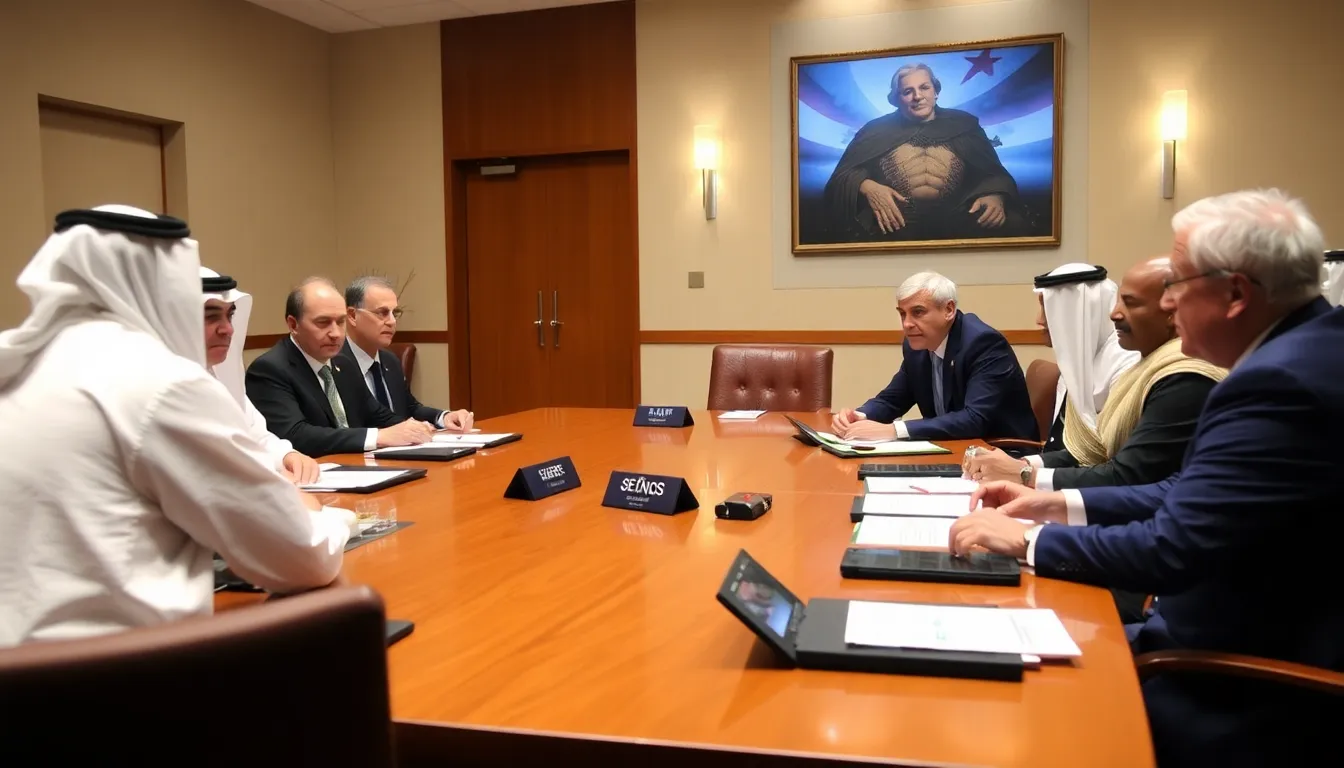
Following the revolution, U.S.-Iran relations deteriorated sharply, culminating in the Iran Hostage Crisis, where 52 American diplomats and citizens were held hostage for 444 days. This event solidified a hostile perception of Iran in the U.S. and led to the imposition of economic sanctions that have persisted in various forms for decades. The Iranian government, in turn, has often portrayed the U.S. as a primary adversary, using anti-American sentiment to bolster its domestic legitimacy.
In the years that followed, conflicts in the region, including the Iran-Iraq War in the 1980s and U.S. military interventions in Afghanistan and Iraq, further complicated the relationship. Iran’s support for militant groups in Lebanon and its nuclear program have been points of contention, leading to additional sanctions and diplomatic isolation. The 2015 Joint Comprehensive Plan of Action (JCPOA) was a brief moment of thawing relations, as it aimed to curb Iran’s nuclear ambitions in exchange for sanctions relief, but the U.S. withdrawal from the agreement in 2018 under President Donald Trump reignited hostilities; for further context, you can check out the recent articles on international events.
Recent Developments and Escalation
In recent years, the tensions have escalated significantly, with incidents such as attacks on oil tankers in the Persian Gulf and the assassination of Iranian General Qassem Soleimani by a U.S. drone strike in January 2020. These events have heightened fears of a direct military confrontation. The Biden administration has sought to re-engage Iran diplomatically, emphasizing the need to address not only nuclear issues but also regional security concerns, yet mutual distrust remains a significant barrier to meaningful dialogue.
As both nations grapple with their respective domestic and international challenges, the idea of negotiating a way to de-escalate tensions has emerged as a potential path forward. However, historical grievances and geopolitical interests continue to complicate efforts to find common ground, leaving the future of U.S.-Iran relations uncertain.
Key stakeholders and issues at play in the negotiations
The ongoing negotiations between the United States and Iran involve several key stakeholders, each with distinct interests and concerns. The primary actors include the U.S. government, the Iranian government, regional allies, and international organizations. Understanding their motivations is crucial for grasping the complexities of the current situation.
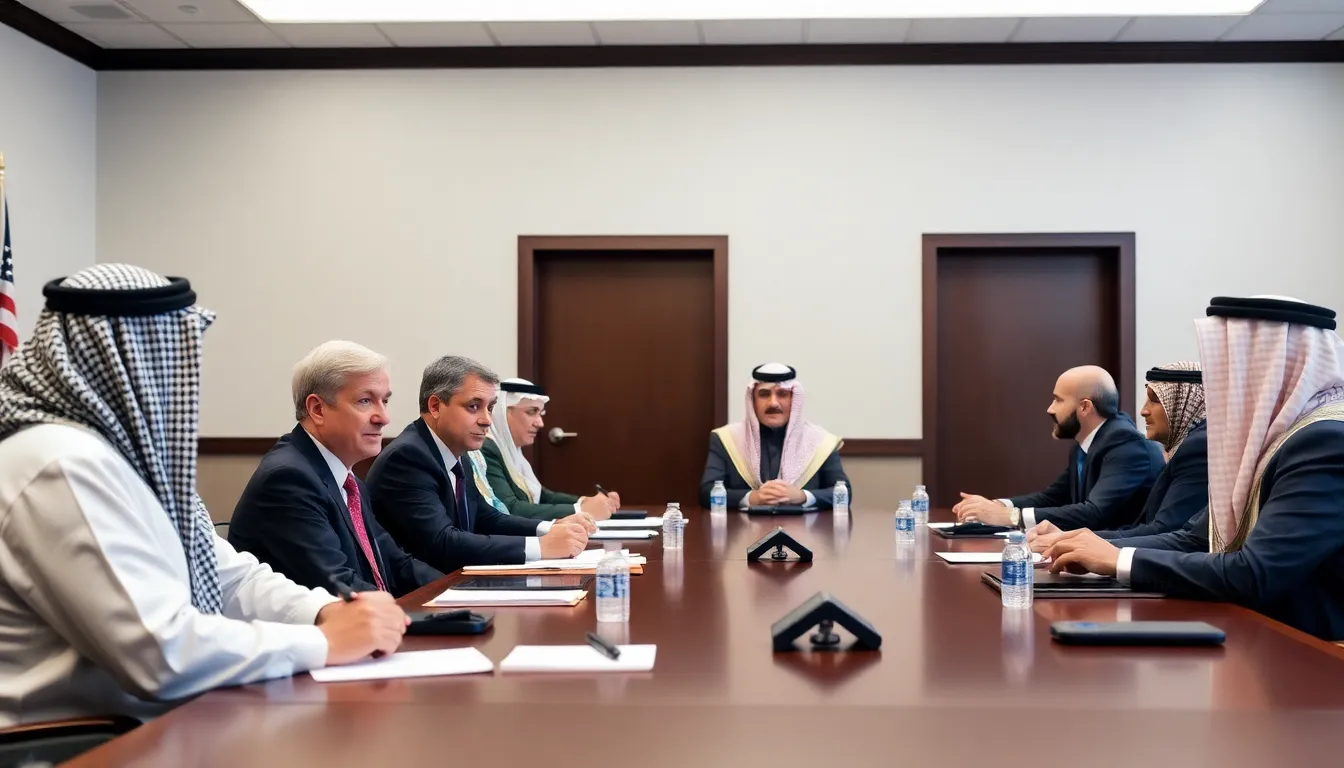
The U.S. government aims to curb Iran’s nuclear program, mitigate regional threats, and ensure the stability of allied nations in the Middle East. This involves balancing national security interests with diplomatic efforts to avoid further escalation. On the other hand, Iran seeks to lift economic sanctions, gain recognition as a regional power, and preserve its sovereignty, which it views as being challenged by U.S. policies.
Key issues in these negotiations include:
- Nuclear Proliferation: The U.S. is focused on preventing Iran from developing nuclear weapons, while Iran insists on its right to a peaceful nuclear program.
- Economic Sanctions: The lifting of sanctions is a critical demand from Iran, which has faced significant economic hardship due to these measures.
- Regional Stability: Both nations are concerned about the influence of other regional players, such as Saudi Arabia and Israel, which complicates the negotiations.
- Public Opinion: Domestic pressures in both countries affect the negotiation strategies, as leaders must respond to their constituents’ sentiments towards the other nation.
Trade-offs are inevitable in these discussions. The U.S. may need to consider easing sanctions in exchange for verifiable commitments from Iran regarding its nuclear program. Conversely, Iran might have to accept stricter monitoring of its nuclear activities to gain the economic relief it desperately seeks. The legal ramifications of any agreements will also play a significant role in shaping the outcomes, as both nations must navigate international laws and treaties that govern nuclear non-proliferation and sanctions enforcement.
Potential impact on regional stability and global markets
The ongoing tensions between the U.S. and Iran have significant implications for various groups, industries, and regions. Key stakeholders include the Middle Eastern nations, global oil markets, and international businesses operating in or with ties to the region. As the situation evolves, the potential for both escalation and resolution will shape the dynamics of these relationships.
In the short term, communities in the Middle East are likely to experience heightened anxiety and uncertainty. Local economies may suffer as businesses face disruptions due to increased military presence and potential conflict. Industries such as tourism and trade could see immediate declines, impacting livelihoods and economic stability.
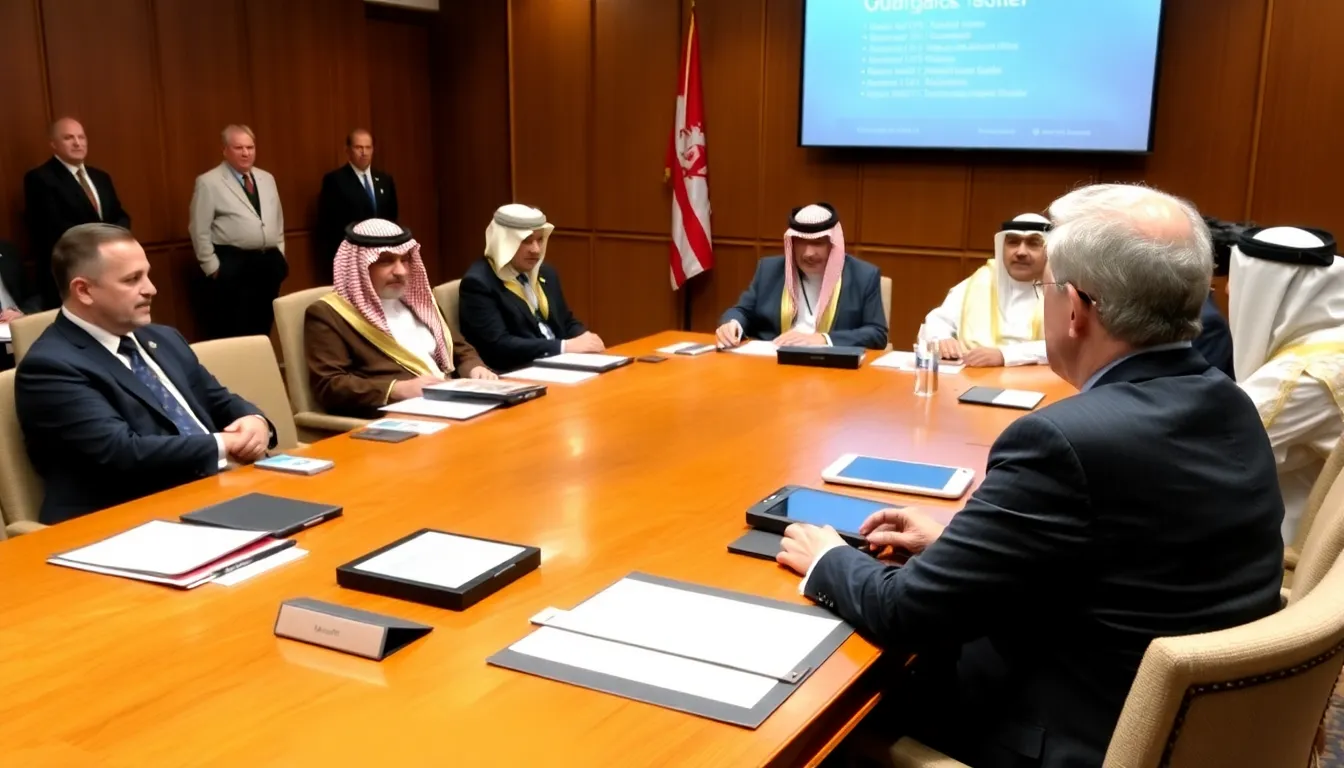
Mid-term effects may include shifts in energy prices, particularly in the oil sector. If tensions escalate, oil supply disruptions could lead to soaring prices globally, affecting transportation and manufacturing industries worldwide. Conversely, a de-escalation could stabilize prices and provide opportunities for investment in the region.
- Short-term risks: Increased military tensions, economic disruptions, and heightened regional instability.
- Mid-term opportunities: Potential for peace negotiations to open new markets and investment avenues.
- Impact on global oil prices: Fluctuations that could affect economies reliant on oil imports.
Policy responses from major powers will also play a crucial role. Should the U.S. and Iran find common ground, it may lead to a reevaluation of sanctions and trade agreements, creating new opportunities for businesses seeking to enter or expand in the Iranian market. Conversely, failure to address the conflict could prompt stricter sanctions, further isolating Iran and impacting neighboring economies.
A: The tensions stem from various factors, including Iran’s nuclear program, regional influence, and U.S. sanctions. These issues have led to a complex and often hostile relationship. A: Both nations are exploring diplomatic avenues, including potential agreements on nuclear activities and economic cooperation. These discussions aim to reduce hostilities and promote peace. A: Any resolution could stabilize the region, potentially leading to a decrease in oil prices. Conversely, continued tensions may drive prices higher due to supply concerns. A: Other countries, particularly those in the Middle East and Europe, are often involved as mediators or stakeholders, as they have vested interests in the outcome of the negotiations. A: If negotiations collapse, it could lead to increased military confrontations, further economic sanctions, and a destabilized region, impacting global security.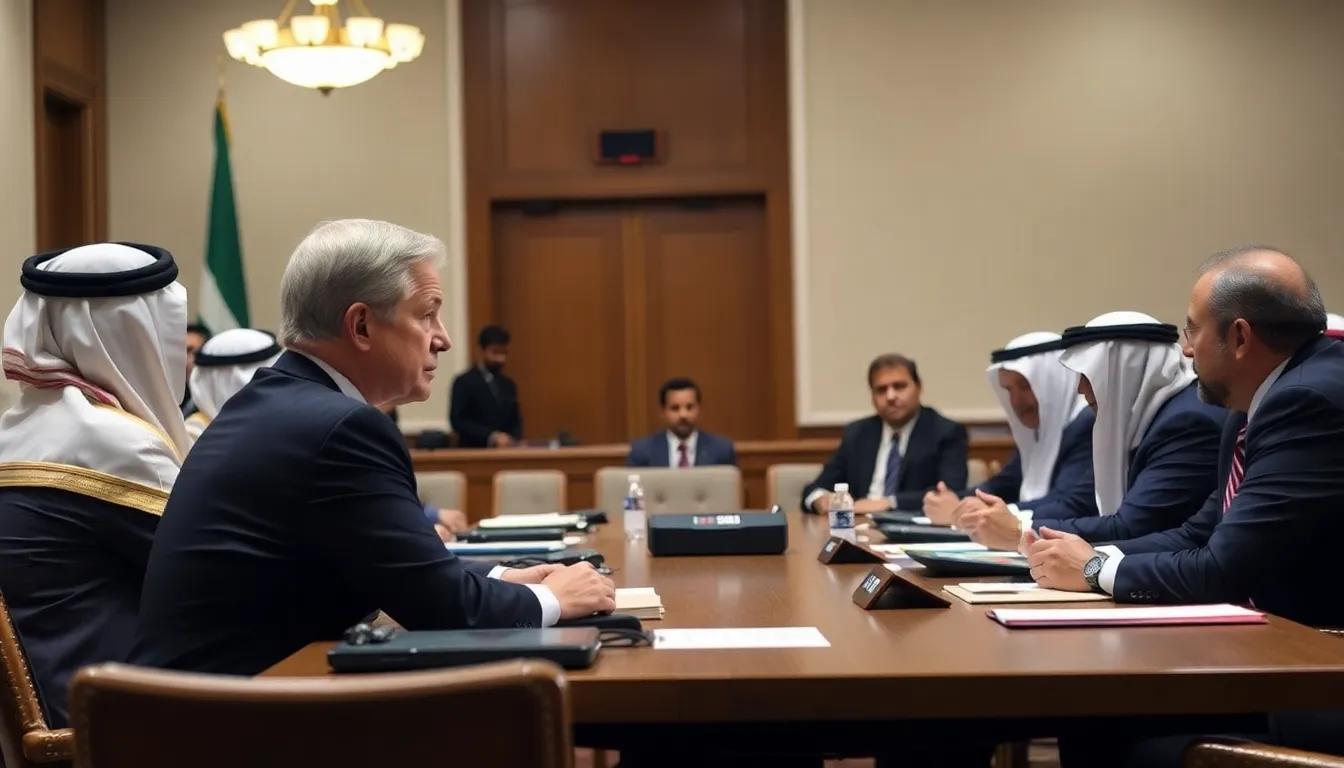
Frequently asked questions about U.S.-Iran negotiations
Outlook on U.S.-Iran relations and future diplomatic efforts
The ongoing tensions between the U.S. and Iran have reached a critical juncture, prompting discussions that could reshape their bilateral relationship. As both nations explore avenues to mitigate conflict, the potential for diplomatic engagement offers a glimmer of hope for stability in the region. The implications of these discussions extend beyond immediate security concerns, potentially influencing broader geopolitical dynamics and alliances.
Monitoring the evolving dialogue will be essential, as both sides weigh the costs and benefits of pursuing a more collaborative approach. The outcomes of these negotiations could set the stage for future interactions, impacting not only U.S.-Iran relations but also the interests of other regional players and global powers.
- Increased Diplomatic Engagement: Look for potential high-level meetings and negotiations that may pave the way for a formal dialogue.
- Regional Stability: The response of neighboring countries to U.S.-Iran discussions will be crucial in assessing the broader impact on Middle Eastern stability.
- Domestic Political Pressures: Watch how internal politics in both countries influence their willingness to compromise and engage in diplomacy.
- Impact on Global Alliances: The evolving relationship may affect alliances, particularly with nations like Russia and China, who have vested interests in the region.