
The trip was initially scheduled for later this month, but Trump stated that the U.S. holds a strong negotiating position, declaring, “We have all the cards.” This assertion suggests a shift in strategy, as the administration may be looking to leverage its perceived advantages rather than engage in direct talks at this time.
The cancellation raises questions about the effectiveness of diplomatic channels and whether this signals a return to a more confrontational approach by the Trump administration, especially in light of recent global events like the wildfires in Scotland that have captured international attention.
With international scrutiny on Iran’s nuclear ambitions and its support for militant groups, the decision to halt these discussions could have significant implications for regional stability. As the situation evolves, the response from Iran and other global actors will likely shape the next steps in this complex geopolitical landscape.
Understanding the background of U.S.-Iran relations
This intervention laid the groundwork for decades of animosity, culminating in the 1979 Iranian Revolution, which saw the establishment of the Islamic Republic and the subsequent hostage crisis that lasted 444 days, a pivotal moment often referenced in discussions about U.S.-Iran relations.
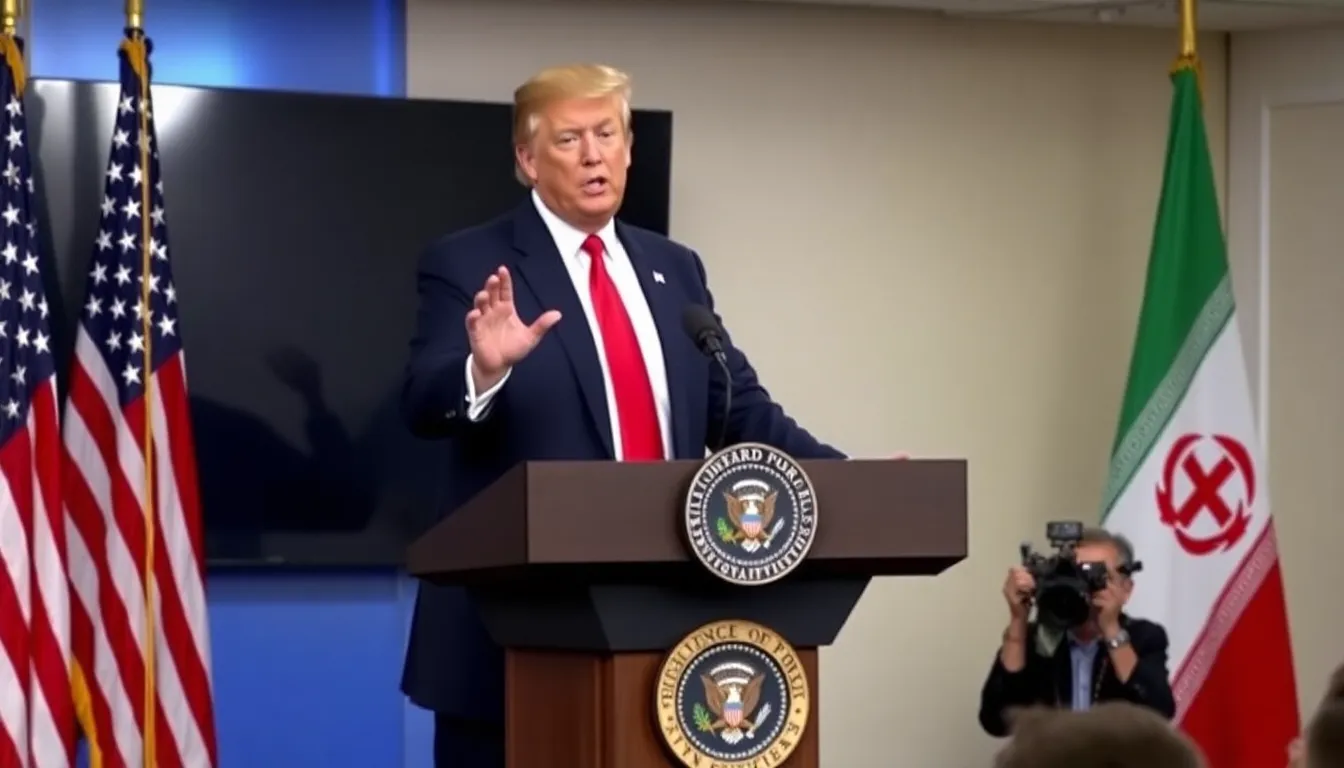
Throughout the 1980s and 1990s, U.S.-Iran relations remained hostile, particularly during the Iran-Iraq War when the U.S. supported Iraq. The early 2000s saw a shift in focus as Iran’s nuclear program came under scrutiny, leading to a series of sanctions and diplomatic efforts aimed at curbing its nuclear ambitions. The landmark Joint Comprehensive Plan of Action (JCPOA) in 2015 marked a significant, albeit temporary, thaw in relations, allowing Iran some relief from sanctions in exchange for limiting its nuclear activities.
However, the U.S. withdrawal from the JCPOA in 2018 under President Donald Trump marked a return to hostility, with the reimposition of severe economic sanctions. This decision was justified by the Trump administration on the grounds that Iran was still engaging in destabilizing activities in the region, including support for militant groups and threats to U.S. allies. The sanctions have had a profound impact on Iran’s economy, leading to increased inflation and public unrest.
Recent Developments
This situation illustrates a broader trend in U.S. foreign policy where negotiations are often sidelined in favor of economic pressure and military posturing, which is similarly observed in the influence of military leaders in Iran.
Key stakeholders and their interests in the Iran negotiations
The recent cancellation of Witkoff and Kushner’s trip for Iran talks by former President Trump has brought several key stakeholders into focus. Each stakeholder has distinct interests that shape their approach to the negotiations, impacting the broader geopolitical landscape.
First and foremost, the United States government, under Trump’s leadership, aims to exert maximum pressure on Iran. The administration believes that maintaining a strong stance will leverage negotiations, as Trump stated, “We have all the cards.” This perspective underscores a strategy of isolation and sanctions intended to curtail Iran’s nuclear ambitions and regional influence.
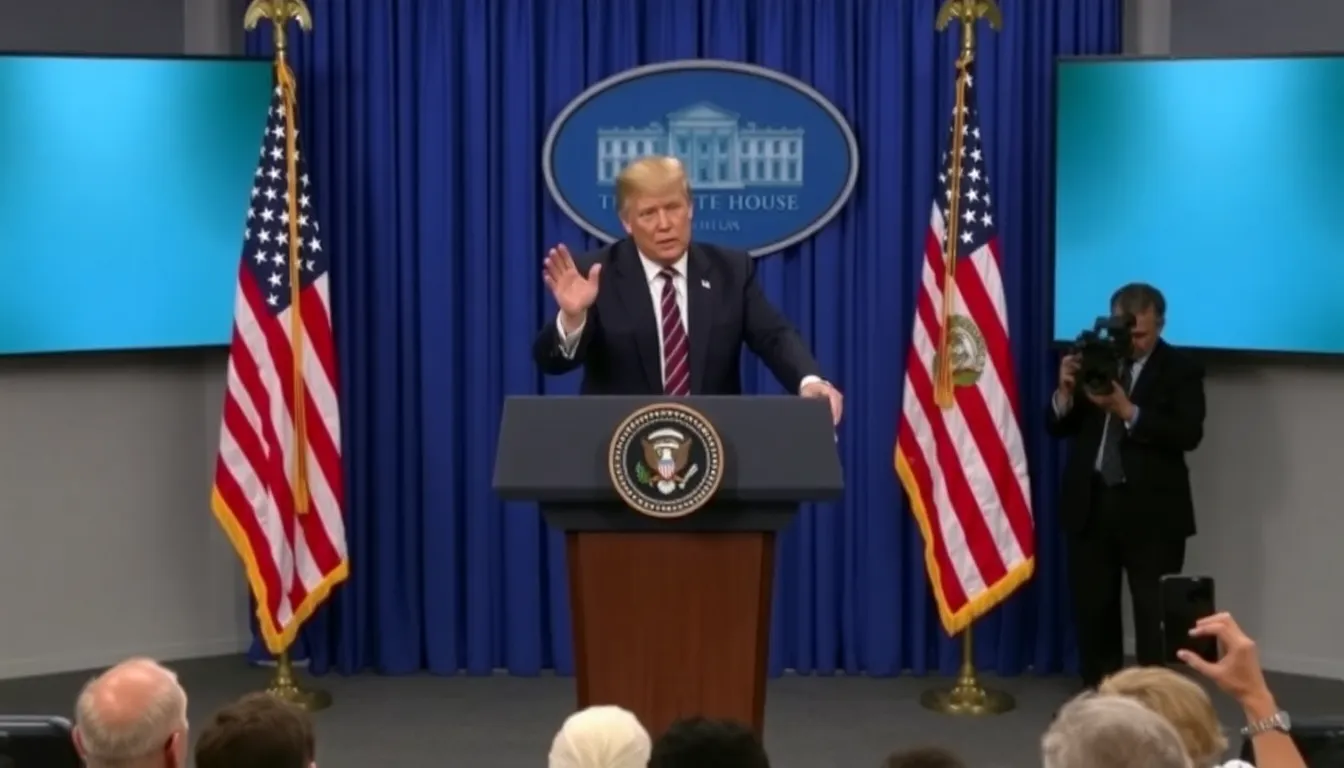
On the other side, Iran’s government seeks to alleviate sanctions and restore its economic stability. The Iranian leadership is interested in engaging in dialogue that could lead to the lifting of restrictions imposed by the U.S. and its allies. This desire for economic relief is compounded by domestic pressures, as the Iranian populace faces significant hardships due to these sanctions.
Additionally, key international actors such as the European Union and Russia play a crucial role in these negotiations. The EU, which has been involved in past negotiations, aims to preserve the Joint Comprehensive Plan of Action (JCPOA) and promote diplomatic solutions. Meanwhile, Russia’s interest lies in maintaining its influence in the region and supporting Iran as a counterbalance to U.S. dominance.
- U.S. interests focus on curtailing Iran’s nuclear program and regional influence.
- Iran seeks economic relief and the lifting of sanctions.
- The EU aims to uphold the JCPOA and foster diplomatic engagement.
- Russia wants to strengthen its regional influence and support Iran against U.S. policies.
- Domestic pressures in both the U.S. and Iran complicate the negotiation landscape.
Potential impact on U.S. foreign policy and international relations
The cancellation of the trip by Trump for Witkoff and Kushner to engage in Iran talks has significant implications for various groups and sectors. Key stakeholders include U.S. diplomats, international businesses, and regional allies in the Middle East. The abrupt halt raises questions about the future of diplomatic relations with Iran and the broader geopolitical landscape.
In the short term, the cancellation may lead to increased tensions between the U.S. and Iran, impacting negotiations on critical issues such as nuclear agreements and sanctions. This could create uncertainty in industries reliant on stable relations, particularly oil and gas, which may experience price fluctuations due to geopolitical instability.
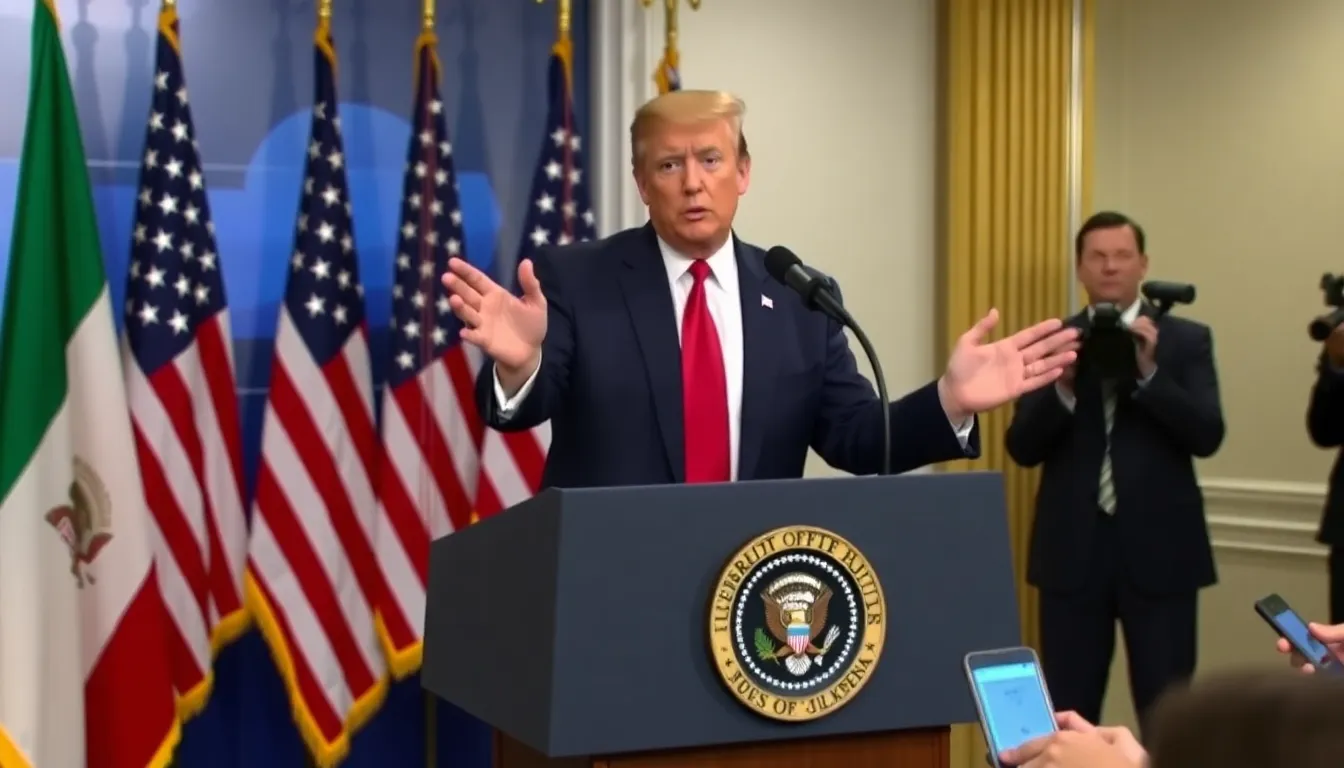
In the mid-term, businesses engaged in international trade with Iran or those that depend on Middle Eastern markets could face disruptions. Policy shifts might emerge as the administration reassesses its strategy, potentially leading to new sanctions or trade barriers that would affect companies operating in the region.
- Risks: Heightened tensions may lead to military confrontations, affecting global markets and economic stability.
- Opportunities: A focus on alternative diplomatic channels could foster new partnerships and alliances in the region.
- Impact on daily life: Changes in foreign policy could result in increased prices for imported goods, particularly in energy sectors.
Overall, the decision to cancel the trip reflects a broader strategy that could reshape U.S. foreign policy, impacting various sectors and potentially altering the dynamics of international relations in the Middle East.
A: Trump stated that the U.S. holds all the cards in negotiations, suggesting confidence in the current diplomatic stance. This decision reflects his administration’s approach to leverage power in international discussions. A: Witkoff and Kushner are key advisors to Trump, with Kushner having significant experience in Middle Eastern diplomacy. Their involvement was seen as a strategic move to engage Iran. A: The cancellation may signal a shift in U.S. strategy towards Iran, potentially affecting future negotiations and regional stability. It raises concerns about the effectiveness of diplomatic efforts. A: Allies may view this cancellation as a lack of commitment to diplomacy, which could strain relationships with countries that favor a more collaborative approach to Iran. A: Future steps may involve reassessing strategies and possibly seeking alternative avenues for dialogue. The administration will likely weigh its options carefully moving forward.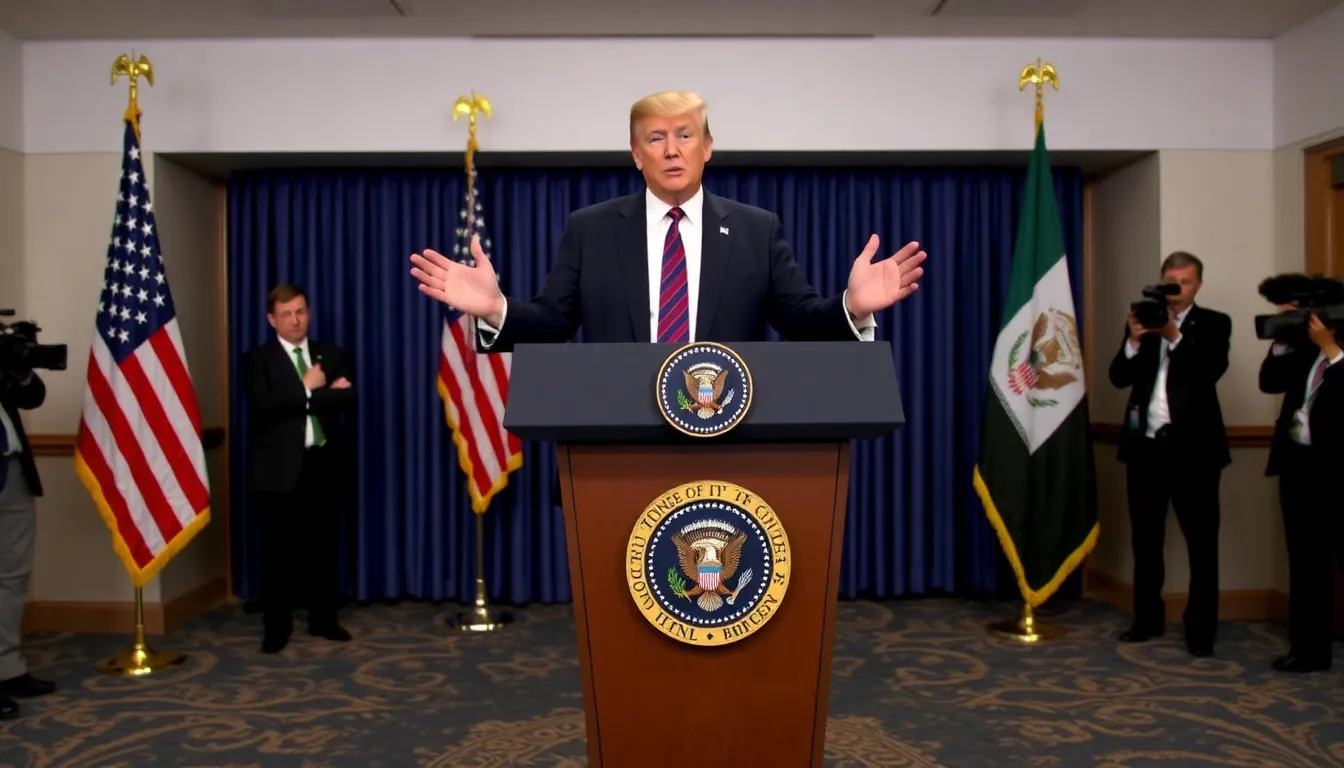
Frequently Asked Questions about the trip cancellation
Looking ahead: implications of the cancellation for future diplomacy
The cancellation of Witkoff and Kushner’s trip to Iran underscores a pivotal moment in U.S. foreign policy, reflecting a strategic stance that emphasizes leveraging perceived advantages in negotiations. This decision not only signals a shift in approach towards Iran but also raises questions about the future of diplomatic engagement with the nation. Observers will need to consider how this move impacts relationships with allies and adversaries alike.
As the U.S. asserts its position of strength, it may lead to a recalibration of diplomatic strategies in the region. The implications of this cancellation could resonate through various channels, influencing both domestic and international responses to U.S. foreign policy initiatives.
- Increased tension with Iran: The cancellation may escalate existing tensions, prompting Iran to reassess its diplomatic strategy and responses to U.S. actions.
- Impact on U.S. allies: Allies in the region may feel uncertain about the U.S. commitment to diplomatic solutions, which could affect their own foreign policy decisions.
- Potential for alternative negotiations: Other diplomatic avenues may emerge as stakeholders seek to fill the void left by the canceled talks.
- Domestic political ramifications: The decision could influence public opinion and political discourse within the U.S., particularly among those advocating for a more diplomatic approach.
- Monitoring future engagements: Observers should watch for any shifts in U.S. policy or rhetoric that may signal a new approach to Iran and broader Middle East diplomacy.