
In a recent interview, Ai expressed his views on the current landscape of artificial intelligence and its implications for creativity and expression. He highlighted concerns over how AI technologies are being used to monitor and suppress dissent, particularly in authoritarian regimes, which raises questions about the future of artistic freedom and innovation.
The artist’s return to China also coincides with a growing discourse on Western censorship, where he pointed out that many artists and thinkers face significant challenges in expressing their views openly. As countries grapple with the balance between security and freedom, Ai’s presence in China serves as a bold statement against the backdrop of these ongoing struggles.
Notably, Ai Weiwei’s journey back home is not just a personal milestone but also a symbolic act that resonates with many who advocate for human rights and freedom of expression. His experiences and insights continue to shed light on the importance of standing up against oppressive regimes and the role of art in challenging the status quo, as explored in a recent article about censorship in the arts.
Understanding Ai Weiwei’s journey and the significance of his return
Ai Weiwei, a prominent Chinese artist and activist, has long been at the forefront of discussions surrounding freedom of expression, government censorship, and human rights in China. His work often critiques the Chinese government and its policies, making him a polarizing figure both within China and internationally. Ai’s journey is not just about his art; it encapsulates the broader struggle for individual rights and freedoms in a country where dissent is often met with severe repercussions.
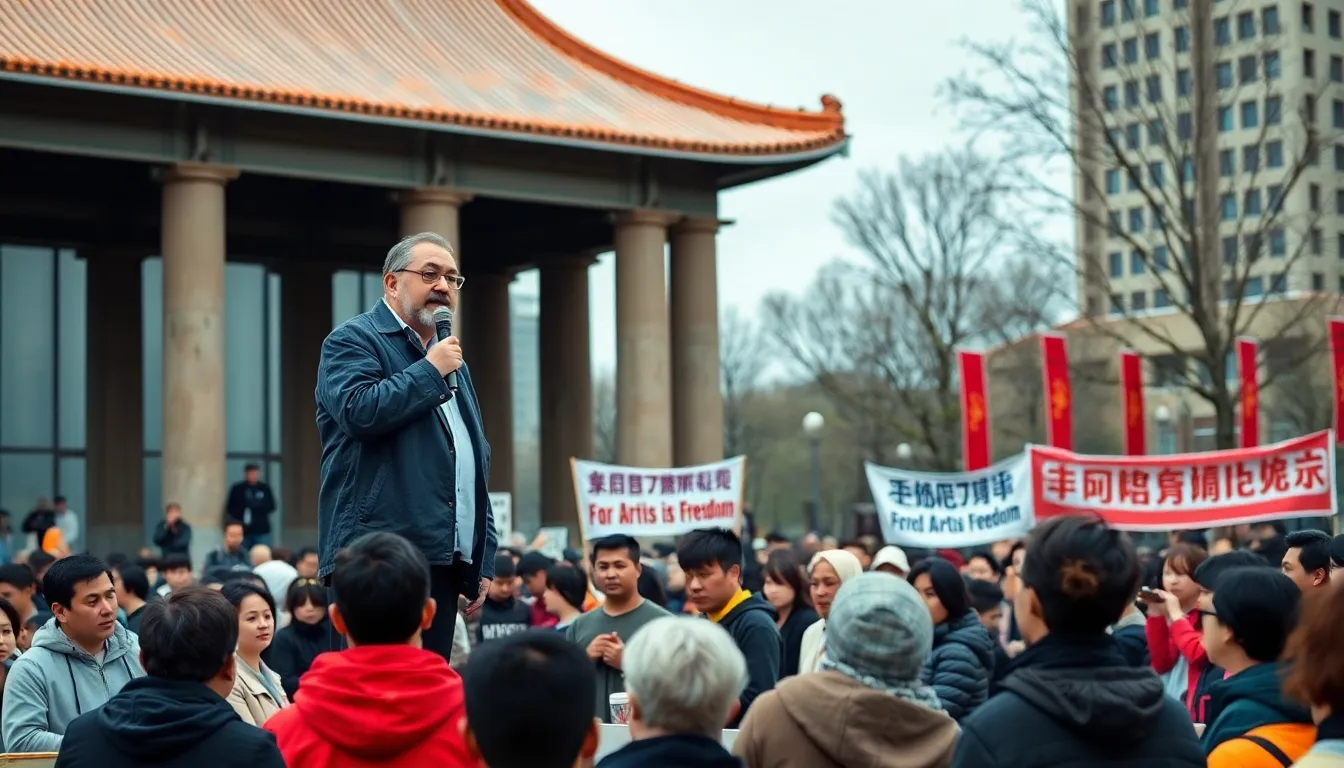
The backdrop of Ai Weiwei’s activism can be traced back to significant historical events in China, particularly the Tiananmen Square protests of 1989. This event marked a turning point in the Chinese government’s approach to dissent, leading to a period of intensified censorship and repression. The government’s response to the protests instilled a fear of political expression that resonates to this day. Ai’s own experiences, including his detention in 2011 for alleged tax evasiona charge widely viewed as politically motivatedhighlight the risks faced by those who dare to challenge the status quo.
In recent years, the rise of artificial intelligence (AI) has added a new dimension to the conversation about censorship and control. The Chinese government has increasingly employed AI technologies to monitor and suppress dissent, raising concerns about privacy and the implications for freedom of speech. Ai Weiwei has been vocal about these developments, arguing that the intersection of technology and authoritarianism poses a significant threat to individual liberties, similar to the issues raised regarding government regulations in other industries.
The significance of Ai’s return
Ai Weiwei’s return to China after years of exile is laden with symbolic meaning. It represents a challenge to the oppressive climate that has stifled artistic expression and political dissent. His decision to come back, despite the risks involved, signals a defiance against censorship and an affirmation of his commitment to advocating for human rights. This moment not only reflects Ai’s personal journey but also serves as a beacon of hope for others who strive for freedom in an increasingly repressive environment.
Exploring the implications of AI and censorship on art and freedom
In the landscape of contemporary art and expression, key stakeholders such as artists, governments, and technology companies play significant roles. Ai Weiwei, a prominent Chinese artist and activist, embodies the intersection of these interests, particularly in relation to artificial intelligence (AI) and censorship. His recent return to China raises questions about the balance between creative freedom and state control, especially in a rapidly evolving digital environment.
Governments, particularly the Chinese government, are primarily interested in maintaining social stability and control over information. This often leads to stringent censorship policies that affect how artists like Ai Weiwei can express themselves. On the other hand, Western governments advocate for freedom of expression, which can sometimes conflict with international relations and trade interests, especially concerning technology exports that might empower censorship in authoritarian regimes.
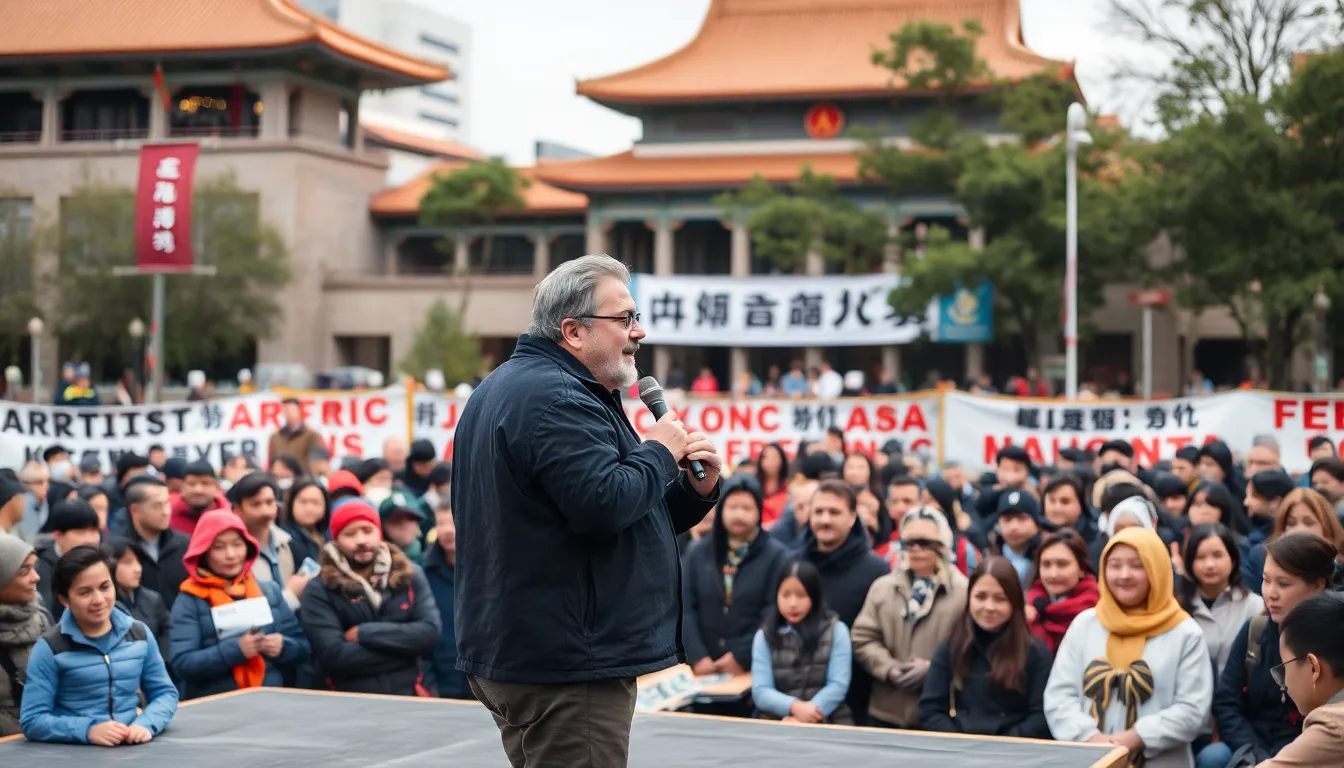
Technology companies also play a pivotal role, as they develop AI tools that can be used for both artistic innovation and surveillance. This duality presents a moral dilemma, as these companies must navigate the fine line between promoting creativity and adhering to government regulations. The implications of AI in art raise ethical questions about authorship, originality, and the potential for manipulation.
- Conflict of Interests: The tension between artistic freedom and government censorship creates a battleground for expression.
- Economic Implications: The art market’s response to censorship can impact artists’ livelihoods and the global art economy.
- Legal Challenges: Artists may face legal repercussions for their work, particularly in countries with strict censorship laws.
- Technological Influence: AI’s role in both facilitating and restricting artistic expression highlights the complexities of modern creativity.
- Global Perspectives: Different cultural attitudes towards censorship shape the international dialogue on art and freedom.
The interplay of these factors creates a complex environment where artists like Ai Weiwei navigate their practices. His experiences reflect broader societal issues regarding the role of art in challenging authority and the implications of technological advancements on freedom of expression.
The effects of Ai Weiwei’s views on artists and activists worldwide
Ai Weiwei’s return to China and his outspoken views on AI and censorship resonate deeply with various groups, particularly artists, activists, and those in the tech industry. His experiences highlight the ongoing challenges faced by individuals advocating for freedom of expression in oppressive regimes. As such, his insights can influence a broad spectrum of stakeholders, from creative professionals to policymakers.
In the short term, artists and activists may find themselves reassessing their strategies for engagement and expression. The immediate impact could lead to increased scrutiny of their work, particularly in regions where government censorship is prevalent. This could manifest in heightened self-censorship among creators who fear repercussions for their ideas and expressions.
Mid-term effects may include a shift in the way art and activism are perceived globally. As Ai Weiwei’s message spreads, there could be a renewed focus on the importance of artistic freedom, prompting international coalitions to support those facing censorship. This could also inspire a wave of new artistic movements that challenge the status quo, creating opportunities for collaboration across borders.
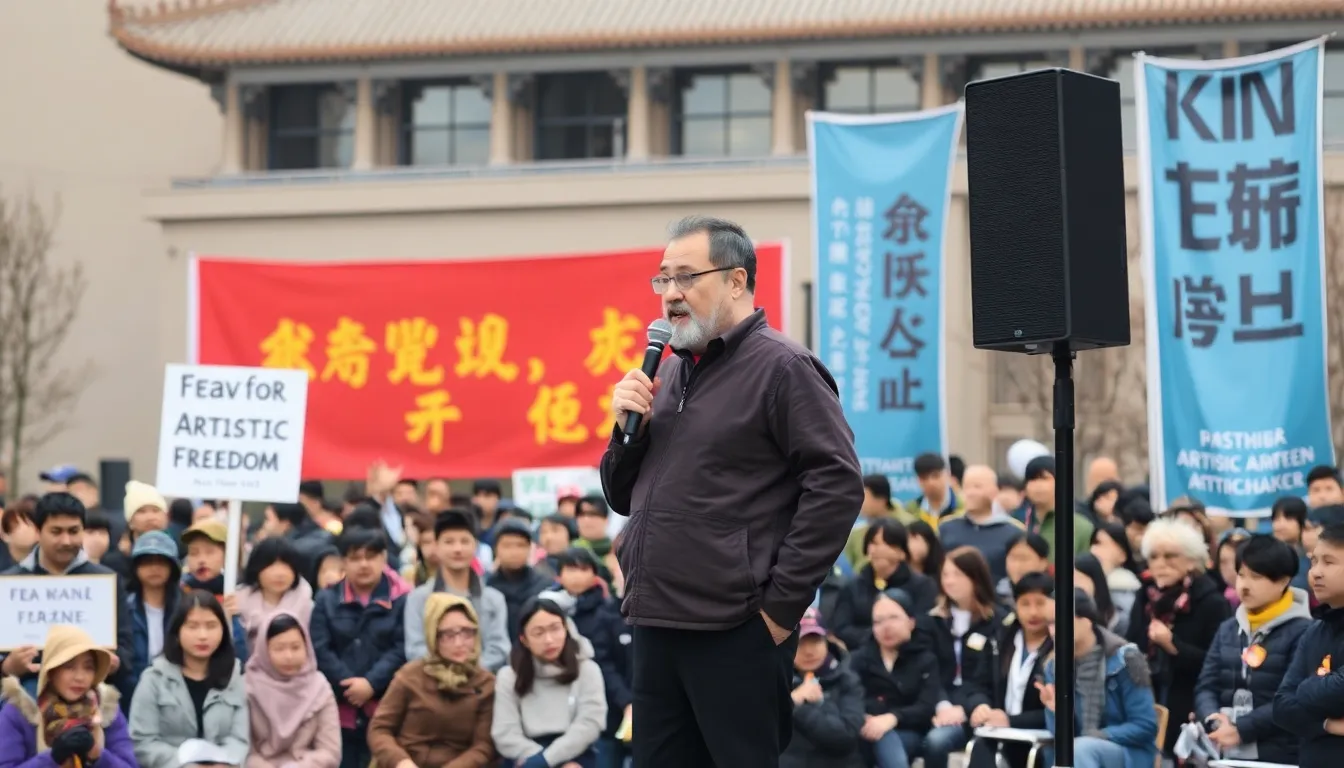
- Risks: Increased government surveillance and censorship may stifle creativity and expression.
- Opportunities: Greater international solidarity among artists and activists could lead to more impactful collaborations.
- Policy Changes: Potential for advocacy groups to push for reforms in countries with restrictive regimes.
Industries such as technology and media may also feel the ripple effects of Ai Weiwei’s commentary on AI and censorship. Companies involved in AI development may face ethical dilemmas regarding the use of their technologies in surveillance and censorship efforts. This could lead to a demand for more transparent practices and a reevaluation of corporate responsibilities in promoting free expression.
A: Ai Weiwei felt a strong connection to his homeland and wanted to engage with the ongoing dialogue about freedom and expression in China. A: He believes that AI can be a powerful tool for creativity but also poses risks of censorship and control over artistic expression. A: He highlights the growing trend of self-censorship among artists and the pressures imposed by governments and corporations. A: His courage to speak out encourages other artists to challenge oppressive regimes and advocate for their rights. A: He urges them to remain fearless and persistent in their fight for freedom and justice, regardless of the challenges they face.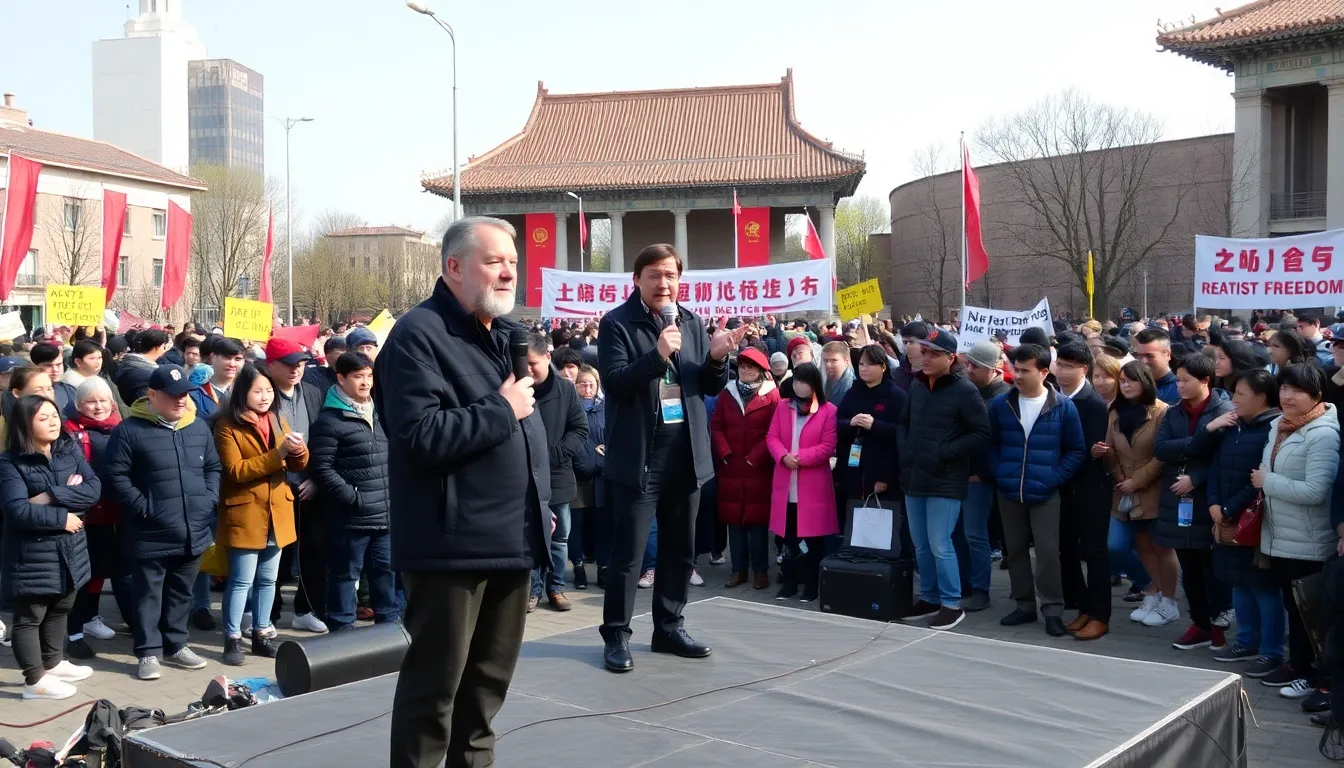
Frequently asked questions about Ai Weiwei’s insights
Key takeaways from Ai Weiwei’s reflections on censorship and creativity
Ai Weiwei’s return to China and his insights on the intersection of artificial intelligence and censorship highlight the ongoing challenges faced by artists and activists in navigating oppressive environments. His perspective sheds light on the resilience required to foster creativity under constraints, as well as the implications of technological advancements in shaping discourse and expression.
As the landscape of censorship evolves, it becomes increasingly crucial to understand the role that both AI and governmental policies play in influencing artistic freedom. Weiwei’s experiences serve as a reminder of the importance of vigilance and advocacy in the face of encroaching limitations on expression.
- Monitor AI’s impact on creative expression: As AI technologies advance, their potential to both enhance and restrict artistic freedom warrants close observation.
- Recognize the global implications of censorship: The dynamics of censorship in China can serve as a cautionary tale for other nations grappling with similar issues.
- Support artists and activists: Engaging with and supporting those who challenge oppressive regimes can foster a more vibrant and diverse cultural landscape.
- Encourage open dialogue: Facilitating conversations about censorship and creativity can help raise awareness and promote understanding across different societies.
- Embrace resilience in art: The ability of artists to adapt and innovate in the face of adversity is a powerful testament to the enduring spirit of creativity.