
Key figures in this movement include artists like Lee Mu Jin and Younha, who have garnered significant attention for their innovative approaches. Their recent releases, such as Lee Mu Jin’s hit single “Traffic Light” in 2021, have topped charts and sparked renewed interest in the genre.
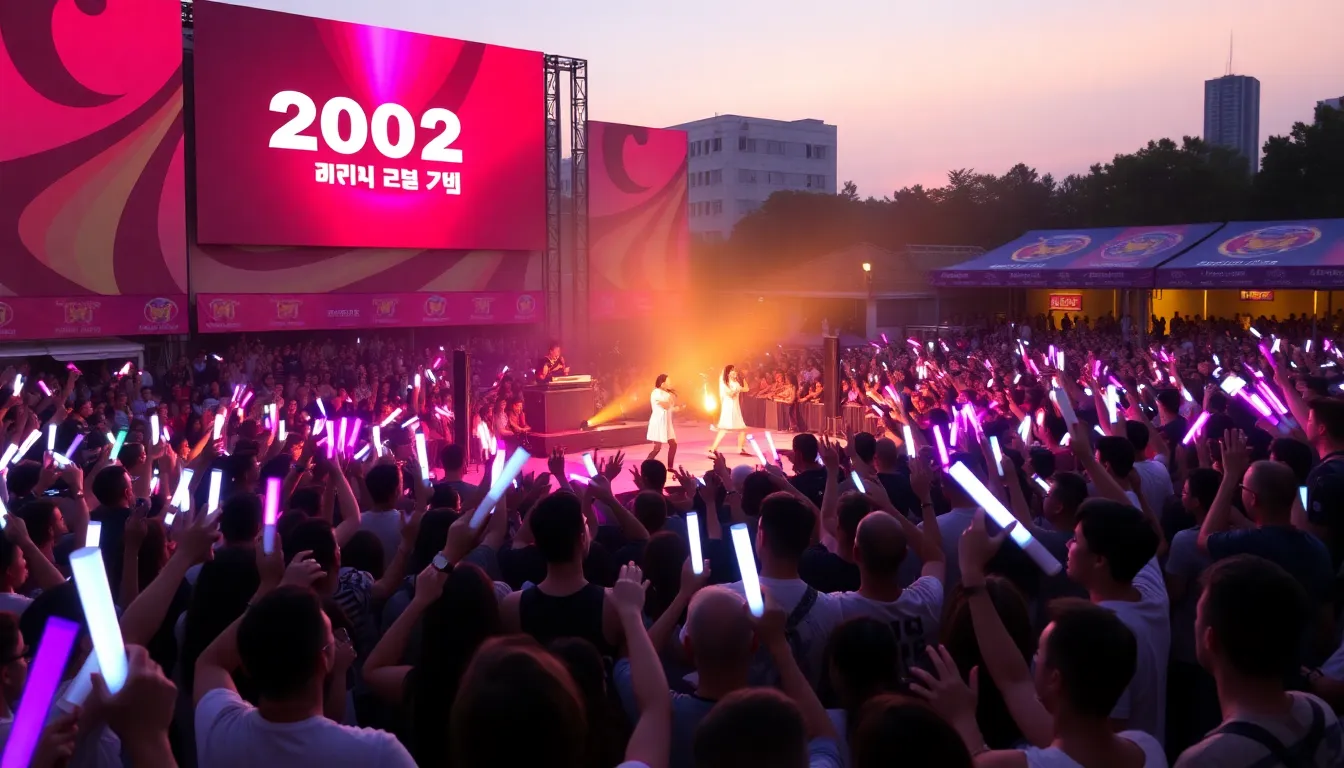
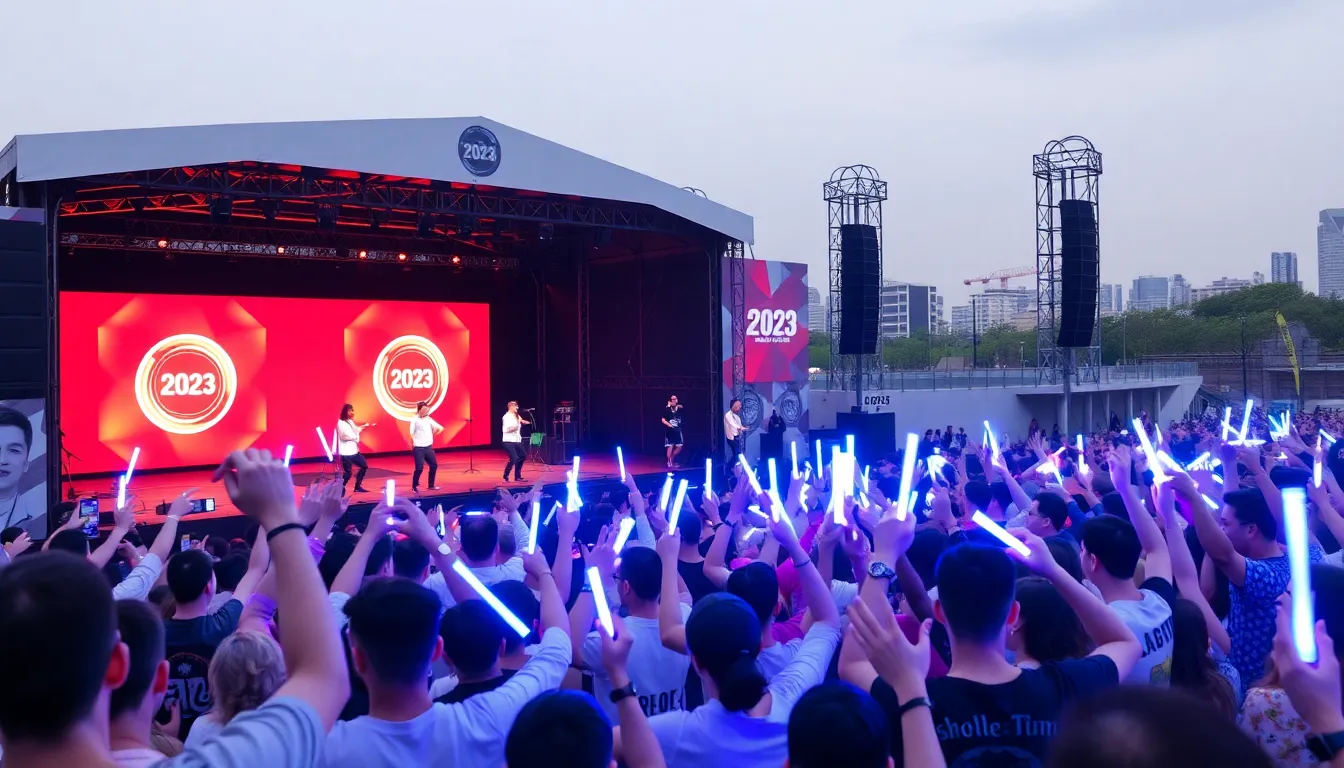
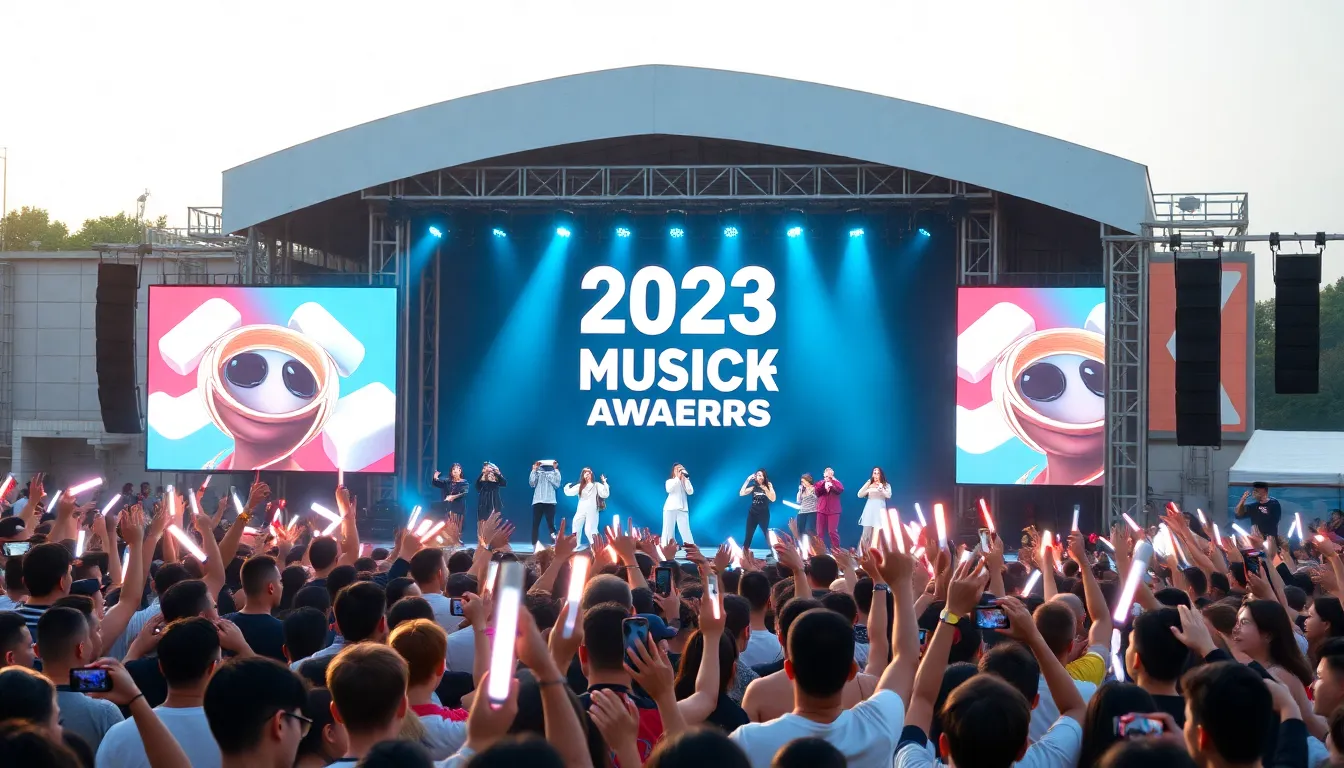
The shift in perception can be attributed to several factors, including the rise of social media platforms that allow for wider distribution and discovery of music. Events like the 2023 Seoul Music Awards have also highlighted the genre’s evolving landscape, showcasing its diversity and attracting a younger audience eager for fresh sounds.
Moreover, collaborations between established artists and newcomers are further bridging the gap between different musical styles. This collaborative spirit has not only revitalized the genre but also positioned it as a significant player in the global music scene, reflecting broader trends in cultural exchange and innovation.
Recommended Articles
- Exploring the Impact of BBC Inside Science on Public Understanding
- Instagram Chief Claims Social Media Is Not Clinically Addictive in Landmark Trial
- Bans on Many CBD Products Loom This Year
- Exploring the Gracefulness of Robots
- Could Bill Gates and political tussles overshadow AI safety debate in Delhi
- Exploring the Impact of BBC Inside Science on Public Understanding
- Instagram Chief Claims Social Media Is Not Clinically Addictive in Landmark Trial
- Bans on Many CBD Products Loom This Year
- Exploring the Gracefulness of Robots
- Could Bill Gates and political tussles overshadow AI safety debate in Delhi
Understanding the Background of This Genre
The resurgence of this once-mocked Korean music genre can be traced back to a complex interplay of cultural, social, and economic factors. Initially dismissed as tacky or overly commercial, the genre found itself at the crossroads of Korea’s rapid modernization and globalization. In the late 20th century, as South Korea sought to establish its identity on the global stage, music became a vital expression of cultural pride and innovation.
During the 1990s and early 2000s, the genre was often associated with kitsch aesthetics and mainstream appeal, leading to its derision among purists. However, this period also marked the rise of the Korean Wave, or Hallyu, which introduced Korean pop culture to international audiences. As K-pop began to dominate charts worldwide, the genre in question was rediscovered by a new generation eager to explore its roots and embrace its unique charm.
Key Milestones in the Genre’s Evolution
Several key milestones have contributed to the genre’s revival. The introduction of digital platforms in the 2010s allowed for greater accessibility and exposure, enabling fans to share and promote the genre globally. Additionally, collaborations between established artists and newcomers have infused fresh energy into the genre, attracting diverse audiences. As social media platforms became central to music promotion, the genre gained traction among younger listeners who appreciate its nostalgic yet innovative qualities.
Moreover, the changing landscape of cultural consumption, particularly during the COVID-19 pandemic, has led many people to seek comfort in familiar sounds. This shift has helped to reframe perceptions of the genre, allowing it to be viewed not just as a relic of the past but as a vibrant part of contemporary music culture. As the genre continues to evolve, it reflects a broader trend of embracing diversity and celebrating cultural heritage in an increasingly interconnected world.
Key Stakeholders and Issues Surrounding the Comeback
The resurgence of the once-derided Korean music genre has drawn attention from various stakeholders, each with distinct interests and perspectives. These include artists, record labels, fans, cultural critics, and government entities. Understanding their roles and the dynamics at play is essential to grasping the broader implications of this musical revival.
Artists and musicians are at the forefront of this comeback, seeking to reclaim and redefine the genre’s image. Many aim to innovate within the genre while paying homage to its roots, thus attracting both old fans and new audiences. This desire for authenticity may lead to creative conflicts, as some artists may feel pressured to conform to contemporary trends rather than explore their unique styles.
Record labels are significant players in this landscape, driven by economic interests. As they invest in promoting this genre, they face the challenge of balancing commercial viability with artistic integrity. The potential for profit may lead to a focus on formulaic productions, which could dilute the genre’s original essence and alienate dedicated fans.
- Fan Engagement: Fans play a crucial role in the genre’s revival, influencing trends and shaping public perception. Their feedback can impact artists’ decisions and label strategies.
- Cultural Criticism: Cultural critics and media outlets may scrutinize the genre’s comeback, highlighting issues of authenticity and commercialization that could spark debates within the community.
- Government Support: Government agencies may see the genre’s resurgence as an opportunity to promote cultural diplomacy and tourism, leading to potential funding and support for artists.
Legal issues also arise, particularly concerning copyright and intellectual property rights. As the genre gains popularity, disputes over sampling and artistic ownership may emerge, complicating collaborations and potentially stifling innovation. Additionally, the economic implications of this comeback are significant, as it could lead to increased concert revenues, merchandise sales, and international collaborations, thus impacting the broader music industry.
Impact on Artists and the Music Market
The resurgence of this once-mocked Korean music genre is poised to affect a variety of stakeholders within the music industry. Artists who previously faced stigma are now finding renewed interest and opportunities to collaborate, perform, and innovate. This shift not only revitalizes their careers but also attracts a new wave of talent eager to explore the genre’s unique sounds.
In the short term, the revival is likely to boost local music scenes, particularly in regions where the genre has a nostalgic connection. Cities known for their vibrant nightlife and music festivals may see increased attendance and revenue as fans flock to hear live performances. Additionally, record labels and streaming platforms may prioritize promoting this genre, leading to a surge in playlists and curated events.
However, the mid-term implications could be mixed. While some artists will benefit from increased visibility, others may struggle to adapt to the changing landscape. Traditional music critics and audiences may still harbor biases, leading to potential backlash against emerging artists who embrace the genre. This could create a divide within the music community, affecting collaborations and cross-genre projects.
- Opportunities: Increased collaboration between artists and genres, leading to innovation.
- Risks: Potential backlash from traditionalists who resist the genre’s revival.
- Business Growth: Local venues and festivals may experience a boost in attendance and revenue.
- Market Expansion: Streaming platforms may see increased engagement with curated playlists.
Overall, the impact of this genre’s comeback is multifaceted, presenting both challenges and opportunities for artists, businesses, and audiences alike. As the cultural landscape shifts, stakeholders will need to navigate these changes thoughtfully to harness the genre’s potential while addressing the risks involved.
A: This genre was often associated with low production quality and over-the-top aesthetics, leading to its dismissal by mainstream audiences. Critics labeled it as lacking depth and sophistication. A: The resurgence can be attributed to nostalgia, evolving cultural perceptions, and the influence of social media, which have allowed younger generations to rediscover and appreciate the genre. A: Several artists who initially gained fame in the genre are returning, along with new talents who blend traditional elements with modern influences, creating a fresh sound. A: The audience reaction has been largely positive, with many embracing the genre’s unique style and celebrating its cultural roots, leading to increased streaming and concert attendance. A: While it’s difficult to predict, the current trends suggest a growing acceptance, especially as more artists experiment with its elements in popular music.
Frequently Asked Questions About the Genre
Key Takeaways and Future Outlook
The resurgence of this once-mocked Korean music genre highlights a significant cultural shift, reflecting changing tastes and the evolving landscape of global music. As nostalgia plays a powerful role in consumer behavior, this genre’s revival suggests a broader acceptance of diverse musical styles, paving the way for innovation and cross-genre collaborations.
Industry stakeholders should pay close attention to emerging trends within this genre, as its popularity could influence not only music production but also fashion and entertainment. The potential for international collaborations and the integration of modern technology in music creation present exciting opportunities for artists and producers alike.
- The genre’s comeback may inspire a new wave of artists to experiment with retro sounds, leading to fresh interpretations that resonate with younger audiences.
- Watch for increased collaborations between traditional and contemporary artists, which could bridge generational gaps and attract a more diverse fan base.
- As streaming platforms continue to prioritize niche genres, this music style could see a surge in global listeners, impacting playlists and chart rankings.
- Fashion trends associated with this genre may also resurface, influencing the broader cultural landscape and consumer behavior.