
The situation has raised significant concern among marine biologists and animal welfare advocates, who argue that the rescue operation is crucial for the well-being of the creature. Lemke described the decision as ‘perfectly human,’ emphasizing the moral responsibility to intervene in cases where wildlife is in distress.
Rescue efforts are being coordinated by local authorities, marine experts, and conservation groups, who are working around the clock to devise a plan that minimizes stress on Timmy while maximizing the chances of a successful rescue. The operation is set to begin in the coming days, pending favorable weather conditions.
This incident highlights broader issues related to marine conservation and the challenges marine species face due to human activities. As the public watches closely, the outcome of this rescue attempt could spark further discussions on the importance of protecting marine ecosystems and the species that inhabit them.
Background on whale Timmy’s situation
The story of whale Timmy is emblematic of the complex interplay between environmental conservation, public sentiment, and governmental decision-making. Over the past few decades, the plight of marine mammals has garnered increased attention, leading to heightened awareness and advocacy for their protection. As climate change and human activity continue to threaten marine ecosystems, the rescue of stranded or distressed marine animals has become a contentious issue, often reflecting broader societal values regarding wildlife conservation.

Timmy, a young whale who became stranded along the German coastline, sparked a national conversation about the ethics and practicality of animal rescue efforts. This incident is not isolated; similar cases have surfaced globally, prompting debates on the allocation of resources and the extent to which humans should intervene in nature. Historical precedents, such as the rescue operations for stranded dolphins and other whales, have set the stage for the current discourse, illustrating the challenges faced by rescuers and the emotional toll on communities involved.
The Role of Government in Wildlife Rescue
In Germany, the government has historically played a significant role in wildlife conservation efforts. Recent policies have emphasized the importance of protecting biodiversity and ensuring the survival of endangered species. However, these policies often face scrutiny when they lead to difficult decisions, such as whether to intervene in a natural process. The German minister’s defense of the decision to attempt rescuing Timmy highlights the balancing act that authorities must perform between public expectations and ecological realities.
Public sentiment surrounding animal welfare has also evolved, with many citizens advocating for proactive measures to save distressed wildlife. This has led to increased pressure on government officials to act decisively in situations like Timmy’s, reflecting a societal shift towards valuing the lives of animals and the emotional connections people have with them. As a result, the decision to rescue Timmy was not merely a logistical one; it was deeply intertwined with the ethical considerations of humanity’s responsibility towards the natural world.
Key issues surrounding the rescue attempt
The recent decision by the German minister to authorize the rescue attempt of the whale known as Timmy has sparked a complex debate involving various stakeholders and key issues. The primary actors in this situation include government officials, marine conservation organizations, local communities, and the general public, each with their own interests and concerns regarding the operation.
Government officials, particularly the minister, argue that the decision to intervene reflects a commitment to animal welfare and conservation. They believe that rescuing Timmy, who has been stranded, is a moral obligation and aligns with Germany’s environmental policies. However, this stance faces opposition from some local fishermen and communities who express concerns about the potential economic implications of a rescue operation, such as disruptions to fishing activities and tourism.

Marine conservation organizations are also significant stakeholders, advocating for the protection of marine life and the importance of rescuing distressed animals. They emphasize the ecological value of whales and the need for humane treatment. Yet, there are conflicting opinions within this group regarding the feasibility and effectiveness of rescue efforts, particularly concerning the resources required and the potential risks to both the animal and the rescuers.
- Legal considerations: The rescue operation may involve navigating complex legal frameworks related to wildlife protection and maritime law.
- Economic trade-offs: Local economies may be impacted by the rescue efforts, affecting industries such as fishing and tourism.
- Public sentiment: The decision has garnered mixed reactions from the public, with many supporting the rescue while others question the practicality and safety of the endeavor.
- Scientific implications: The case of Timmy raises important questions about human intervention in natural processes and the long-term effects on whale populations.
In summary, the rescue attempt of whale Timmy encapsulates a broader discussion about human responsibility towards wildlife, the balance between conservation and economic interests, and the ethical considerations that arise in such situations. The interplay between these stakeholders and their respective interests will continue to shape the narrative surrounding this rescue operation.
Implications for marine conservation efforts
The decision to attempt a rescue for whale Timmy has far-reaching implications for various groups, including environmental organizations, local fishing communities, and tourism operators in Germany. Marine conservationists are particularly affected as they advocate for the protection of marine life and ecosystems. Their response to the rescue operation could shape future conservation policies and initiatives.
In the short term, the rescue operation may disrupt local fishing activities, as areas may be closed off to ensure the safety of both the whale and the rescuers. This could lead to economic challenges for fishermen who rely on these waters for their livelihoods. Conversely, the operation may boost tourism, attracting visitors who wish to witness the rescue efforts, thereby providing a temporary economic uplift for local businesses.
Mid-term impacts could include shifts in public policy regarding marine life protection. If the rescue is deemed successful, it may lead to increased funding and support for marine conservation projects. However, if the operation fails, it could result in public backlash against the methods used, prompting stricter regulations that could hinder future rescue attempts.
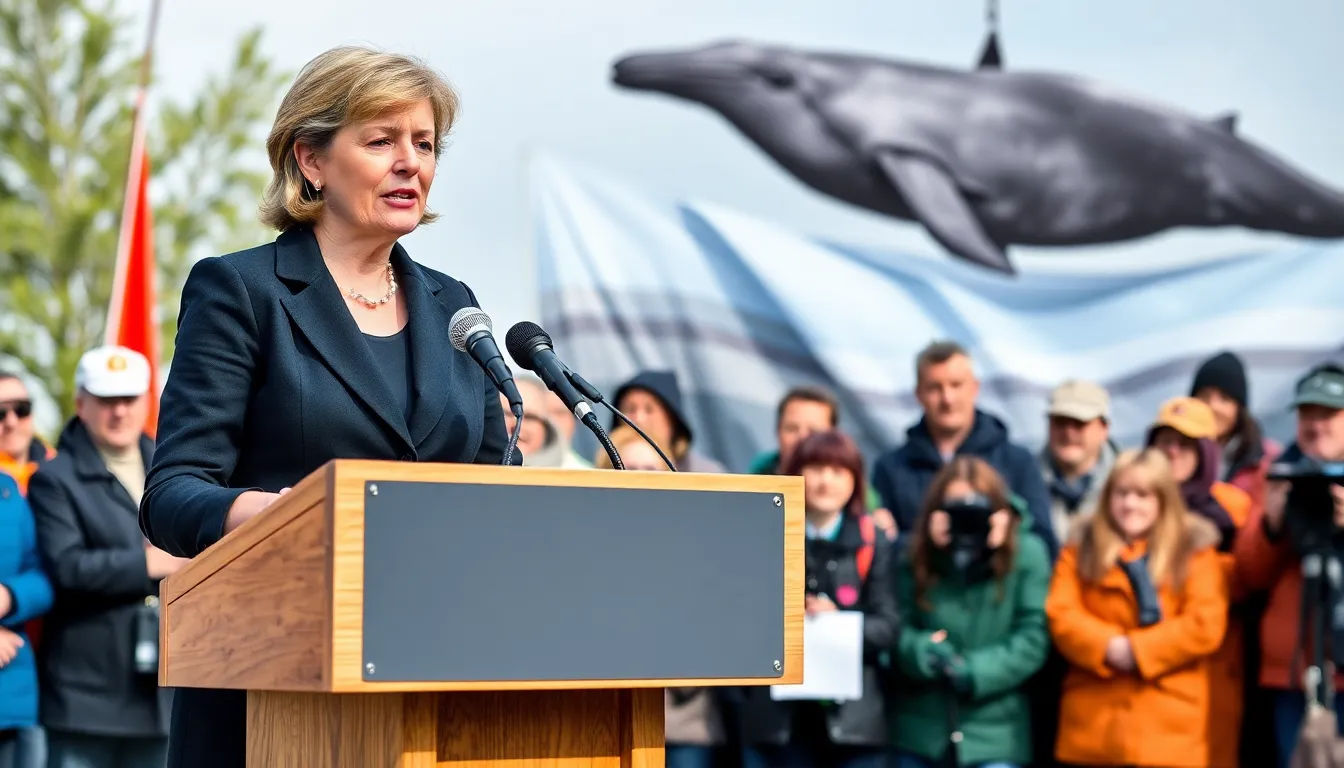
- Local fishing communities: Potential disruption of fishing activities.
- Tourism industry: Increased interest and visitors, leading to economic opportunities.
- Environmental organizations: Influence on future conservation policies and funding.
- Public perception: Shifts based on the success or failure of the rescue effort.
In summary, while the decision to rescue Timmy presents risks to local industries, it also opens up opportunities for greater awareness and potential policy changes in marine conservation. The outcome of this operation will likely resonate beyond the immediate region, influencing broader discussions on wildlife rescue and environmental stewardship.
A: The decision was made based on the belief that every effort should be taken to save a distressed animal, reflecting a commitment to marine life conservation. A: Challenges include the whale’s location, potential risks to both the animal and rescuers, and the logistics of mobilizing a rescue team. A: This decision may set a precedent for future rescue operations, emphasizing the importance of taking action in similar situations. A: Public reactions are mixed, with some supporting the humane approach while others question the feasibility and effectiveness of the rescue. A: Yes, there may be legal considerations regarding wildlife protection laws and the responsibilities of the government in such situations.
Frequently asked questions about the rescue
Key takeaways and future outlook on whale rescue initiatives
The recent decision by the German minister to support the rescue of whale Timmy highlights the complex interplay between human intervention and wildlife conservation. This initiative not only underscores the ethical considerations surrounding animal welfare but also sets a precedent for future rescue operations. As public interest in marine life continues to grow, the implications of such actions may influence policy and funding for wildlife conservation efforts.
Looking ahead, the response to Timmy’s situation could catalyze broader discussions on the responsibilities of governments and organizations in protecting marine ecosystems. It also raises important questions about the effectiveness of rescue operations and the long-term impacts on both the animals involved and their habitats.
- Increased public engagement: The rescue operation may inspire greater public involvement in marine conservation efforts.
- Policy implications: The case could lead to new policies aimed at improving rescue protocols for marine animals.
- Funding opportunities: There may be a rise in funding for initiatives aimed at protecting endangered marine species.
- Long-term monitoring: Ongoing assessment of the outcomes of such rescue attempts will be crucial for future interventions.