
The encounter comes at a time of heightened tensions between Taiwan and China, especially following Taiwan’s recent presidential elections, which saw a shift in political dynamics. Lai, representing the Democratic Progressive Party (DPP), has been vocal about maintaining Taiwan’s sovereignty while also exploring avenues for dialogue with China.
This meeting is crucial as it may set the tone for future interactions between the two sides. Analysts suggest that both leaders are under pressure to address economic concerns and regional stability, which could pave the way for more constructive discussions in the future.
Furthermore, the implications of this meeting extend beyond Taiwan and China, as it could influence the broader geopolitical landscape in the Asia-Pacific region. The United States and other regional powers are closely monitoring the outcomes of this dialogue, given the strategic importance of Taiwan in global trade and security.
Understanding the historical backdrop of Taiwan-China relations
The relationship between Taiwan and China is deeply rooted in a complex history that dates back to the Chinese Civil War, which ended in 1949. Following the defeat of the Kuomintang (KMT) by the Communist Party of China (CPC), the KMT retreated to Taiwan, establishing a separate government. This marked the beginning of a contentious relationship, with both sides claiming to be the legitimate government of China. Over the decades, Taiwan has developed its own identity and democratic political system, while China views Taiwan as a breakaway province that must eventually be reunified with the mainland.
In the years following the civil war, Taiwan became a focal point for Cold War dynamics in Asia. The United States, initially recognizing the KMT as the legitimate government, shifted its diplomatic recognition to the People’s Republic of China (PRC) in 1979. This shift left Taiwan in a precarious international position, as it lost its seat in the United Nations and faced increasing diplomatic isolation. Nevertheless, Taiwan continued to thrive economically, becoming one of the “Four Asian Tigers” with a strong technology and manufacturing sector.
Key Milestones in Taiwan-China Relations
Several pivotal moments have defined Taiwan-China relations over the years. In 1992, representatives from both sides reached a tacit agreement known as the “1992 Consensus,” which acknowledged that there is one China, but allowed for differing interpretations of what that means. This framework facilitated dialogue and economic cooperation, leading to increased trade and investment between the two sides. However, political tensions remained high, particularly with the rise of pro-independence sentiments in Taiwan.
In recent years, the situation has become more complicated as Taiwan’s political landscape has shifted. The election of Tsai Ing-wen in 2016, representing the pro-independence Democratic Progressive Party (DPP), marked a departure from the KMT’s more conciliatory approach towards China. Tsai’s administration has emphasized Taiwan’s sovereignty, leading to a deterioration in cross-strait relations. This context sets the stage for significant meetings, such as the recent encounter between Taiwan’s opposition leader and Xi Jinping, which could signal a potential thaw in relations amidst rising tensions.
As Taiwan navigates its complex relationship with China, economic ties remain a crucial factor. Despite political disagreements, Taiwan and China are economically interdependent, with substantial trade and investment flows. This economic connection often complicates the political narrative, as both sides must weigh the benefits of cooperation against the backdrop of national identity and sovereignty. The meeting between the opposition leader and Xi Jinping may reflect an attempt to recalibrate this balance and explore new avenues for dialogue.
Key stakeholders and issues surrounding the meeting
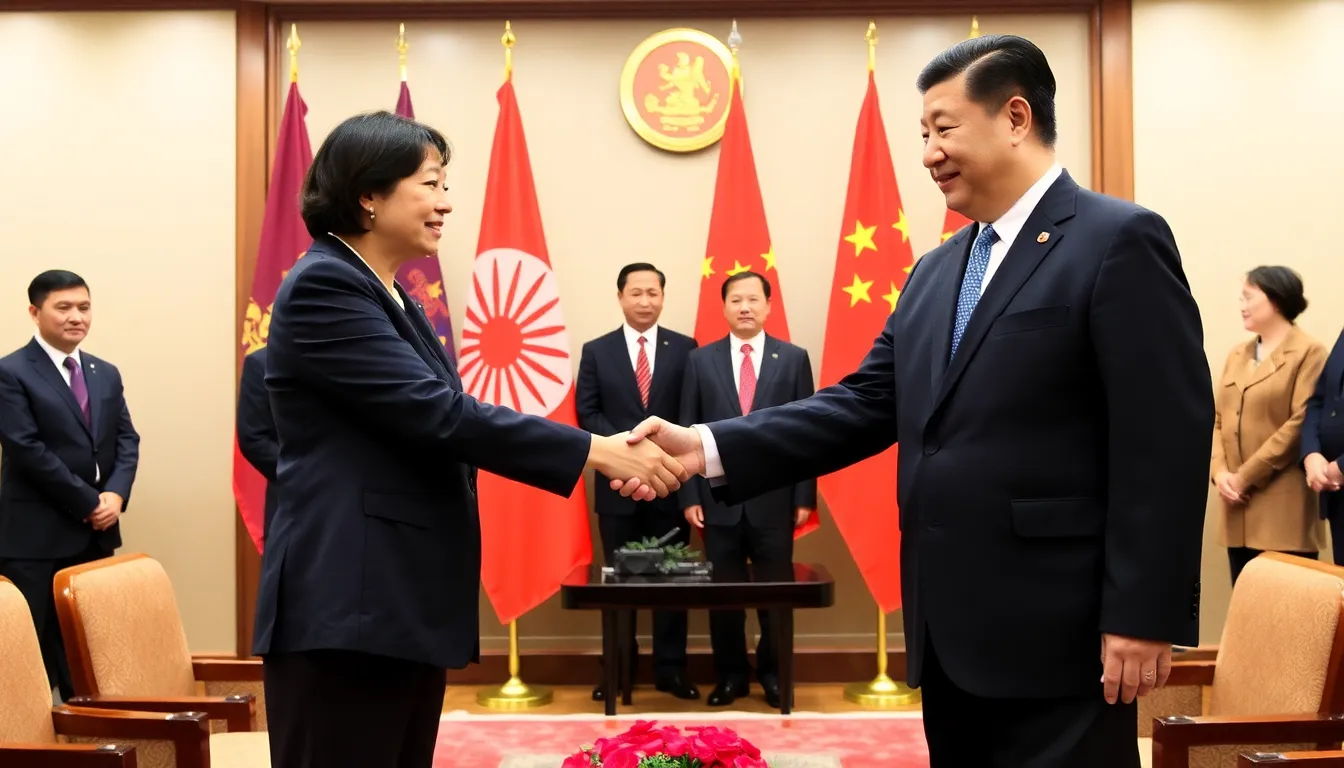
The recent meeting between Taiwan’s opposition leader and Xi Jinping in Beijing has drawn significant attention from various stakeholders. The primary actors in this scenario include the Taiwanese opposition party, the Chinese government, and the Taiwanese electorate. Each of these groups has distinct interests that shape their perspectives on the meeting and its implications for cross-strait relations.
For the Taiwanese opposition leader, engaging with Xi Jinping represents an opportunity to foster dialogue and potentially ease tensions between Taiwan and China. This leader’s party may advocate for a more conciliatory approach towards Beijing, aiming to attract voters who favor stability and economic cooperation. However, this stance may conflict with the interests of pro-independence groups within Taiwan, who view any engagement with China as a threat to Taiwan’s sovereignty.
The Chinese government, on the other hand, seeks to reinforce its claims over Taiwan and promote the idea of reunification. This meeting serves as a platform for Xi Jinping to project a narrative of unity and strength, both domestically and internationally. However, the Chinese leadership must navigate the delicate balance of appearing accommodating without undermining its core stance on Taiwan’s status.
- Economic interests: The potential for increased trade and investment between Taiwan and China could be a significant point of discussion, impacting both economies.
- Legal implications: Any agreements or discussions may raise legal questions regarding Taiwan’s autonomy and the implications of closer ties.
- Public sentiment: The reaction of the Taiwanese public to this meeting could influence future electoral outcomes and party dynamics.
- International relations: The meeting may affect Taiwan’s relationships with other countries, particularly the United States, which has a vested interest in Taiwan’s security.
In summary, the meeting between Taiwan’s opposition leader and Xi Jinping encapsulates a complex web of interests and issues that extend beyond the immediate political landscape. Understanding these dynamics is crucial for assessing the potential outcomes of this high-profile engagement.
Potential impacts on Taiwan’s political landscape and international relations
The meeting between Taiwan’s opposition leader and Xi Jinping in Beijing has significant implications for various groups, industries, and regions. This high-profile encounter is likely to influence not only Taiwan’s domestic politics but also its international standing and relationships with major global powers.
In the short term, the meeting may lead to shifts in public opinion among Taiwanese citizens, particularly among those who support closer ties with China. The opposition party could gain momentum, potentially altering the political landscape ahead of upcoming elections. As a result, businesses that rely on cross-strait trade may see immediate fluctuations in stock prices and market confidence.
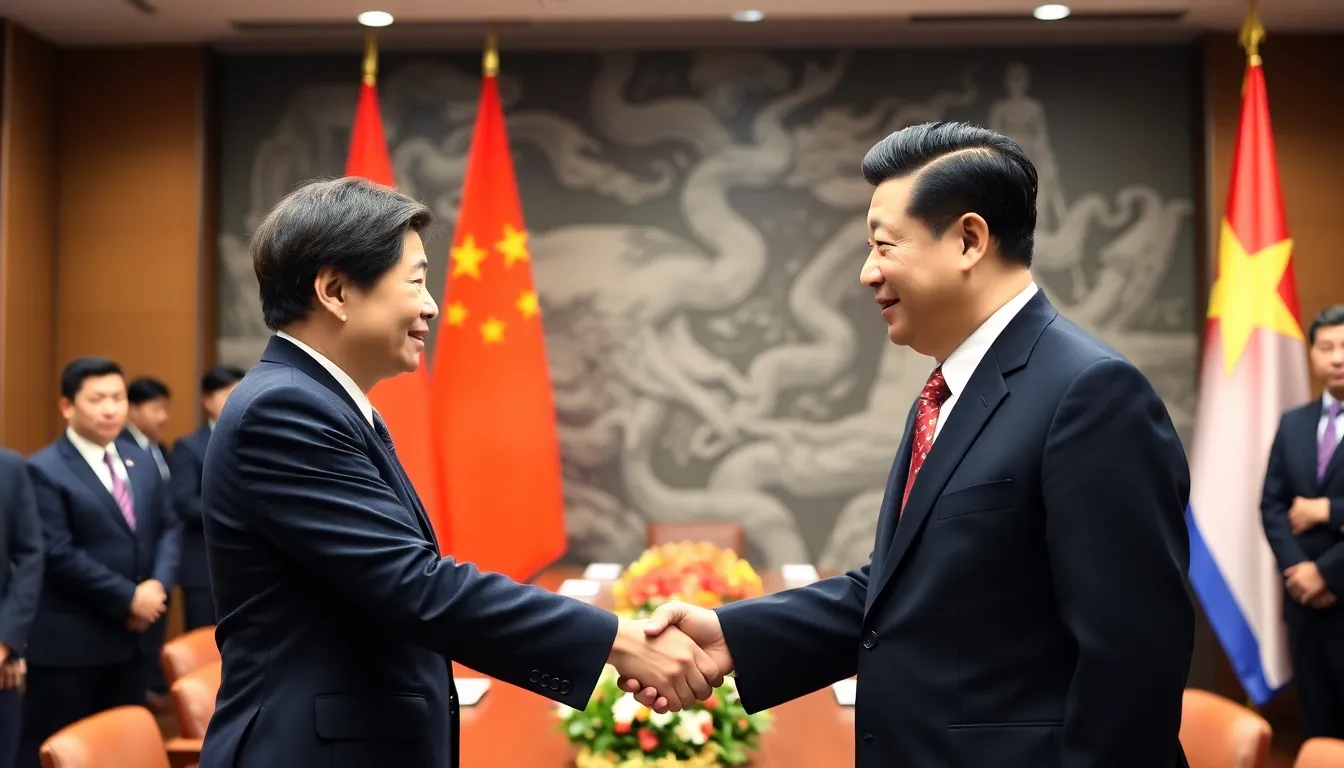
Mid-term impacts could include changes in policy direction, especially if the opposition party gains power. This might result in a more conciliatory approach towards Beijing, affecting industries such as technology, manufacturing, and tourism. However, it also poses risks, as a perceived shift towards China could alienate pro-independence voters and lead to increased tensions with the United States and other allies.
- Risks: Potential backlash from pro-independence factions, increased geopolitical tensions.
- Opportunities: Strengthened economic ties with China, potential for increased investment.
- Impacts on daily life: Changes in consumer sentiment, adjustments in business strategies.
Regions heavily reliant on trade with China, such as the manufacturing hubs in central Taiwan, may experience both opportunities for growth and challenges related to political instability. The overall sentiment in the Asia-Pacific region could also be affected, as neighboring countries monitor Taiwan’s evolving relationship with China and adjust their own diplomatic strategies accordingly.
A: The meeting aimed to discuss cross-strait relations and explore potential avenues for dialogue between Taiwan and China. A: Public reaction has been mixed, with some supporting the initiative for dialogue while others express concerns about Taiwan’s sovereignty. A: The meeting may pressure the current government to reconsider its stance on relations with China, especially in light of upcoming elections. A: It could potentially impact Taiwan’s relationships with its allies, as they may reassess their support based on Taiwan’s engagement with China. A: Historical tensions stem from the Chinese Civil War, leading to Taiwan’s separate governance and ongoing disputes over sovereignty.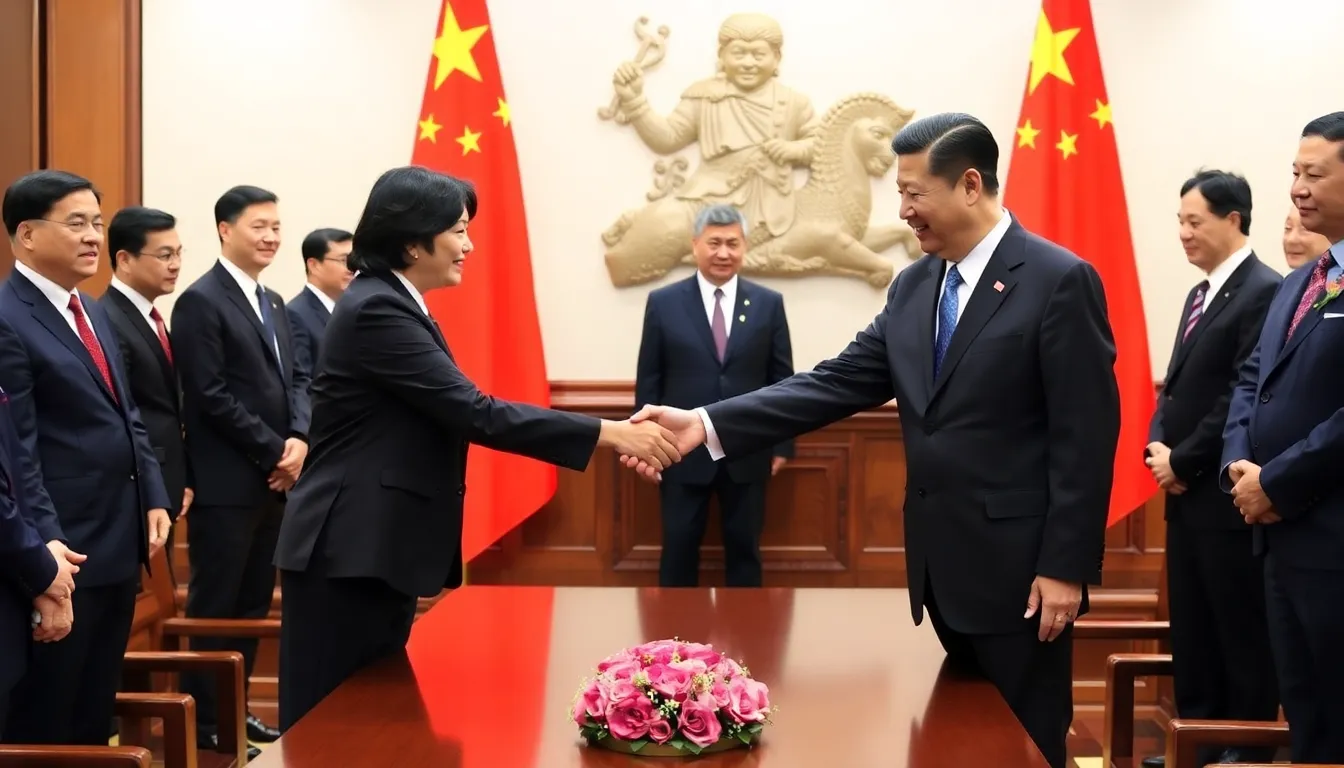
Frequently asked questions about the meeting
Key takeaways and future outlook on Taiwan-China relations
The recent meeting between Taiwan’s opposition leader and Xi Jinping in Beijing marks a significant moment in cross-strait relations. This encounter may signal a shift in Taiwan’s political landscape, especially as the opposition party seeks to foster closer ties with China amid rising tensions. Observers will be keen to see how this meeting influences public sentiment in Taiwan and the broader geopolitical dynamics in the region.
As both sides navigate this complex relationship, several practical insights emerge. The implications of this meeting could reshape Taiwan’s future interactions with China and impact international responses to cross-strait issues.
- The potential for increased dialogue between Taiwan and China, which may lead to reduced tensions in the short term.
- Monitoring shifts in public opinion in Taiwan regarding relations with China, particularly as elections approach.
- The likelihood of the opposition party gaining momentum, potentially altering Taiwan’s current stance towards China.
- International reactions, especially from the United States and regional allies, as they assess the implications of closer Taiwan-China ties.