
The government has played a crucial role in this transformation by implementing policies that encourage innovation and infrastructure development. Initiatives launched in early 2023 aim to create smart cities that integrate AI into everyday life, enhancing the quality of living for residents. As a result, luxury housing developments are emerging, catering to a growing affluent population.
This shift is reshaping the economic landscape, positioning Taiwan as a competitive player in the global luxury market.
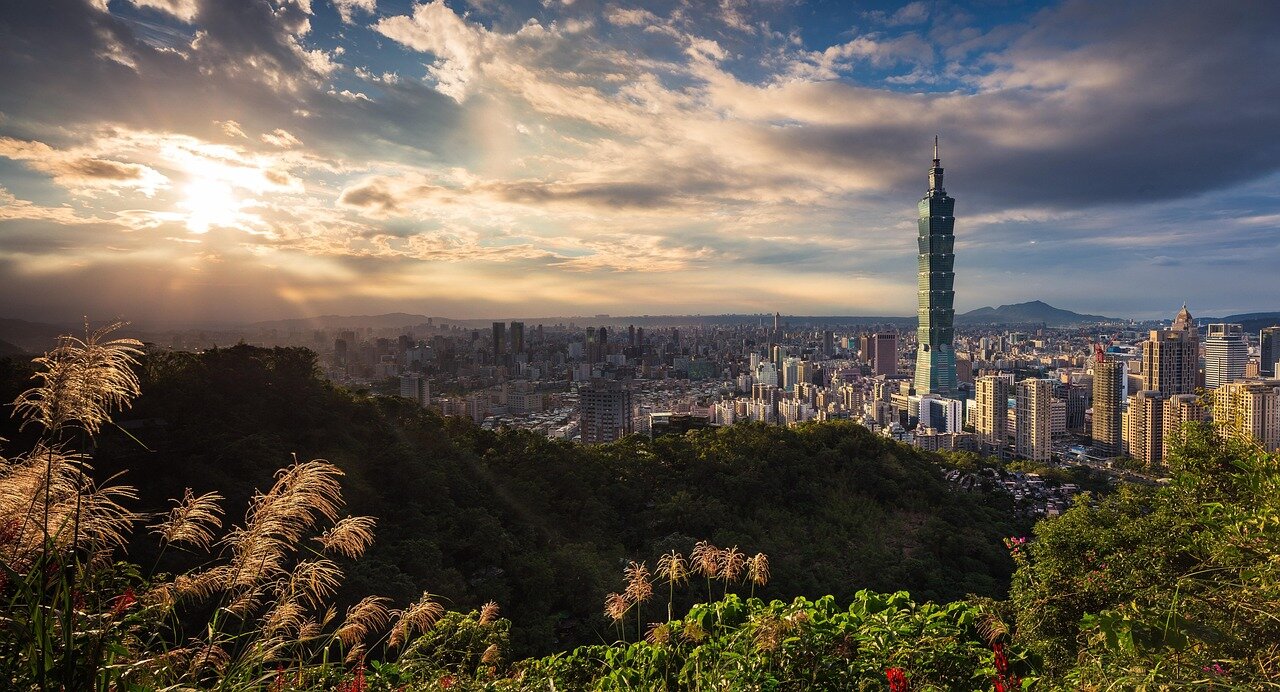
As of late 2023, the transformation is evident in cities like Taipei and Hsinchu, where upscale neighborhoods are becoming synonymous with technological innovation and luxury living. The convergence of AI and urban development is not only creating new opportunities but also raising questions about sustainability and social equity in these rapidly evolving environments.
The Background of Taiwan’s A.I. Innovations
Taiwan has long been recognized as a global leader in technology and manufacturing, particularly in the semiconductor industry. The island’s strategic investments in research and development have paved the way for its current status as a hub for artificial intelligence (A.I.) innovation. This transformation can be traced back to the late 20th century, when Taiwan began to pivot from traditional manufacturing to high-tech industries, fostering an environment conducive to technological advancement.
As a result, Taiwan became home to numerous start-ups and established companies specializing in A.I. technologies, leading to a burgeoning ecosystem that supports innovation and collaboration.
Key milestones in Taiwan’s A.I. journey include the establishment of the Taiwan A.I. Labs in 2017, which was founded by prominent figures in the tech industry with the goal of advancing A.I. research and applications. This initiative was complemented by Taiwan’s active participation in international A.I. forums and collaborations, further enhancing its reputation on the global stage. The government’s commitment to fostering a favorable regulatory environment has also played a crucial role in attracting foreign investment and expertise.
The Economic Impact of A.I. Development
making it an attractive destination for investment and innovation, further solidifying its role after Taiwan’s A.I. boom.

Key Stakeholders and Issues in the Development
The emergence of a luxury city driven by Taiwan’s A.I. boom involves a diverse array of stakeholders, each with unique interests and objectives. Key players include the Taiwanese government, tech companies, investors, and local communities. These stakeholders must navigate a complex landscape of economic opportunities and potential conflicts as they work towards a shared vision of urban development.
The Taiwanese government is a primary actor, aiming to position the country as a global leader in technology and innovation. By promoting A.I. initiatives and smart city projects, the government seeks to attract foreign investment and enhance the overall economy. However, this ambition may clash with environmental concerns and the need for sustainable development, raising questions about regulatory frameworks and urban planning.
Tech companies, particularly those involved in A.I. and real estate, are also crucial stakeholders. Their interests lie in capitalizing on the growing demand for luxury living spaces integrated with advanced technologies. Yet, the rapid pace of development may lead to gentrification, displacing local residents and altering the socio-economic fabric of the area. This creates a tension between profit motives and community welfare.
- Economic Growth vs. Environmental Sustainability: Balancing rapid urbanization with the need to protect natural resources.
- Innovation vs. Community Impact: Ensuring that technological advancements benefit all residents rather than exacerbate inequality.
- Investment vs. Local Needs: Addressing the potential for foreign investments to overshadow the needs of local communities.
Moreover, the involvement of international investors brings additional complexity to the situation. While their capital can fuel development, it may also lead to conflicts over land use and local governance. The challenge lies in creating a framework that allows for profitable ventures while safeguarding the interests of existing residents.

Impact on Residents and the Global Market
The emergence of a luxury city driven by Taiwan’s A.I. boom is set to influence various groups, including local residents, tech industries, and international investors. As the city develops, its residents will experience both the benefits and challenges associated with rapid technological advancement and urban transformation.
In the short term, residents may see an increase in job opportunities within the tech sector, particularly in A.I. development, data analysis, and smart city management. However, this growth could also lead to rising living costs, as demand for housing and services escalates. Local businesses may benefit from increased foot traffic and investment but could also face competition from larger tech firms entering the market.
In the mid-term, policy changes may emerge as the government seeks to regulate the new economy. This could include adjustments in taxation, zoning laws, and labor regulations aimed at balancing growth with quality of life. Residents may find themselves advocating for sustainable practices and equitable resource distribution as the city evolves.
Key impacts include:
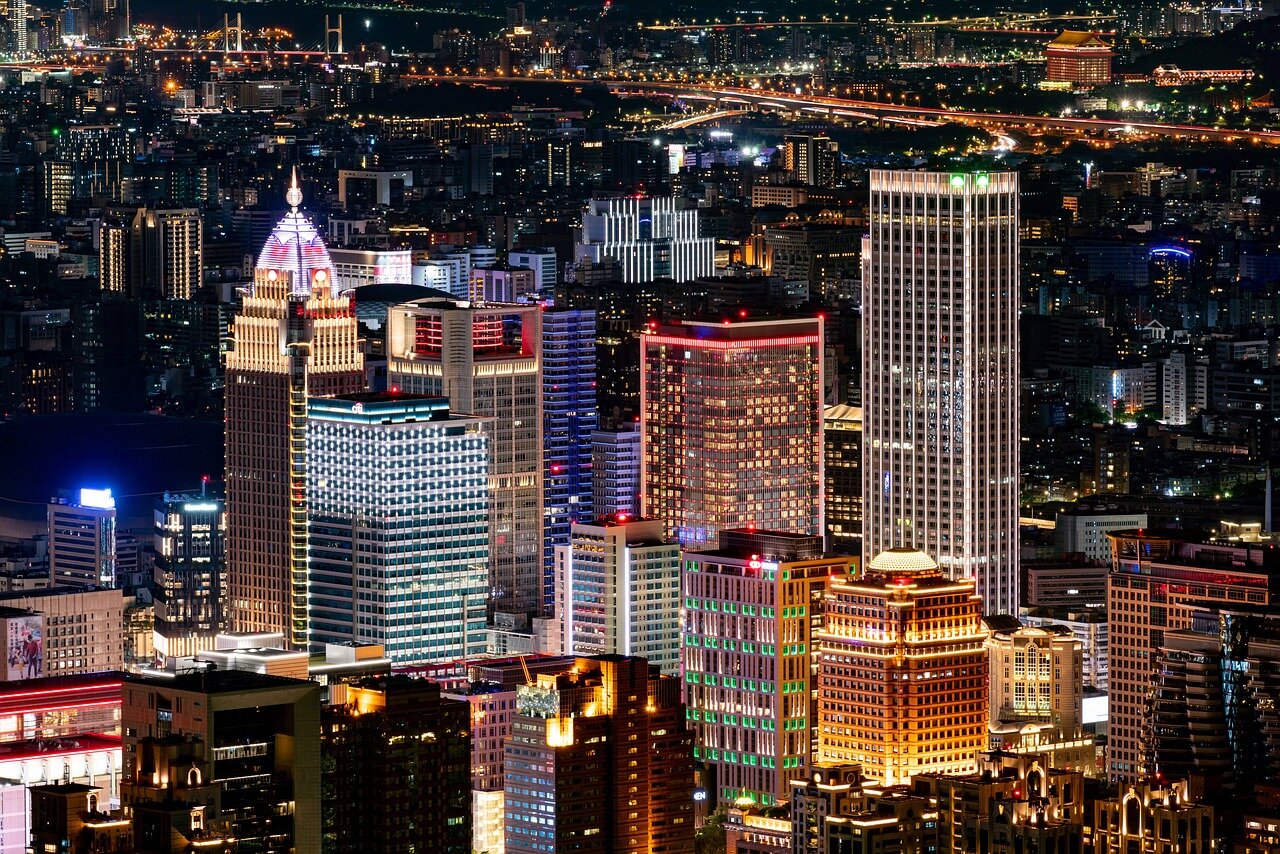
- Economic Growth: Increased job opportunities in tech and related sectors.
- Rising Costs: Potential increases in housing and living expenses.
- Policy Changes: New regulations affecting business operations and urban planning.
- Investment Opportunities: Attracting global investors looking to capitalize on A.I. advancements.
While the luxury city presents opportunities for innovation and economic development, it also carries risks such as social inequality and environmental concerns. Stakeholders must navigate these challenges to ensure a balanced and sustainable future for both residents and the wider market.
A: The luxury city is a new urban development in Taiwan that leverages artificial intelligence technologies to enhance living standards and create a high-end lifestyle. A: A.I. is being used in various sectors such as urban planning, transportation, and smart home technologies, making the city more efficient and attractive to residents. A: The project is backed by both government initiatives and private tech companies, aiming to position Taiwan as a leader in A.I.-driven urban development. A: Residents can expect improved quality of life through advanced infrastructure, enhanced public services, and a vibrant community driven by innovation. A: Yes, challenges include ensuring sustainability, managing costs, and addressing potential social inequalities that may arise from rapid development.
Frequently Asked Questions about the Luxury City
Future Outlook and Key Takeaways
The emergence of a luxury city driven by Taiwan’s A.I. boom marks a significant shift in urban development and economic strategy. This transformation highlights the potential for technology to redefine not only industries but also the lifestyle and infrastructure of urban environments. As A.I. continues to evolve, its integration into luxury living will likely set a precedent for other regions seeking to capitalize on technological advancements.
Investors and policymakers should closely monitor the developments in this luxury city, as it serves as a case study for the intersection of technology, real estate, and consumer behavior. The implications for job creation, economic growth, and urban planning are profound, suggesting that Taiwan’s model may inspire similar initiatives globally.
- Innovation Hubs: Watch for the establishment of additional innovation hubs that leverage A.I. technologies to enhance urban living.
- Investment Opportunities: Consider the potential for investment in real estate and technology sectors that cater to luxury markets driven by A.I.
- Policy Adaptation: Observe how local governments adapt policies to support sustainable growth and infrastructure development in tech-centric cities.
- Consumer Trends: Pay attention to evolving consumer preferences as luxury lifestyles increasingly integrate smart technologies.
- Global Influence: Anticipate the influence of Taiwan’s luxury city model on other countries aiming to foster similar economic ecosystems.