
Asghar Farhadi, an Iranian director known for his poignant storytelling, returns with a film that is expected to resonate deeply with audiences. Meanwhile, Russian filmmaker Andrey Zvyagintsev, celebrated for his thought-provoking narratives, presents his latest work, which critiques contemporary societal issues. Both directors have previously garnered acclaim at major film festivals, making their participation in Sydney a highly anticipated aspect of the event. Their remarkable works can also be seen at events such as the Belfast’s Lyric Theatre anniversary celebration.
Japanese director Kore-eda Hirokazu, renowned for his exploration of family dynamics, brings a fresh perspective to the competition, while Romanian filmmaker Cristian Mungiu, known for his impactful storytelling, adds depth to the lineup. The inclusion of these directors not only highlights the festival’s commitment to showcasing diverse global voices but also underscores the continued relevance of their themes in today’s cinematic landscape.
The Sydney Film Festival, running from June 7 to June 18, 2023, serves as a platform for both established and emerging talent in the film industry. With its focus on quality storytelling and artistic innovation, the festival is poised to attract significant attention, providing a vital space for dialogue around contemporary issues reflected in the selected films.
Understanding the significance of the Sydney Film Festival and its connection to Cannes
The Sydney Film Festival (SFF) has long been a pivotal platform for showcasing international cinema, offering a stage for filmmakers from diverse backgrounds to present their work. Established in 1954, the festival has evolved into one of Australia’s premier cultural events, attracting filmmakers, critics, and cinephiles alike. Its connection to the prestigious Cannes Film Festival is particularly noteworthy, as many films that premiere in Sydney have previously garnered attention in Cannes, creating a dialogue between the two festivals that enriches the cinematic landscape. This inter-festival relationship echoes themes explored in events like the Alternativa Film Festival.
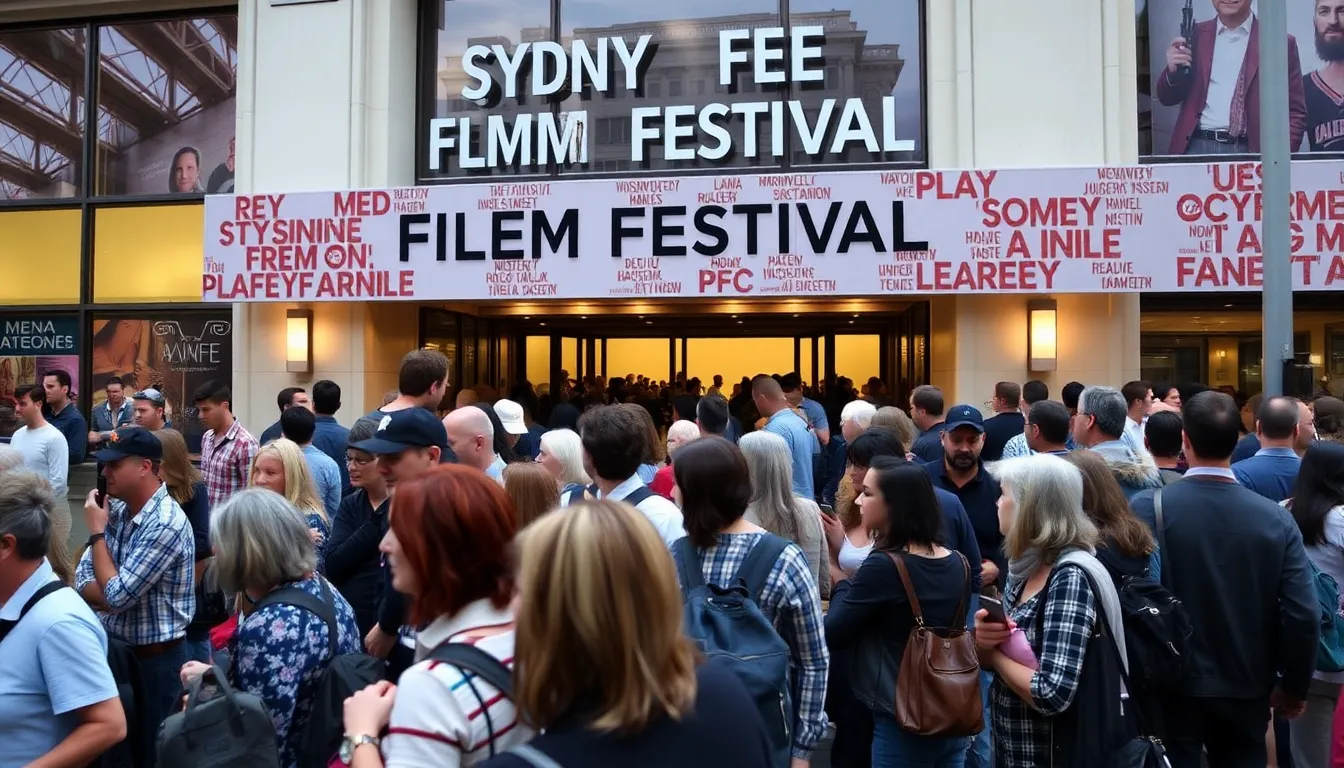
The inclusion of renowned directors such as Asghar Farhadi, Andrey Zvyagintsev, Kore-eda Hirokazu, and Cristian Mungiu in this year’s competition highlights SFF’s commitment to featuring acclaimed global voices. Each of these filmmakers has made a significant mark on the film industry, often using their work to explore complex social and political themes. Their participation not only elevates the festival’s profile but also encourages discussions around pressing issues, reflecting the broader societal contexts from which their films emerge.
Historically, the SFF has served as a barometer for the global film industry, showcasing trends and shifts in storytelling. The festival’s programming choices often mirror the evolving landscape of cinema, influenced by international events, cultural movements, and audience preferences. The presence of 19 films from Cannes this year signifies a growing trend where festivals collaborate and share cinematic experiences, allowing audiences to engage with a wider array of narratives that may otherwise be overlooked.
The Impact of Global Events on Film Selection
In recent years, global events such as political upheavals, social justice movements, and economic challenges have significantly influenced film narratives. Directors like Farhadi and Zvyagintsev often draw inspiration from their respective countries’ socio-political climates, using their films as a lens to critique and reflect on the human condition. By featuring these filmmakers, the SFF not only showcases artistic excellence but also fosters a deeper understanding of the issues that shape our world today.
Exploring the impact of Asghar Farhadi, Andrey Zvyagintsev, Kore-eda Hirokazu, and Cristian Mungiu on global cinema
The participation of renowned filmmakers Asghar Farhadi, Andrey Zvyagintsev, Kore-eda Hirokazu, and Cristian Mungiu in the Sydney Film Festival highlights the ongoing influence of international cinema on cultural discourse. Each director brings a unique perspective shaped by their cultural backgrounds, which resonates with diverse audiences. Their films often tackle complex social issues, making them significant players in the global cinematic landscape.
Key stakeholders in this context include the filmmakers themselves, film festival organizers, audiences, and the broader film industry, including distributors and critics. The interests of these groups can vary widely. For instance, filmmakers seek recognition and distribution for their work, while festival organizers aim to curate a program that attracts viewers and enhances the festival’s reputation. Audiences, on the other hand, are looking for engaging narratives that reflect their own experiences or broaden their understanding of different cultures.
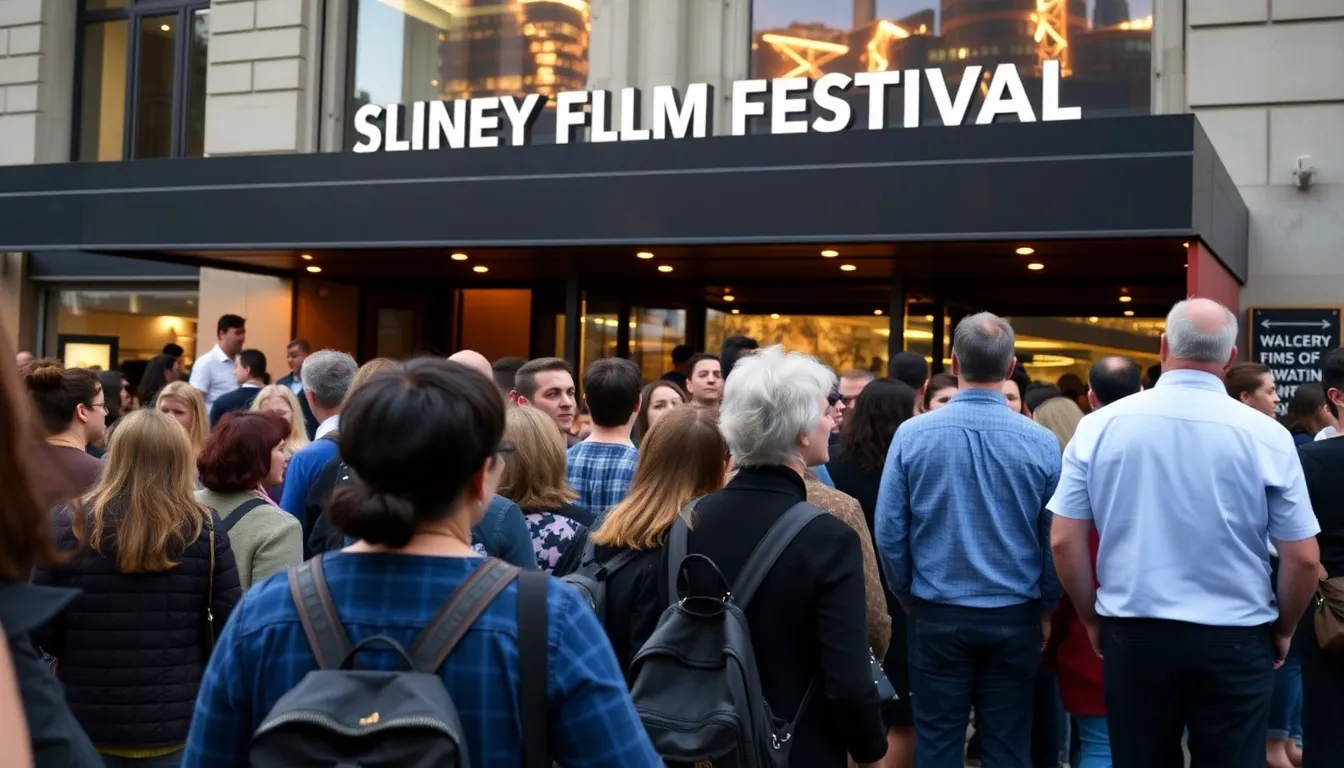
However, the competition for attention at film festivals can lead to conflicts. Filmmakers may vie for limited awards and recognition, which can create tension among peers. Additionally, economic factors play a crucial role; funding for independent films can be scarce, and success at festivals can significantly impact a film’s distribution and financial viability.
- Recognition and Awards: The pursuit of accolades can lead to intense competition among filmmakers.
- Cultural Representation: Each director’s unique narrative style contributes to a broader understanding of global issues.
- Economic Pressures: The financial success of films can influence creative decisions and distribution opportunities.
- Audience Engagement: The festival serves as a platform for filmmakers to connect with audiences and critics alike.
Furthermore, the inclusion of films from Cannes in the Sydney Film Festival program underscores the interconnectedness of international film festivals. It provides a platform for cross-cultural dialogue and showcases the evolving landscape of cinema, where stories from various regions can challenge dominant narratives and enrich the global cultural tapestry. This is similar to the vibrant discussions sparked at the Alternativa Film Festival, promoting diverse narratives.
The festival’s influence on audiences and the film industry
The inclusion of renowned directors such as Asghar Farhadi, Andrey Zvyagintsev, Kore-eda Hirokazu, and Cristian Mungiu in the Sydney Film Festival highlights the festival’s significant role in shaping cultural conversations and audience engagement. These filmmakers are known for their unique storytelling techniques and profound themes, which resonate with diverse audiences. The festival serves as a platform for their works, thus directly affecting film enthusiasts, critics, and industry professionals alike.
In the short term, audiences attending the festival will experience a rich array of cinematic narratives that challenge societal norms and provoke thought. This exposure not only enhances cultural appreciation but also encourages discussions around the themes presented in these films. For the film industry, the festival provides an opportunity for networking and collaboration among filmmakers, distributors, and investors, potentially leading to new projects and partnerships.
From a business perspective, the festival can stimulate local economies, particularly in the hospitality and tourism sectors. Increased attendance leads to higher demand for accommodations, dining, and related services. However, the influx of visitors may also strain local resources and infrastructure, necessitating careful management by city officials and event organizers.
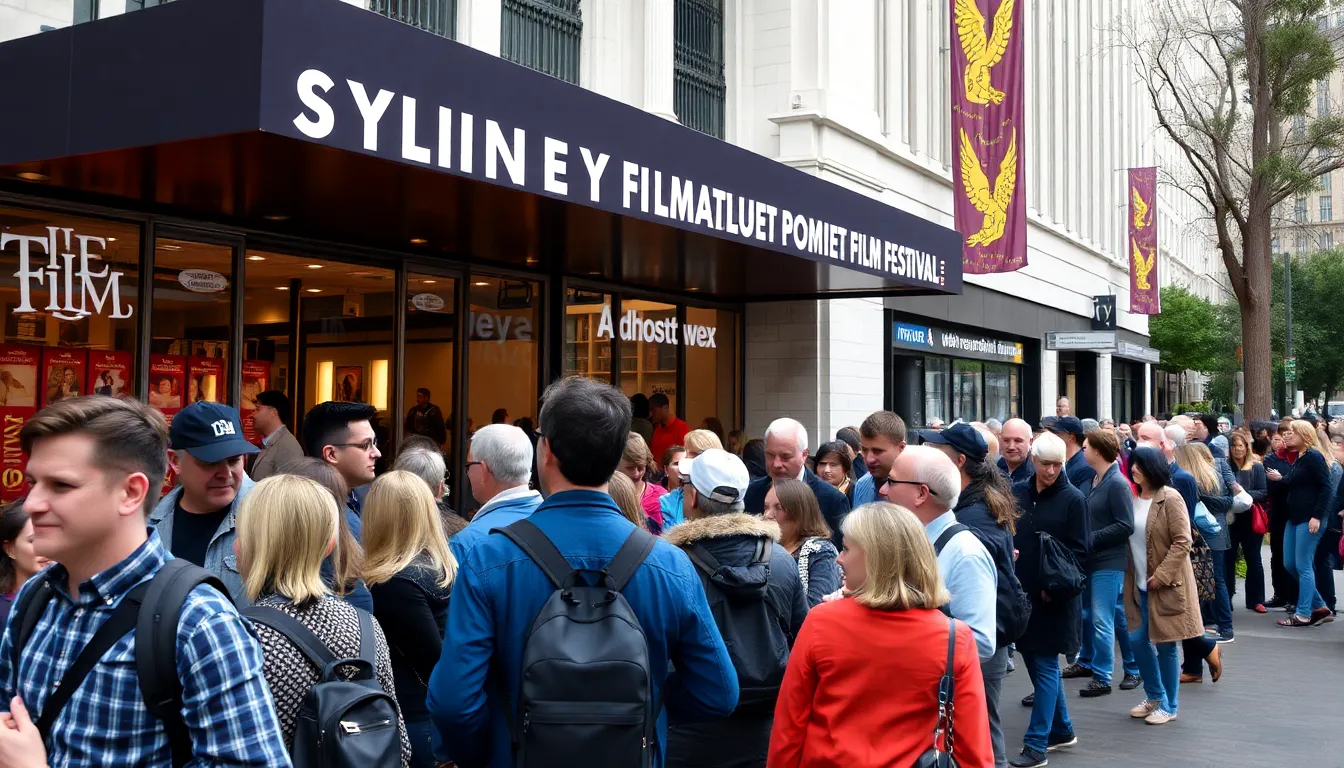
- Short-term impacts: Increased cultural engagement and economic boost to local businesses.
- Mid-term impacts: Potential for new film projects and collaborations, along with ongoing discussions about the themes presented.
- Risks: Strain on local infrastructure and resources due to high visitor numbers.
- Opportunities: Enhanced visibility for emerging filmmakers and potential for international distribution deals.
Overall, the Sydney Film Festival acts as a catalyst for artistic expression and economic activity, influencing a wide range of stakeholders in the film industry and beyond. The presence of acclaimed directors adds prestige to the event, drawing attention from global audiences and reinforcing Sydney’s position as a key player in the international film landscape.
A: The festival showcases 19 films that premiered at Cannes, including works by notable directors such as Asghar Farhadi and Andrey Zvyagintsev. A: The festival is scheduled to run from June 7 to June 18, 2023, offering a rich program of screenings and events. A: Tickets can be purchased through the official Sydney Film Festival website, where you can find information on screenings and pricing. A: Yes, the festival includes various panels and discussions featuring filmmakers and industry experts, providing insights into the films and the filmmaking process. A: The festival often hosts Q&A sessions after screenings, allowing audiences to engage directly with filmmakers and discuss their work.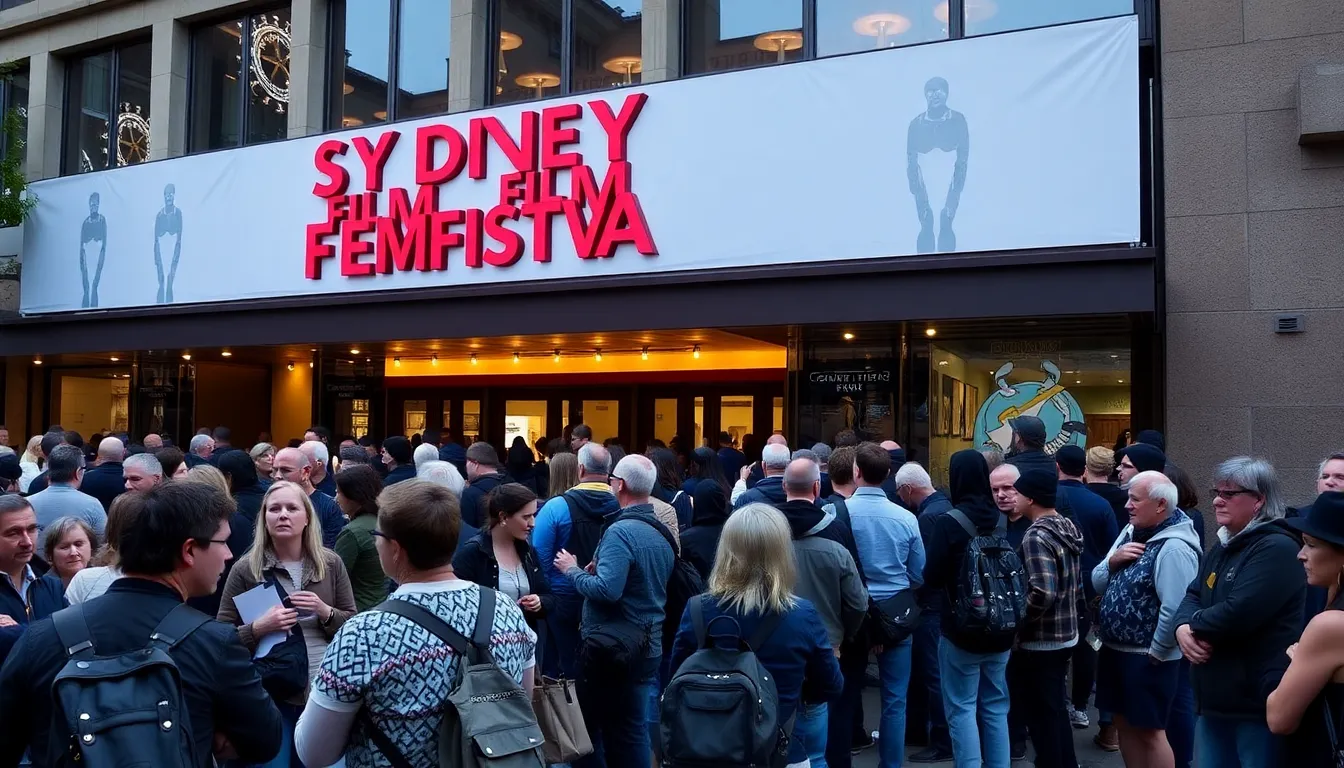
Frequently Asked Questions about the Sydney Film Festival
Key takeaways and future outlook for the festival
The inclusion of renowned directors such as Asghar Farhadi, Andrey Zvyagintsev, Kore-eda Hirokazu, and Cristian Mungiu in the Sydney Film Festival highlights the festival’s commitment to showcasing diverse and impactful storytelling. Each of these filmmakers brings a unique perspective to contemporary issues, ensuring that the festival remains a vital platform for artistic expression and cultural dialogue. As the festival unfolds, it will be essential to observe how these films resonate with audiences and contribute to broader conversations in cinema.
Furthermore, the presence of 19 films from Cannes suggests a strong alignment with global cinematic trends, presenting opportunities for local filmmakers to engage with international standards. This year’s lineup could set the stage for future collaborations and inspire emerging talents within the Australian film industry.
- Watch for audience reactions to the films, which may influence future festival programming and selections.
- Consider the potential for increased international collaborations among filmmakers showcased at the festival.
- Monitor discussions around the themes presented in the films, as they may reflect or challenge current societal issues.
- Keep an eye on emerging Australian filmmakers who may draw inspiration from the established directors featured this year.
- Evaluate the impact of the festival’s programming choices on local cinema and its representation on global platforms.