
The decision to shut down stores comes as a response to safety concerns amid the large gatherings. Swatch aims to ensure the well-being of both customers and employees while managing the influx of demand for the limited-edition timepiece. Reports indicate that some locations experienced crowd sizes that exceeded safe limits, prompting immediate action from the company.
In addition to store closures, Swatch has implemented measures to manage the situation, including restricting the number of customers allowed inside at any given time. The brand is also exploring online sales options to accommodate the high demand and reduce physical store traffic. This strategy aims to streamline the purchasing process while maintaining customer safety.
The popularity of the new watch reflects a broader trend in the luxury goods market, where limited releases often generate significant consumer interest. As Swatch navigates this unique challenge, the brand’s response may set a precedent for how retail companies handle similar situations in the future.
Understanding the surge in popularity of Swatch watches
Swatch, the Swiss watchmaker known for its colorful and affordable timepieces, has experienced a remarkable resurgence in popularity in recent years. This revival can be traced back to the brand’s innovative marketing strategies and collaborations with popular artists and designers, which have reinvigorated interest among younger consumers. The recent launch of a limited edition watch has not only captured the attention of collectors but also sparked a frenzy among fans, leading to long queues outside stores.
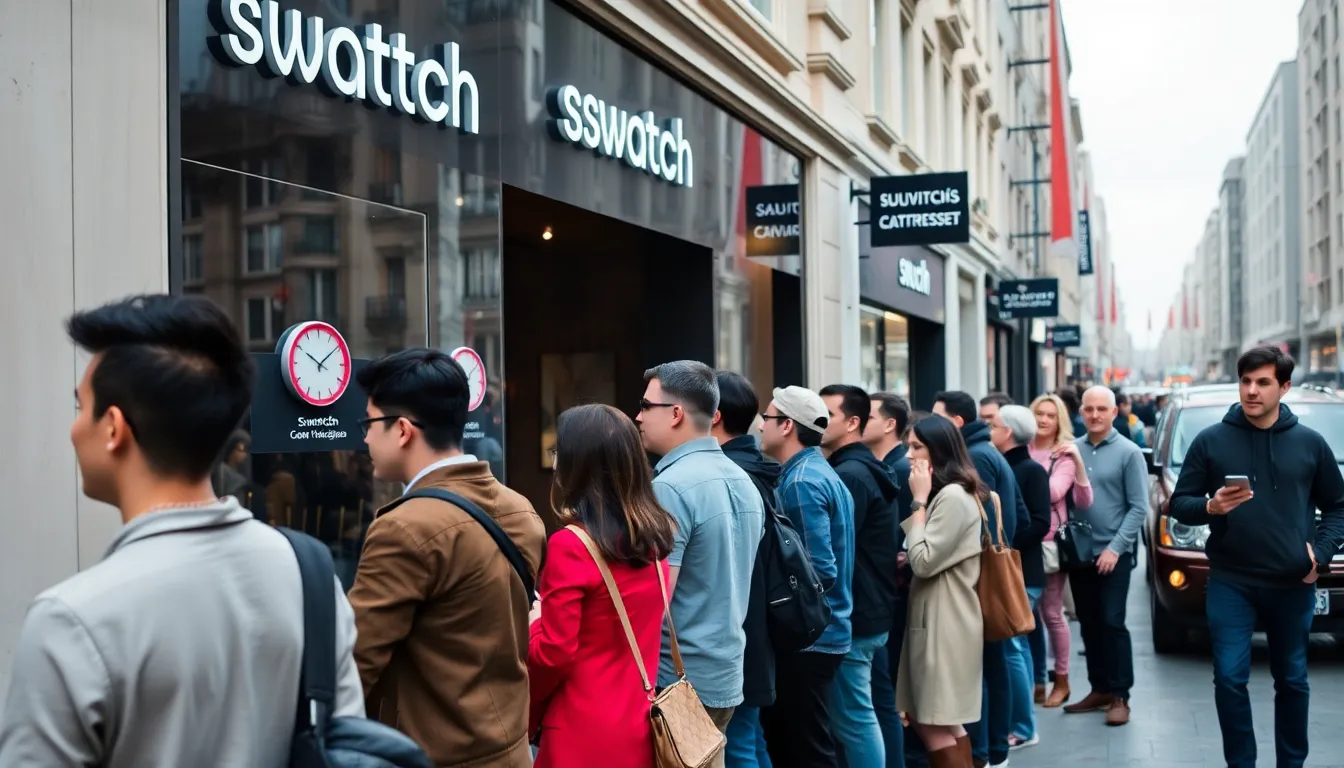
The historical context of Swatch’s rise dates back to the early 1980s when the brand was introduced as a response to the quartz crisis that threatened traditional Swiss watchmaking. By offering stylish and inexpensive watches, Swatch successfully appealed to a broader audience, positioning itself as a fashion statement rather than just a functional accessory. This strategy laid the groundwork for the brand’s enduring popularity and adaptability in the ever-changing fashion landscape, connecting to a time when the market faced various challenges.
The impact of social media and hype culture
In the age of social media, the hype surrounding new product launches has intensified, and Swatch has adeptly leveraged platforms like Instagram and TikTok to create buzz. Influencers and celebrities often showcase their Swatch collections, further driving demand. The recent launch event, which generated significant online chatter, saw fans camping outside stores to be among the first to purchase the new model. This phenomenon reflects a broader trend where consumers are increasingly drawn to exclusive releases, leading to a surge in foot traffic and heightened anticipation.
Furthermore, the economic landscape has played a crucial role in this surge. As consumers seek affordable luxury options amidst rising living costs, brands like Swatch have become attractive alternatives to high-end luxury watchmakers. The combination of affordability, stylish design, and brand nostalgia has positioned Swatch as a desirable choice for both new and returning customers, contributing to the current store closures as the company grapples with overwhelming demand, which reflects a greater trend in the market discussed in previous articles.
Examining the factors behind the crowds and store closures
The recent decision by Swatch to shut down stores following overwhelming crowds for their new watch release highlights a complex interplay of stakeholders and interests. The primary actors include Swatch Group, consumers, retail employees, and local governments. Each party has its own motivations and concerns that influence the situation.
Swatch Group, the parent company, aims to capitalize on the hype surrounding the new watch, which is part of a limited edition series. Their interest lies in maximizing sales while managing brand reputation. However, the surge in customer interest has led to logistical challenges, forcing the company to temporarily close stores to ensure safety and maintain an orderly shopping environment.
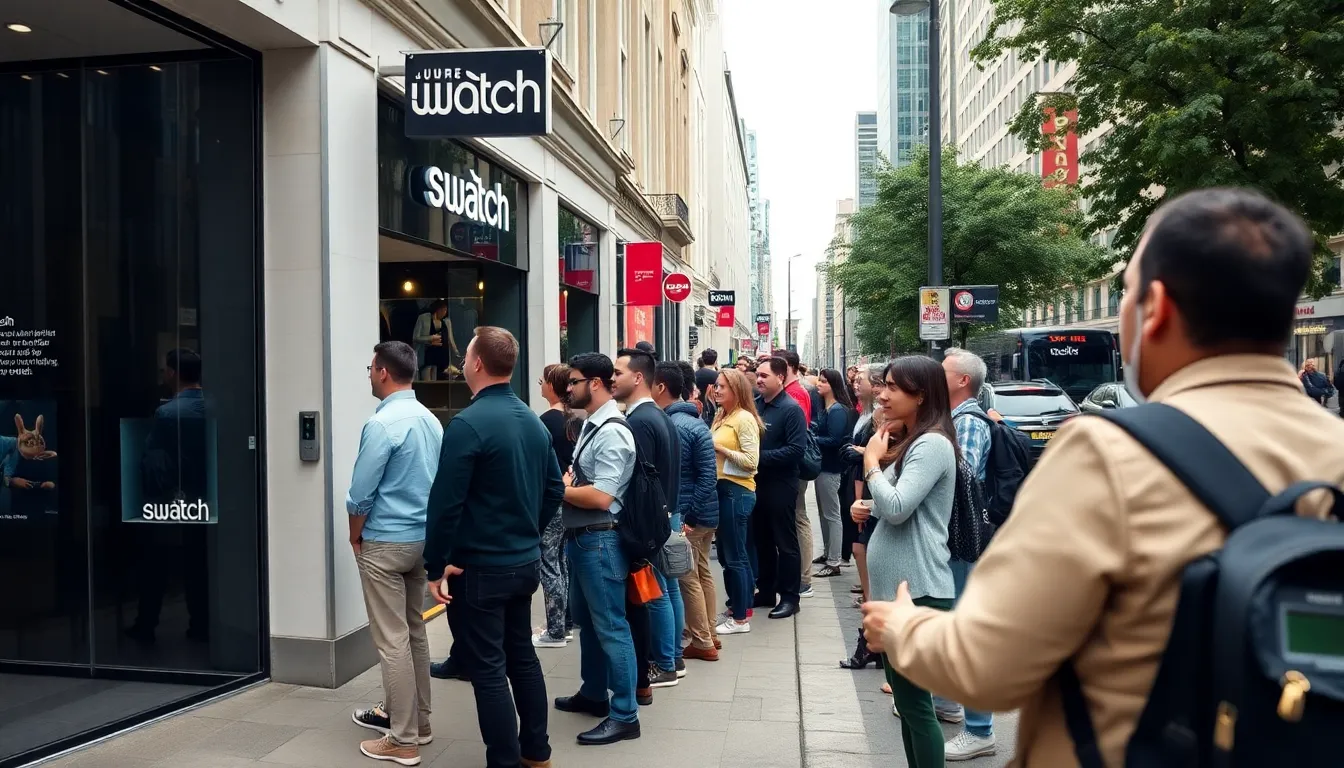
Consumers, particularly collectors and enthusiasts, are eager to purchase the new timepiece, which is perceived as a status symbol and a collectible item. Their enthusiasm can lead to chaotic scenes, as seen in various store locations, raising concerns about safety and accessibility. This creates a conflict between consumer demand and the company’s capacity to meet that demand responsibly.
Retail employees are caught in the middle of this situation. They face increased pressure and potential safety risks during high-traffic periods. Additionally, local governments may become involved if public safety becomes a concern, leading to potential regulatory scrutiny regarding crowd control and store operations.
- Safety Concerns: The influx of customers raises issues related to crowd management and safety protocols.
- Economic Impact: Store closures may affect local economies, particularly in areas reliant on foot traffic.
- Brand Image: How Swatch handles this situation could significantly impact its brand reputation in the long term.
- Consumer Rights: The situation raises questions about consumer access and fairness in product availability.
- Employee Welfare: The safety and well-being of retail staff during peak shopping times is a critical consideration.
Impact on customers and the retail market
The recent decision by Swatch to shut down stores following overwhelming crowds for their new watch release has significant implications for various groups. Primarily, customers eager to purchase the limited-edition timepieces are directly affected, facing frustration and disappointment due to limited access to products. This situation is not only a setback for collectors but also for casual buyers who may have planned their visits around the launch.
Retailers in the luxury and fashion watch sectors may also feel the ripple effects of Swatch’s actions. Competitors could see an increase in foot traffic as frustrated customers seek alternatives, potentially benefiting from Swatch’s misstep. Additionally, the retail market as a whole may experience a temporary shift in consumer behavior, with buyers becoming more cautious or selective in their purchases, impacting sales across the industry.
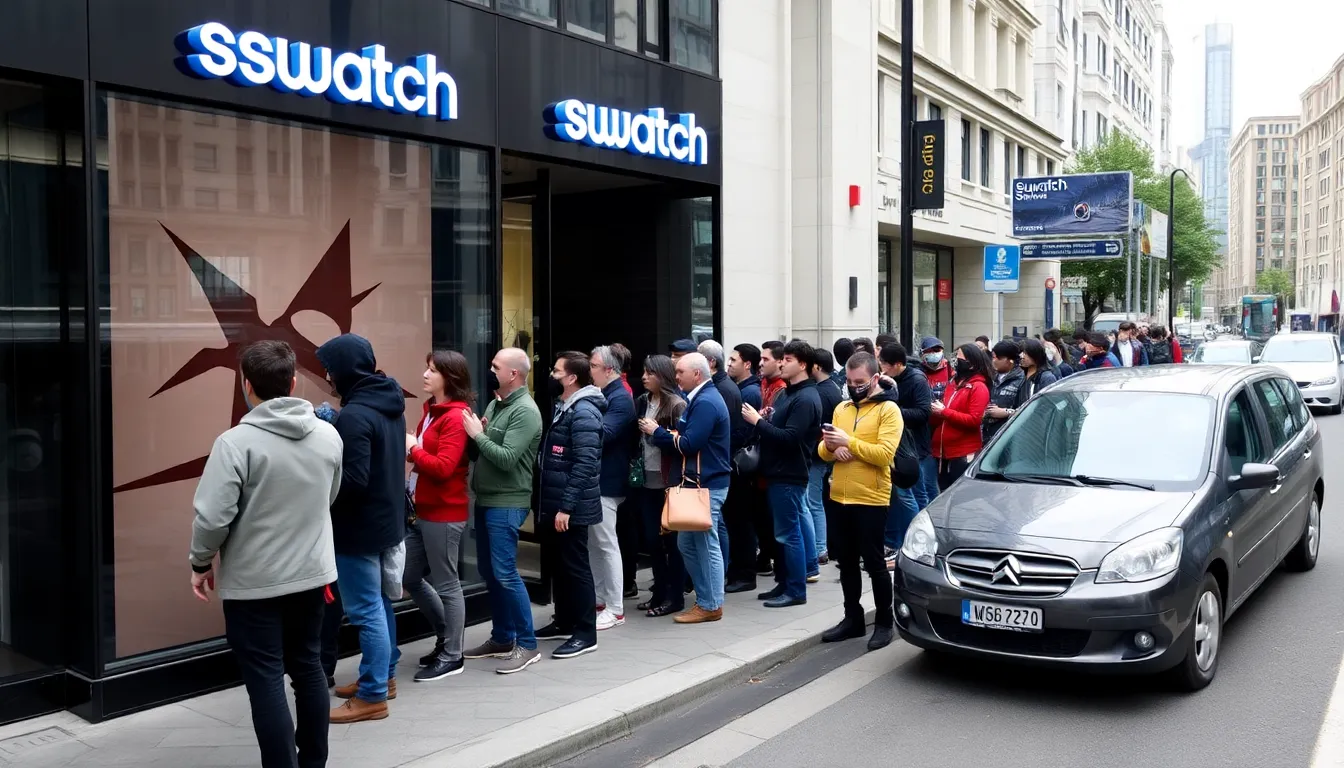
In the short term, businesses in the vicinity of Swatch stores may see an uptick in sales as customers look elsewhere for similar products. However, the mid-term effects could lead to a decline in overall consumer confidence in the brand, prompting Swatch to reevaluate their marketing and distribution strategies. This situation poses risks for Swatch, but it also presents opportunities for other brands to capture market share.
- Increased competition among watch retailers.
- Potential for Swatch to innovate in product distribution and customer engagement.
- Shift in consumer purchasing patterns towards more accessible brands.
Overall, while Swatch’s store closures may initially seem detrimental, they could catalyze broader changes in the retail landscape, prompting both challenges and opportunities for various stakeholders involved.
A: Swatch closed its stores due to overwhelming crowds that formed to buy its new watch, making it difficult to manage customer flow and safety. A: The reopening of the stores will depend on the brand’s assessment of crowd management and safety protocols, with no specific date announced yet. A: The new watch from Swatch features a unique design and limited availability, which has significantly increased consumer interest and demand. A: While exact sales figures are not yet available, the high demand suggests a positive impact on Swatch’s overall sales performance. A: Yes, other watch brands have also seen increased demand, leading to similar crowd management challenges during product launches.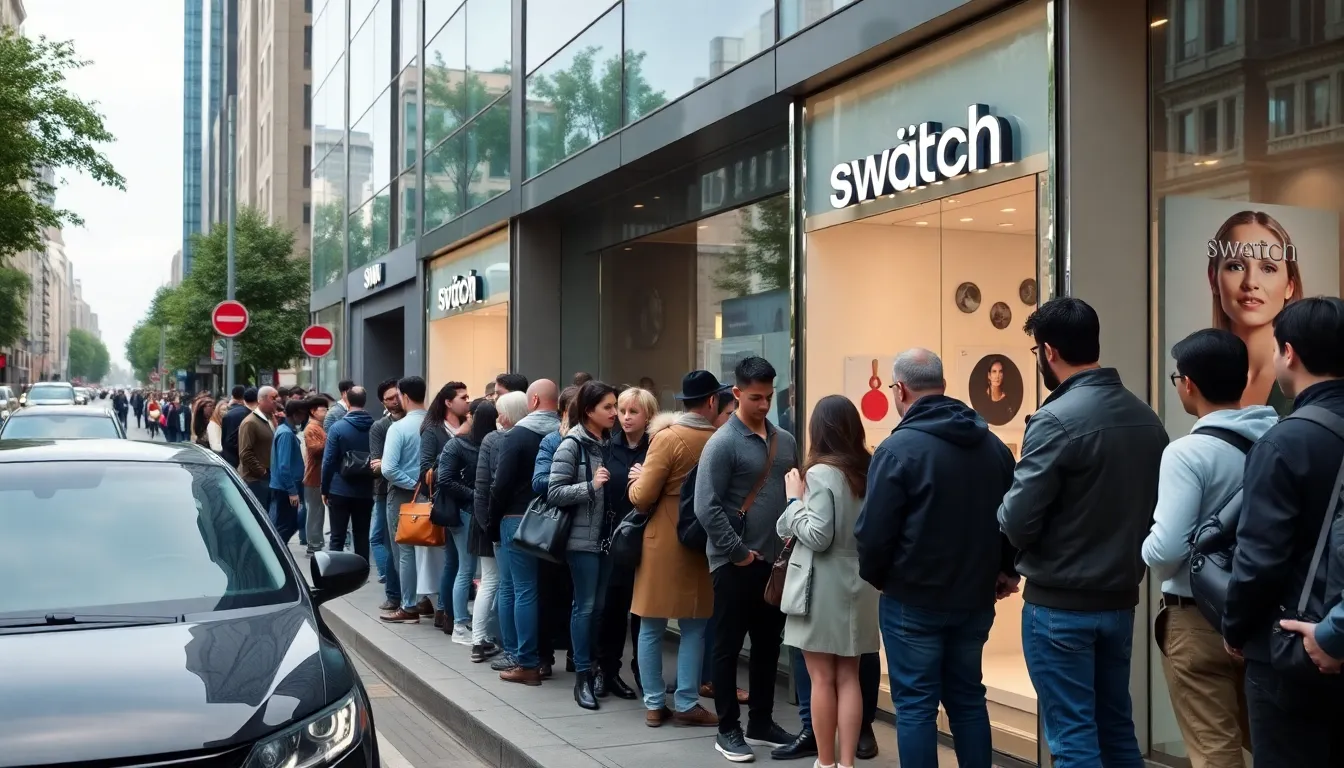
Frequently asked questions about Swatch’s store closures
Key takeaways and future outlook for Swatch
The recent decision by Swatch to temporarily shut down stores in response to overwhelming crowds for its new watch highlights both the brand’s popularity and the challenges of managing high demand. This move not only reflects the excitement surrounding their latest release but also serves as a critical reminder of the need for effective inventory and customer management strategies in the luxury retail sector.
As Swatch navigates this surge in consumer interest, several implications emerge that could shape its future operations and market positioning. The brand’s ability to adapt to consumer behavior and enhance the shopping experience will be crucial in maintaining momentum and fostering brand loyalty.
- Monitor how Swatch addresses supply chain challenges to meet demand without compromising customer experience.
- Watch for potential collaborations or limited editions that could capitalize on the current hype and attract new customers.
- Evaluate the effectiveness of Swatch’s marketing strategies in sustaining interest beyond the initial launch phase.
- Consider the impact of this event on Swatch’s brand image and its positioning within the competitive landscape of luxury watches.