
Carney underscored the importance of collaborative efforts to address these challenges, noting that unilateral actions by nations could exacerbate existing problems. He highlighted the need for a renewed commitment to multilateralism, suggesting that global institutions must adapt to the changing landscape to remain effective. The urgency of this situation is reflected in recent events, including the G20 summit discussions, where leaders struggled to reach consensus on key issues.
Moreover, Carney pointed out that the economic ramifications of a fractured global order are already being felt. Inflation rates are rising in many countries, and supply chain disruptions continue to plague industries worldwide. These economic challenges are intertwined with political instability, making it increasingly difficult for nations to navigate the complexities of the modern world.
As Carney’s insights resonate within the halls of power, they serve as a call to action for policymakers. The need for strategic cooperation and innovative solutions has never been more pressing. With the stakes high, the international community faces a pivotal moment to either reinforce the foundations of global order or risk further decline into fragmentation.
Understanding the global landscape and its challenges
The establishment of the United Nations in 1945 marked a pivotal moment in international relations, aiming to foster cooperation and prevent future conflicts.
This trend has been evident in the United States with the “America First” policy, as well as in Europe, where Brexit has reshaped the dynamics of the European Union.
Additionally, the economic landscape has been transformed by globalization, which, while promoting interdependence, has also led to significant disparities. The 2008 financial crisis exposed vulnerabilities in the global financial system, prompting calls for reform. However, the subsequent recovery has been uneven, with many nations still facing economic challenges, thereby fueling discontent and skepticism towards international institutions.
The impact of geopolitical tensions
Geopolitical tensions have further exacerbated the fragility of the global order. The resurgence of authoritarian regimes, particularly in Russia and China, has challenged the liberal democratic values that underpinned the post-war order. The annexation of Crimea in 2014 and ongoing conflicts in regions like the South China Sea illustrate how power dynamics are shifting, leading to a more fragmented and contentious international environment.
As nations navigate these complexities, the need for a cohesive strategy to address global challengessuch as climate change, pandemics, and economic inequalitybecomes increasingly urgent. The breakdown of established norms and alliances poses risks not only to international stability but also to the collective ability to tackle pressing global issues.
Key stakeholders and the implications of Carney’s statements
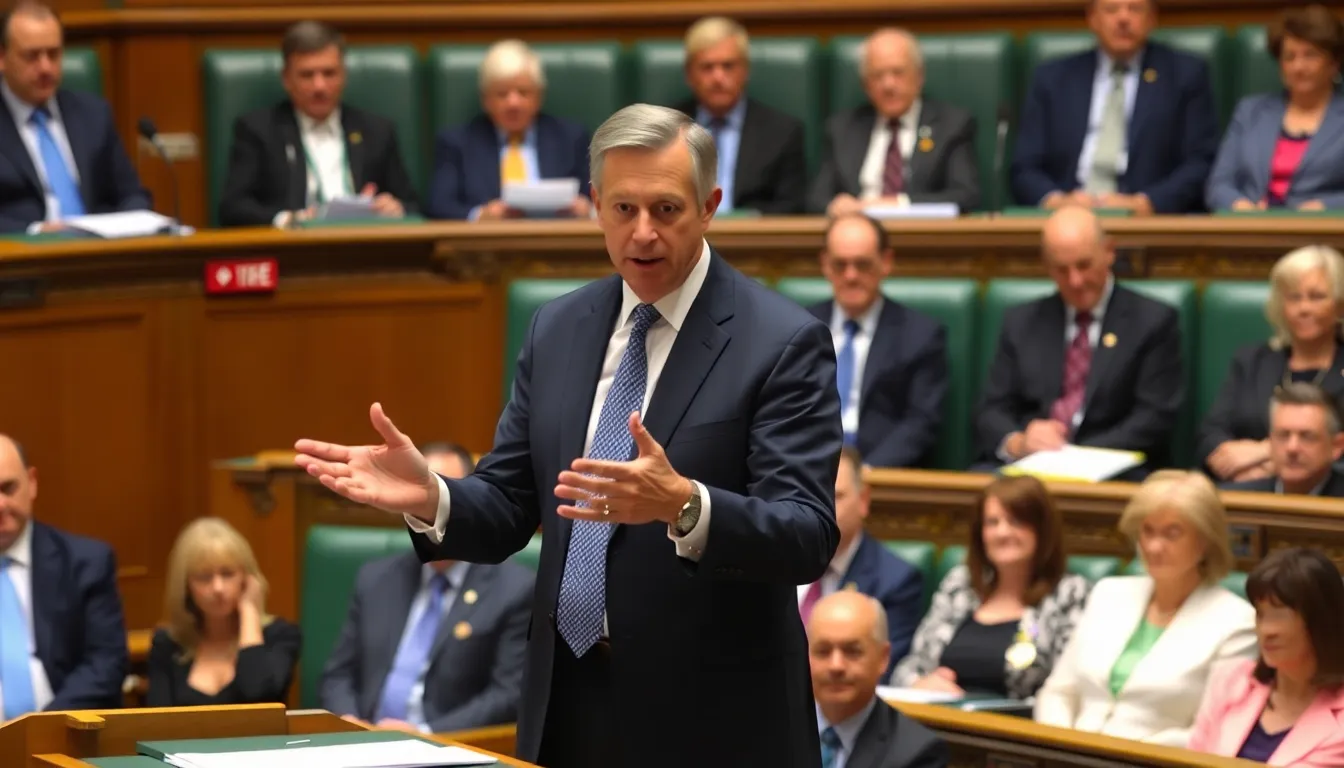
Mark Carney, the former Governor of the Bank of England and current UN Special Envoy on Climate Action and Finance, has raised significant concerns regarding the current state of the global order. His statements reflect a growing anxiety among various stakeholders about the fragility of international systems that govern trade, security, and climate action.
Key stakeholders in this context include national governments, international organizations, financial institutions, and civil society groups. Each of these actors has distinct interests that may conflict or align with Carney’s views on global governance.
- National Governments: Many governments are grappling with domestic pressures that may lead them to prioritize national interests over international cooperation, potentially exacerbating tensions.
- International Organizations: Bodies such as the United Nations and the World Trade Organization are tasked with fostering collaboration but face challenges due to rising nationalism and protectionism.
- Financial Institutions: Banks and investment firms are increasingly aware of the risks posed by climate change and geopolitical instability, influencing their investment strategies and priorities.
- Civil Society Groups: NGOs and advocacy organizations are pushing for stronger actions on climate change and social justice, often clashing with governmental policies that favor economic growth over environmental sustainability.
The conflicts between these stakeholders often revolve around trade-offs between economic growth and environmental sustainability, national security and global cooperation, as well as immediate political gains versus long-term stability. Carney’s emphasis on the need for coordinated action highlights the urgency of addressing these issues in a manner that balances diverse interests.
As stakeholders navigate this complex landscape, the potential for both collaboration and conflict remains significant, especially regarding the interconnected challenges of climate change, economic inequality, and geopolitical tensions.
Potential effects on international markets and relations
The breakdown of the global order, as highlighted by Carney, is poised to affect various groups and industries across the globe. Governments, multinational corporations, and local businesses will face significant challenges as geopolitical tensions rise. Regions heavily reliant on trade, such as Southeast Asia and Europe, may experience disruptions in supply chains and economic stability.
In the short term, consumers may notice increased prices for goods and services as companies grapple with supply chain interruptions and inflationary pressures. Industries such as technology, manufacturing, and agriculture could see immediate impacts as trade agreements are questioned or renegotiated. This could lead to a rise in unemployment rates in certain sectors, affecting daily life for many families.
Mid-term effects may include shifts in policy as governments respond to the changing landscape. New regulations may emerge to protect domestic industries, potentially leading to trade wars. However, this environment could also foster innovation as companies seek to adapt to new realities. For instance, firms may invest in local production facilities, creating job opportunities and reducing reliance on foreign imports.
- Risks: Increased trade barriers, economic instability, and job losses in vulnerable sectors.
- Opportunities: Growth in local manufacturing, innovation in supply chain management, and diversification of markets.
As the global order continues to shift, the potential for both risk and opportunity will shape the future of international relations and market dynamics. Stakeholders must remain vigilant and adaptable to navigate the complexities of this evolving landscape.
A: Carney expressed concern that the current global order is deteriorating, citing geopolitical tensions and economic disparities as key factors. A: As a former Governor of the Bank of England, Carney’s insights are influential in shaping economic and political discussions globally. A: Australia may need to reassess its foreign policy and economic strategies in response to the shifting global dynamics highlighted by Carney. A: The breakdown of the global order could lead to increased tensions between nations and a reevaluation of alliances. A: Collaborative international efforts and reforms in governance may be necessary to stabilize the global order.
Frequently asked questions regarding Carney’s remarks
Key insights and future outlook on global order
The remarks made by Mark Carney to the Australian parliament highlight a profound shift in the global order, suggesting that the existing frameworks for international cooperation and governance are increasingly strained. This breakdown could lead to significant geopolitical and economic implications, necessitating a reevaluation of how nations interact and collaborate in addressing global challenges.
As nations navigate this evolving landscape, it is essential to remain vigilant and adaptable. The implications of a fractured global order could manifest in various ways, influencing everything from trade relationships to climate action initiatives.
- Increased Geopolitical Tensions: Watch for a rise in nationalism and protectionist policies as countries prioritize their own interests over collective action.
- Shifts in Economic Alliances: Monitor emerging trade partnerships and alliances that may form in response to changing global dynamics.
- Impact on Climate Initiatives: The breakdown may hinder international cooperation on climate change, leading to fragmented efforts and varied commitments.
- Technological Competition: Anticipate intensified competition in technology and innovation as nations seek to assert their dominance in critical sectors.
- Need for New Governance Models: There may be a push for innovative frameworks and institutions that can address the complexities of a multipolar world.