
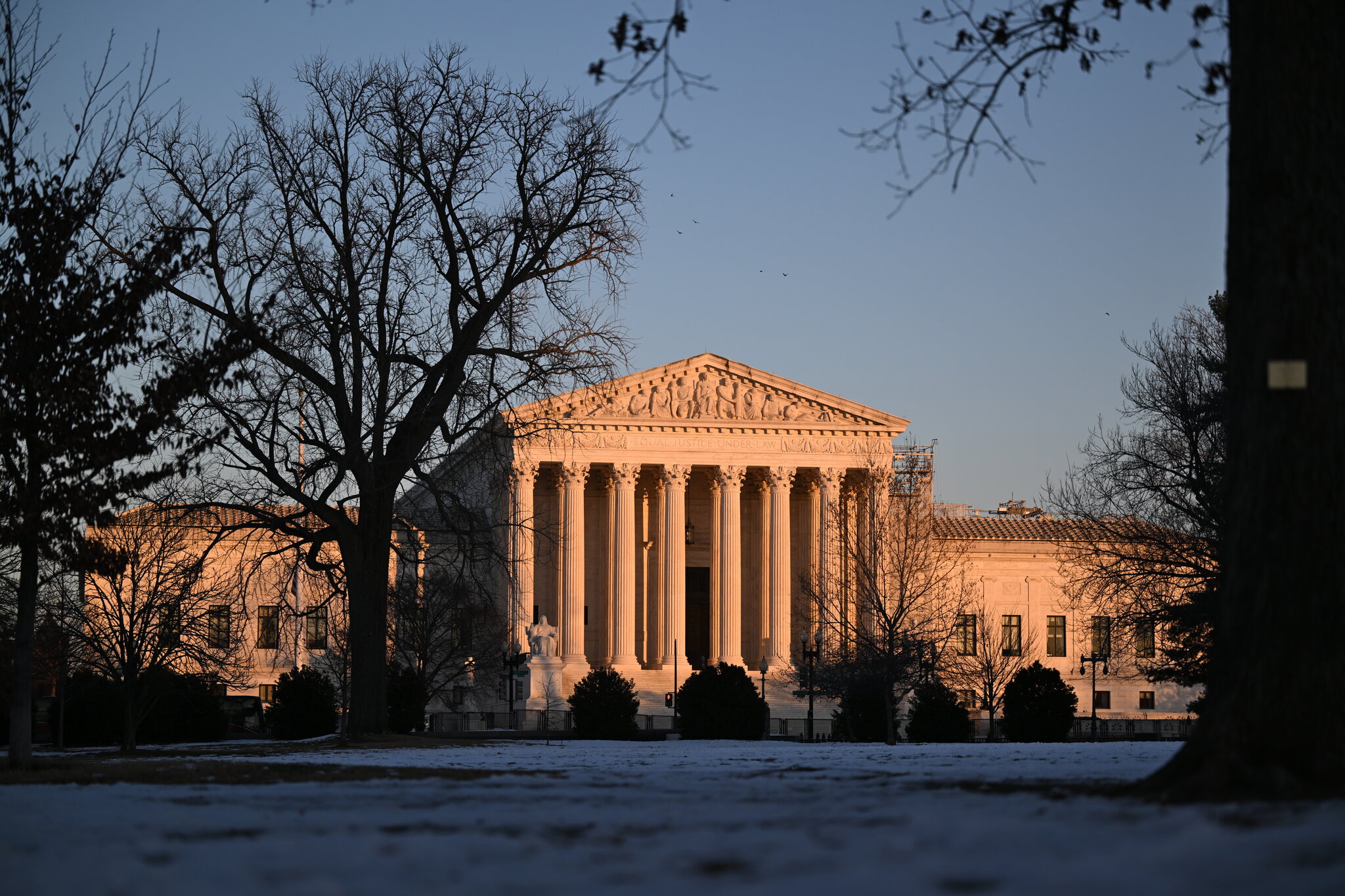
Context and Necessity of Independent Regulation
The foundation of independent regulation in various sectors stems from the need for unbiased oversight. Independent regulators are designed to operate without influence from political pressures to ensure fair practices and safety standards.
Importance of Regulatory Autonomy
Regulatory agencies like the Federal Aviation Administration (FAA) and the Nuclear Regulatory Commission (NRC) serve critical roles in overseeing safety and compliance in their respective domains. Their independence allows for rational decision-making that prioritizes public safety over political interests. For more on regulatory frameworks, see N.Y. Law Could Set Stage for A.I. Regulation’s Next ‘Big Battleground’.
Market Stability and Consumer Protection
These independent regulators also contribute to the stability of markets by providing consistent oversight, which helps protect consumers and businesses alike. For instance, in the aviation industry, rigorous regulatory standards prevent accidents and ensure consumer trust.
Comparative Standards In Regulatory Practice
Different standards exist when comparing independent regulators across sectors. The FAA’s methods of handling safety regulations differ from those of the NRC in nuclear energy, revealing diverse approaches to oversight.
Common Criteria for Evaluation
- Transparency in Operations
- Accountability to the Public
- Effectiveness in Enforcement
Each agency’s adherence to these criteria greatly impacts their ability to function independently and effectively.
Notable Cases Highlighting the Role of Regulators
Recent legal battles have underscored the importance of these agencies. In one instance, a ruling regarding the FAA’s enforcement of safety regulations renewed questions about their scope of power and independence.
Impact on Aviation Safety
Such cases not only affect the regulatory frameworks but also the safety of air travel. The stakes are particularly high given the notable accidents that have prompted investigations into regulatory practices.
Challenges in Nuclear Oversight
Similar challenges arise within the nuclear energy sector, where safety concerns and political influences often collide. The Supreme Court’s decisions will potentially reshape how the NRC implements its regulations and manages safety protocols. This highlights the importance of understanding the recent legal developments that may impact regulatory agencies.
Strategies for Effective Regulation Going Forward
As the legal landscape evolves, stakeholders must consider various strategies to ensure the efficacy of independent regulators.
Advocacy for Regulatory Protections
Advocating for stronger legal protections for regulators can help shield them from undue influence. This includes promoting legislation that enforces their independence.
Enhancing Public Awareness and Engagement
Increasing public engagement in regulatory processes can enhance transparency and build trust. Public forums and open meetings can allow for citizen input on safety regulations, which is crucial for accountability.

Key Considerations for Stakeholders
With the Supreme Court hearing looming, various stakeholders must prepare for the implications. Engaging in discussions about effective communication strategies can ensure that the voices of the public and independent regulators are heard.
Potential Industry Impacts
Changes to regulatory authority may influence operational practices, pricing structures, and competitive landscapes in both aviation and nuclear energy sectors.
Legal Precedents to Watch
The outcomes of these deliberations could set important precedents regarding the scope of power held by regulators, which will echo across industries for years to come.
A: Independent regulators oversee compliance and safety in various sectors without political interference, ensuring fairness and public safety. A: The Supreme Court reviews cases that question the legal authority and independence of regulatory agencies, which can have wide-reaching repercussions across industries. A: They often encounter political pressures, public skepticism, and varying levels of funding, which can impact their effectiveness. A: They maintain accountability through transparent operations, regular reporting to the public, and processes that allow for public engagement and feedback.
Frequently Asked Questions about Independent Regulators
Future Directions in Regulatory Frameworks
As the Supreme Court deliberates, the future of independent regulation hangs in the balance. How the court’s decision will influence industries like aviation and nuclear energy remains to be seen, but the prospects could usher in a new era of regulatory frameworks focused on innovation and safety.