
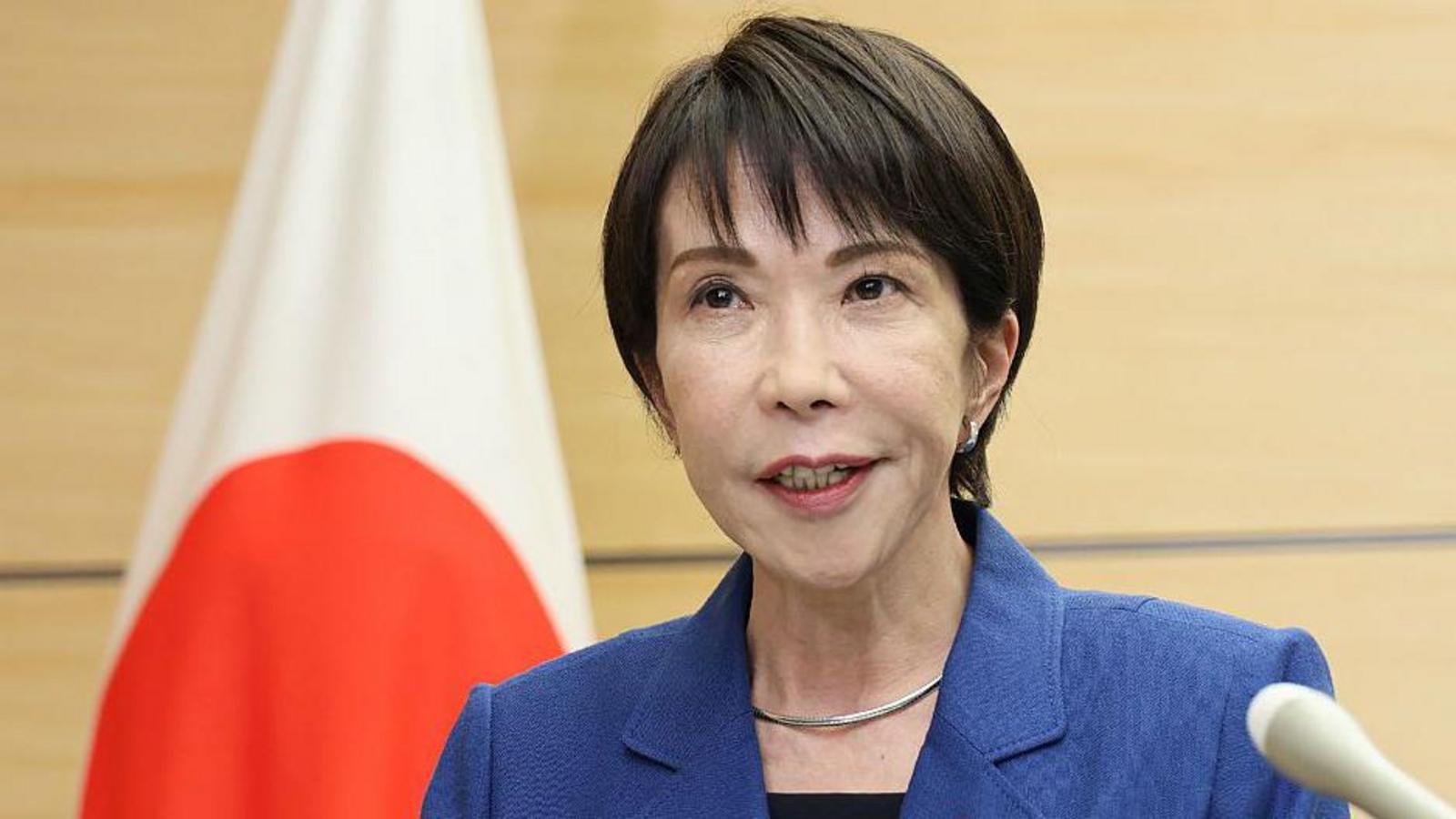
As Japan continues to navigate a rapidly changing economic landscape, a pressing question has arisen about the future of women’s involvement in leadership roles. With a patriarchal workforce historically dominating its corporate environment, Japan faces the challenge of increasing female representation in top business positions. For insights into this dynamic, explore the change in corporate structures in other countries.
The background and necessity for women’s leadership in Japan
Women’s representation in the workplace has become an essential focus for many nations, particularly in Japan, where low birth rates and an aging population necessitate greater participation of women in various sectors. The World Economic Forum ranked Japan 120 out of 156 countries in its Global Gender Gap Report, highlighting the urgent need for improvement. This situation parallels challenges faced in different industries internationally.

Criteria for comparing female leadership opportunities in Japan
To understand the challenges of increasing female business leaders, it is vital to look at the various sectors within the Japanese economy. Key areas of focus include education, technology, and small-to-medium enterprises (SMEs), known for being innovative and adaptable. By analyzing these areas, we can identify successful models and the specific barriers women face in advancing their careers.
Education and skill development
Investment in education and professional training has proven to boost women’s opportunities in leadership roles. Women who pursue higher education degrees have shown a tendency to take on leadership roles in corporate environments. However, cultural expectations often discourage them from seeking these opportunities.

Corporate Japan’s attitudes
In traditional corporate Japan, there still exists a preference for male leadership, often influenced by cultural norms. Many companies have been slow to adapt, which impacts the potential for female advancement within the ranks. Encouraging a shift in corporate attitudes is imperative for unlocking female leadership potential.
Notable examples or services impacting women’s leadership
Throughout Japan, several organizations and initiatives are paving the way for female leaders. For instance, the Japan Women’s Empowerment Principles (WEPs) aims to engage businesses in promoting gender equality in the workplace. Similar initiatives can be observed in sectors affected by technological innovation, as seen in the legal challenges involving A.I. and copyright.

Key initiatives include:
- The establishment of mentorship programs that connect young female professionals with experienced women leaders.
- Networking events and workshops dedicated to enhancing leadership skills among women in business.
- Corporate policy reforms advocating for equal pay and promotion opportunities.
Strategies for enhancing female leadership opportunities
With a deeper understanding of the ongoing challenges, companies can implement actionable strategies to foster a supportive environment for women leaders. Here are some approaches:
- Emphasizing diversity and inclusion: Companies must actively promote diversity in their hiring processes and create an inclusive workplace culture.
- Offering flexible work arrangements: Providing options such as remote work or flexible hours can help to accommodate women with family responsibilities.
- Implementing training programs: Specific leadership training for women can empower them to take on higher responsibility roles confidently.
Points of caution regarding female leadership in the workplace
While the push for enhanced female leadership is critical, companies must be cautious about tokenism. Initiatives should not just aim for numbers but should focus on creating sustainable environments where women can thrive genuinely.

FAQ about women leaders in Japan

Common questions about increasing female business leadership in Japan
A: Cultural norms and corporate structures that favor male leadership are significant barriers. Challenges such as work-life balance and lack of mentorship also hinder women’s advancement.
A: Companies can implement mentorship programs, offer leadership training and create a flexible work environment that accommodates the responsibilities of female employees.
A: Yes, several women have made significant strides in leading roles, such as Yoshiko Shinozaki and other prominent executives in various industries, showcasing the potential for female leadership.
Future directions for women’s leadership in Japan
As Japan’s economy evolves, the call for increased female leadership becomes more than a social or cultural push; it is now a business necessity. Continued advocacy for gender equality in the workplace can foster a new generation of female leaders, essential for driving innovation and growth.