
The investigation, which began in early 2023, involved extensive research and interviews with industry experts and law enforcement officials. It was uncovered that a substantial amount of gold processed at the mint originated from sources with ties to organized crime. This revelation has prompted calls for greater transparency and stricter regulations within the gold supply chain.
Authorities are now facing pressure to conduct a thorough audit of the Royal Canadian Mint’s operations to ensure that no illicit materials are being used in the production of Canadian coins. The issue has also drawn attention from international observers, highlighting the global ramifications of money laundering and the illicit drug trade. As the story develops, stakeholders are eager to see how the government will respond to these serious allegations.
Furthermore, this situation underscores the need for enhanced cooperation between financial institutions and law enforcement agencies to combat the infiltration of criminal elements into legitimate markets. The implications of this investigation extend beyond Canada, as it may influence policies and practices in other countries grappling with similar challenges in their precious metals industries.
Understanding the Role of the Royal Canadian Mint
The Royal Canadian Mint (RCM) has been a cornerstone of Canada’s monetary system since its establishment in 1908, and its history can be further explored in an article about historical economic influences. Originally created to produce coins for Canada, the Mint has evolved into a significant player in the global precious metals market, producing not only currency but also gold and silver bullion products.
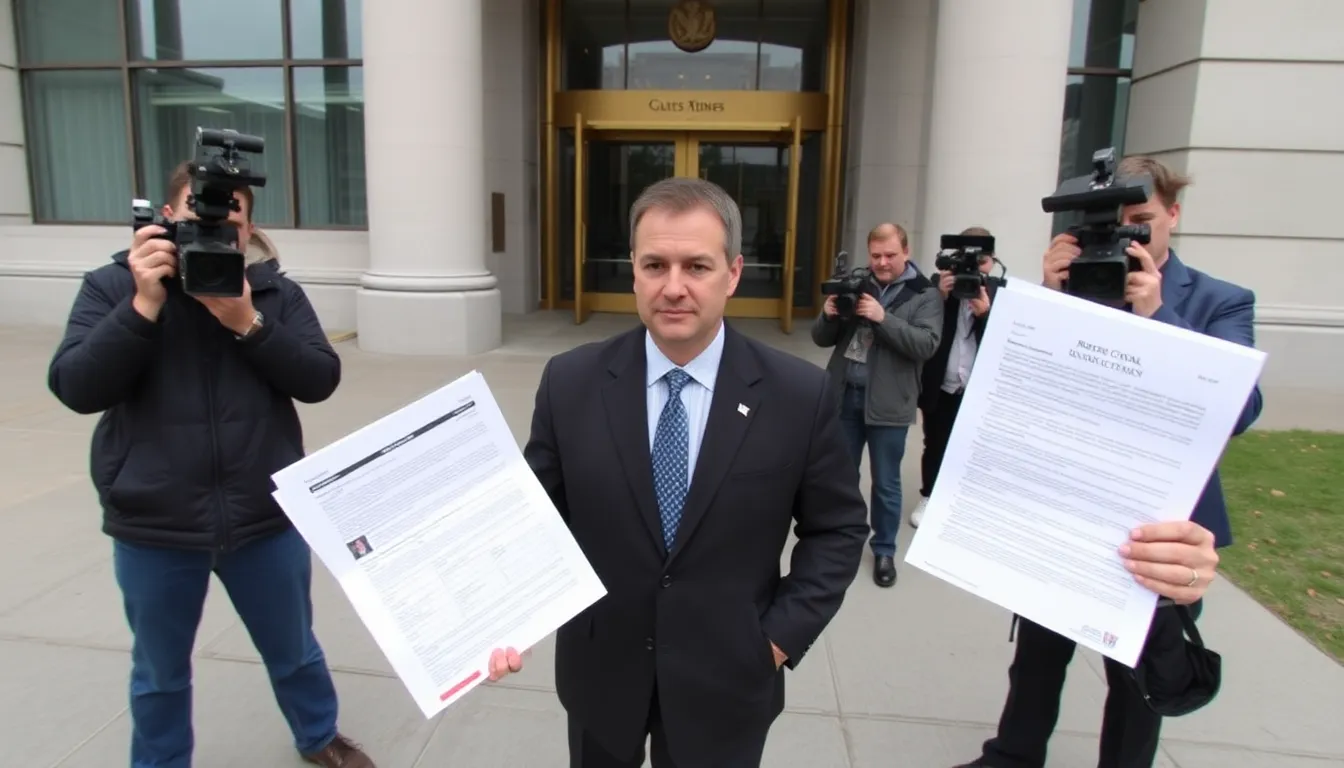
Historically, the Mint has navigated various economic landscapes, from the Great Depression to the 2008 financial crisis. Each of these events highlighted the Mint’s role in providing a stable currency and facilitating trade. However, the Mint’s operations have also attracted scrutiny, particularly concerning the sources of the precious metals it processes. This scrutiny intensified as concerns about money laundering and illicit financing began to surface in the early 21st century, prompting investigations into the Mint’s practices.
The Intersection of Crime and Currency
The relationship between organized crime and financial institutions has long been a topic of concern, and recent developments, similar to those seen in the case of a football club owner facing allegations, highlight the vulnerabilities within financial systems.
In recent years, several high-profile cases have underscored the need for increased oversight and regulation within the precious metals market, similar to the regulatory environments discussed in other industries. The introduction of stricter anti-money laundering laws and the implementation of compliance measures at institutions like the RCM reflect a growing awareness of these issues.
The ongoing dialogue around the Mint’s role in the economy and its vulnerability to exploitation reveals the complexities of modern financial systems. As investigations continue and more information comes to light, the implications for policy and regulation in the precious metals sector will likely evolve, impacting not only the Mint but also the broader landscape of financial security in Canada.
Examining the Implications for Law Enforcement and Financial Institutions
The discovery of cartel gold at the Royal Canadian Mint has significant implications for various stakeholders, including law enforcement agencies, financial institutions, and regulatory bodies. Each of these actors has distinct interests that shape their responses to this revelation, leading to a complex interplay of legal and economic considerations.
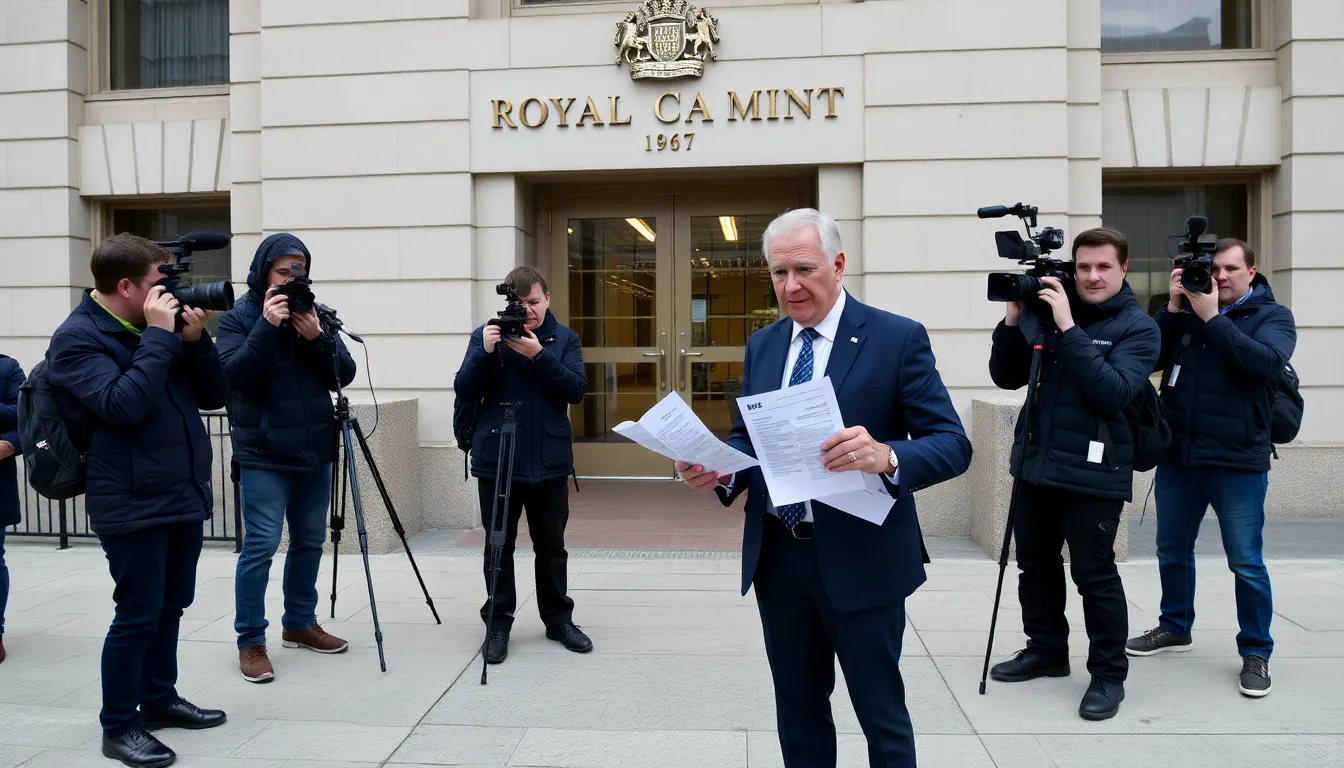
Law enforcement agencies are primarily focused on dismantling criminal networks and ensuring public safety. The presence of cartel gold raises concerns about money laundering and the potential for organized crime to infiltrate legitimate financial systems. This situation compels law enforcement to enhance their investigative efforts and collaborate with international counterparts to track the origins of the illicit funds.
Financial institutions, on the other hand, have a vested interest in maintaining their reputations and ensuring compliance with anti-money laundering regulations. The involvement of cartel gold poses risks to their operations, as they must navigate the challenges of identifying and mitigating exposure to tainted assets. This situation may prompt banks and other financial entities to reassess their due diligence processes and implement more stringent monitoring measures.
- Regulatory Scrutiny: Increased oversight from financial regulators is likely as they seek to address the potential risks associated with cartel involvement in the minting process.
- Legal Ramifications: The legal implications for the Royal Canadian Mint and associated entities could lead to lawsuits or sanctions if found complicit in facilitating money laundering.
- Public Trust: The public’s trust in both law enforcement and financial institutions may be jeopardized, necessitating transparency and accountability measures.
- International Cooperation: The need for cross-border collaboration will intensify as agencies work to trace the flow of illicit funds and dismantle cartel operations.
In summary, the intersection of crime, finance, and regulatory compliance creates a multifaceted landscape that requires careful navigation by all stakeholders involved. The outcomes of this situation will likely influence future policies and practices within both law enforcement and financial sectors, shaping the broader approach to combating organized crime in Canada and beyond.
Potential Consequences for the Mint and Its Operations
The revelation of cartel gold being found at the Royal Canadian Mint has far-reaching implications for various stakeholders, including government authorities, law enforcement agencies, and the financial sector. The discovery raises questions about the integrity of the mint’s operations and its ability to maintain public trust. As a result, both short-term and mid-term impacts are likely to be felt across multiple sectors.
In the short term, the Mint may experience increased scrutiny from regulatory bodies and the public. This could lead to a temporary decline in confidence among investors and collectors, impacting sales of minted products. Additionally, law enforcement agencies may ramp up investigations into the origins of the gold, diverting resources and attention from other initiatives.
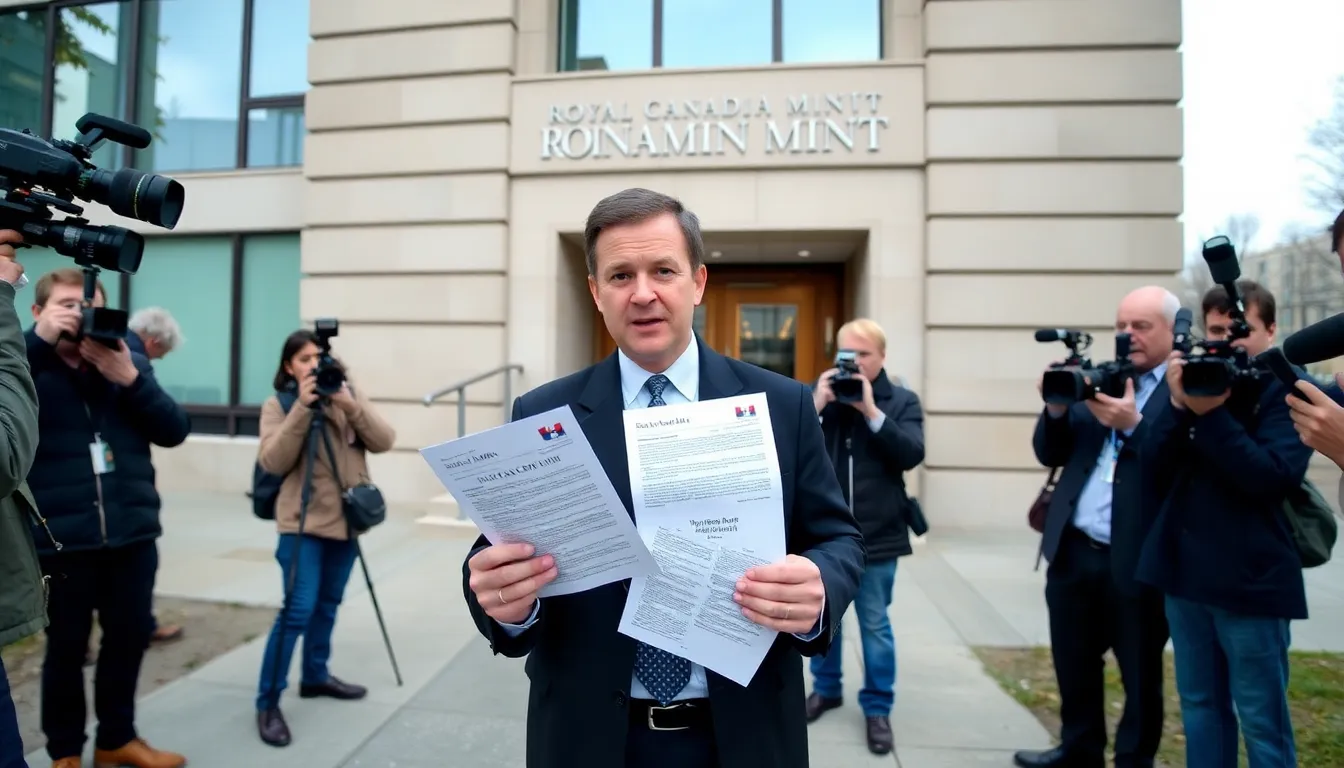
Mid-term consequences could include changes in policy and operational procedures at the Mint. Enhanced security measures and stricter sourcing protocols may be implemented to prevent future incidents. This could lead to increased operational costs, which may eventually be passed on to consumers. Furthermore, the incident may prompt discussions around the need for greater transparency in the precious metals market.
- Increased regulatory scrutiny: Heightened oversight from government bodies.
- Impact on sales: Potential decline in consumer confidence and product sales.
- Operational changes: Implementation of stricter protocols and security measures.
- Policy discussions: Conversations around transparency in the precious metals market.
While the situation poses risks, it also presents opportunities for reform and improvement. The Mint could leverage this incident to enhance its reputation by adopting best practices in compliance and transparency. Additionally, there may be opportunities for collaboration with law enforcement and regulatory bodies to create a more secure and trustworthy environment for precious metals transactions.
A: The reporter received a tip about unusual transactions linked to the mint, prompting a deeper investigation into its operations. A: The investigation revealed that the gold was allegedly laundered through various channels before reaching the mint. A: This discovery raises significant legal questions regarding the mint’s compliance with anti-money laundering regulations. A: The revelation could undermine public confidence in the mint’s integrity and security measures. A: Authorities are conducting a thorough investigation and reviewing policies to prevent future occurrences.
Frequently Asked Questions About the Discovery
Key Takeaways and Future Implications
The investigation into the Royal Canadian Mint has unveiled significant concerns regarding the intersection of organized crime and financial institutions. The discovery of cartel gold raises questions about the effectiveness of current regulatory frameworks and the potential for illicit activities to infiltrate legitimate markets. As authorities grapple with these revelations, the implications for both the mint and the broader financial landscape are profound.
Moving forward, it will be essential to monitor how regulatory bodies respond to these findings, as well as the measures that may be implemented to safeguard the integrity of financial systems. The situation also underscores the need for increased transparency and cooperation between law enforcement and financial institutions to combat money laundering and related crimes.
- Regulatory Reforms: Expect potential changes in regulations governing the mint and similar institutions to enhance oversight and prevent future occurrences of illicit activities.
- Increased Scrutiny: Financial institutions may face heightened scrutiny from regulators, prompting a reevaluation of their compliance protocols and risk management strategies.
- Impact on Public Trust: The revelations could erode public confidence in financial institutions, necessitating efforts to rebuild trust through transparency and accountability.
- Collaboration with Law Enforcement: Enhanced collaboration between financial entities and law enforcement agencies will be critical in addressing the challenges posed by organized crime.
- Global Implications: This incident may set a precedent, influencing how other countries approach similar issues related to money laundering and criminal infiltration in financial markets.