
Pjota, known for his dynamic hip-hop-inspired paintings, emphasizes the revolutionary nature of street culture. His art often reflects the struggles of marginalized communities, highlighting themes of resistance and empowerment. Recent exhibitions, such as his showcase at the São Paulo Art Biennial in September 2023, have drawn attention to the intersection of art and activism in urban spaces, illustrating the significance of movements like street art.
The ongoing dialogue around street culture is not just limited to Brazil; it resonates globally as artists use their platforms to challenge societal norms. In cities around the world, street art has emerged as a powerful tool for expression, with creators like Pjota leading the charge. This movement underscores the importance of art as a vehicle for social change, particularly in times of crisis.
As street culture continues to evolve, it remains a vital part of the Brazilian identity. The works of artists like Pjota serve as a reminder of the potential for art to inspire revolutions, both in thought and action. This cultural phenomenon is not only shaping the urban landscape but also fostering a sense of community and collective resilience among those who engage with it.
Understanding the background of Brazilian hip-hop and street art
Brazilian hip-hop and street art emerged as powerful forms of expression in the late 20th century, rooted in the socio-political struggles faced by marginalized communities. The genre gained traction during the 1980s, coinciding with Brazil’s transition from military dictatorship to democracy. This period of political upheaval fostered a climate where artists could voice dissent and critique societal issues, paving the way for hip-hop to flourish as a medium of resistance.
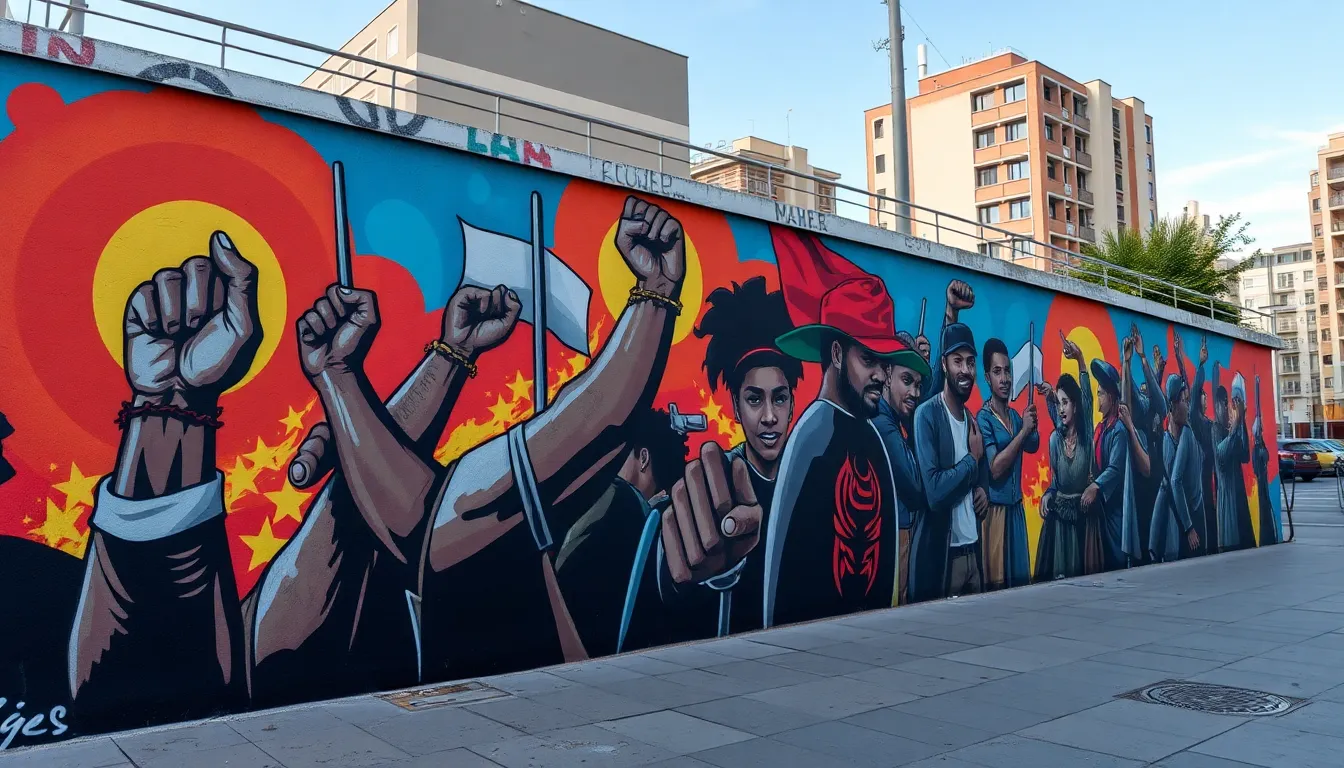
The economic disparities in Brazil, coupled with a history of racial inequality, significantly influenced the themes prevalent in hip-hop and street art. Artists like Paulo Nimer Pjota draw inspiration from their environments, reflecting the realities of urban life in Brazil’s favelas. The vibrant street art scene serves not only as a canvas for personal expression but also as a means to address broader social issues, including poverty, violence, and systemic racism.
The Rise of Street Art as a Cultural Movement
In the 1990s and 2000s, street art began to gain recognition as a legitimate form of artistic expression, with artists like Os Gêmeos and Banksy influencing the global perception of graffiti and muralism. Brazilian street artists often collaborate with hip-hop musicians, creating a synergy that amplifies their messages. This collaboration has helped elevate the status of street art within the cultural landscape, transforming it into a symbol of urban identity and resistance.
Key milestones in the evolution of Brazilian hip-hop include the establishment of influential collectives and festivals that showcase local talent. Events such as the “Hip-Hop Festival” in São Paulo have played a crucial role in uniting artists and providing a platform for their voices. As hip-hop continues to evolve, it remains deeply intertwined with the ongoing struggles for social justice and equality in Brazil, making it a vital part of the country’s cultural fabric.
Key issues and stakeholders in the street art movement
The street art movement, particularly in Brazil, is a vibrant expression of cultural identity and social commentary, with key figures like Paulo Nimer Pjota at the forefront. The stakeholders in this movement include artists, local communities, government authorities, and cultural organizations, each with distinct interests and perspectives.
Artists like Pjota advocate for the recognition of street art as a legitimate form of artistic expression, often using their work to address social issues such as inequality and violence. Their primary interest lies in gaining visibility and support for their art, which they see as a vehicle for social change. Local communities often embrace street art as a means of beautifying their neighborhoods and fostering a sense of identity.
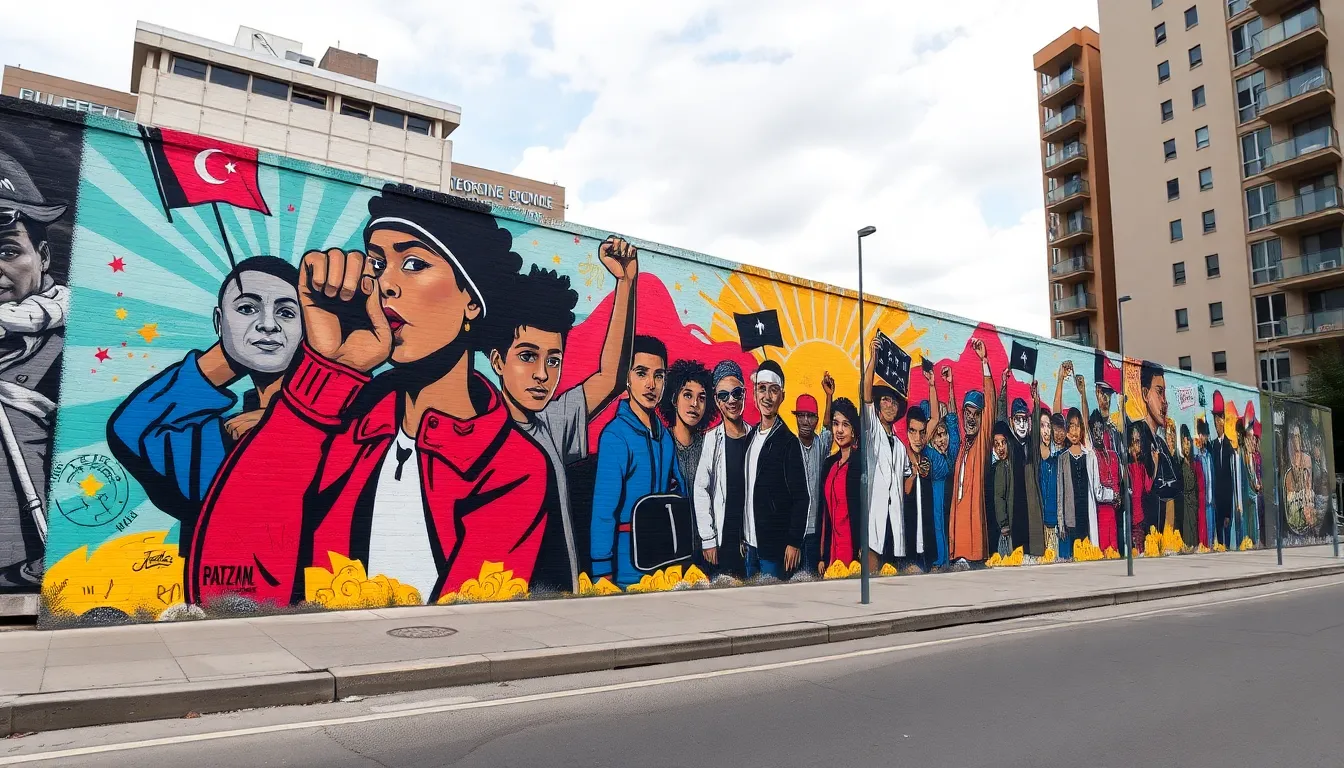
On the other hand, government authorities may view street art through a lens of legality and urban regulation. While some officials recognize its potential to enhance public spaces, others may see it as vandalism that undermines property values. This dichotomy leads to conflicts over public spaces, where artists may face legal repercussions for their work. Additionally, economic factors come into play, as municipalities may seek to monetize public art through tourism while balancing the interests of local residents.
- Legal Issues: Street artists often navigate complex laws regarding public space usage and property rights, leading to potential conflicts with local authorities.
- Economic Considerations: The commercialization of street art can create tensions between artists’ intentions and the economic interests of businesses and municipalities.
- Community Impact: While street art can revitalize neighborhoods, it may also provoke debates about gentrification and cultural appropriation.
- Recognition and Support: Artists seek institutional support and legitimacy, which can be at odds with the grassroots nature of street art.
As the street art movement continues to evolve, the interactions among these stakeholders will shape its future, highlighting the need for dialogue and understanding among all parties involved.
The influence of Paulo Nimer Pjota on communities and culture
Paulo Nimer Pjota, a prominent figure in Brazilian hip-hop culture, has a profound impact on various groups, particularly among the youth in urban areas. His artwork, which reflects the struggles and aspirations of marginalized communities, resonates deeply with those who identify with street culture. This influence extends beyond individual artists to entire communities, fostering a sense of identity and belonging.
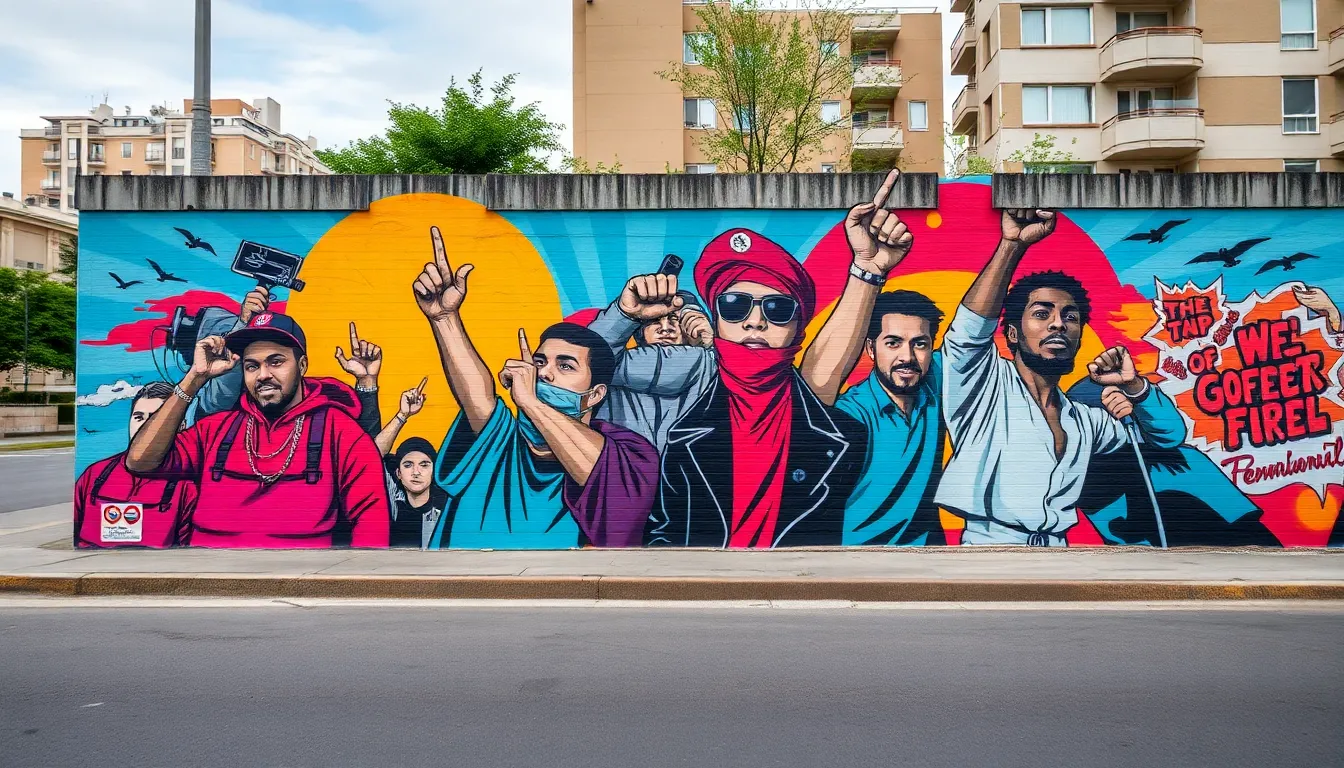
In the short term, Pjota’s work stimulates local economies by attracting tourists and art enthusiasts to urban areas where his murals are displayed. This influx can lead to increased business for local shops, cafes, and galleries. Additionally, his art often sparks conversations about social issues, prompting local governments to engage in policy discussions aimed at improving conditions in underserved neighborhoods.
In the mid-term, the rise of street art as a legitimate form of expression can lead to more funding for community art programs, creating opportunities for aspiring artists. However, there are risks involved; as street art gains popularity, there may be increased pressure from developers and city officials to commercialize these spaces, potentially diluting the authentic voice of the community.
- Economic Growth: Boost in local businesses due to increased tourism.
- Social Awareness: Heightened discussions around social justice and community needs.
- Artistic Opportunities: Growth in funding for community art initiatives.
- Gentrification Risks: Potential commercialization of street art leading to loss of authenticity.
Overall, while Pjota’s influence presents significant opportunities for cultural expression and economic development, it also underscores the need for careful consideration of how these changes affect the very communities that inspire his art.
A: Paulo Nimer Pjota is a Brazilian painter known for his unique style that blends hip-hop culture with street art. His work often reflects social issues and the vibrancy of urban life. A: Pjota’s art explores themes of revolution, identity, and social justice, often drawing inspiration from his experiences in the Brazilian urban landscape. A: Street culture serves as a powerful medium for expression and social commentary, influencing public perceptions and encouraging dialogue about important societal issues. A: Hip-hop in Brazil is a vital form of cultural expression that addresses social inequalities and provides a voice for marginalized communities, making it a significant aspect of the country’s cultural landscape. A: Paulo Nimer Pjota’s work can be seen in various exhibitions, galleries, and public spaces across Brazil and internationally. Following his social media accounts can also provide updates on his latest projects.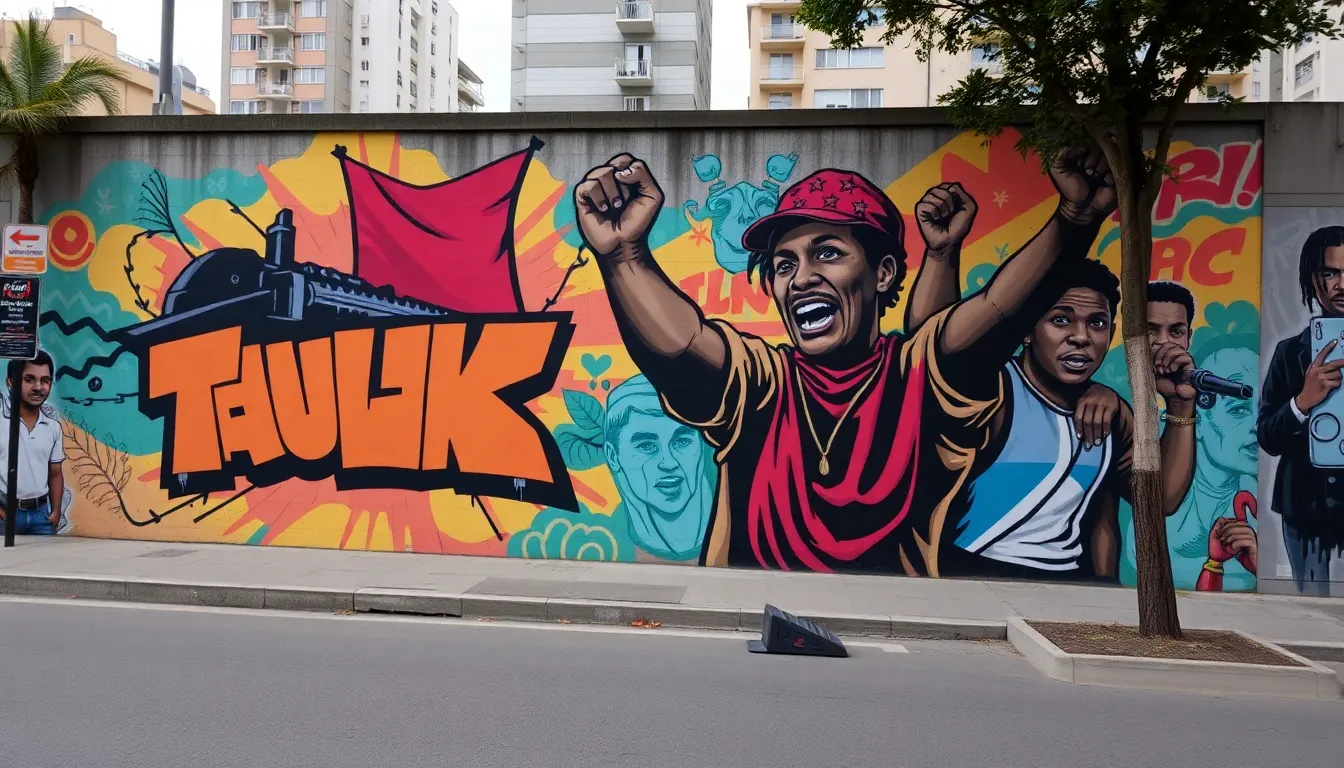
Frequently asked questions about Paulo Nimer Pjota and his work
Key insights and future outlook on street culture
The work of Brazilian painter Paulo Nimer Pjota highlights the transformative power of street culture, particularly through hip-hop as a medium of expression and revolution. His art serves not only as a reflection of societal issues but also as a catalyst for dialogue and change, emphasizing the importance of cultural movements in shaping identity and community. As street culture continues to evolve, it will likely play an increasingly significant role in addressing social injustices and fostering unity among diverse groups.
Looking ahead, the intersection of art and activism within street culture presents opportunities for greater engagement and collaboration. Artists like Pjota are paving the way for future generations to utilize their talents in advocating for change, making it essential to monitor the developments in this vibrant cultural landscape.
- Increased visibility: Expect more street artists to gain recognition and influence, as platforms for showcasing their work expand globally.
- Community engagement: Street art initiatives may increasingly focus on community involvement, fostering a sense of ownership and pride among locals.
- Collaboration with social movements: Artists are likely to align more closely with social justice movements, using their work to amplify important messages.
- Innovation in mediums: The integration of technology and digital platforms will continue to transform how street art is created and experienced.
- Global exchange: Cultural exchange between artists from different regions will enrich the street art scene, leading to diverse influences and styles.