
Under the guidance of their manager, Tottenham has focused on quick transitions and long passes, allowing them to exploit spaces left by opposing teams. This tactical evolution has not only increased their attacking threat but also forced Liverpool to rethink their approach. The Reds, known for their high pressing and ball possession, struggled to regain control during critical phases of the match.
Key players like Son Heung-min and James Maddison have thrived in this direct system, creating numerous scoring opportunities. Their ability to capitalize on Liverpool’s defensive lapses highlighted the vulnerabilities in the Reds’ backline. As a result, the match showcased the effectiveness of Spurs’ new tactics and the challenges they posed to Liverpool’s traditional style of play.
This shift in Tottenham’s strategy is significant as it illustrates the evolving dynamics of Premier League football, where adaptability can determine the outcome of crucial matches. With the season still unfolding, the implications of this direct approach could influence both teams’ standings and strategies in future encounters.
Recommended Articles
- Former dairy farm could become peat research centre
- The decline of sheep populations and their impact on our meals
- Ex-Executive at Blood Filter Start-Up Faces Charges Over Death Cover-Up
- Burger King introduces AI headsets to monitor employee friendliness
- Family's Generous Act of Donating Kidneys to Siblings
- Former dairy farm could become peat research centre
- The decline of sheep populations and their impact on our meals
- Ex-Executive at Blood Filter Start-Up Faces Charges Over Death Cover-Up
- Burger King introduces AI headsets to monitor employee friendliness
- Family's Generous Act of Donating Kidneys to Siblings
Understanding the tactical evolution of Spurs
In recent years, Tottenham Hotspur has undergone a significant tactical transformation under the guidance of their current management. This evolution has not only reshaped the way Spurs approach their matches but has also had a profound impact on their opponents, most notably Liverpool. Historically, Spurs have been known for their fluid attacking style, but a shift towards a more direct approach has allowed them to capitalize on the weaknesses of teams that prefer possession-based football.
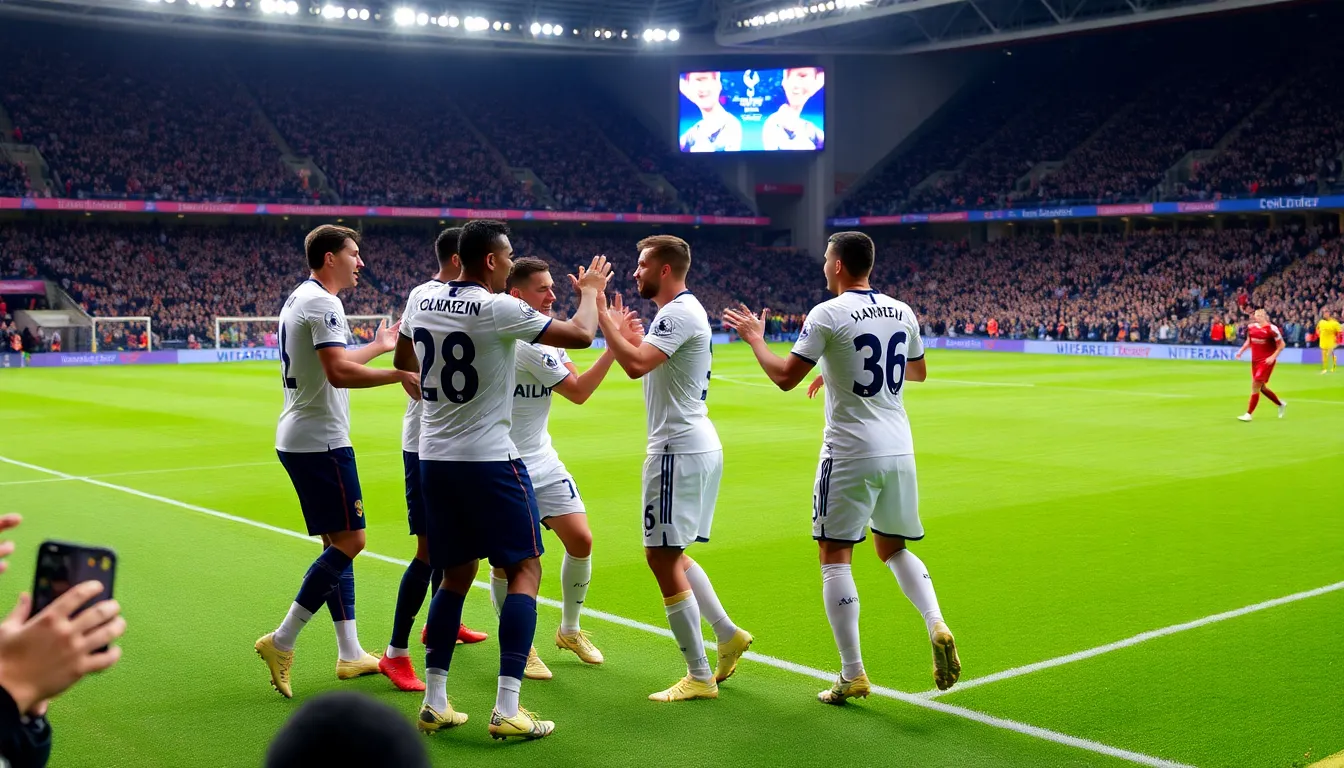
The shift in tactics can be traced back to the club’s strategic decisions following a series of underwhelming seasons. As Spurs sought to compete at the highest level, they recognized the need for a more adaptable game plan. This was particularly evident in high-stakes matches against top-tier teams like Liverpool, where maintaining possession often led to vulnerabilities in defense. By adopting a direct style, Spurs aimed to exploit the spaces left by opponents who overcommit in attack.
One of the key milestones in this tactical evolution occurred during the 2020-2021 season, when Spurs faced Liverpool in a crucial league match. In that game, Spurs effectively utilized long balls and quick transitions to bypass Liverpool’s pressing game, causing significant problems for their defense. This match served as a turning point, showcasing the effectiveness of a direct approach against a traditionally dominant side.
The impact of player roles
Central to this tactical shift has been the redefinition of player roles within the squad. The emergence of players like Harry Kane, who has adapted to a deeper playmaking role, and the pace of Son Heung-min, has allowed Spurs to execute counter-attacks with precision. This dynamic duo has become a focal point in their strategy, illustrating how individual player strengths can be harnessed to create a cohesive and effective team structure.
Key issues arising from Spurs’ strategy against Liverpool
The recent match between Tottenham Hotspur and Liverpool highlighted a significant shift in tactical approach for Spurs, particularly their decision to adopt a more direct style of play. This strategy not only challenged Liverpool’s defensive structure but also raised several key issues regarding the effectiveness of tactical flexibility in high-stakes matches.
One of the main actors in this scenario is Tottenham Hotspur, whose coaching staff, led by the manager, aimed to exploit Liverpool’s vulnerabilities through swift counter-attacks. The team’s interest lies in securing points in the league and enhancing their competitive standing. Conversely, Liverpool’s interests revolve around maintaining their defensive integrity and securing victories to remain in contention for the title.
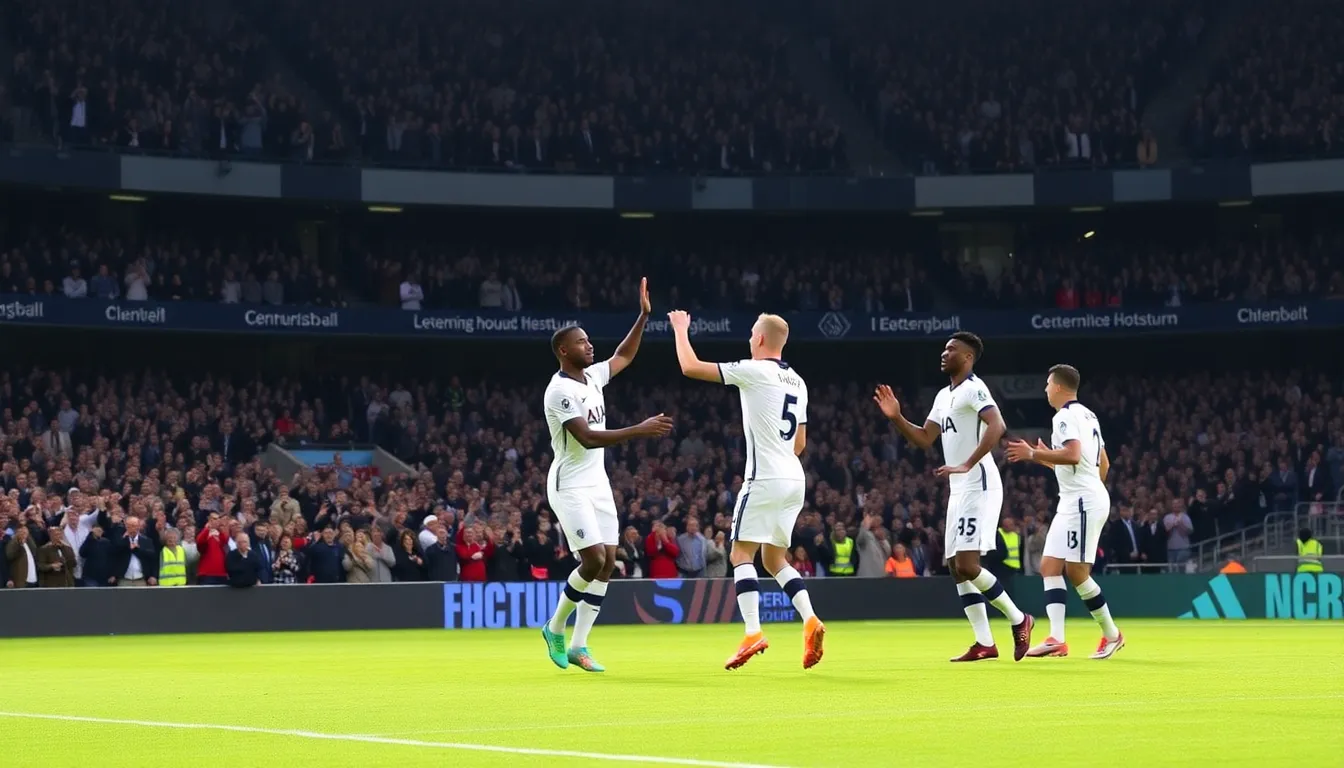
This clash of interests leads to several conflicts and trade-offs. Spurs’ direct approach often left them exposed at the back, requiring a delicate balance between offensive aggression and defensive stability. Liverpool, known for their high-pressing game, faced challenges in adapting to this unexpected tactical shift, which could affect their overall performance in the league.
- Spurs’ Tactical Adaptation: The shift to direct play may influence future matches, prompting other teams to reconsider their strategies against Liverpool.
- Impact on Player Performance: Key players on both sides must adapt to the changing dynamics, impacting their individual performances and team cohesion.
- Long-term Implications: The effectiveness of Spurs’ strategy could lead to a broader trend in the league, encouraging teams to adopt similar tactics against strong opponents.
- Fan and Media Reaction: The way fans and pundits perceive this tactical change can affect the morale of both teams and influence public discourse around managerial decisions.
In summary, the tactical evolution displayed by Spurs not only created immediate challenges for Liverpool but also opened up discussions about the broader implications of strategy in professional football. Understanding these dynamics is crucial for stakeholders as they navigate the complexities of competition in the league.
The effects on Liverpool’s gameplay and overall performance
The shift in Tottenham Hotspur’s strategy to a more direct style of play has notably impacted Liverpool’s gameplay and overall performance in recent matches. This change has forced Liverpool to adapt quickly, as their usual pressing game and possession-based tactics have been challenged by Spurs’ aggressive approach.
In the short term, Liverpool’s defensive line has been put under significant pressure, leading to increased scrutiny from fans and analysts alike. The rapid transitions employed by Spurs have exposed vulnerabilities in Liverpool’s backline, resulting in tactical adjustments that may disrupt their rhythm and cohesion on the field.
Moreover, the mid-term implications extend beyond just match outcomes. Liverpool’s need to reassess their strategies could influence their recruitment policies, as they may seek players who can better cope with direct styles of play. This could alter the dynamics of player transfers in the league, affecting clubs across various tiers.
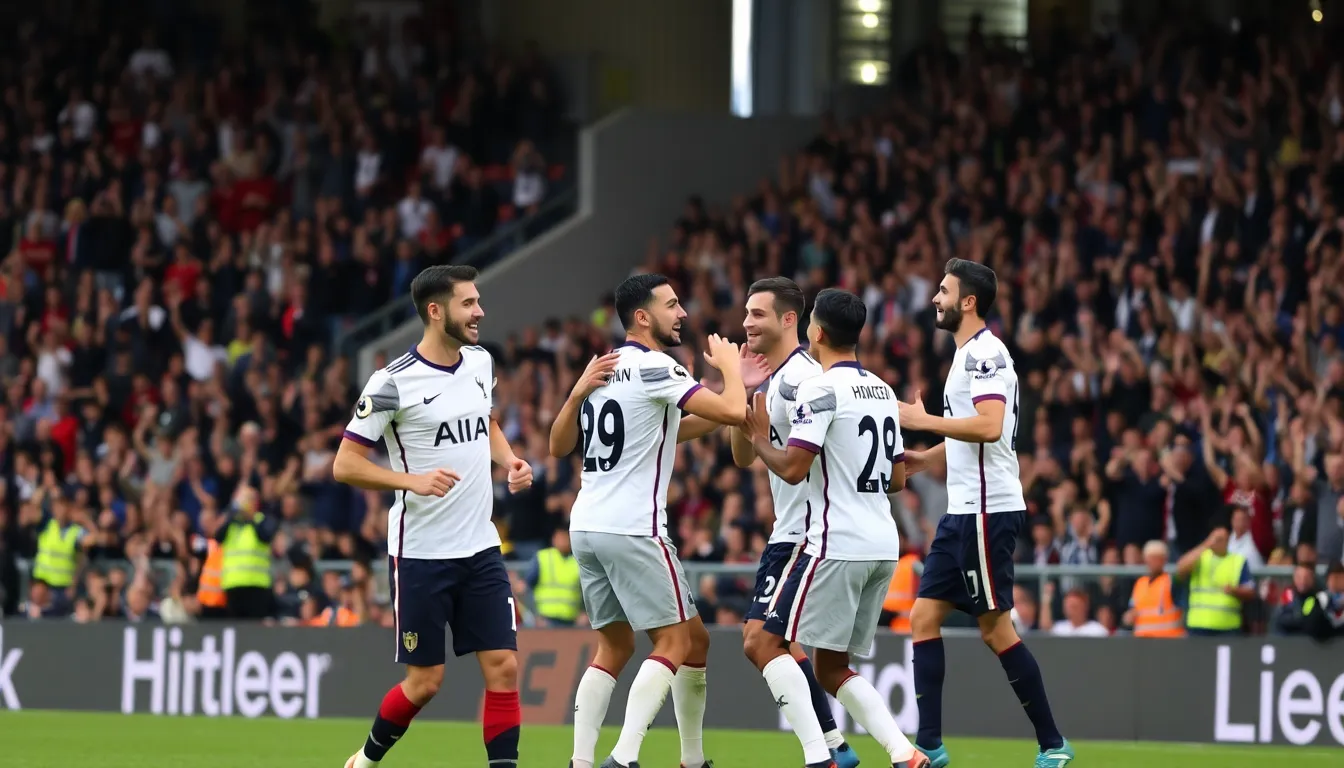
- Increased pressure on Liverpool’s defense: Spurs’ direct play has highlighted weaknesses.
- Tactical shifts: Liverpool may need to modify their approach to regain control.
- Recruitment changes: Potential shifts in player acquisition strategies.
While the immediate effects may seem negative for Liverpool, there are potential opportunities for growth. By addressing these challenges, the team can evolve and become more versatile, potentially strengthening their overall performance in the long run. Additionally, this situation may spark innovative training methods and tactical experiments that could benefit the club in future competitions.
A: Going direct refers to a style of play where a team focuses on quickly moving the ball forward towards the opponent’s goal, often bypassing midfield control. A: Spurs utilized quick transitions and long passes to exploit spaces left by Liverpool, effectively countering their possession-based approach. A: Liverpool’s high defensive line was vulnerable to fast breaks, and Spurs capitalized on this with swift attacking plays. A: Yes, the inability to adapt to Spurs’ direct play highlighted some defensive frailties, which could impact Liverpool’s performance in future matches. A: While Spurs have shown effectiveness with this approach, consistency will depend on player fitness and tactical adaptability against different opponents.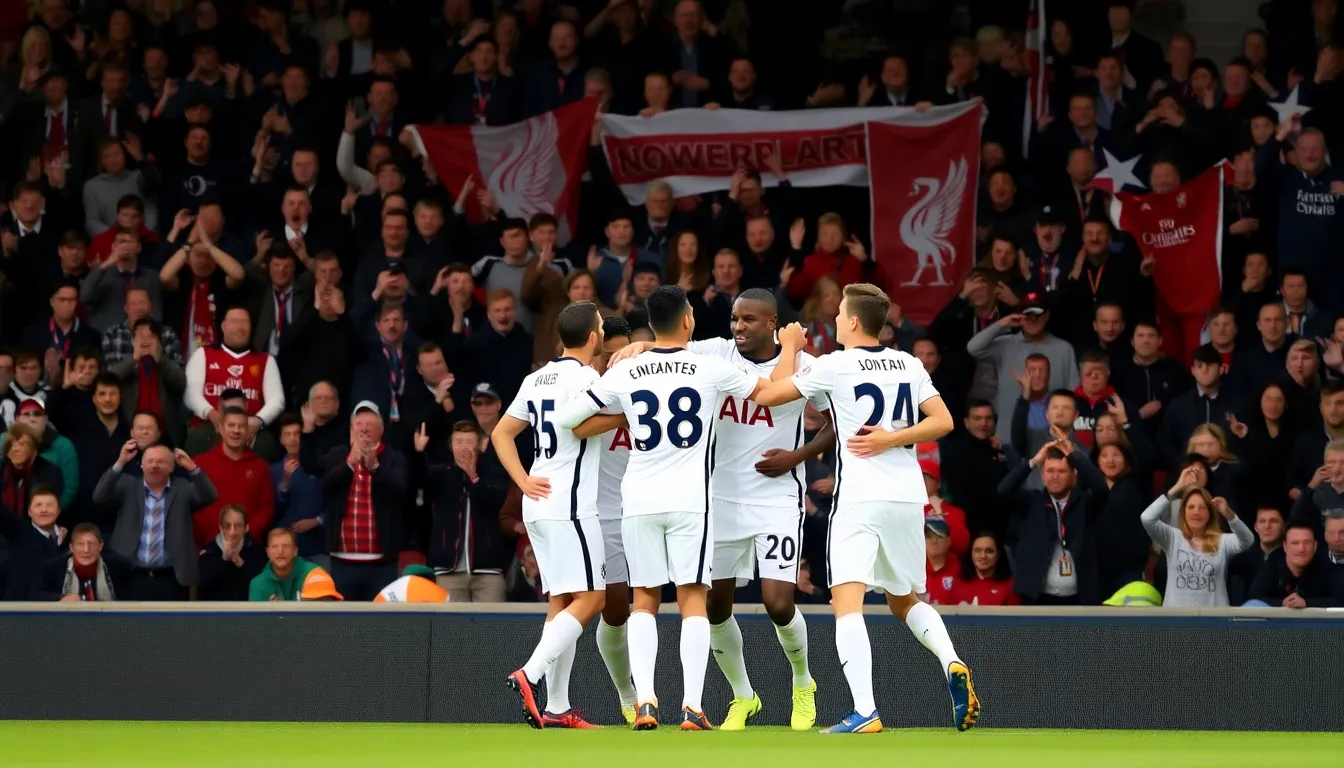
Frequently asked questions about Spurs’ tactics and Liverpool’s response
Key takeaways and future implications of Spurs’ direct play
The shift towards a more direct style of play by Spurs has not only redefined their approach but also exposed vulnerabilities in Liverpool’s defensive setup. This strategic change has implications for how teams might prepare to face Spurs in future matches, as well as for Liverpool as they reassess their tactics to mitigate such threats. The ability to transition quickly from defense to attack can be a game-changer, emphasizing the importance of adaptability in modern football.
As teams analyze Spurs’ recent performances, it will be crucial to monitor how they continue to develop this direct approach and how opponents, particularly Liverpool, respond. The effectiveness of Spurs’ strategy could inspire other teams to adopt similar tactics, leading to a shift in the overall dynamics of the league.
- Watch for Spurs to further refine their direct play, potentially leading to increased goal-scoring opportunities.
- Teams may adopt a more compact defensive structure against Spurs to counteract their direct style.
- Liverpool will need to enhance their pressing and recovery strategies to prevent being caught off-guard.
- Other teams could emulate Spurs’ tactics, leading to a broader trend of direct play in the league.
- Player fitness and positioning will be critical for both Spurs and their opponents as they adapt to this evolving style of play.