
Springsteen’s remarks extended beyond Trump, as he also addressed the broader issue of wealth inequality, specifically targeting the richest men in America. By highlighting the disparity between the wealthy elite and the average citizen, he underscored a growing concern among many Americans regarding economic justice and accountability. His words served as a rallying cry for those feeling marginalized in the current political climate.
The speech also included pointed criticisms of Pam Bondi, a former Florida Attorney General and a prominent supporter of Trump. Springsteen’s comments about her role in the political landscape added another layer to his critique of the Republican Party’s alignment with affluent interests. This moment was emblematic of the heightened political discourse that often spills over into cultural arenas.
As Springsteen continues his tour, his outspoken views are likely to resonate with fans who share his concerns about the direction of the country. The Minneapolis concert not only marked the beginning of a new chapter in his musical journey but also highlighted the artist’s enduring commitment to addressing critical social issues through his platform.
The significance of the Minneapolis tour opener
Bruce Springsteen’s Minneapolis tour opener serves not only as a musical event but also as a political statement, reflecting the deep divisions in American society. The concert, held in the wake of significant political turmoil, highlighted Springsteen’s long-standing activism and his commitment to social justice. As one of the most influential musicians of his generation, his words carry weight, especially in a climate where political discourse has become increasingly polarized.
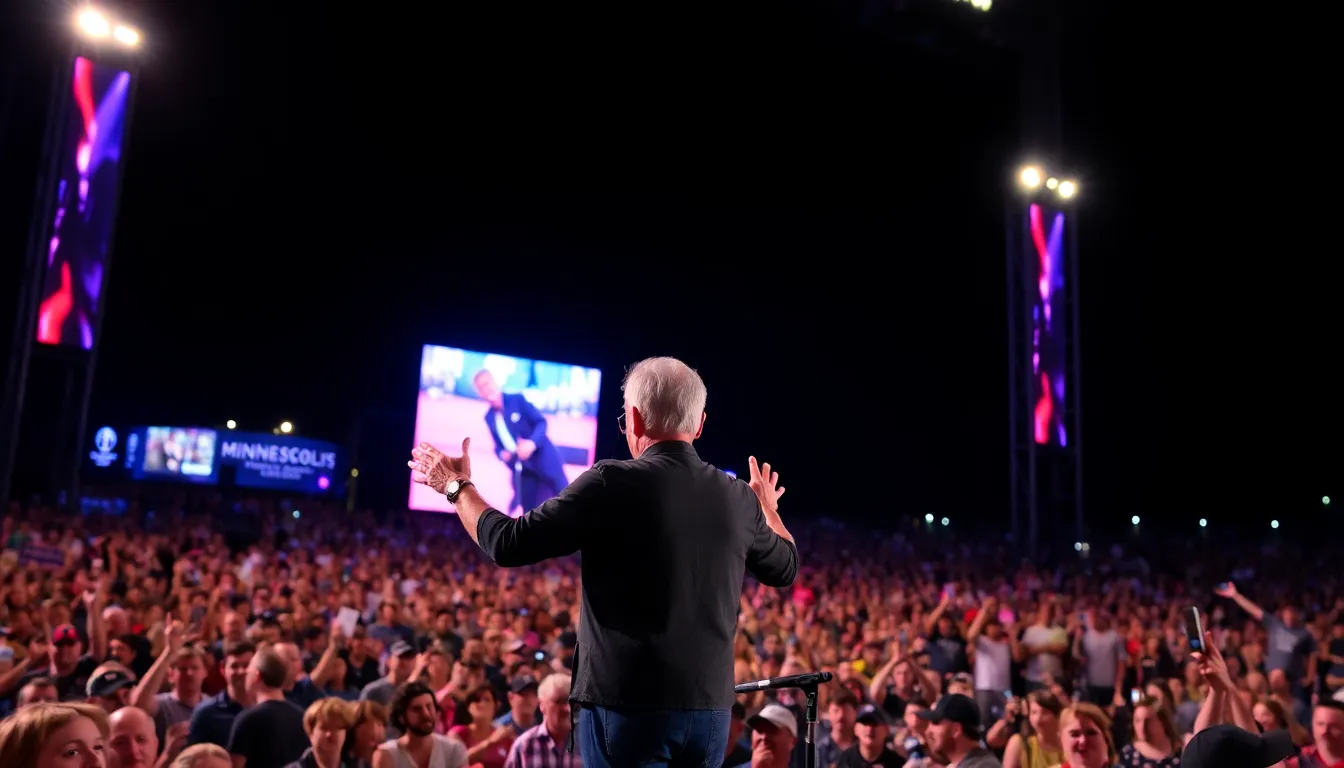
The backdrop of this concert is marked by the contentious political landscape shaped by the Trump administration. Since taking office in 2017, President Trump has often been criticized for his handling of various issues, including economic inequality, social justice, and truthfulness in governance. Springsteen’s remarks about Trump and the richest men in America echo a broader sentiment among many Americans who feel disenfranchised by policies that favor the wealthy over the working class.
Moreover, Springsteen’s criticism of Pam Bondi, a former Florida Attorney General and a prominent supporter of Trump, underscores the ongoing debate about accountability among public officials. Bondi’s controversial decisions during her tenure have drawn scrutiny, particularly regarding her handling of consumer protection issues and her ties to the Trump administration. This context adds a layer of urgency to Springsteen’s message, as he calls for a more equitable society.
Historical context of political engagement in music
Music has long been a vehicle for political expression, with artists using their platforms to challenge the status quo. From Bob Dylan’s protest songs in the 1960s to more contemporary artists addressing issues of race, gender, and inequality, musicians have played a crucial role in shaping public discourse. Springsteen, known for his poignant lyrics and storytelling, continues this tradition, using his Minneapolis stage to voice concerns that resonate with many Americans today.
Key issues raised by Springsteen regarding leadership and truth
In his recent speech at the Minneapolis tour opener, Bruce Springsteen addressed significant concerns regarding leadership in America, particularly focusing on President Trump, the wealth disparity among the richest Americans, and the political actions of figures like Pam Bondi. His remarks highlight the tensions between political accountability and the responsibilities of leadership.
Springsteen’s critique centers on the perceived failure of the current administration to uphold truth and transparency. This raises questions about the integrity of political discourse in the United States and the impact of misinformation on public trust. The singer’s comments reflect a broader sentiment among many citizens who feel disillusioned by the political climate.
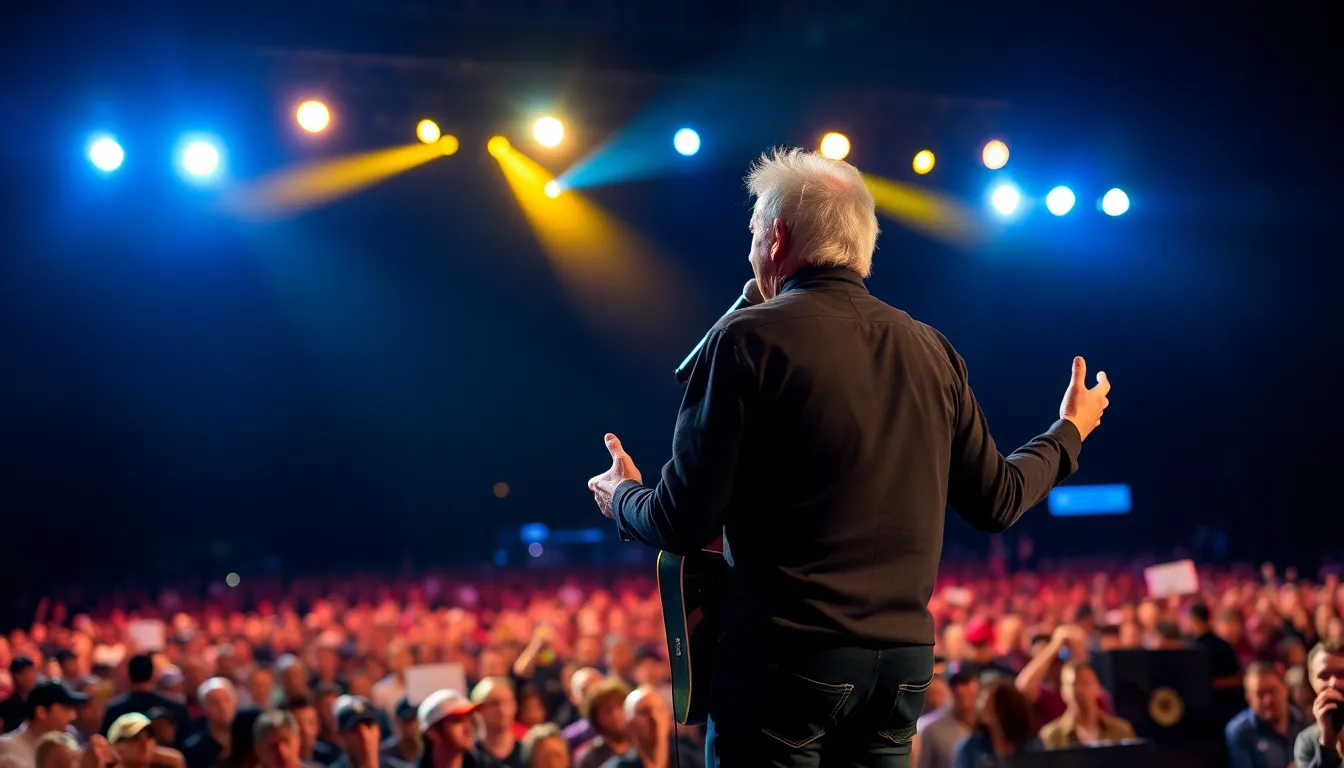
Key actors in this scenario include:
- Bruce Springsteen: A cultural icon using his platform to advocate for truth and accountability in leadership.
- Donald Trump: The former president, criticized for his handling of truth and transparency during his tenure.
- Pam Bondi: A political figure whose policies and actions have also come under scrutiny in relation to the issues raised by Springsteen.
- The American public: Voters and citizens who are directly affected by the political decisions and the economic disparities highlighted in the speech.
The economic implications of Springsteen’s critique are also significant. The focus on the richest men in America points to growing concerns over wealth inequality and its influence on political power. This raises the issue of how economic interests can shape policy decisions, often at the expense of the broader population. As wealth continues to concentrate, the potential for conflicts of interest in governance becomes more pronounced.
In summary, Springsteen’s speech serves as a rallying cry for accountability and truth in leadership, reflecting widespread concerns about the current political landscape. The interplay between these key actors and the issues they represent underscores the complexities of governance in a society grappling with economic inequality and a crisis of trust.
The potential effects of Springsteen’s remarks on his audience and beyond
Bruce Springsteen’s recent speech at the Minneapolis tour opener has the potential to resonate deeply with various groups, particularly his fans, political activists, and the general public concerned with social justice and political accountability. His criticisms of Donald Trump, the wealth disparity, and figures like Pam Bondi may galvanize those who feel disenfranchised by current political leadership.
In the short term, Springsteen’s remarks could energize his fan base, leading to increased attendance at concerts and heightened engagement on social media platforms. This surge in popularity may also influence ticket sales and merchandise, benefiting local businesses in the concert venues’ vicinity. Additionally, political organizations and grassroots movements may find new momentum, encouraging more people to participate in advocacy and civic engagement.
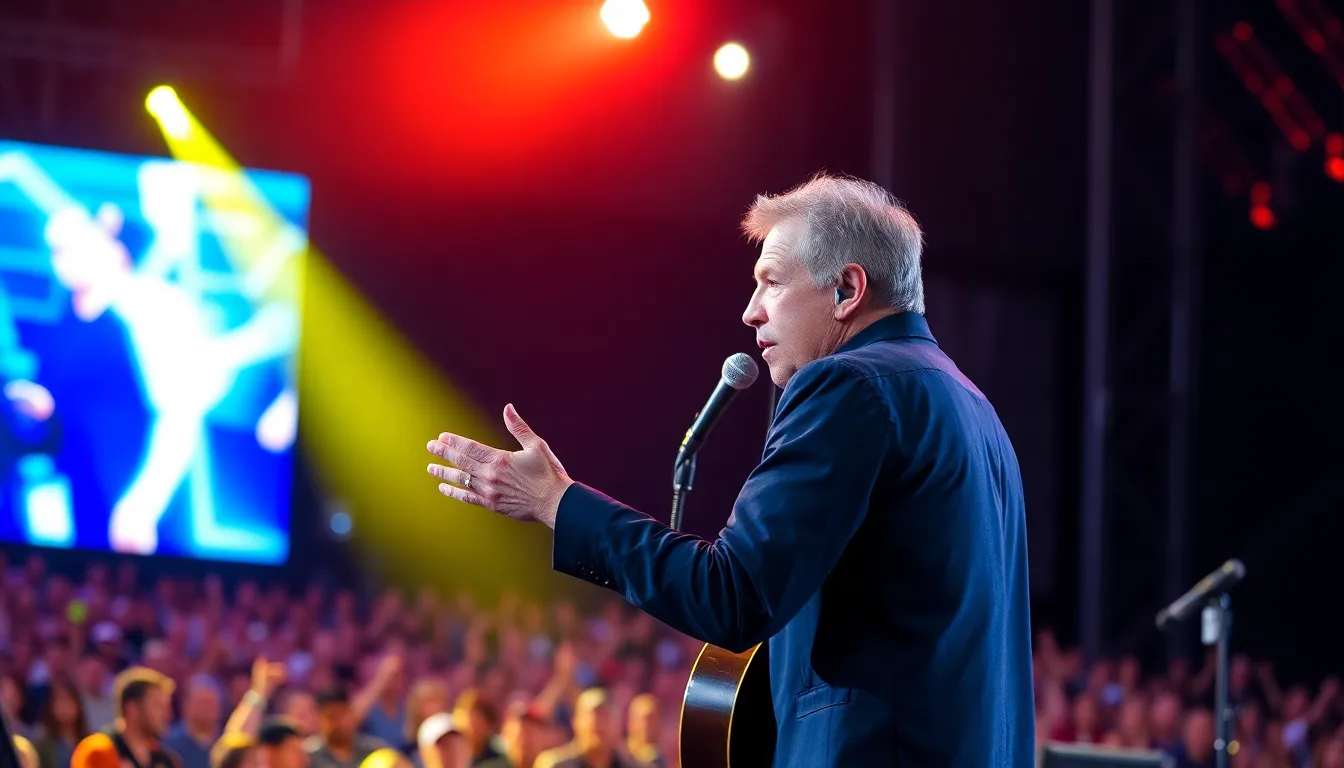
In the mid-term, the impact of Springsteen’s speech could extend to the broader music industry, as artists may feel inspired to take a stand on political issues, leading to a wave of socially conscious music. This could shift industry trends towards more politically charged content, affecting marketing strategies and audience expectations. Similarly, businesses that align themselves with these values may see a positive response from consumers, while those that remain neutral could face backlash.
- Fans and concert-goers: Increased engagement and participation in political discussions.
- Local businesses: Potential boost in sales due to concert-related activities.
- Political organizations: Enhanced mobilization and outreach efforts.
- Music industry: Shift towards more politically themed content.
However, there are risks associated with such outspoken remarks. Artists like Springsteen may face backlash from fans who disagree with his views, potentially leading to a divide within his audience. Additionally, businesses that openly support or oppose his stance may encounter polarized responses, affecting their bottom line. The political climate could also become more contentious, creating an environment where artists and businesses must navigate increased scrutiny and potential fallout from their associations.
A: Springsteen’s comments were prompted by his concerns over the current political climate and the leadership of President Trump, particularly regarding truth and accountability. A: The audience responded with enthusiasm and support, reflecting a shared sentiment regarding the issues raised by Springsteen during his performance. A: The main themes included a critique of wealth inequality, the importance of honesty in politics, and a call for greater accountability from leaders. A: Yes, Springsteen has been vocal in his criticism of Trump and has addressed various political issues throughout his career. A: Springsteen’s speech may encourage his fans to engage more actively in political discussions and consider the implications of leadership on society.
Frequently asked questions about Springsteen’s speech
Key takeaways from Springsteen’s Minneapolis performance
Bruce Springsteen’s recent remarks during his Minneapolis tour opener underscore the increasing intersection of music and political discourse. His pointed critiques of Trump, the wealth disparity among America’s elite, and figures like Pam Bondi reflect a broader sentiment among artists who feel compelled to address social and political issues. As Springsteen’s music has long been a vehicle for storytelling and social commentary, his latest statements may resonate with fans and provoke discussions about accountability and leadership in contemporary society.
Moving forward, it will be essential to monitor how Springsteen’s message influences public sentiment and the potential ripple effects on political engagement among his audience. The art of performance can serve as a catalyst for change, and Springsteen’s passionate delivery may inspire a renewed commitment to activism and civic responsibility among his followers.
- Springsteen’s critique may energize his fanbase to engage more actively in political discussions and actions.
- Expect increased scrutiny of political figures and wealthy elites as artists continue to leverage their platforms for social commentary.
- His performance could signal a trend where musicians become more vocal about their political stances, shaping public narratives.
- Fans may seek deeper connections between the themes in Springsteen’s music and contemporary social issues, fostering a culture of awareness.
- As the political landscape evolves, artists like Springsteen may play a crucial role in reflecting and shaping public opinion.