
The rally attracted a diverse crowd, including activists, community leaders, and citizens committed to change. As Springsteen sang, he emphasized themes of resilience and unity, stating, “Your strength and commitment told us this is still America.” His words aimed to inspire hope and collective action amidst the challenges faced by marginalized communities.
The event not only celebrated the progress made since Floyd’s death but also served as a reminder of the work that remains, as discussed in other events like WGA Standoff With Striking Staff.
By merging music with activism, the rally sought to engage a broader audience, much like the way Slick Rick reflects on his influence on hip-hop.
Understanding the significance of the No Kings Rally
The No Kings Rally, held in St. Paul, Minnesota, is a significant event that underscores the ongoing struggles for social justice and equality in the United States. This rally, which took place against the backdrop of heightened political tensions and social unrest, seeks to address systemic issues that have persisted for decades, particularly those affecting marginalized communities. The choice of Bruce Springsteen to perform at this rally is emblematic of the intersection between music, activism, and the fight for civil rights.
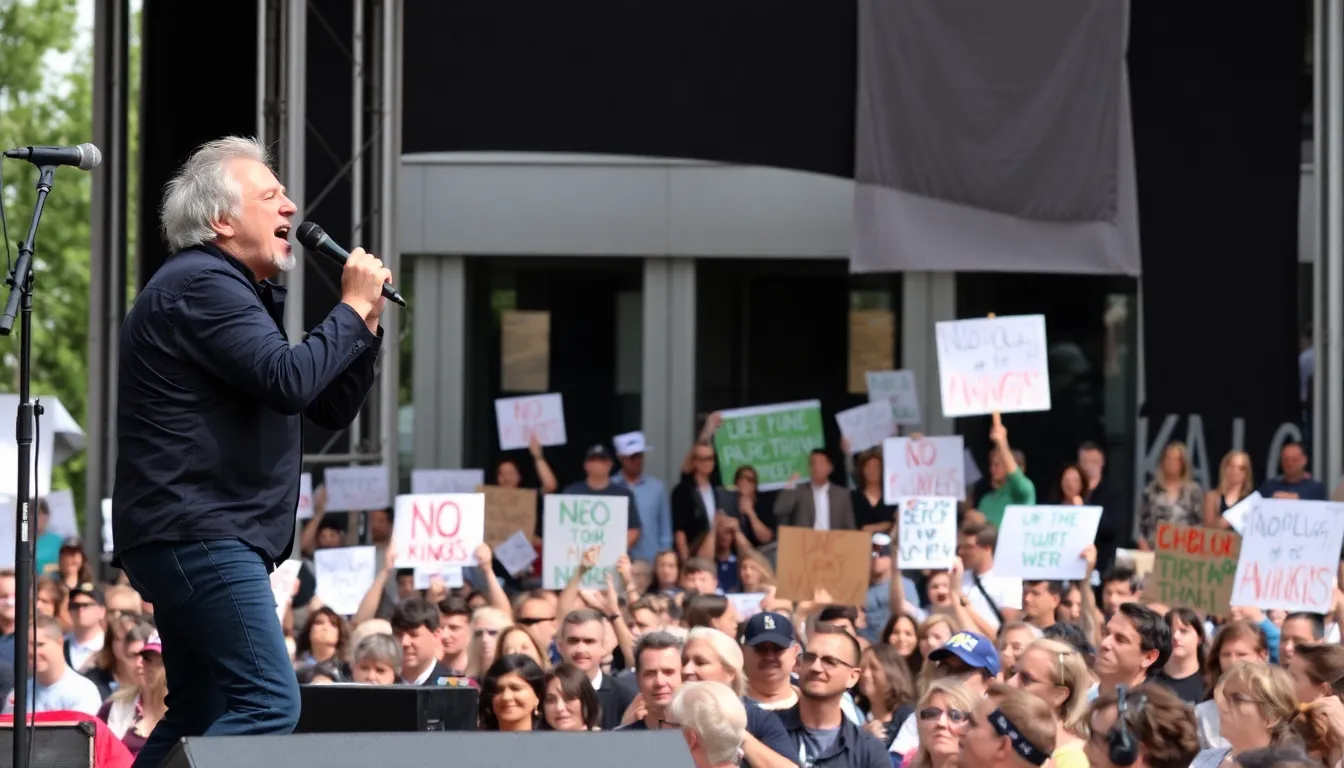
Historically, Minnesota has been a focal point for civil rights activism, with its own unique challenges and triumphs. The state has seen a series of pivotal moments, from the civil rights movement of the 1960s to more recent events such as the murder of George Floyd in 2020, which ignited protests and calls for reform across the nation. Springsteen’s performance of “Streets of Minneapolis” serves as a poignant reminder of these events and the ongoing fight for justice and equality.
The Role of Music in Activism
Music has long played a crucial role in social movements, providing a voice for the voiceless and uniting individuals around a common cause. Artists like Bruce Springsteen have used their platforms to raise awareness about social issues, often drawing from their own experiences and observations. The No Kings Rally exemplifies how music can galvanize communities, inspire action, and foster a sense of solidarity among those striving for change.
As the nation grapples with issues of economic disparity, racial injustice, and political division, events like the No Kings Rally highlight the importance of community engagement and activism. The rally not only serves as a platform for musical expression but also as a call to action for individuals to stand together in the face of adversity and to advocate for a more equitable society. Springsteen’s words at the rally, emphasizing strength and commitment, resonate deeply with the audience, reinforcing the message that the fight for justice is far from over.
Key issues surrounding the rally and its message
The No Kings Rally in St. Paul, featuring Bruce Springsteen’s performance of “Streets of Minneapolis,” brought together a diverse group of stakeholders, each with their own interests and motivations. Key actors included local government officials, community organizers, and citizens advocating for social justice and equality. This convergence highlighted the ongoing struggles faced by marginalized communities in America.
Local government officials, including the mayor and city council members, aimed to demonstrate their commitment to inclusivity and support for community-led initiatives. Their presence at the rally signaled an effort to align with public sentiment while addressing issues such as systemic racism and economic inequality. However, this alignment also raised questions about the effectiveness of government policies in enacting real change.
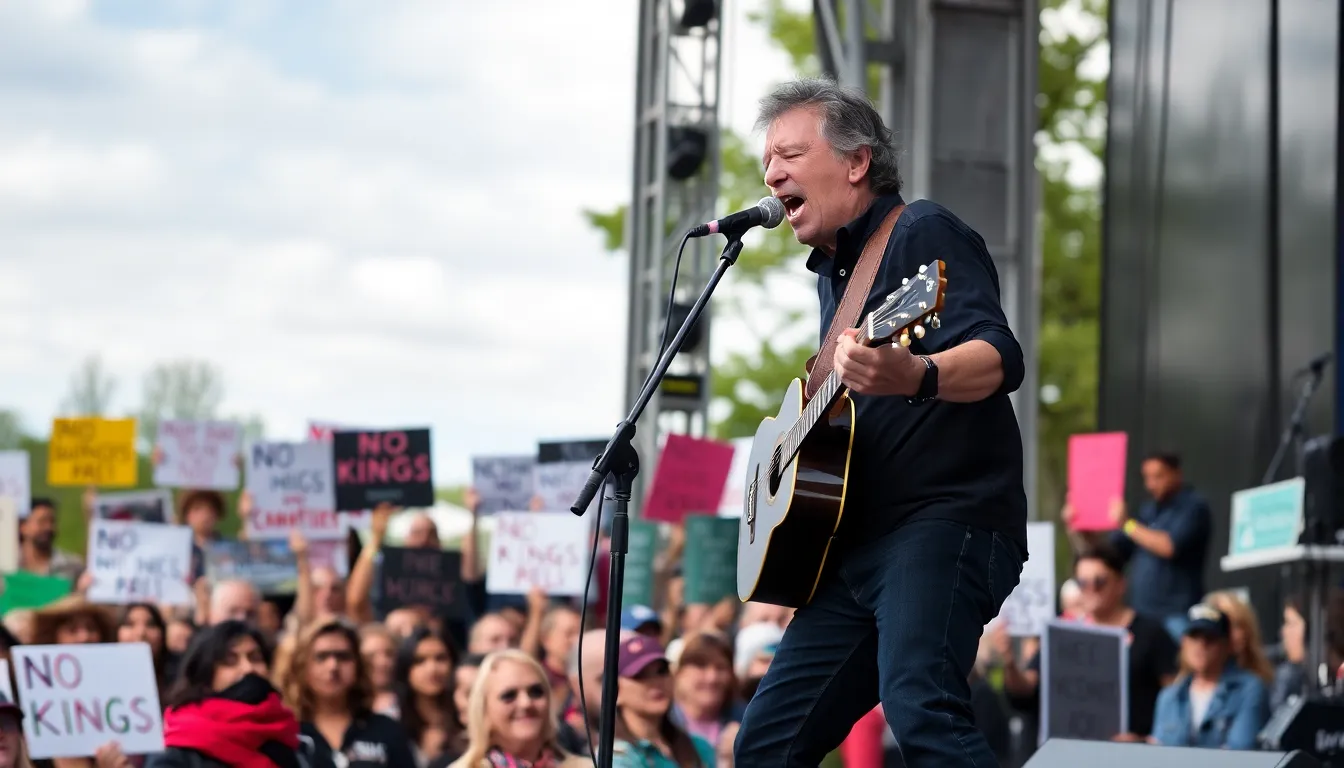
Community organizations played a pivotal role in mobilizing participants and framing the rally’s message. Their interests often centered around fostering solidarity among diverse groups and advocating for policy reforms that address social injustices. However, conflicts can arise when differing priorities emerge among these organizations, potentially leading to fragmentation of efforts and diluted messages.
- Economic Inequality: The rally highlighted the stark disparities in wealth and opportunity that persist in many American cities, particularly affecting communities of color.
- Political Accountability: Attendees called for greater accountability from elected officials, emphasizing the need for tangible actions rather than mere symbolic gestures.
- Community Solidarity: The event served as a platform for various groups to unite, showcasing the power of collective action in advocating for change.
- Legal Frameworks: Discussions around the need for legal reforms to address systemic issues were prevalent, particularly in relation to policing and civil rights.
The interplay of interests and conflicts among these actors underscores the complexity of achieving meaningful progress in the fight for justice and equality, similar to the challenges outlined in the recent news about Barry Caldwell’s legacy.
The rally’s influence on the community and beyond
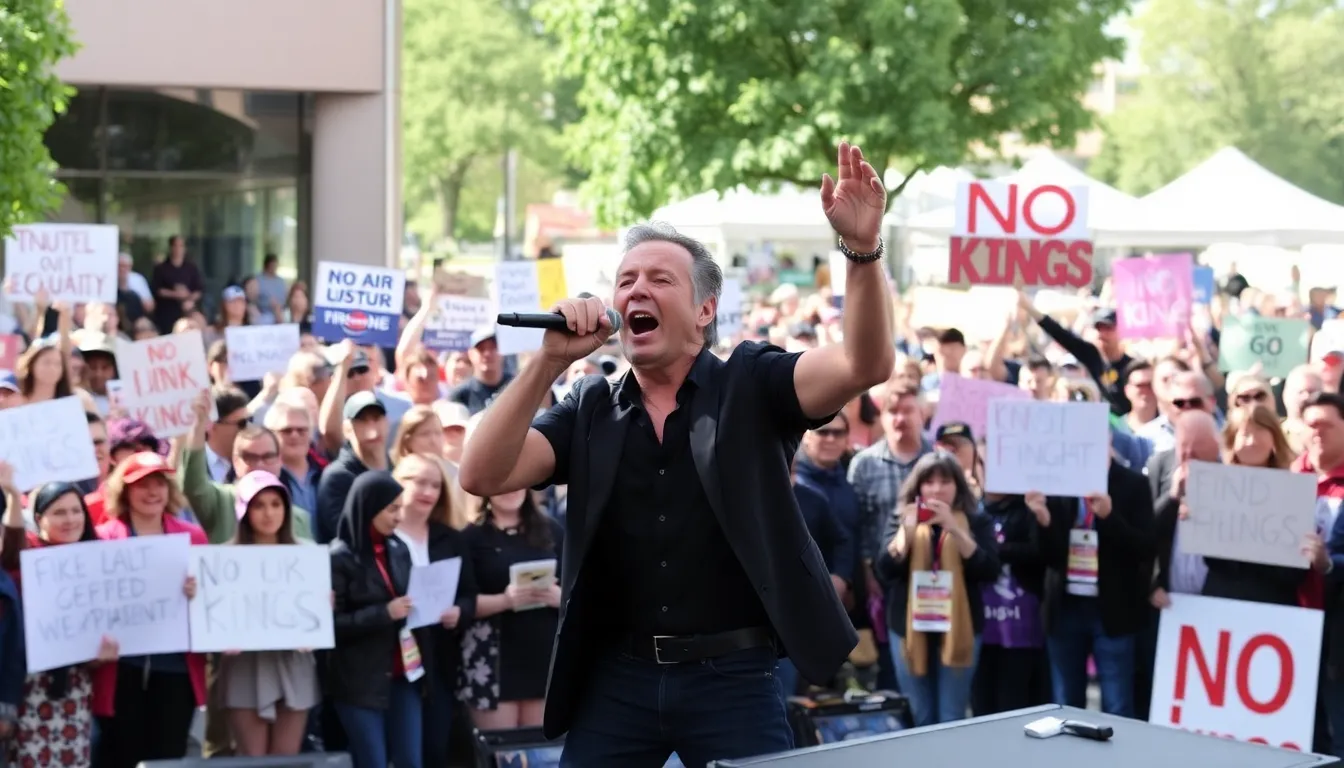
The recent performance by Bruce Springsteen at the No Kings Rally in St. Paul has reverberated through various segments of the community, particularly affecting local residents, musicians, and the broader cultural landscape. The event not only drew attention to pressing social issues but also highlighted the resilience of the community in the face of challenges.
In the short term, the rally has invigorated local businesses, especially those in the hospitality and retail sectors. Restaurants, bars, and shops in the vicinity likely experienced increased foot traffic as attendees sought to engage with the local culture and support businesses in the area. This uptick in economic activity can provide a much-needed boost to the local economy.
Mid-term impacts may include a renewed focus on community initiatives and policy changes aimed at addressing social justice issues. The rally’s message of strength and commitment could inspire local leaders to prioritize policies that promote equity and inclusion, potentially reshaping local governance and community programs.
- Local Businesses: Increased sales and customer engagement.
- Social Movements: Heightened awareness and activism around social justice issues.
- Cultural Impact: Greater visibility for local artists and musicians.
- Policy Changes: Potential for new initiatives aimed at community support.
However, there are also risks associated with heightened activism. Increased tensions between different community factions could arise, leading to potential conflicts. Additionally, if the momentum from the rally does not translate into sustained action, there may be disillusionment among supporters, which could hinder future community efforts.
On the flip side, the rally presents opportunities for collaboration among local organizations, artists, and businesses. By capitalizing on the energy generated by the event, stakeholders can work together to foster a more engaged and resilient community, ultimately leading to long-lasting positive change.
A: The No Kings Rally aimed to promote unity and resilience in the face of social challenges, highlighting the strength of the community. A: Bruce Springsteen performed this song to resonate with the themes of struggle and perseverance that the rally represented. A: The audience responded with enthusiasm and solidarity, reflecting the rally’s message of hope and commitment. A: The rally emphasized themes of strength, commitment, and the enduring spirit of America amidst adversity. A: Organizers have indicated that they plan to hold more events to continue fostering community engagement and activism.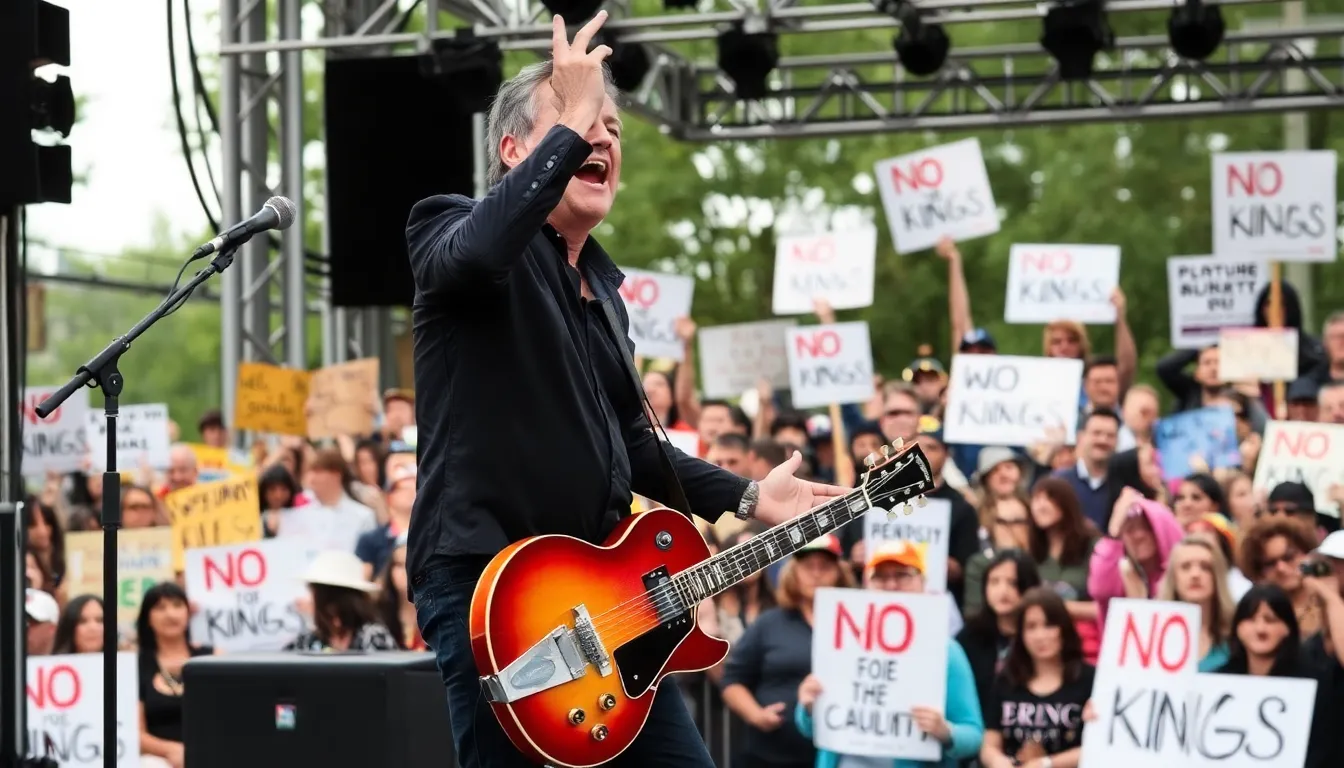
Frequently asked questions about the No Kings Rally
Key takeaways and future implications of the event
Bruce Springsteen’s performance of ‘Streets of Minneapolis’ at the No Kings Rally in St. Paul resonated deeply with attendees, serving as a powerful reminder of the ongoing struggles and resilience within American communities. His message of strength and commitment highlighted the importance of unity and activism in the face of adversity, suggesting a renewed focus on civic engagement and social justice.
As we reflect on this event, it becomes clear that cultural figures like Springsteen play a significant role in shaping public discourse and inspiring collective action. The implications of this rally extend beyond the immediate moment, urging communities to remain vigilant and proactive in advocating for their rights and values.
- The rally underscores the importance of artistic expression in social movements, encouraging more artists to engage with critical societal issues.
- Community solidarity is vital; similar events could foster deeper connections among diverse groups advocating for change.
- Continued dialogue around social justice and civic responsibility will likely gain momentum, influencing future political and cultural landscapes.
- Expect to see increased participation in grassroots movements as individuals feel empowered by messages of resilience and hope.
- The event may inspire further collaboration between musicians and activists, creating new platforms for advocacy.