
The Starship rocket, which stands at 120 meters tall, is the most powerful launch vehicle ever built. This test was the first full-scale flight of the Starship system, following a series of successful static fire tests and shorter hop tests. The launch took place from SpaceX’s Starbase facility in Boca Chica, Texas, showcasing the company’s progress in developing reusable rocket technology.
During the flight, the rocket successfully lifted off and cleared the launch pad, demonstrating the capabilities of its Raptor engines. However, shortly after reaching its peak altitude, the vehicle experienced a rapid unscheduled disassembly, resulting in an explosion. Despite this outcome, SpaceX officials noted that the data collected during the flight will be invaluable for future missions and improvements.
This test flight is crucial for SpaceX as it prepares for upcoming missions, including NASA’s Artemis program, which aims to return humans to the Moon. The success of the Starship system is essential for achieving long-term goals of interplanetary travel and establishing a human presence on Mars. As the company analyzes the results from this flight, the aerospace community remains focused on the implications for future space exploration endeavors.
Background on SpaceX and the Starship program
SpaceX, founded by Elon Musk in 2002, has rapidly evolved from a small startup to a leading player in the aerospace industry. The company’s mission is to reduce space transportation costs and enable the colonization of Mars. This ambitious vision has driven the development of several key spacecraft, culminating in the Starship program, which aims to create a fully reusable spacecraft capable of carrying humans and cargo to destinations beyond Earth.
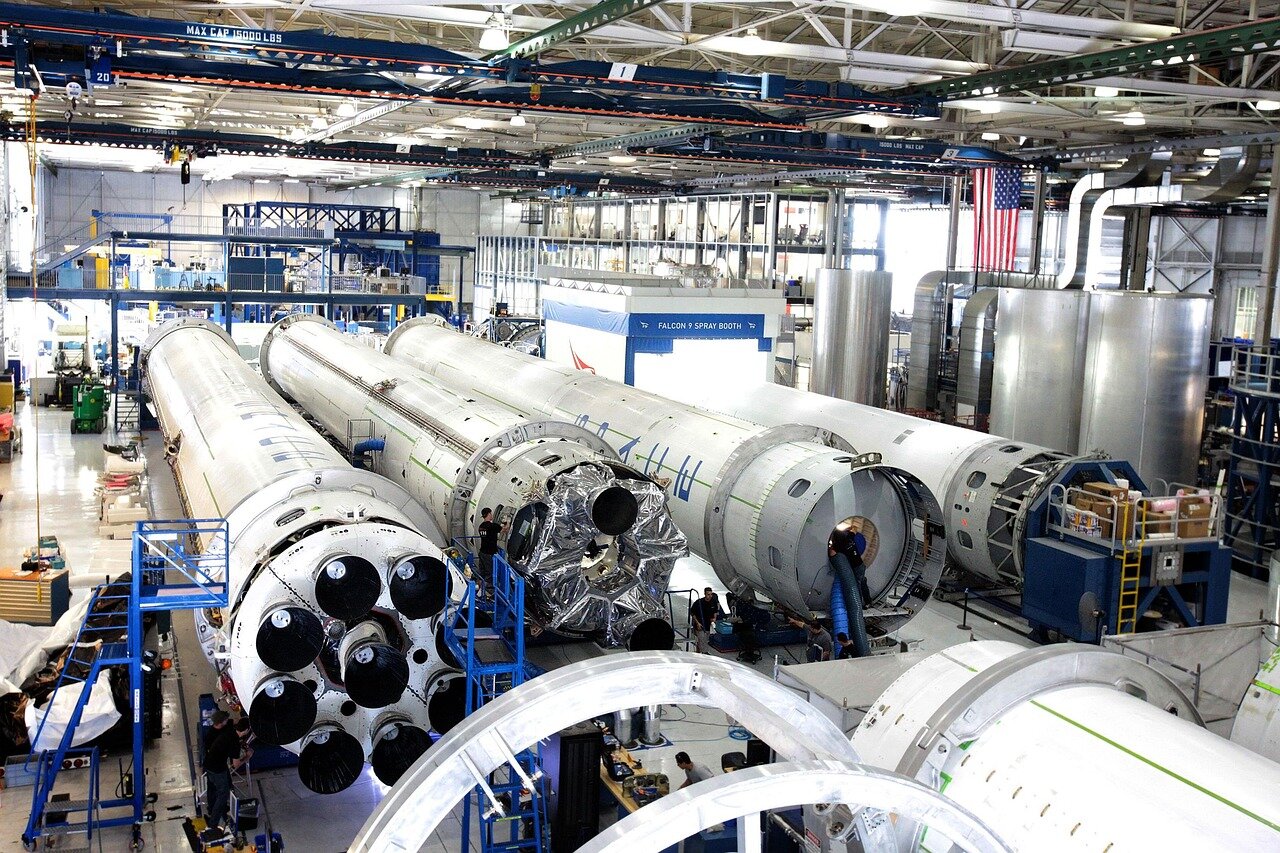
The Starship program has its roots in earlier SpaceX projects, such as the Falcon 1 and Falcon 9 rockets. These initial successes provided the technical foundation and funding necessary for the more complex Starship system. In 2016, SpaceX unveiled the Starship concept, initially known as the Interplanetary Transport System, which promised to revolutionize space travel with its innovative design and capabilities.
Key Milestones in the Starship Program
Since its inception, the Starship program has achieved several significant milestones. In 2019, SpaceX conducted its first high-altitude flight test of the Starship prototype, which, despite a hard landing, demonstrated critical flight maneuvers. Subsequent tests saw improvements and refinements, including the successful landing of the SN15 prototype in May 2021. Each test provided valuable data that informed the design and engineering of the final version of Starship.
The political and regulatory landscape has also played a crucial role in the development of the Starship program. SpaceX has worked closely with the Federal Aviation Administration (FAA) to secure the necessary permits for testing and launches. However, this relationship has not been without challenges, as environmental concerns and regulatory hurdles have occasionally delayed progress. Despite these obstacles, SpaceX’s commitment to innovation and its ability to adapt have kept the Starship program on track for its ambitious goals.
As of now, the successful completion of the latest Starship flight marks a pivotal moment in the program’s history. This flight not only showcases SpaceX’s technological advancements but also reinforces the company’s position as a frontrunner in the new space race, where both government and private entities are vying for leadership in space exploration and commercialization.
Key stakeholders and issues surrounding the flight
The recent flight of SpaceX’s Starship rocket has garnered attention from various stakeholders, each with distinct interests and concerns. Key actors include SpaceX, NASA, regulatory bodies, environmental groups, and the general public. Each of these stakeholders plays a vital role in shaping the discourse around the implications of such space endeavors.
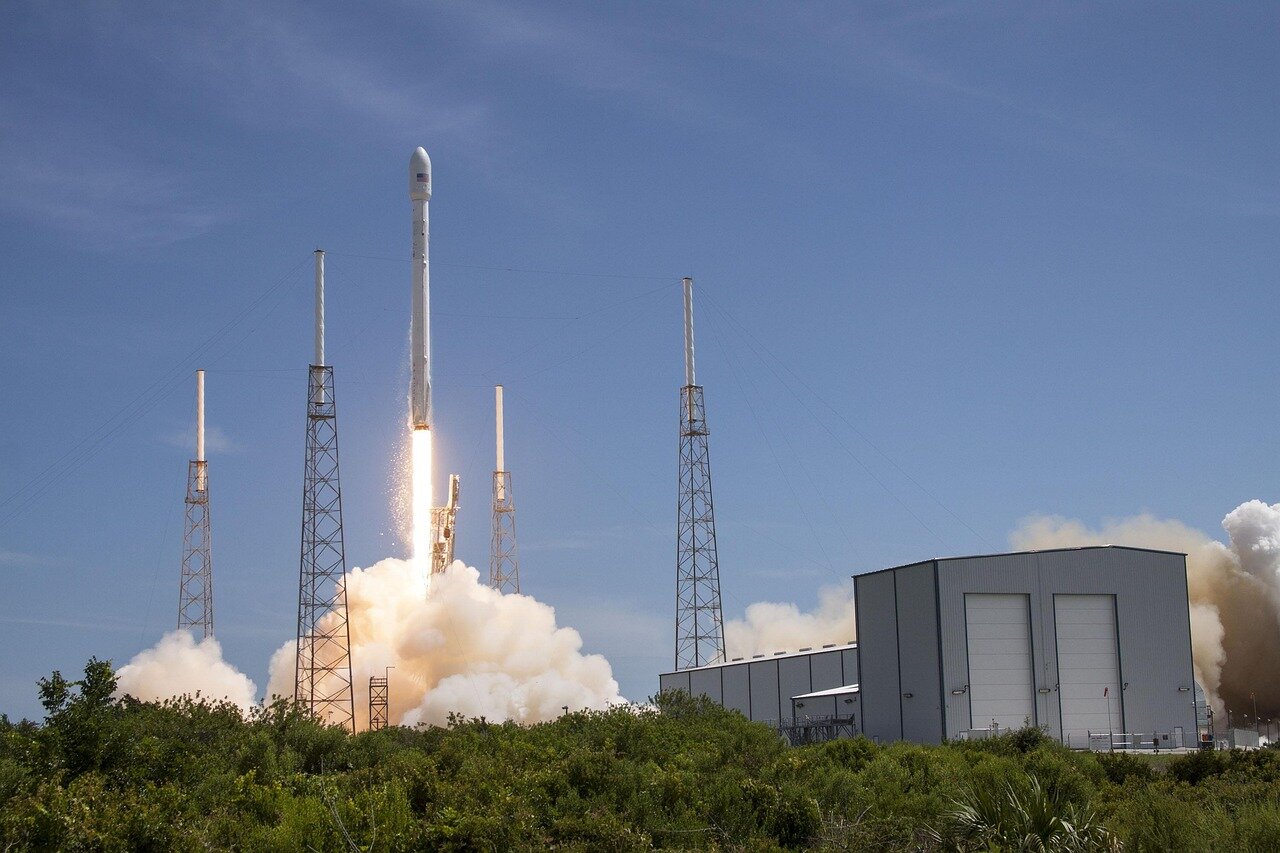
SpaceX, as the primary entity behind the Starship program, is focused on advancing its technology to achieve ambitious goals, including Mars colonization and increased satellite deployment. Their success not only bolsters their business model but also enhances their reputation as a leader in aerospace innovation. However, the company faces challenges related to regulatory compliance and safety assurances, particularly concerning the environmental impact of its launches.
NASA, a significant partner and competitor, has vested interests in the success of SpaceX’s missions, as they rely on private companies for transportation to the International Space Station and beyond. Their collaboration with SpaceX under the Artemis program highlights the need for reliable spacecraft. However, NASA must also ensure that safety and environmental standards are met, which can lead to tensions between innovation speed and regulatory compliance.
Regulatory bodies, such as the Federal Aviation Administration (FAA), are tasked with overseeing the safety and environmental regulations associated with space launches. Their role is crucial in balancing the rapid advancements in space technology with public safety and environmental protection. Conflicts may arise when regulatory processes slow down innovation or when companies perceive these regulations as overly restrictive.
- Environmental Concerns: Launches can have significant ecological impacts, raising concerns from environmental groups about wildlife and air quality.
- Economic Implications: The commercialization of space travel opens avenues for economic growth but also raises questions about equitable access.
- Public Safety: Ensuring the safety of communities surrounding launch sites is paramount, leading to scrutiny of risk management practices.
- International Competition: As other nations ramp up their space programs, the geopolitical implications of space exploration become more pronounced.
In summary, the interplay between these stakeholders reveals a complex landscape of interests and challenges. As SpaceX continues to push the boundaries of space travel, the outcomes of these interactions will significantly shape the future of aerospace exploration and its impact on society at large.
Impact on the space industry and future missions
The completion of SpaceX’s mostly successful Starship rocket flight has significant implications for various groups, industries, and regions. Key stakeholders include aerospace companies, government space agencies, and research institutions, all of which are closely monitoring the developments. The successful demonstration of advanced rocket technology not only boosts confidence in SpaceX’s capabilities but also raises the competitive stakes within the space industry.
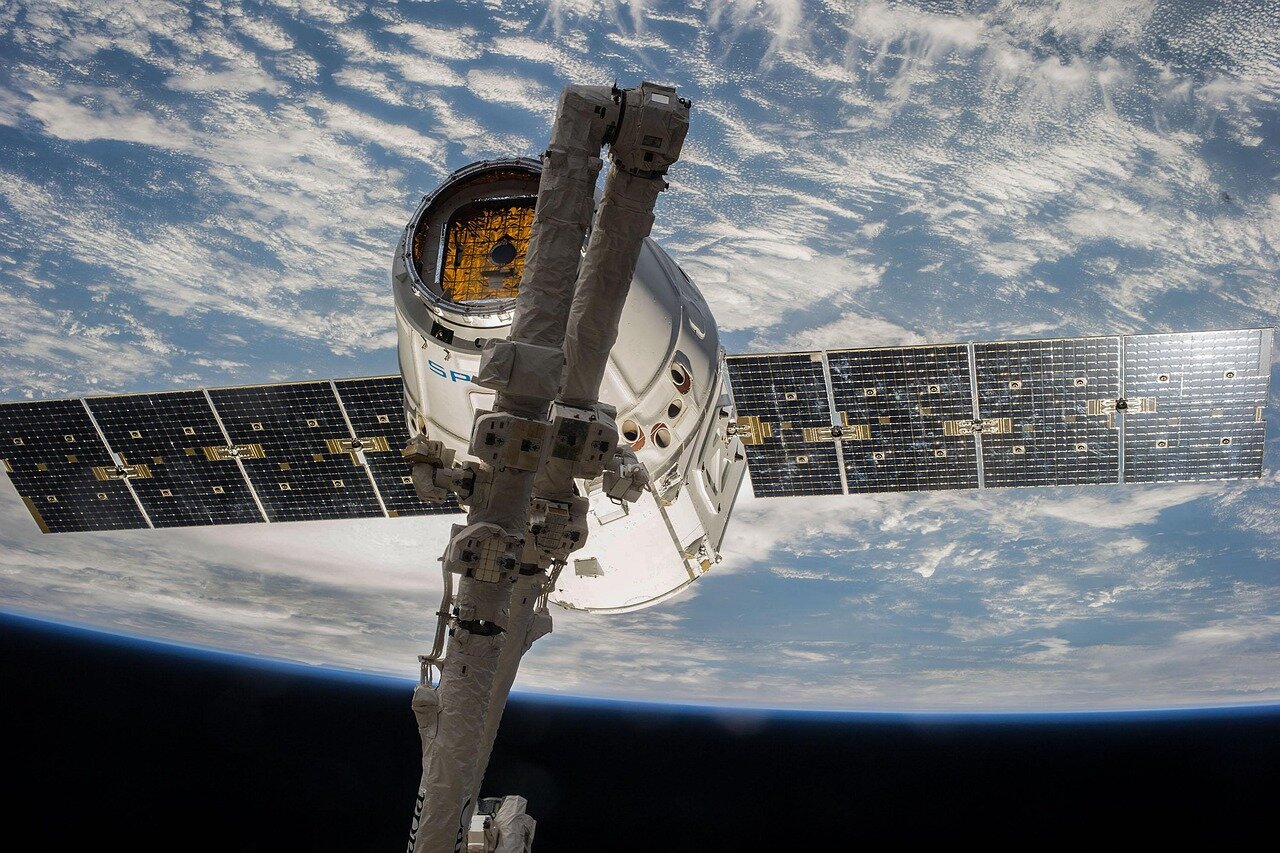
In the short term, businesses involved in satellite deployment and space tourism may see increased interest and investment. The successful flight could lead to a surge in demand for commercial launch services, as companies and governments look to leverage SpaceX’s advancements. Additionally, regions with SpaceX operations, such as Texas and Florida, may experience economic boosts from job creation and increased tourism related to space launches.
Mid-term impacts could include shifts in policy and funding for space exploration. Governments may allocate more resources to collaborate with private companies like SpaceX, fostering public-private partnerships that enhance innovation. Furthermore, the success of Starship could catalyze new regulations and safety standards, as regulators adapt to the evolving landscape of commercial spaceflight.
- Opportunities: Increased investment in aerospace technology and satellite deployment.
- Risks: Potential regulatory hurdles and environmental concerns related to rocket launches.
- Economic Impact: Job creation in regions hosting SpaceX facilities and related businesses.
- Policy Changes: Possible shifts in government funding and collaboration with private space companies.
Overall, the implications of SpaceX’s recent flight extend beyond the immediate success, shaping the future of space exploration and influencing various sectors and communities involved in this rapidly evolving field.
A: The primary goal of the Starship flight was to test the rocket’s capabilities and gather data for future missions, including potential crewed flights to the Moon and Mars. A: Mostly successful indicates that while the flight achieved many objectives, there were some issues or anomalies that need to be addressed before the next launch. A: This flight represents a significant step forward in SpaceX’s ambitions, as it involved a fully integrated Starship system, unlike previous missions that focused on smaller rockets. A: Following this flight, SpaceX plans to analyze the data collected, make necessary improvements, and prepare for the next series of tests and potential launches. A: This flight reinforces SpaceX’s leadership position in the space industry, potentially increasing competition as other companies strive to match its advancements.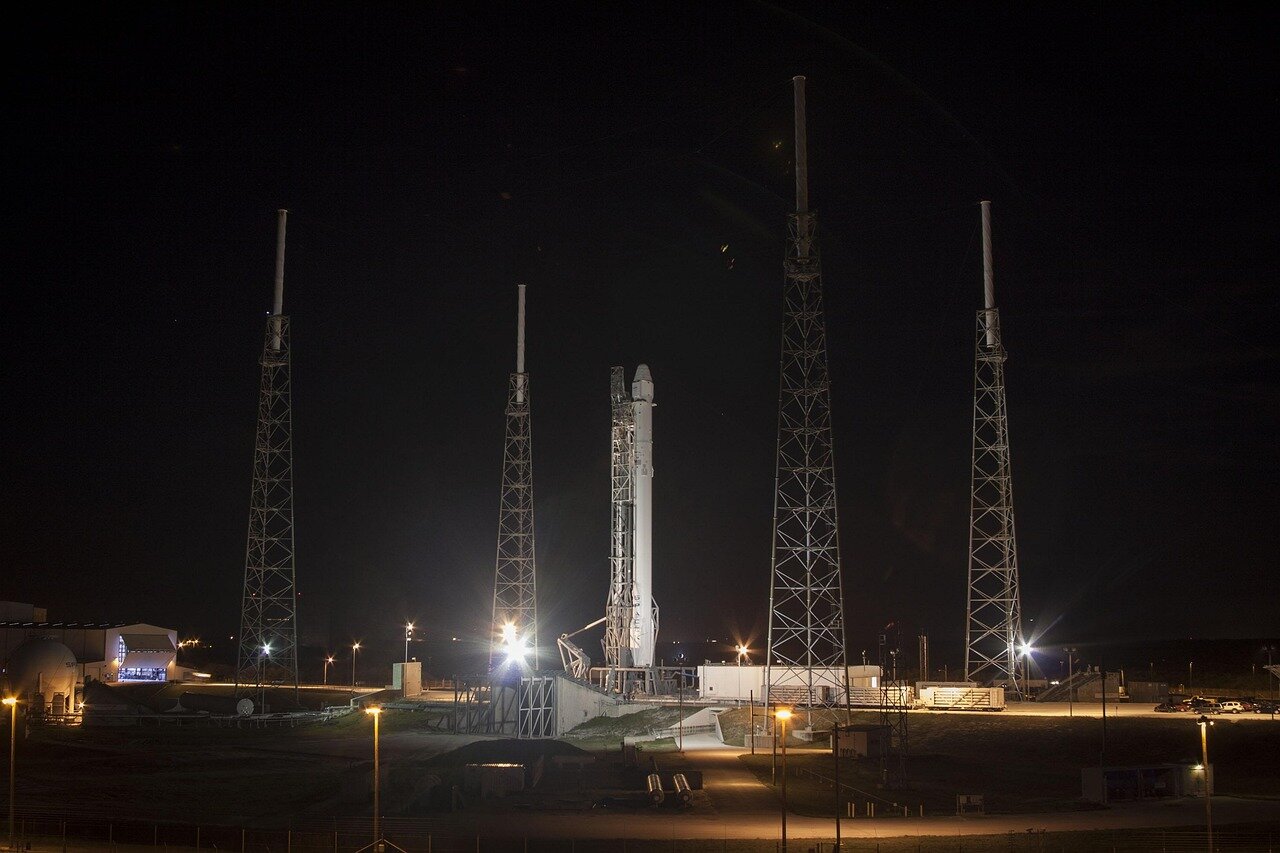
Frequently asked questions about the Starship flight
Key takeaways and future outlook for SpaceX
The recent flight of SpaceX’s Starship has marked a significant milestone in the company’s ambitious plans for space exploration and transportation. Despite some challenges during the launch, the overall success of the mission demonstrates the potential for rapid advancements in rocket technology and the growing capabilities of reusable launch systems. This event not only highlights SpaceX’s resilience but also sets the stage for future missions that could redefine human presence beyond Earth.
As SpaceX continues to refine its technology and processes, several key implications emerge for the aerospace industry and beyond. Stakeholders should pay close attention to the developments in regulatory frameworks, potential partnerships, and the evolving landscape of commercial space travel.
- Regulatory Environment: Watch for changes in regulations that may facilitate or hinder future launches, as well as how SpaceX navigates these challenges.
- Commercial Partnerships: The potential for collaborations with government agencies and private enterprises could accelerate innovation and expand market opportunities.
- Technological Advancements: Continued improvements in rocket design and reusability will likely lead to cost reductions and increased frequency of launches.
- Public Interest and Investment: Growing public interest in space exploration may drive investment and support for future missions, influencing the overall market dynamics.
- International Competition: As other nations ramp up their space programs, the dynamics of global space exploration could shift, impacting SpaceX’s strategies and operations.