
The match, which took place at the Seoul World Cup Stadium, ended with a score of 2-1 in favor of North Korea. The game was characterized by intense competition, with North Korean players showcasing exceptional skill and teamwork, ultimately overcoming their South Korean counterparts in front of a passionate crowd.
This victory is not just a sporting achievement; it has broader implications for diplomatic relations between the two Koreas and could be seen as a step toward cultural exchanges. The tournament, which featured teams from various countries, provided a rare opportunity for North Korea to engage with the international community, potentially easing tensions that have historically plagued the region.
Analysts suggest that this win could influence future discussions regarding sports diplomacy and cultural exchanges between North and South Korea. As both nations navigate their complex relationship, events like this highlight the potential for soft power to foster dialogue and understanding.
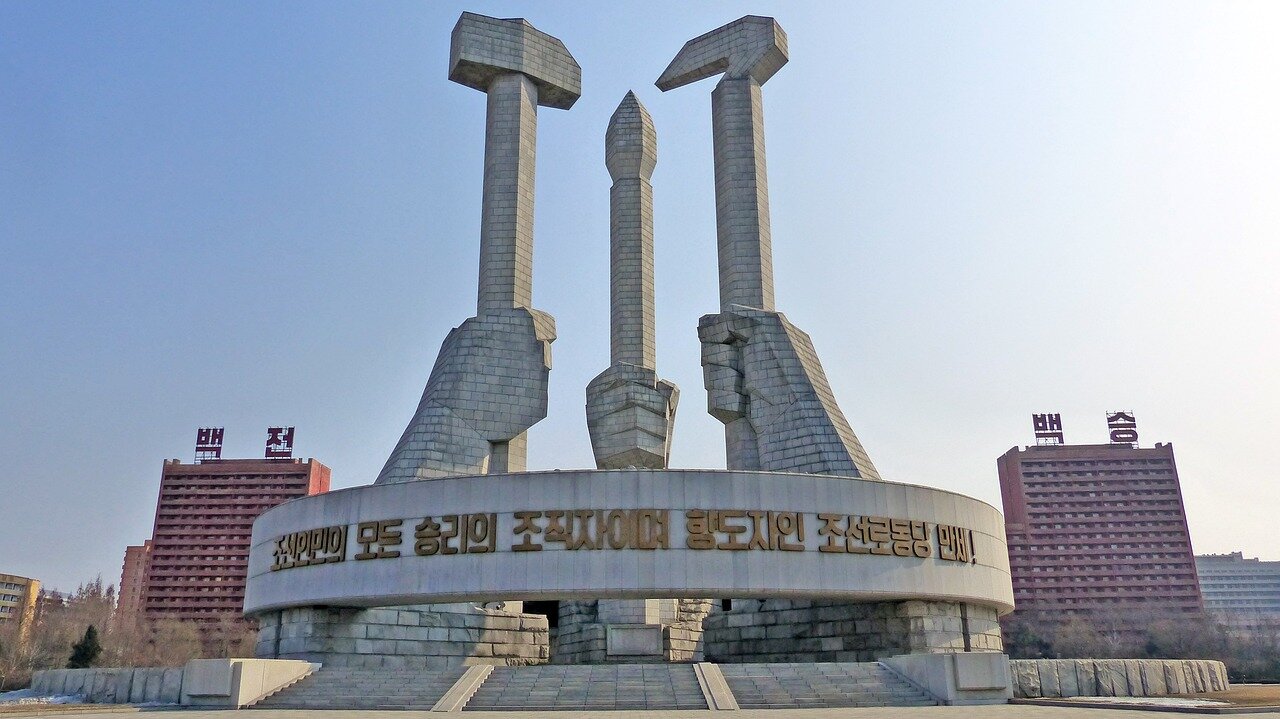
Understanding the significance of the match in a divided Korea
The recent victory of the North Korean team in a final match held in South Korea has stirred significant interest and debate, highlighting the complex relationship between the two nations. This event is not merely a sporting achievement; it resonates deeply within the historical and political context of the Korean Peninsula, which has been divided since the end of the Korean War in 1953. The match serves as a reminder of the ongoing tensions and the cultural ties that persist despite decades of separation.
Historically, the Korean Peninsula was a unified nation until its division into North and South Korea following World War II, and events like the 2000 Sydney Olympics and the 2018 Winter Olympics have showcased moments of unity amidst ongoing political strife.
The Role of Sports in Diplomacy
Sports diplomacy has played a crucial role in fostering dialogue between North and South Korea. Matches and tournaments have provided opportunities for athletes from both sides to interact, often leading to moments of shared joy and camaraderie. The recent final, which saw North Korea triumph, not only highlights the athletic prowess of the North but also serves as a potential catalyst for discussions around peace and cooperation. Such events can evoke national pride and may influence public sentiment towards greater engagement between the two Koreas.
Economically, the sporting events are significant as they can impact tourism and trade. A successful sporting event can enhance the host country’s image, attract visitors, and open channels for economic cooperation. For North Korea, a win in South Korea could bolster its international standing, especially in light of ongoing sanctions and economic challenges. This victory may be leveraged by the North Korean regime to promote a narrative of strength and success to its citizens, reinforcing the idea of national pride in the face of adversity.

In conclusion, the North Korean victory in South Korea is emblematic of the complex interplay between sports, politics, and national identity on the Korean Peninsula. It serves as a reminder of the historical divisions that persist, while also highlighting the potential for sports to bridge gaps and foster dialogue in a region long marked by conflict.
Key stakeholders and implications of the North’s victory
The recent victory of North Korea in a high-profile competition held in South Korea has sparked a range of reactions from various stakeholders, each with their own interests and implications. Key actors include the North Korean government, the South Korean administration, international sports organizations, and the citizens of both nations.
North Korea, represented by its government and athletes, seeks to bolster national pride and demonstrate its capabilities on an international stage. This victory serves not only as a sporting achievement but also as a political tool to strengthen the regime’s image domestically and abroad. The North aims to leverage this win to showcase a narrative of resilience and strength amidst ongoing sanctions and diplomatic isolation.
On the other hand, the South Korean government faces a complex situation. While the victory may foster a temporary sense of goodwill, it also raises concerns regarding the implications for inter-Korean relations. There is a delicate balance to maintain; any overt celebration of the North’s success could be perceived negatively by segments of the South Korean populace who are wary of the North’s intentions.
- International Relations: The win may alter the dynamics of diplomatic engagement between North and South Korea, influencing future negotiations.
- Public Sentiment: Both North and South Korean citizens may have differing reactions, with some viewing the victory as a unifying moment and others as a reminder of the ongoing tensions.
- Economic Factors: The event could impact economic discussions, particularly around potential collaborations in sports and cultural exchanges.
- Legal Issues: Questions may arise regarding the legitimacy of the competition and the participation of North Korean athletes under current sanctions.
In summary, the victory of North Korea in South Korea is not merely a sports achievement; it encapsulates a broader spectrum of political, social, and economic implications that resonate beyond the field, as stakeholders must navigate these complexities while considering the potential ramifications of this event on future interactions.
Potential effects on inter-Korean relations and sports diplomacy
The recent victory of the North Korean team in the final held in South Korea has far-reaching implications for various groups and industries. Primarily, this event affects sports organizations, government officials, and the general populace in both North and South Korea. The outcome may serve as a catalyst for renewed dialogue between the two nations, impacting diplomatic relations and public sentiment.
In the short term, the victory could lead to increased interest in sports diplomacy, with both governments potentially leveraging the event to promote unity. Local businesses in South Korea, particularly those in the hospitality and tourism sectors, might see a temporary surge in activity as fans and media flock to celebrate or cover the event. Conversely, some businesses may face challenges if tensions arise over the implications of the victory.
Mid-term impacts could include shifts in public policy regarding inter-Korean relations, as officials might feel pressured to engage more actively in dialogue or collaborative sports events. This could lead to increased funding for sports initiatives that promote peace and cooperation, benefiting athletes and sports organizations in both countries.
- Risks: Potential backlash from hardline factions within both nations could escalate tensions, affecting tourism and investment.
- Opportunities: Enhanced cooperation in sports could open doors for joint training programs and cultural exchanges, fostering goodwill.
- Economic Impact: Increased visibility for North Korean athletes may lead to new sponsorship opportunities and investment in sports infrastructure.
Ultimately, the victory serves as a reminder of the power of sports to bridge divides, but it also highlights the delicate balance of inter-Korean relations and the potential for both positive and negative outcomes in the region.
A: The final match was a significant sporting event where the North Korean side competed against a South Korean team, showcasing athletic talent amidst political tensions. A: The North Korean side won through a combination of strategic gameplay and strong teamwork, surprising many analysts who expected a different outcome. A: Reactions in South Korea have been mixed, with some expressing pride in the competitive spirit, while others are concerned about the implications for national pride. A: This victory could pave the way for more competitive sports events, potentially fostering better relations through shared interests in athletics. A: The victory may serve as a catalyst for dialogue, but it also raises questions about the underlying political tensions that still exist.
Frequently asked questions about the final
Looking ahead: implications of the North’s win
The victory of the North Korean side in South Korea’s final has significant implications for both domestic and international dynamics. It highlights the growing competitive edge of North Korea in various fields, potentially shifting perceptions and policies among neighboring countries. As the region grapples with this development, a recalibration of strategies may be necessary to address the evolving landscape.
Moreover, this win could energize North Korea’s diplomatic engagements, as it seeks to leverage its success for greater recognition and bargaining power on the global stage. Observers will need to monitor how this achievement influences inter-Korean relations and the broader geopolitical context in East Asia.
- Watch for potential shifts in South Korea’s approach to engagement with the North, especially in sports and cultural exchanges.
- Expect increased scrutiny from international observers regarding North Korea’s domestic policies and military developments following this victory.
- Consider the implications for regional alliances, particularly how this win might affect the stance of neighboring countries like China and Japan.
- Monitor public sentiment within North Korea, as successes in international competitions may bolster national pride and influence internal politics.
- Stay alert for any changes in diplomatic dialogues that may arise as both Koreas reassess their positions in light of this event.