
Recent developments have highlighted the challenges of maintaining hygiene and comfort in microgravity environments. Astronauts aboard the International Space Station (ISS) have reported difficulties with their current attire, which often lacks adequate moisture-wicking properties and requires frequent washing—a luxury that is not feasible in space. As a result, researchers are exploring innovative materials and designs that can enhance the wearability of space clothing. For more insights on how these challenges impact various sectors, check out our article on current trends in health.
Moreover, the fashion aspect of space attire is gaining attention as agencies like NASA and private companies such as SpaceX aim to create garments that also reflect personal style. This shift acknowledges the psychological impact of clothing on astronauts’ morale and well-being during long missions. Events such as the planned Mars missions in the 2030s further underscore the need for clothing that not only serves functional purposes but also allows for individual expression. To explore more about the implications of mission preparation, read our piece on combat risks.
In addition, the growing interest in commercial space travel has prompted discussions about the wardrobe needs of space tourists. Companies like Blue Origin and Virgin Galactic are developing their own space suits tailored for non-professional astronauts, raising questions about safety, comfort, and style. The convergence of these factors illustrates a complex landscape where technical requirements and personal preferences must be carefully balanced.
Understanding the evolution of space suits and attire
The journey of space suits began in the early days of human space exploration, where the primary concern was to protect astronauts from the harsh environment of space. The first suits, developed during the 1960s for NASA’s Mercury and Gemini missions, were rudimentary but essential for survival outside the spacecraft. These early designs were bulky and limited in mobility, reflecting the nascent understanding of the challenges posed by microgravity and radiation.
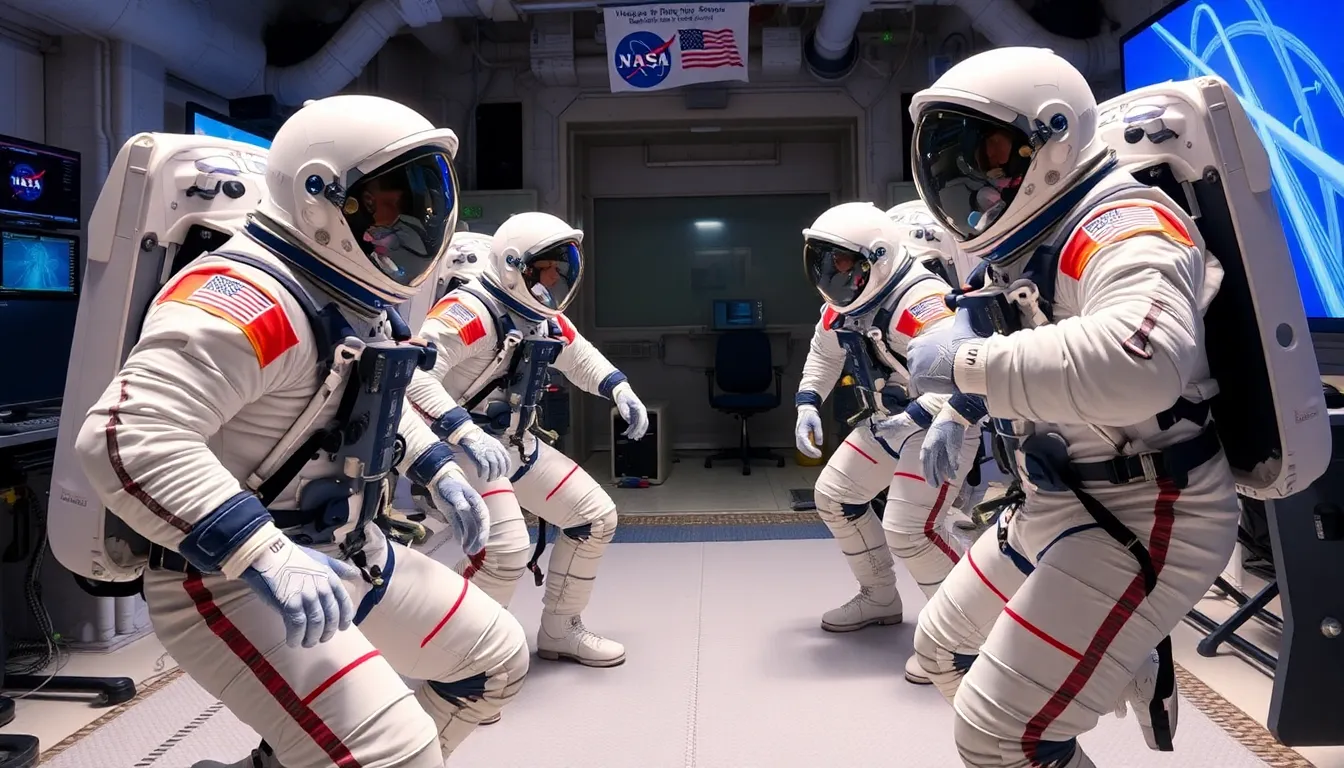
As technology advanced, so did the design and functionality of space suits. The Apollo missions in the late 1960s and early 1970s introduced suits that were not only more protective but also allowed for greater mobility. The Apollo Lunar Extravehicular Mobility Unit (EMU) was a significant milestone, enabling astronauts to walk on the Moon’s surface while providing life support systems that regulated temperature, oxygen, and pressure.
Political and Economic Factors Influencing Design
The development of space suits has always been intertwined with political and economic factors. During the Cold War, the space race between the United States and the Soviet Union spurred rapid advancements in space technology, including space suit design. Funding and resources poured into NASA and its Soviet counterpart, leading to innovations that would lay the groundwork for modern space attire.
In recent years, the rise of private space companies has further transformed the landscape. Companies like SpaceX and Blue Origin are not only competing for space travel but also reshaping the design philosophy of space suits. The focus has shifted towards creating lighter, more flexible suits that can accommodate the needs of commercial astronauts, reflecting a broader trend towards inclusivity and accessibility in space exploration.
Today, as we look to the future of space travel, including missions to Mars and beyond, the evolution of space suits continues to be a testament to human ingenuity. The challenges of designing attire that is both functional and fashionable in the context of space remain a compelling wardrobe challenge, highlighting the intersection of science, technology, and art in our quest to explore the final frontier.
Key stakeholders and their roles in space fashion design
As humanity ventures further into space, the intersection of fashion and technology presents a unique challenge. Various stakeholders play crucial roles in shaping the future of space attire, each with distinct interests and contributions. These actors include fashion designers, space agencies, private aerospace companies, and regulatory bodies.
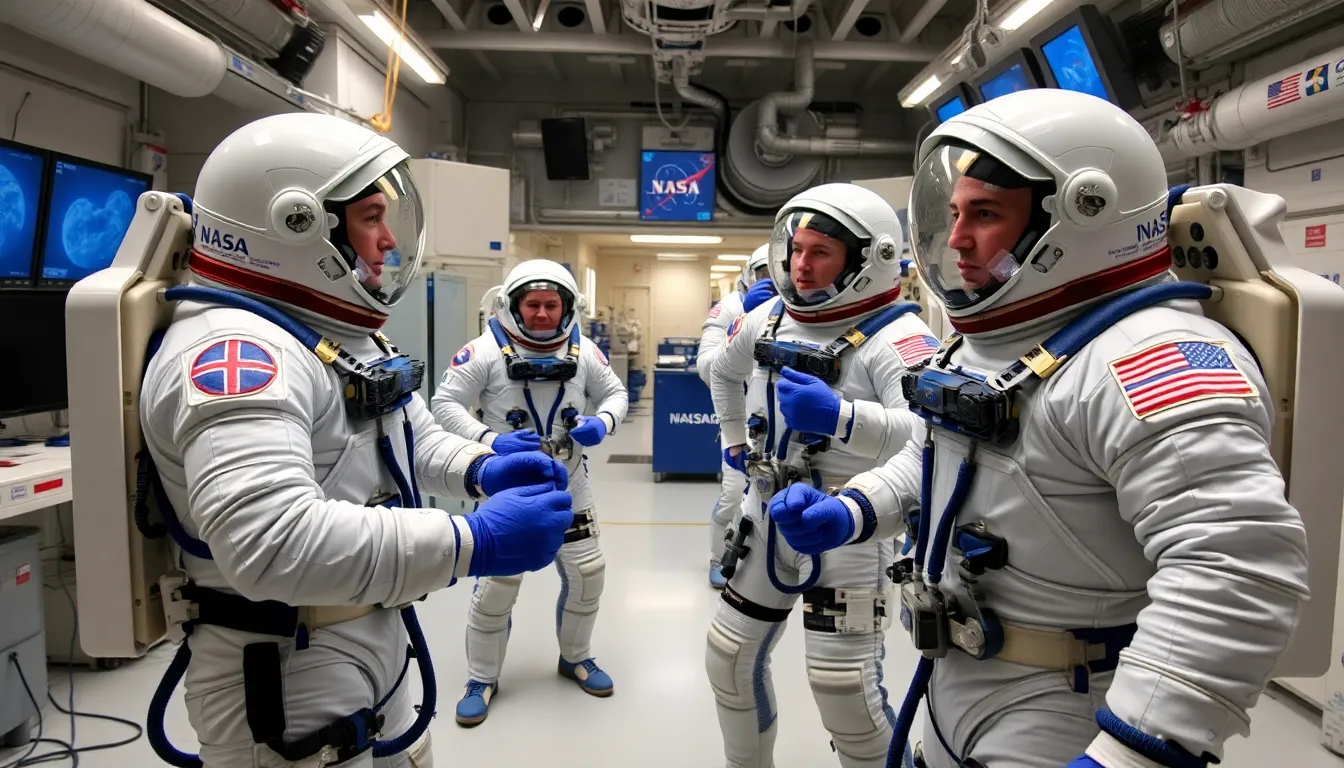
Fashion designers are at the forefront, tasked with creating attire that is not only functional but also stylish. Their interests lie in merging aesthetics with the practical needs of astronauts, such as mobility, temperature regulation, and protection from harmful radiation. Designers like Iris van Herpen and others are experimenting with innovative materials that could redefine space fashion.
Space agencies, such as NASA and ESA, are significant stakeholders, focusing on the safety and efficiency of space missions. Their primary interest is to ensure that space suits and other garments meet stringent safety standards while also enabling astronauts to perform their tasks effectively. This often leads to conflicts between design creativity and the rigid requirements of functionality.
- Private aerospace companies, like SpaceX and Blue Origin, are increasingly involved in the development of space attire, aiming to commercialize space travel. Their interests include creating a market for space tourism and ensuring customer satisfaction through stylish and comfortable clothing.
- Regulatory bodies, such as the Federal Aviation Administration (FAA), oversee safety regulations that impact the design and manufacturing of space fashion. Their involvement raises key legal issues regarding liability and compliance in the event of accidents.
- Environmental organizations are also emerging as stakeholders, advocating for sustainable practices in the production of space clothing. Their concerns highlight the trade-offs between innovative materials and the environmental impact of their production.
These stakeholders often face conflicts, particularly when balancing innovation with safety and environmental concerns. Trade-offs are inevitable, as designers push the boundaries of creativity while adhering to the strict guidelines set forth by space agencies and regulatory bodies. The challenge lies in finding a harmonious balance that satisfies all parties involved.
How space fashion affects astronaut performance and comfort
The evolution of space fashion significantly impacts various groups, particularly astronauts, space agencies, and the fashion industry. Astronauts require specialized clothing that not only provides comfort but also enhances their performance in a zero-gravity environment. This necessity drives innovation within space agencies like NASA and ESA, which are tasked with developing advanced materials and designs to meet these unique demands.
In the short term, the focus on space fashion leads to immediate changes in daily life for astronauts. Enhanced clothing can improve mobility and reduce fatigue during missions, allowing astronauts to perform complex tasks more efficiently. This improvement can also lead to better mental well-being, as comfortable clothing contributes to a more positive experience in the challenging environment of space.
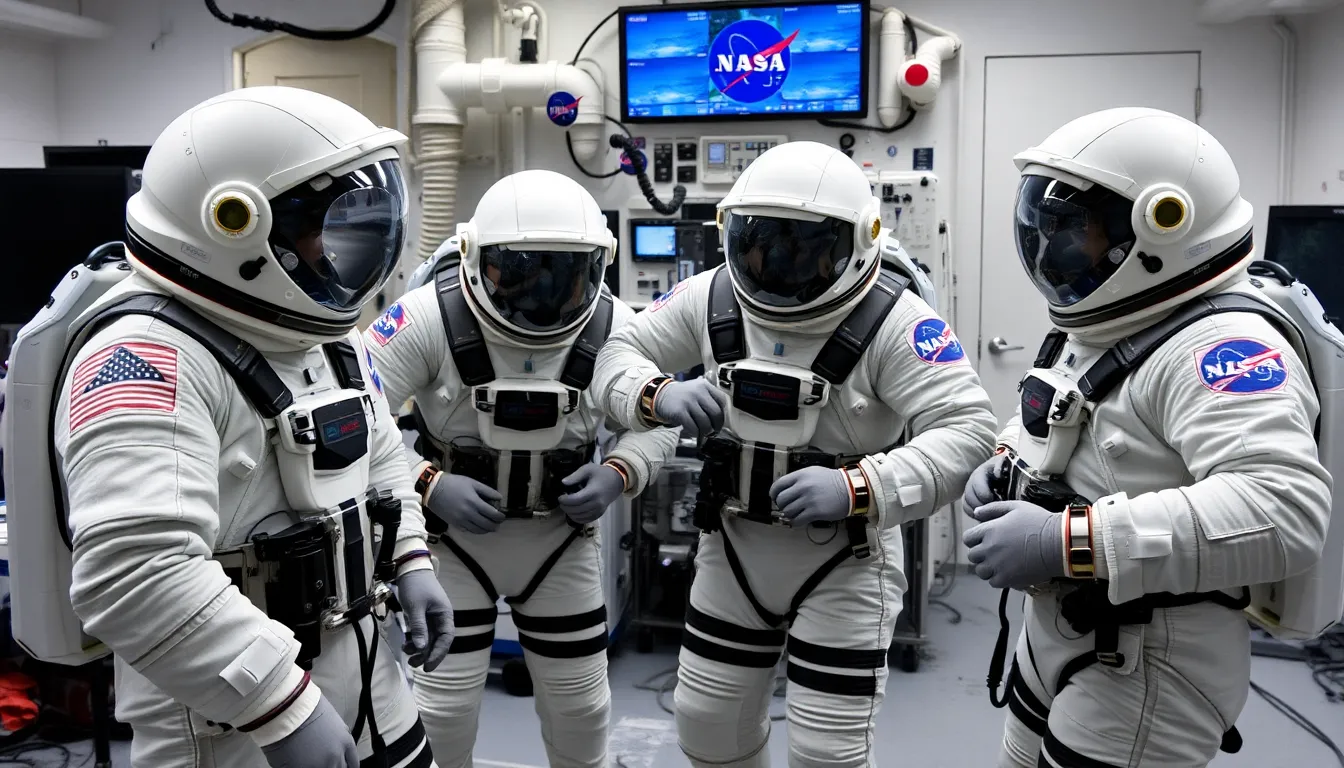
Mid-term impacts extend beyond individual astronauts to influence broader business sectors. The demand for high-tech materials and innovative design in space fashion can stimulate growth in textiles and manufacturing industries. Companies specializing in advanced fabrics may find new opportunities for collaboration with space agencies, leading to the development of products that could eventually make their way into everyday consumer markets.
- Risks: The high cost of research and development may divert funds from other critical space exploration projects.
- Opportunities: Successful innovations in space fashion could lead to breakthroughs in sportswear and activewear on Earth.
Regions with a strong aerospace presence, such as the United States and Europe, stand to benefit the most from advancements in space fashion. As public interest in space exploration grows, so does the potential for partnerships between fashion designers and aerospace engineers, fostering a new era of creativity and functionality in both fields.
A: Space suits are made from advanced materials that provide insulation, protection from radiation, and flexibility. These materials include layers of nylon, Kevlar, and specialized fabrics that can withstand extreme temperatures. A: Astronauts have limited clothing options in space, often wearing specially designed garments that are easy to wash and dry. They typically wear the same outfit for several days before changing. A: Designing clothing for space involves addressing issues like microgravity, temperature control, and protection from harmful radiation. These factors make it a complex task for designers. A: While functionality is the priority, there are emerging trends that incorporate aesthetics and personal expression in space attire, reflecting the evolving nature of space exploration. A: Properly designed space clothing is crucial for astronaut health, as it helps regulate body temperature, provides mobility, and ensures comfort during long missions.
Frequently asked questions about space clothing
Future trends and insights in space attire
The exploration of space presents unique challenges that extend beyond technology and engineering; it delves into the realm of human factors, particularly the clothing astronauts wear. As missions become longer and more complex, the design and functionality of space attire will need to evolve significantly. This evolution will not only impact the comfort and safety of astronauts but also influence the psychological aspects of long-duration space travel.
Looking ahead, innovations in materials and design will play a crucial role in addressing the multifaceted requirements of space clothing. From temperature regulation to mobility and even psychological well-being, the future of space attire will likely incorporate advanced technologies that enhance the astronaut experience. As we continue to push the boundaries of exploration, keeping an eye on these developments will be essential.
- Watch for advancements in smart fabrics that can adapt to varying conditions in space.
- Consider the psychological impact of clothing design on astronauts during long missions.
- Expect collaborations between fashion designers and aerospace engineers to create functional yet comfortable spacewear.
- Monitor the integration of sustainability in space attire, focusing on materials that minimize environmental impact.
- Stay informed about how space attire will influence future commercial space travel and tourism.