
One significant factor contributing to the decline in profits is the recent shutdown of its Pixomondo VFX division, which was announced in early 2025. This closure not only resulted in job losses but also impacted the production capabilities of Sony Pictures, particularly for high-budget visual effects-heavy films. Analysts suggest that this move could hinder the studio’s ability to compete in a market increasingly reliant on impressive visual storytelling, as seen in Jack Shepherd’s jazz drama.
Furthermore, the overall economic climate has led to reduced consumer spending on entertainment, with many opting for subscription-based models over traditional box office releases. This shift has forced Sony to reevaluate its distribution strategies and explore new revenue streams, including potential partnerships and digital content offerings.
As the company navigates these challenges, the future remains uncertain. Investors are closely monitoring Sony’s next steps, particularly in light of its recent performance and the ongoing evolution of the entertainment landscape. The ability to adapt will be crucial for Sony Pictures as it seeks to regain momentum in a competitive market, especially with the current trends highlighted in The Guardian’s view on the entertainment sector.
Understanding the factors behind Sony’s financial performance
Sony Pictures Entertainment has faced a challenging fiscal environment in recent years, particularly highlighted by its flat revenue of $9.9 billion for the fiscal year 2025. This stagnation can be attributed to a confluence of factors, including shifts in consumer behavior, increased competition in the entertainment sector, and strategic decisions that have not yielded the expected results. The shutdown of the Pixomondo VFX division, a key player in the visual effects landscape, has further compounded these issues, leading to a notable decline in profitability.
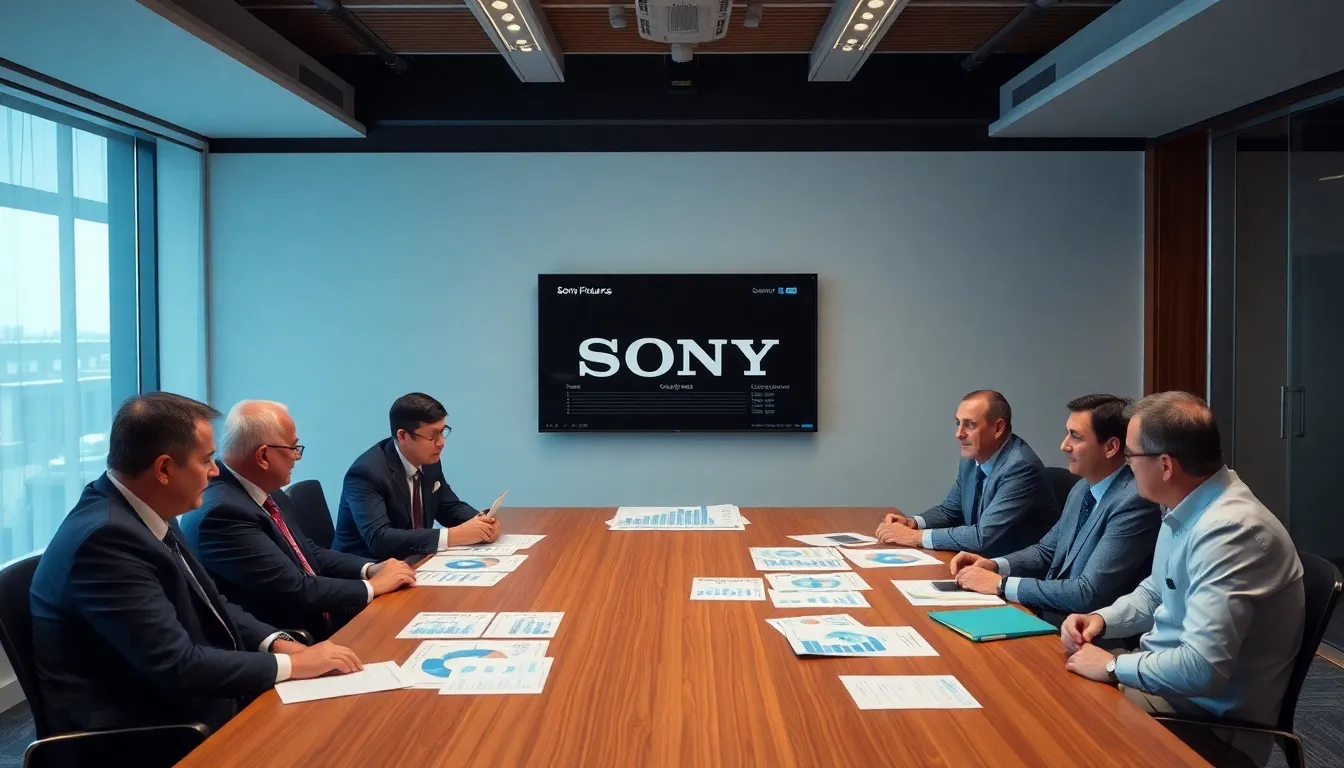
The entertainment industry has undergone significant transformation due to the rise of streaming platforms, which have redefined how content is consumed. Major players like Netflix, Disney+, and Amazon Prime have not only captured a large share of the market but have also increased their investment in original content. This shift has pressured traditional studios, including Sony, to adapt quickly or risk losing relevance. The competition for viewer attention has intensified, making it difficult for Sony to maintain its previous revenue streams.
Additionally, the decision to shut down the Pixomondo VFX division has had a profound impact on Sony’s financial health. This division was instrumental in producing high-quality visual effects for numerous blockbuster films. The closure not only resulted in immediate job losses but also disrupted ongoing projects, leading to increased production costs and delays. The loss of such a critical asset has raised questions about Sony’s long-term strategy in an industry where visual effects play a crucial role in attracting audiences, much like the shifts discussed in Sophie Raworth’s insights.
Key Milestones in Sony’s Recent History
Over the past few years, Sony Pictures has experienced several pivotal moments that have shaped its current financial landscape. The acquisition of various production companies aimed at bolstering its content library and the subsequent restructuring efforts reflect the company’s attempts to navigate a rapidly changing market. However, these moves have often been met with mixed results, leaving Sony in a precarious position as it seeks to redefine its identity within the entertainment sector.
Examining the impact of Pixomondo’s shutdown on Sony’s profitability
As Sony Pictures Entertainment reports a flat revenue of $9.9 billion for fiscal year 2025, the closure of its VFX division, Pixomondo, emerges as a significant factor affecting its profitability. This shutdown not only impacts Sony’s immediate financial performance but also poses broader implications for the visual effects industry and its stakeholders.
Key actors in this scenario include Sony Pictures Entertainment, the employees of Pixomondo, and the broader visual effects community. Sony, as the parent company, is primarily concerned with maintaining profitability and competitive advantage in an ever-evolving entertainment landscape. The employees of Pixomondo face job insecurity and the loss of their creative contributions, while the visual effects community grapples with the potential reduction in industry standards and innovation.

Several conflicts and trade-offs arise from this situation. For Sony, the decision to shut down Pixomondo may have been driven by the need to cut costs and streamline operations in a challenging economic environment. However, this move could lead to a decline in the quality of visual effects in future projects, which may ultimately affect audience engagement and box office performance. Additionally, the loss of Pixomondo’s expertise may hinder Sony’s ability to compete with other studios that maintain in-house VFX capabilities.
- Financial implications: The shutdown could lead to increased outsourcing costs for visual effects, impacting overall project budgets.
- Talent retention: The loss of skilled professionals may create a talent gap in the industry, affecting future projects across various studios.
- Market competition: Competitors may capitalize on Sony’s weakened VFX capabilities, potentially gaining market share.
- Legal considerations: Potential disputes over contracts and intellectual property may arise as former employees seek new opportunities.
- Industry standards: A decline in in-house VFX capabilities could lead to a decrease in the overall quality of visual storytelling.
In summary, the shutdown of Pixomondo represents a complex interplay of financial, legal, and industry dynamics that could have lasting effects on Sony Pictures Entertainment and the broader visual effects landscape. The decisions made in the wake of this closure will likely shape the future of the studio and its competitive position in the market.
Who is affected by Sony’s financial challenges in the entertainment industry
The recent announcement of Sony Pictures Entertainment’s flat revenue for fiscal year 2025, totaling $9.9 billion, and the profit decline due to the shutdown of the Pixomondo VFX division, has far-reaching implications across various sectors. Affected groups include employees within Sony, the visual effects industry, film production companies, and even broader entertainment stakeholders such as distributors and exhibitors.
In the short term, the shutdown of Pixomondo will lead to job losses for skilled VFX artists and technicians, creating uncertainty in the job market for those specializing in visual effects. Additionally, production companies may face delays and increased costs as they seek alternative VFX partners, potentially pushing back project timelines and affecting release schedules.
In the mid-term, the ripple effects could reshape the landscape of the visual effects industry. As companies reassess their partnerships and budgets, there may be a consolidation of smaller VFX firms, leading to fewer choices for filmmakers. However, this situation may also present opportunities for emerging VFX studios to capture market share and innovate in ways that larger companies cannot.

- Job losses within the VFX sector.
- Increased production costs and delays for film projects.
- Potential consolidation in the visual effects industry.
- Opportunities for smaller firms to innovate and grow.
Moreover, the impact extends to regional economies reliant on film production. Areas with a high concentration of VFX talent may see a decline in local economic activity, while regions that attract new VFX companies could experience growth. Policymakers may need to consider incentives to retain talent and encourage investment in the creative sectors to mitigate these economic shifts.
A: Sony Pictures Entertainment’s revenue remained flat primarily due to market saturation and increased competition. Additionally, the shutdown of the Pixomondo VFX division significantly impacted profitability. A: The closure of Pixomondo resulted in a loss of valuable visual effects capabilities, which directly affected project costs and overall profitability for Sony Pictures. A: Future prospects for Sony Pictures depend on strategic investments in new projects and potential partnerships to enhance their market position. Adapting to industry changes will be crucial. A: Currently, there are no plans to reopen the Pixomondo division. Sony is focusing on optimizing existing resources and exploring alternative VFX partnerships. A: Sony’s revenue is competitive but faces challenges from other major studios that are innovating and expanding their offerings in the digital space.
Frequently Asked Questions about Sony’s Financial Report
Key takeaways and future outlook for Sony Pictures Entertainment
Sony Pictures Entertainment’s flat revenue for fiscal year 2025, remaining at $9.9 billion, highlights the challenges the company faces within a competitive entertainment landscape. The decision to shut down the Pixomondo VFX division has further impacted profitability, signaling a need for strategic reassessment in their production capabilities and partnerships.
As the industry evolves, Sony Pictures must adapt to changing consumer preferences and technological advancements. Monitoring the following aspects will be crucial for stakeholders looking to understand the company’s trajectory moving forward.
- Impact of VFX Division Shutdown: Observe how the absence of Pixomondo affects upcoming projects and whether Sony seeks alternative partnerships to fill the gap in visual effects capabilities.
- Revenue Diversification: Watch for potential initiatives aimed at diversifying revenue streams, especially in digital content and international markets, to mitigate reliance on traditional film releases.
- Consumer Engagement Strategies: Keep an eye on how Sony adapts its marketing and distribution strategies to better engage with audiences in an increasingly digital-first environment.
- Content Development Focus: Evaluate the company’s focus on developing original content versus relying on franchises, as this could significantly influence future revenue and brand loyalty.
- Industry Trends: Stay informed on broader industry trends, including shifts in viewer behavior and technological innovations, that may impact Sony’s operational strategies and market positioning.