
This transformation in their wardrobe is particularly notable during recent events such as the FIFA World Cup qualifiers. Players like Mathew Leckie and Aaron Mooy have been spotted sporting luxury brands, showcasing a blend of athletic wear and contemporary fashion that resonates with their younger fan base.
Fashion collaborations have also played a significant role in this trend. In 2023, the team partnered with notable Australian designers, further enhancing their visibility in the fashion world. This move not only elevates their personal style but also aligns with broader cultural shifts where athletes are increasingly seen as fashion icons.
As the Socceroos embrace this new direction, it reflects a growing recognition of the importance of personal branding in sports. The players’ choices are likely to influence their endorsements and marketability, demonstrating that off-field appearances can be just as impactful as on-field performances.
The evolution of athlete fashion and its cultural significance
The intersection of sports and fashion has a rich history, evolving significantly over the decades. Initially, athletes were primarily recognized for their on-field performance, often donning uniforms that prioritized functionality over style. However, as the world of sports grew in popularity, so too did the visibility of athletes in mainstream culture. This shift began in the late 20th century when icons like Michael Jordan and Serena Williams started using their platforms to influence fashion trends, showcasing that athletes could be both competitors and style leaders.
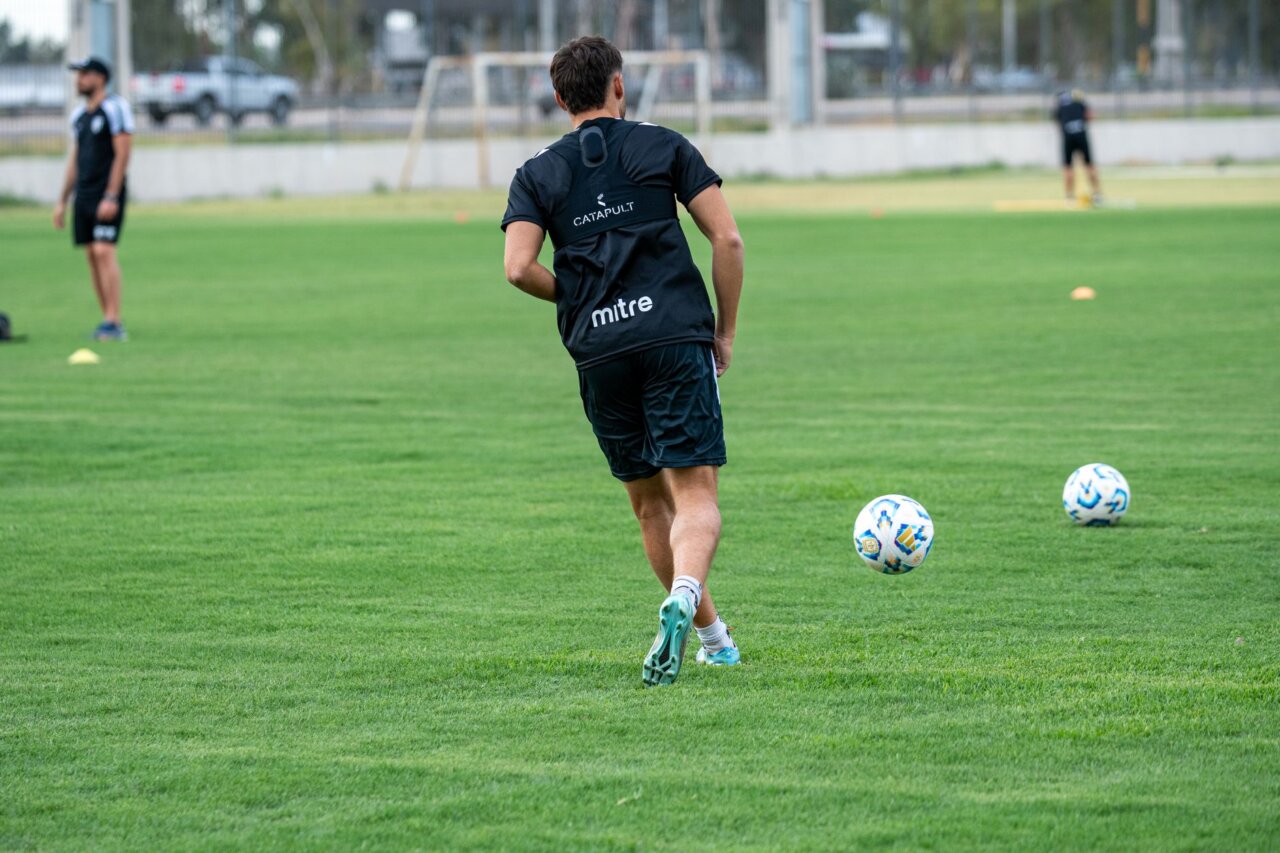
In the early 2000s, the rise of social media further transformed this landscape, allowing athletes to curate their personal brands beyond the confines of their sports. Platforms like Instagram provided a stage for athletes to share their off-field lives, including their fashion choices. This visibility has not only changed public perception but has also led to lucrative partnerships with high-end fashion brands, thus intertwining sports with the luxury fashion industry.
The Socceroos’ Style Evolution
The Socceroos, Australia’s national soccer team, have recently embraced this trend, trading their traditional kit bags for fashionable it-bags. This transition reflects a broader cultural shift within Australian sports, where athletes are increasingly seen as style influencers. The team’s participation in global events like the FIFA World Cup has amplified their visibility, facilitating collaborations with renowned designers and brands.
Key milestones in this evolution include the Socceroos’ appearances at international tournaments, where their off-field attire has garnered attention. The 2022 FIFA World Cup was particularly significant, as players showcased a mix of streetwear and high fashion, signaling a departure from the conventional athletic wear. This trend not only resonates with younger fans but also aligns with global movements towards self-expression and authenticity in sports.
As the Socceroos continue to navigate their dual roles as athletes and style icons, their journey illustrates the broader narrative of how sports figures are shaping cultural conversations around fashion. This evolution not only enhances their brand appeal but also contributes to the ongoing dialogue about identity, representation, and the power of personal expression in the realm of sports.
Key players and trends influencing the Socceroos’ style shift
The evolving fashion landscape surrounding the Socceroos reflects a broader trend in sports where athletes are not only recognized for their on-field performance but also for their off-field style. This shift is influenced by various stakeholders, including players, fashion brands, sponsors, and fans, each with distinct interests and motivations, as observed in examples like the Brazilians’ World Cup Ritual.
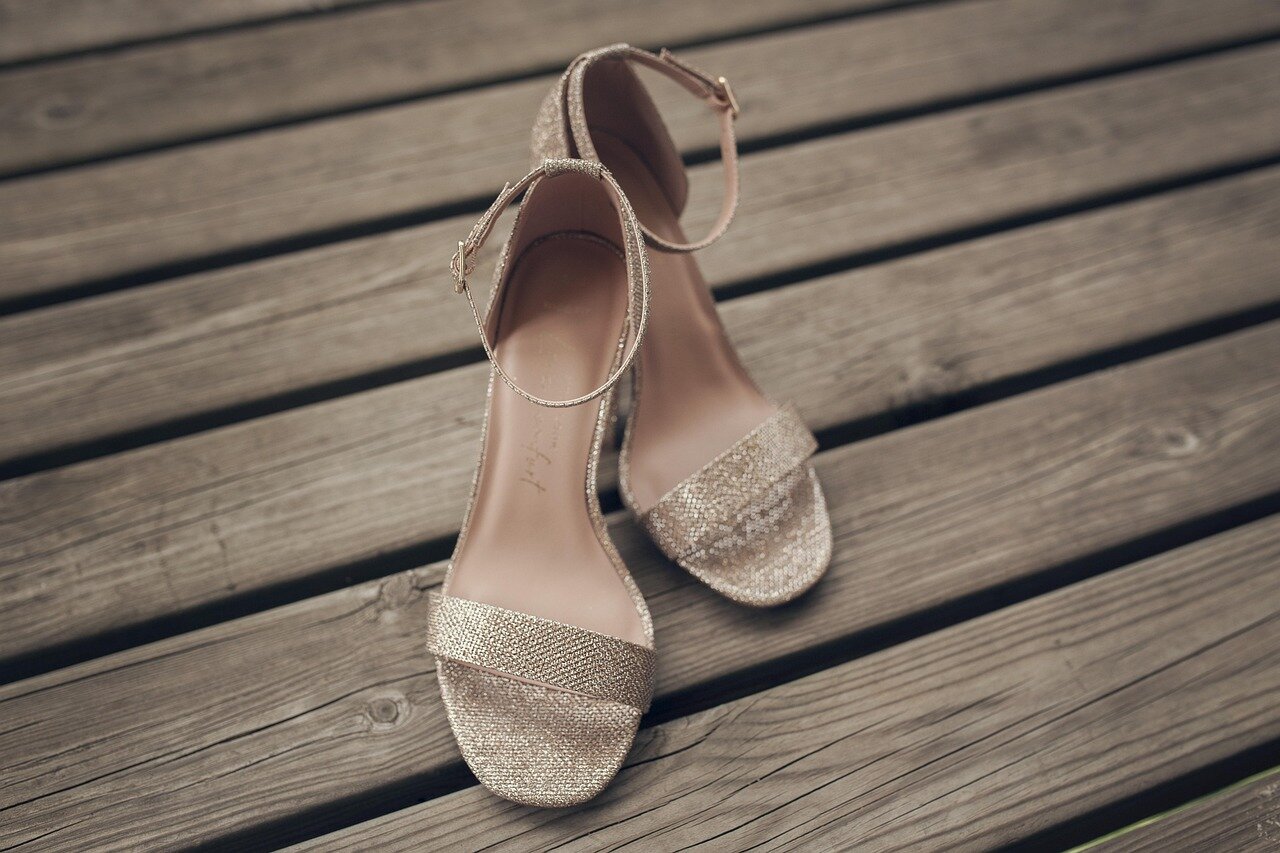
Players like the Socceroos are increasingly aware of their public image and the impact of fashion on their personal brand. Many athletes are leveraging social media to showcase their style choices, thereby enhancing their marketability and appeal to younger audiences. This trend aligns with the interests of fashion brands seeking to collaborate with high-profile athletes to reach new markets.
Fashion brands play a pivotal role in this transformation, often sponsoring players or creating exclusive lines that cater to the athletic yet stylish demographic. The partnerships between athletes and brands can lead to lucrative endorsements, but they also raise questions about authenticity and the commercialization of sports culture.
- Economic interests: Players and brands benefit from increased visibility and sales through strategic collaborations.
- Legal considerations: Endorsement deals often involve complex contracts outlining usage rights, which can lead to conflicts if not managed properly.
- Fan engagement: As fans become more invested in players’ off-field personas, brands must navigate the expectations and preferences of this audience.
- Social media influence: The rise of platforms like Instagram and TikTok has heightened the importance of personal branding for athletes.
Additionally, the Socceroos’ fashion evolution intersects with cultural shifts that prioritize individuality and self-expression. This trend can create tensions between traditional sports organizations and contemporary fashion sensibilities, as stakeholders negotiate the balance between athletic identity and personal style.
How this fashion shift affects fans and the market
The transition of the Socceroos from traditional sports gear to high-fashion it-bags signifies a pivotal moment not only for the players but also for their fans and the broader fashion industry. This shift draws attention to the intersection of sports and fashion, impacting various demographics and sectors.
Fans, particularly younger demographics who idolize these athletes, are likely to adopt similar fashion trends, leading to a surge in demand for stylish sportswear and accessories. As players embrace high fashion, they set new standards for off-field appearances, which can influence fans’ purchasing decisions and fashion choices.
In the short term, this trend may boost sales for brands associated with the Socceroos, as fans seek to emulate their style. Retailers and fashion designers can capitalize on this momentum by launching limited-edition collections inspired by the team’s aesthetic. Conversely, brands that fail to adapt may see a decline in relevance among younger consumers.
- Increased collaboration opportunities between sports teams and fashion brands.
- Potential rise in counterfeit products as demand for it-bags grows.
- Shift in marketing strategies focusing on lifestyle branding over traditional sports endorsements.
In the mid-term, the fashion industry may witness a broader integration of athletic elements into everyday wear, blurring the lines between sports and fashion. This could lead to new business models, such as athleisure becoming a staple in casual wardrobes. However, there are risks involved, including oversaturation of the market and potential backlash against commercialization of sports culture.
Overall, this fashion evolution presents both challenges and opportunities for fans, brands, and the fashion industry at large. As the Socceroos elevate their off-field style, the ripple effects will be felt across various sectors, shaping consumer behavior and market trends for years to come.
A: The shift towards fashionable it-bags reflects a broader trend in sports where athletes are increasingly seen as style icons, influenced by social media and celebrity culture. A: Fans have generally embraced the new style, seeing it as a way for players to express their personalities and connect with them on a different level. A: Many players are opting for luxury and streetwear brands, often collaborating with designers to create unique pieces that resonate with their personal styles. A: This trend is likely to drive more collaborations between sports teams and fashion brands, expanding the market for sports-related fashion. A: Given the current trajectory, it seems likely that athlete fashion will continue to evolve, with players becoming increasingly influential in the fashion world.
Frequently asked questions about the Socceroos’ fashion evolution
Future outlook on athlete fashion and the Socceroos’ role
The evolving landscape of athlete fashion is indicative of broader cultural shifts, with sports figures increasingly stepping into the realm of style influencers. The Socceroos’ transition from traditional kit bags to high-end it-bags signals a significant change in how athletes perceive their off-field personas. This shift not only enhances their individual branding but also reflects changing consumer behaviors that favor authenticity and relatability in fashion.
As the Socceroos embrace this new fashion narrative, they are likely to inspire other athletes to leverage their platforms for personal expression through style. The intersection of sports and fashion will continue to evolve, shaping trends and influencing the next generation of fans and consumers.
- Watch for collaborations between athletes and luxury brands, which could redefine sports merchandising.
- Expect increased media coverage of athlete fashion choices, highlighting their impact on popular culture.
- Monitor the rise of social media as a tool for athletes to showcase their personal style and connect with fans.
- Consider the implications for brands looking to align themselves with athlete influencers, focusing on authenticity and relatability.
- Observe how this trend may influence youth culture, as young fans emulate their favorite players’ off-field looks.