
One of the most notable rituals is the “Candomblé” ceremony, where devotees gather to seek blessings for the players. This spiritual practice, which dates back to African traditions brought to Brazil, has seen a resurgence as fans believe it enhances the team’s chances of success. The ceremonies have been held in various cities, including Salvador and Rio de Janeiro, drawing large crowds of supporters. For more on how rituals affect sporting events, check out our article on [World Cup 2026 Group C Winner Odds Predictions and Best Bets](https://primeinsightsnews.com/world-cup-2026-group-c-odds/).
In addition to spiritual gatherings, Brazilians are also engaging in vibrant street celebrations that incorporate music, dance, and colorful displays of national pride. These events are not only meant to boost morale but also to foster a sense of belonging among fans, particularly in a time when the nation faces social and economic challenges.
The revival of these rituals highlights the deep emotional connection Brazilians have with soccer, transcending mere sport. As the World Cup approaches, the collective hope and enthusiasm are palpable, reflecting a nation eager to celebrate its identity and heritage through the beautiful game.

The historical significance of World Cup rituals in Brazil
Brazil’s relationship with the FIFA World Cup transcends mere sporting events; it is deeply woven into the nation’s cultural and social fabric. The first World Cup, held in 1930, marked the beginning of Brazil’s journey as a footballing powerhouse. However, it was the 1950 World Cup, hosted in Brazil, that solidified football as a national obsession. The infamous “Maracanazo,” where Brazil lost to Uruguay in the final, became a pivotal moment in Brazilian history, igniting a passion for football that would shape national identity.
Over the decades, World Cup rituals have evolved, often reflecting the political and social climate of the times. During the military dictatorship from 1964 to 1985, football became a means of escape for the population. The 1970 World Cup victory not only lifted spirits but also served as a propaganda tool for the regime, showcasing Brazil as a united and powerful nation. This intertwining of football with national pride and political sentiment has led to the development of various rituals, from street parties to family gatherings, each fostering a sense of community and belonging.
Rituals of Unity and Celebration
As Brazil prepares for each World Cup, the rituals associated with supporting the national team take on new forms. In recent tournaments, Brazilians have revived traditional practices such as the “carnaval” style street parties, where music, dance, and vibrant displays of national colors come together to celebrate football. These events not only serve to cheer on the team but also strengthen communal ties, providing a sense of unity in a country often divided by social and economic disparities.
The resurgence of these rituals is particularly significant in light of Brazil’s recent socio-economic challenges. The COVID-19 pandemic and its aftermath have left deep scars on the nation, prompting a collective yearning for joy and normalcy. As the national team gears up for the next World Cup, Brazilians are not just looking to support their players; they are also seeking to reclaim a sense of identity and resilience through these time-honored traditions.
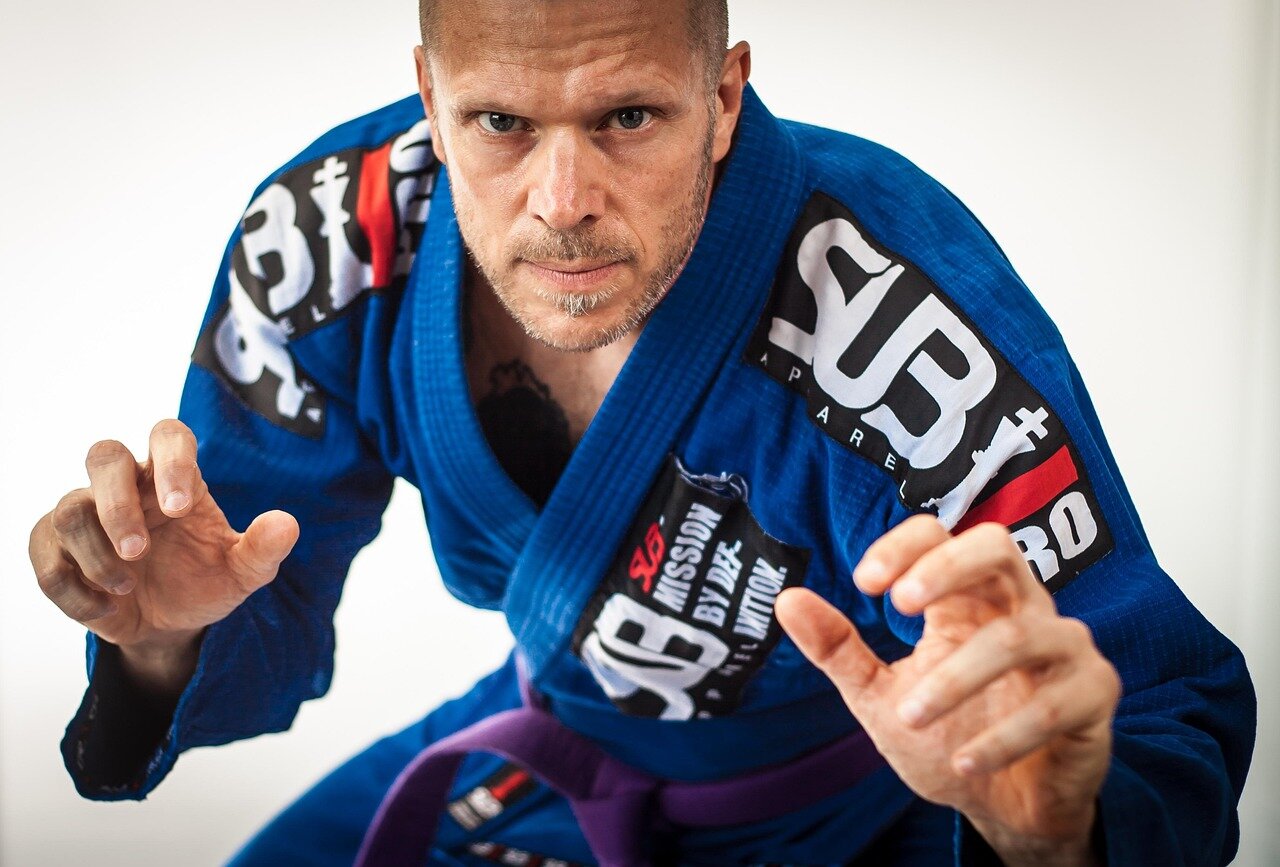
In essence, the rituals surrounding the World Cup in Brazil serve as a mirror to the nation’s history, reflecting its triumphs and tribulations. As Brazilians come together to cheer for their team, they are simultaneously participating in a larger narrative of cultural pride and historical significance, ensuring that the spirit of the World Cup remains a vital part of Brazilian life.
The role of community and culture in supporting the national team
The revival of traditional rituals among Brazilians to support their national football team during the World Cup highlights the significant role of community and culture in sports. Various stakeholders, including fans, local businesses, and cultural organizations, come together to create an atmosphere of unity and enthusiasm. This collective effort not only fosters a sense of national pride but also strengthens social bonds within communities.
Among the main actors are the fans, who are deeply invested in the success of the national team. Their passion drives them to engage in activities such as organizing viewing parties, decorating public spaces, and participating in local festivities. Local businesses, including bars and restaurants, benefit economically from the influx of fans seeking to celebrate together, creating a symbiotic relationship that underscores the importance of community support.
However, this revival is not without its conflicts. Tensions may arise between traditionalists who wish to preserve the authenticity of rituals and more commercialized approaches that prioritize profit over cultural significance. Additionally, the government plays a role in facilitating or hindering these activities through regulations and support for public events, which can impact the overall experience for fans.
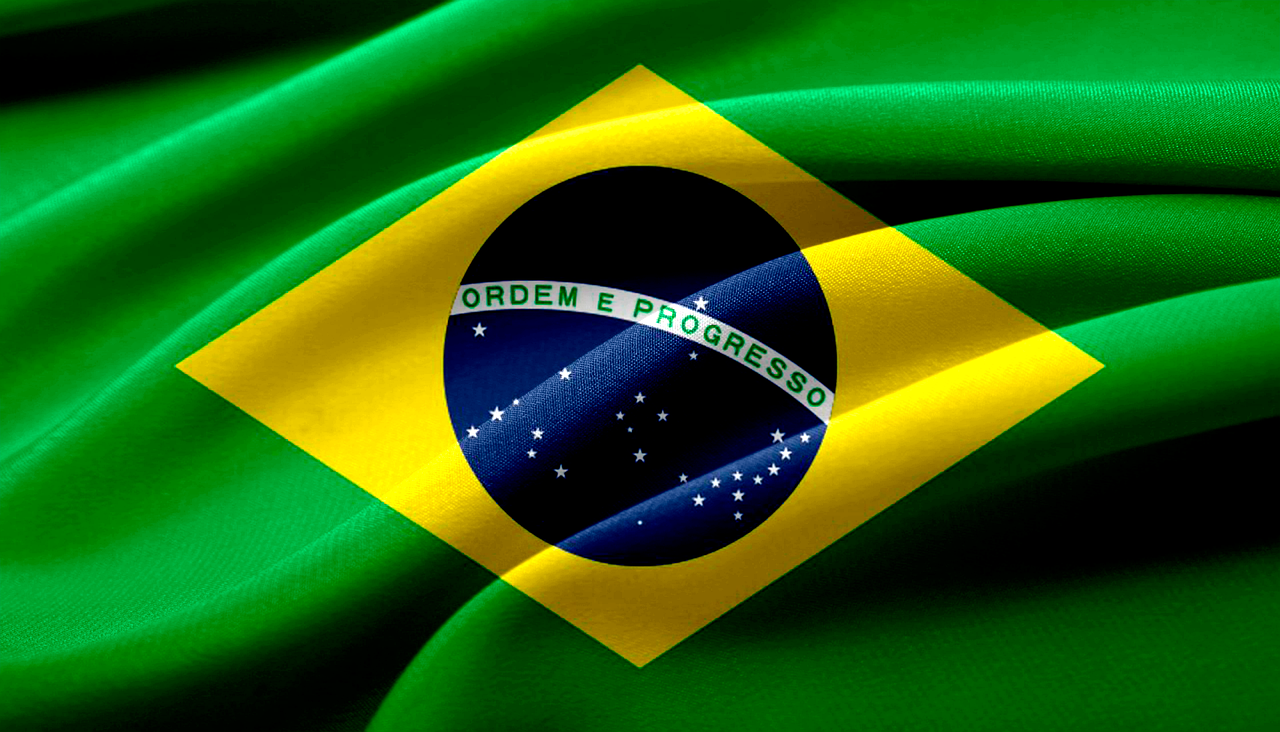
- Economic Interests: Local businesses see increased revenue during the World Cup, while fans seek affordable and accessible ways to celebrate.
- Cultural Preservation: Some groups advocate for maintaining traditional rituals, fearing that commercialization may dilute their cultural significance.
- Government Involvement: Policies regarding public gatherings and support for cultural events can either enhance or restrict community celebrations.
- Social Cohesion: The rituals foster a sense of belonging and unity among diverse groups within Brazilian society.
In summary, the interplay between community, culture, and economics during the World Cup illustrates the complexities of supporting a national team. The collective enthusiasm reflects broader societal values and highlights the importance of balancing commercial interests with cultural heritage.
How these rituals influence team morale and fan engagement
The revival of traditional rituals among Brazilians to support their national team during the World Cup has a significant impact on various groups, industries, and regions. Fans across the country are coming together to participate in these age-old customs, which not only boost team morale but also strengthen community bonds. This resurgence is particularly evident in urban areas where large gatherings and public screenings are being organized.
In the short term, local businesses, especially those in the hospitality and retail sectors, are experiencing a surge in activity. Bars, restaurants, and shops are seeing increased foot traffic as fans gather to celebrate and support their team. This influx of customers can lead to higher sales and revenue, creating a ripple effect that positively impacts the local economy.
However, there are risks associated with these large gatherings, particularly concerning public health and safety. The potential for overcrowding and the spread of illness could pose challenges for local authorities. Additionally, the heightened emotions surrounding the World Cup may lead to instances of unrest or vandalism, necessitating increased security measures.
- Short-term impacts: Increased sales for local businesses, heightened community engagement.
- Mid-term impacts: Potential for long-lasting community traditions, shifts in consumer behavior towards local products.
- Risks: Public health concerns, potential for civil unrest.
- Opportunities: Strengthening local economies, fostering a sense of national pride.
In the mid-term, these rituals could lead to a cultural renaissance, with communities adopting new traditions that celebrate their national identity. This could also influence local policies, as municipalities may invest more in public spaces to accommodate fan gatherings during major events. Overall, the revival of these rituals is not only a celebration of sport but also a catalyst for economic and social change across Brazil.
A: Brazilians often engage in group gatherings, wear national colors, and perform traditional dances or chants to show their support. These rituals create a sense of community and excitement around the matches. A: These rituals are a way for fans to express their passion and solidarity with the national team. They help build a collective identity and foster a spirit of unity among supporters. A: While many traditional practices remain, new elements have been incorporated, such as social media campaigns and modern celebrations, reflecting the changing dynamics of fan culture. A: Yes, fans often develop unique rituals based on the significance of the match, such as special prayers or gatherings that are believed to bring good luck. A: Players often express that the support from fans through these rituals boosts their morale and motivation, making them feel more connected to their supporters.
Frequently Asked Questions about World Cup Rituals
The future of World Cup support in Brazil
As Brazil approaches the next World Cup, the revival of traditional rituals showcases the deep emotional connection that Brazilians have with their national team. This cultural resurgence not only strengthens community ties but also enhances the overall atmosphere surrounding the tournament. The passion exhibited by fans serves as a reminder of the unifying power of sports, particularly in a nation where football is more than just a game; it is a vital part of national identity.
Looking ahead, the impact of these rituals may extend beyond the tournament itself, influencing how future generations engage with football and national pride. The collective experience of cheering for the team fosters a sense of belonging and solidarity, setting a precedent for how Brazilians will support their athletes in the years to come.
- Expect an increase in community gatherings and events centered around World Cup matches, enhancing local engagement.
- Monitor the emergence of new rituals that may blend traditional practices with modern expressions of support.
- Watch for potential collaborations between local businesses and fan groups, creating a vibrant economic ecosystem during the tournament.
- Consider the role of social media in amplifying these rituals, as fans share their experiences and connect with one another online.