
The segment featured a controversial joke referencing historical figures, drawing parallels between Zuckerberg and Adolf Hitler. The punchline, which suggested that Zuckerberg might utilize his private bunker in a manner reminiscent of the infamous dictator, raised eyebrows and elicited mixed reactions from viewers. Critics argue that such comparisons can trivialize serious historical events, while supporters claim it highlights the perceived dangers of unchecked power in the tech industry. This moment relates closely to the examination of satire in public discourse, as discussed in Mark Gatiss and Placebo revive Brecht’s brutal satire on Hitler.
This moment underscores a growing trend in comedy and media where public figures, especially those in the tech sector, are increasingly scrutinized. As social media continues to play a significant role in shaping public opinion, the intersection of humor and serious critique becomes more pronounced. The episode’s timing coincides with ongoing debates about privacy, data security, and the ethical responsibilities of tech giants.
As the conversation around Zuckerberg and Facebook intensifies, the impact of satire in shaping public discourse cannot be underestimated. The bold statements made during the show reflect a broader cultural sentiment regarding accountability and transparency in technology. As audiences engage with these themes, the role of comedic platforms in fostering dialogue on critical issues becomes ever more relevant.
Understanding the Background of the Controversy
The recent episode of ‘SNL U.K.’ featuring a satirical segment on Facebook founder Mark Zuckerberg has sparked significant debate, highlighting the intersection of comedy, social media, and public perception. This particular segment, which drew a controversial comparison between Zuckerberg and historical figures, reflects broader societal concerns regarding the influence of tech giants on modern life.

Facebook, now rebranded as Meta, has been under scrutiny for its role in shaping public discourse, particularly in the wake of scandals involving data privacy, misinformation, and its impact on democratic processes. The platform has faced criticism for its algorithms that prioritize engagement over accuracy, leading to the spread of false information and contributing to societal polarization. Such issues have made Zuckerberg a polarizing figure, often the target of public ire and satire. This scrutiny is echoed in the ongoing debates about ethical responsibilities in media, much like those explored in Jesse Roth Who Advanced the Understanding of Diabetes Dies at 91.
Historically, the relationship between media and technology has been fraught with tension. The advent of the internet and social media platforms has transformed how information is disseminated and consumed. This evolution has often outpaced regulatory frameworks, leaving a vacuum that allows tech companies significant power over public opinion and discourse. The comparison made in the ‘SNL U.K.’ segment is emblematic of a growing sentiment that such power can lead to dangerous outcomes.
The Role of Satire in Political Discourse
Satire has long served as a tool for social commentary, allowing comedians to address sensitive topics in a way that can provoke thought and discussion. The use of hyperbolic comparisons, such as that of Zuckerberg to Hitler, while shocking, is intended to underscore the perceived dangers of unchecked technological power. This approach invites audiences to reflect on the implications of social media on society, particularly in terms of freedom of expression, privacy, and the spread of extremist views.
As public trust in social media continues to wane, the role of satire in critiquing these platforms becomes increasingly relevant. Comedians and satirists often push boundaries to engage audiences, prompting conversations that might otherwise be avoided. The backlash against the segment illustrates the delicate balance between humor and sensitivity, especially when addressing figures with significant social influence.
Examining the Implications of the Joke
The recent segment from ‘SNL U.K.’ featuring a jab at Facebook founder Mark Zuckerberg has sparked considerable discussion among various stakeholders. This joke, which drew a controversial parallel between Zuckerberg and historical figures, highlights significant tensions in the tech industry and raises questions about accountability and public perception. The media’s role in shaping this perception, as noted in discussions around social influence, mirrors the tensions observed in the case of Colin the Caterpillar faces tough competition in cake taste test.
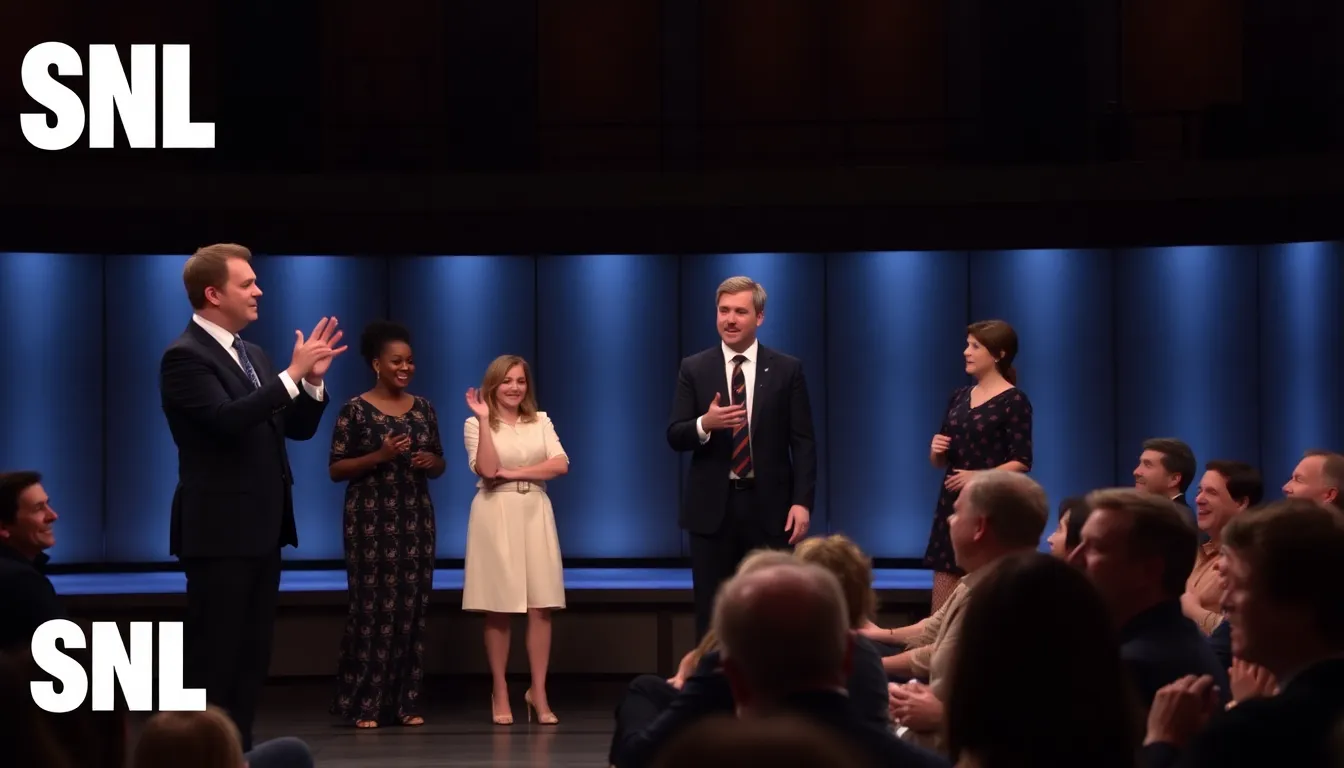
Key actors in this scenario include Mark Zuckerberg, his company Meta Platforms, the media, and the public. Zuckerberg’s interests lie in maintaining a positive image for himself and his company, especially in light of ongoing scrutiny regarding privacy issues and misinformation on social media platforms. The media, represented by shows like ‘SNL U.K.,’ seeks to engage audiences through satire while also holding powerful figures accountable for their actions.
Conflicts arise from the dichotomy between freedom of expression and the potential for harmful rhetoric. While satire is a traditional form of commentary, the specific comparison made in the joke may alienate certain audiences and provoke backlash. The trade-offs involve balancing comedic expression with the responsibility of not trivializing serious historical events.
- Public Response: The audience’s reaction can influence perceptions of both Zuckerberg and the media outlet.
- Legal Implications: Depending on how the joke is interpreted, there could be potential legal ramifications regarding defamation or incitement.
- Economic Considerations: Negative portrayals of Zuckerberg may impact Meta’s stock performance and advertising revenue.
- Regulatory Scrutiny: Increased criticism may lead to calls for stricter regulations on social media companies.
- Cultural Sensitivity: The historical reference may provoke discussions about the appropriateness of using such comparisons in humor.
In summary, the joke serves as a microcosm of broader societal debates surrounding technology, accountability, and the role of media in shaping public discourse. As stakeholders navigate these complex issues, the implications of such satire will continue to resonate across various sectors.
Who is Affected by This Satirical Commentary?
The recent satirical jab at Facebook founder Mark Zuckerberg during ‘SNL U.K.”s Weekend Update has the potential to resonate across various groups and industries. Primarily, tech companies, social media platforms, and their users are directly impacted. Additionally, public relations firms and political commentators may find opportunities to engage in discussions surrounding the implications of such satire on public perception.
In the short term, Zuckerberg and Facebook may experience increased scrutiny and criticism, particularly from users concerned about privacy and ethical practices. This could lead to a temporary decline in user trust and engagement on the platform. The media coverage surrounding the commentary may also amplify existing narratives about the tech industry’s accountability, affecting how consumers and investors view these companies.
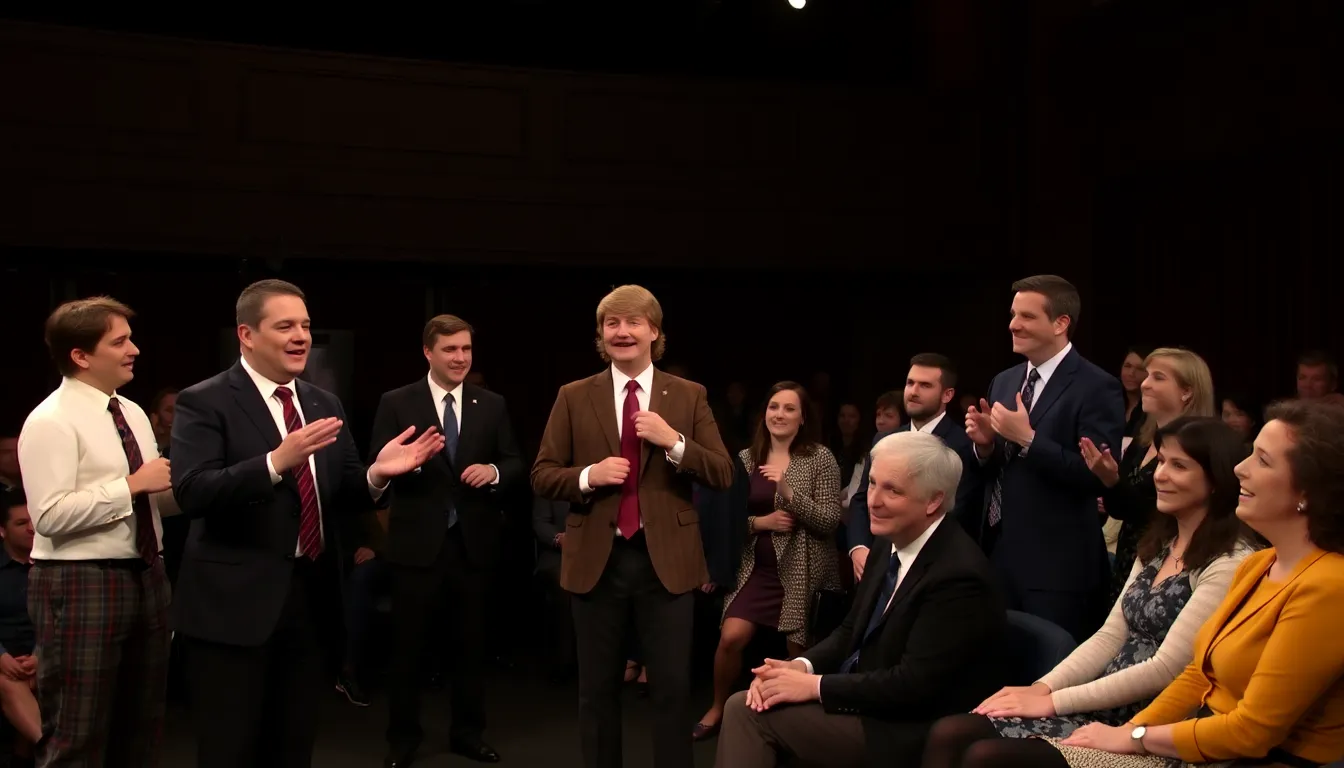
In the mid-term, the satire could catalyze discussions about regulatory policies aimed at tech giants. Lawmakers may feel pressured to address the concerns raised in the commentary, potentially leading to new legislation regarding data privacy and corporate responsibility. This could create a ripple effect across the tech industry, prompting companies to reevaluate their practices and policies.
- Increased scrutiny on tech giants regarding ethical practices.
- Potential decline in user trust and engagement on social media platforms.
- Regulatory discussions that may lead to new legislation.
- Opportunities for public relations firms to shape narratives.
- Engagement from political commentators on the implications of satire.
While risks are evident, such as backlash against Facebook and its leadership, there are also opportunities for other tech companies to differentiate themselves by adopting more transparent practices. Additionally, the commentary could inspire content creators and comedians to delve deeper into tech-related satire, fostering a richer dialogue about the influence of technology in society.
A: The segment humorously suggested that Zuckerberg should use his bunker in a manner similar to that of historical figures, drawing a provocative parallel. A: It highlights the ongoing scrutiny of tech leaders and the cultural commentary surrounding their actions and decisions. A: Audience reactions have been mixed, with some appreciating the humor while others criticize the insensitivity of the comparison. A: This reflects SNL’s tradition of pushing boundaries in satire, particularly when addressing influential figures in society. A: While the impact may be limited, such portrayals can contribute to the ongoing narrative surrounding his leadership and the tech industry.
Frequently Asked Questions about the Segment
Key Takeaways and Future Implications
The recent episode of ‘SNL U.K.’ featuring a pointed critique of Facebook founder Mark Zuckerberg has sparked conversations about the responsibilities of tech leaders in today’s society. The humor, while sharp, reflects underlying concerns regarding privacy, misinformation, and the influence of social media on public discourse. As the media landscape continues to evolve, the implications of such satire can resonate beyond entertainment, prompting discussions on accountability and ethical leadership in the tech industry.
As audiences increasingly engage with content that challenges powerful figures, it is crucial to monitor how these portrayals influence public perception and corporate behavior. The intersection of comedy and commentary may serve as a catalyst for broader societal change, particularly in how tech companies operate and are held accountable.
- Increased Scrutiny: Expect a rise in public and media scrutiny of tech leaders, particularly those with significant influence over communication and information dissemination.
- Impact on Policy: The dialogue initiated by such comedic critiques may lead to discussions around regulatory policies aimed at increasing transparency and accountability in social media platforms.
- Shift in Audience Engagement: Viewers may gravitate towards content that challenges authority, indicating a shift in how audiences engage with and perceive tech leaders.
- Role of Satire: The role of satire in shaping public opinion and fostering accountability will likely gain prominence, encouraging a culture where humor can drive serious discourse.