
The revival is set to premiere on November 10, 2023, at the renowned National Theatre in London. Gatiss, known for his roles in “Sherlock” and “Doctor Who,” brings his distinctive vision to the production, while Placebo’s music aims to enhance the emotional depth of the narrative, creating a multi-faceted theatrical experience.
This production not only aims to entertain but also to provoke thought and discussion around the themes of power, oppression, and resistance. By reintroducing Brecht’s work to contemporary audiences, the creators hope to encourage reflection on the societal issues that echo the past and remain relevant today.
As the world grapples with rising populism and authoritarian governance, the revival serves as a stark reminder of the lessons history has to offer. The collaboration between Gatiss and Placebo highlights the enduring power of art to challenge the status quo and inspire change in a turbulent era, reflecting themes found in contemporary political discourse.
Understanding Brecht’s historical context and its implications
Berthold Brecht, a prominent 20th-century playwright and poet, emerged from the tumultuous backdrop of early 20th-century Europe, a period marked by the rise of totalitarian regimes and the devastating impact of World War I. His works often reflected the socio-political climate of his time, critiquing capitalism, war, and the moral decay he perceived in society. Brecht’s most notable work, “The Resistible Rise of Arturo Ui,” serves as a brutal satire of Adolf Hitler’s ascent to power, using the allegory of a gangster’s rise in Chicago to highlight the dangers of unchecked authority and populism.
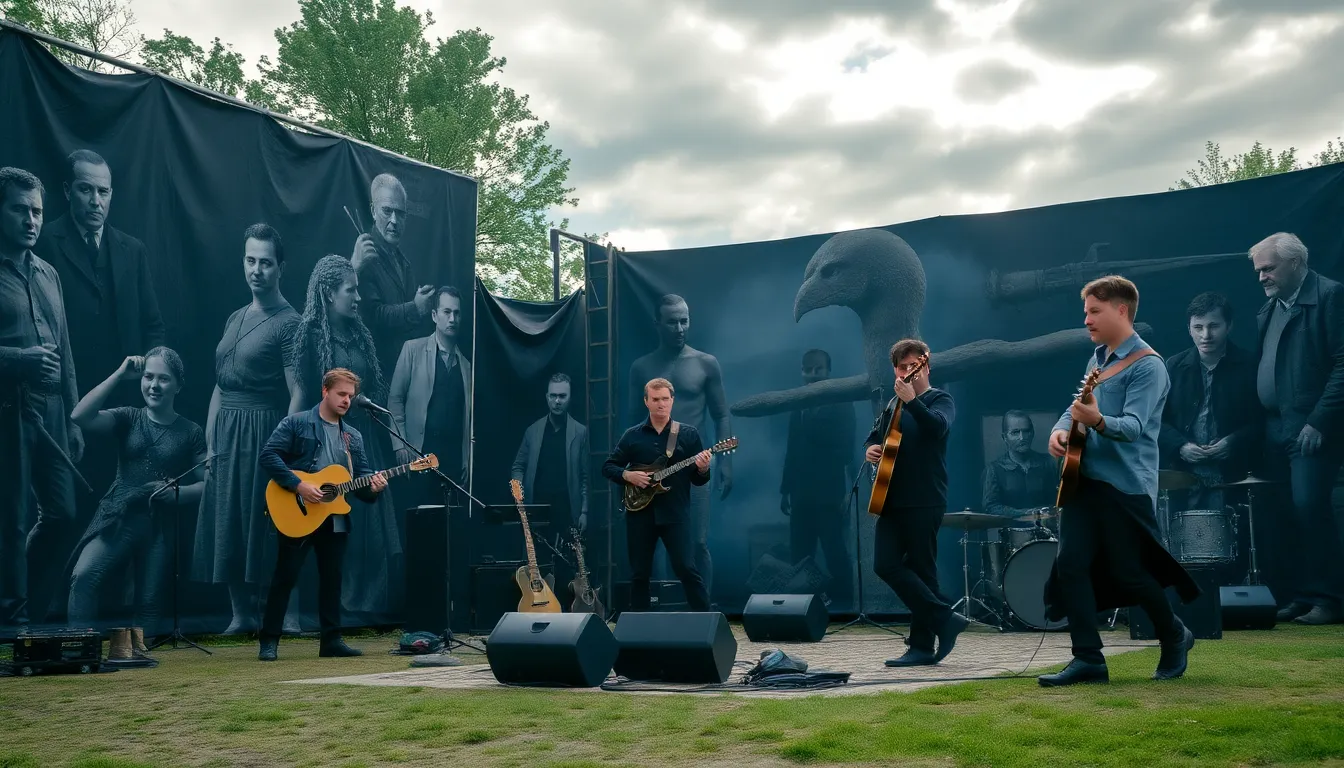
The socio-political landscape of the 1930s was characterized by economic instability and widespread disillusionment following the Great Depression. In Germany, this environment fostered the rise of the Nazi Party, which exploited public fear and resentment to establish a totalitarian regime. Brecht’s work emerged as a response to these developments, aiming to provoke critical thought and encourage audiences to question the status quo. His use of the “epic theatre” technique was designed to alienate the audience, prompting them to engage intellectually rather than emotionally with the narrative.
Key milestones in Brecht’s life and career include his exile from Germany in 1933, when the Nazis came to power, and his subsequent relocation to the United States. During his time in America, Brecht continued to develop his theories of theatre and political art, which would later influence generations of playwrights and performers. His works often served as a warning about the cyclical nature of history and the potential for authoritarianism to resurface, a theme that resonates strongly in contemporary society.
The relevance of Brecht’s message today
As we witness the resurgence of populist movements and authoritarian tendencies around the globe, Brecht’s insights into the mechanisms of power and control remain strikingly relevant. The revival of “The Resistible Rise of Arturo Ui” by contemporary artists like Mark Gatiss and the band Placebo underscores the enduring nature of Brecht’s critique, reminiscent of discussions in current documentary narratives.
Key stakeholders and their perspectives on the revival
The revival of Bertolt Brecht’s satirical work, which critiques the rise of totalitarianism, has drawn the attention of various stakeholders, each with distinct interests and concerns. Key actors include the creative team led by Mark Gatiss, the band Placebo, theater companies, audiences, and cultural commentators. Their perspectives highlight a complex interplay of artistic expression, historical reflection, and contemporary relevance.
Mark Gatiss, as a director and actor, is primarily interested in reinterpreting Brecht’s work for modern audiences. He aims to engage viewers with the themes of power and oppression, drawing parallels between past and present political climates. This artistic endeavor seeks to provoke thought and discussion, reflecting on how history’s lessons remain pertinent today.
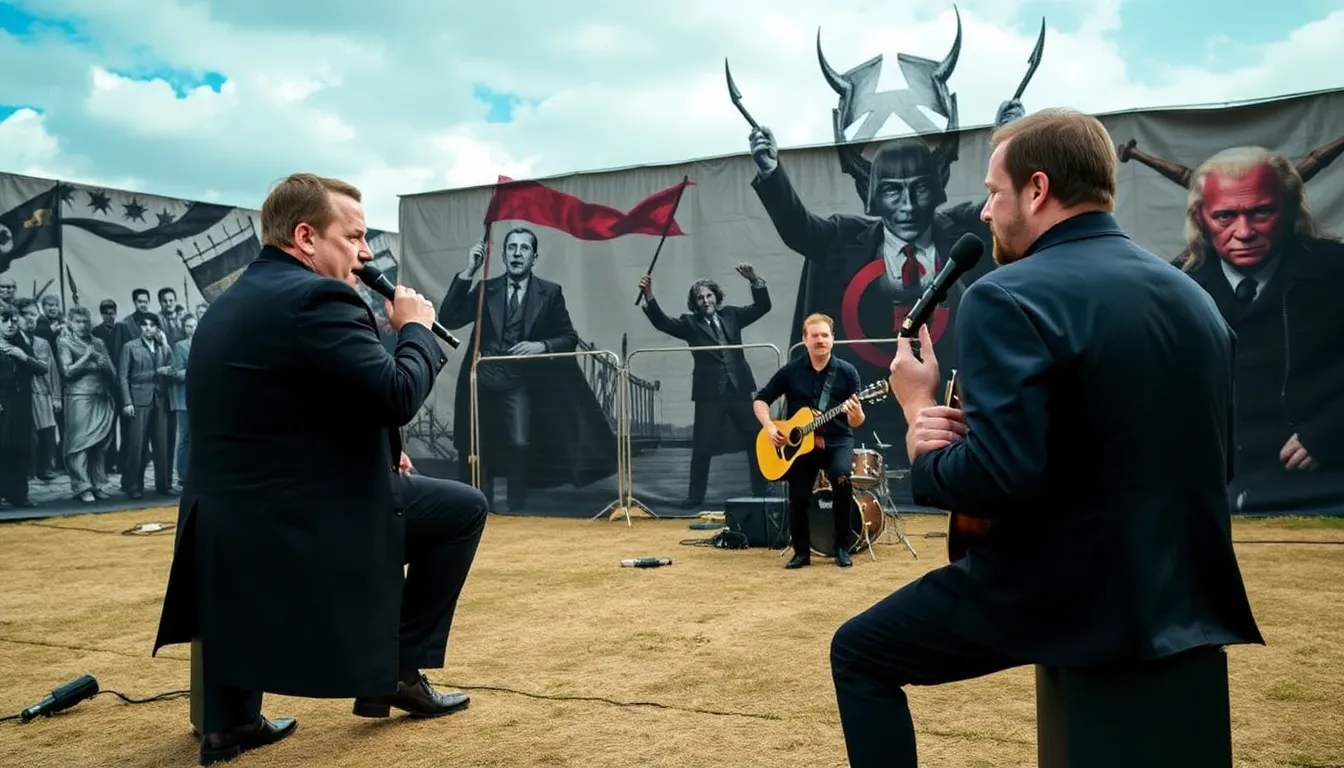
Placebo, known for their provocative music and social commentary, brings a unique perspective to the revival. Their involvement not only enhances the production’s appeal but also aligns with their mission to challenge societal norms. The band’s fans may appreciate the blend of music and theater, fostering a dialogue about the issues raised in Brecht’s satire.
- Artistic integrity: Ensuring that the revival maintains Brecht’s original intent while resonating with contemporary audiences.
- Commercial viability: Balancing the artistic vision with the financial realities of theater production.
- Audience engagement: Attracting diverse audiences who may have varying levels of familiarity with Brecht’s work.
- Political implications: Navigating the sensitivities around political satire in today’s climate.
- Historical context: Providing sufficient context for audiences to understand the relevance of Brecht’s critique of totalitarianism.
Theater companies involved in the production face the challenge of presenting a work that is both historically significant and relevant to current events. They must consider audience reactions and potential controversies that may arise from the themes explored in the play. This delicate balance between artistic expression and social responsibility is crucial for the success of the revival.
Cultural commentators and critics play a vital role in shaping public perception of the revival. Their analyses can influence audience turnout and the overall reception of the production. As they assess the effectiveness of the revival in addressing both Brecht’s themes and contemporary issues, their insights will contribute to the broader discourse surrounding the intersection of art and politics.
The impact of Brecht’s work on modern audiences and artists
Mark Gatiss and Placebo’s revival of Bertolt Brecht’s satire on Hitler resonates with various groups, including artists, theatre enthusiasts, and the broader cultural community. The impact is particularly significant for those in the performing arts industry, where the themes of Brecht’s work challenge contemporary societal norms and political landscapes.
In the short term, audiences may experience a renewed engagement with political theatre, prompting discussions around current global issues. This revival could lead to increased ticket sales and interest in theatrical productions that address social justice, potentially revitalizing local economies in regions where these performances are staged.
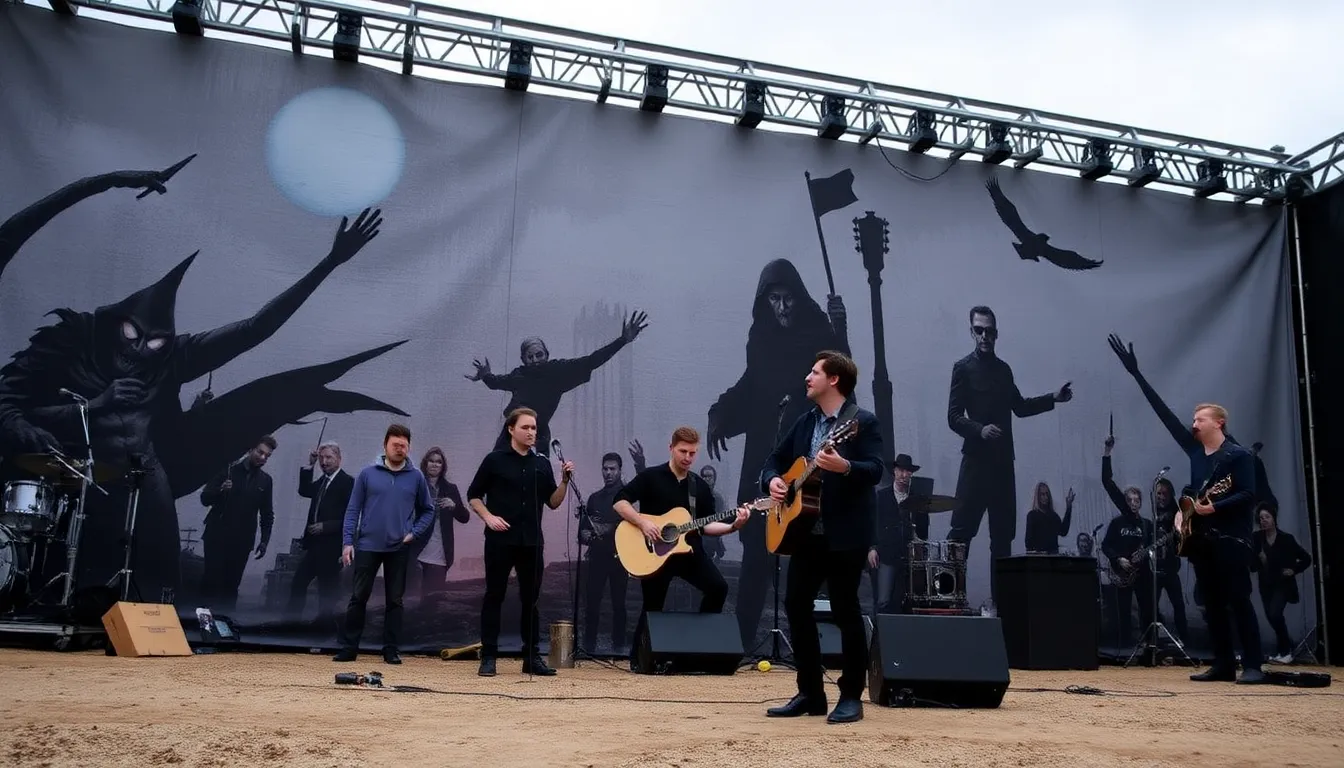
Mid-term impacts may include a shift in how artists approach their work, with more creators inspired to tackle provocative subjects. This could foster a vibrant environment for innovative storytelling, but it also carries risks of backlash from audiences or political entities resistant to such themes. The cultural discourse surrounding these performances may lead to policy discussions regarding funding and support for the arts.
- Short-term: Increased engagement with political theatre.
- Mid-term: Shift in artistic approaches and potential policy discussions.
- Risks: Backlash from resistant audiences or political entities.
- Opportunities: Revitalization of local economies through increased ticket sales.
Overall, the revival of Brecht’s work serves as a reminder of the power of theatre to provoke thought and inspire change, affecting not only those directly involved in the arts but also the wider community engaged in cultural dialogue.
A: Reviving Brecht’s work today serves as a reminder of the historical warnings against tyranny and oppression, making it relevant in the current political climate. A: Gatiss and Placebo interpret Brecht’s satire through a modern lens, emphasizing its brutal honesty and the need for critical reflection in today’s society. A: The revival explores themes of power, corruption, and the moral responsibilities of artists in confronting societal issues. A: Key figures include Mark Gatiss as a director and actor, along with the band Placebo, who contribute to the artistic vision and musical elements of the production. A: Audiences can expect a thought-provoking experience that blends music and theater, challenging them to reflect on the parallels between Brecht’s time and today.
Frequently asked questions about the revival of Brecht’s work
Key insights and future outlook on Brecht’s satire
The revival of Brecht’s brutal satire on Hitler, as explored by Mark Gatiss and Placebo, serves as a poignant reminder of the relevance of historical narratives in contemporary society. This artistic endeavor not only highlights the cyclical nature of political extremism but also emphasizes the power of art as a vehicle for social critique. As audiences engage with this work, it raises critical questions about the role of culture in reflecting and challenging the political climate of our time.
Moving forward, the intersection of art and activism will likely become increasingly significant. The revival acts as a catalyst for discussions around authoritarianism, societal complacency, and the responsibility of artists to confront uncomfortable truths. Observers should remain attentive to how this production influences public discourse and inspires future artistic expressions.
- Monitor audience reactions and discussions sparked by the revival, as they may reveal deeper societal sentiments.
- Evaluate the impact of Brecht’s themes on contemporary political movements and their representation in the arts.
- Consider how this revival might inspire other artists to tackle challenging historical or political subjects.
- Watch for potential collaborations between artists and activists that emerge from this renewed interest in Brecht’s work.
- Assess the role of digital platforms in broadening the reach of such productions and their messages.