
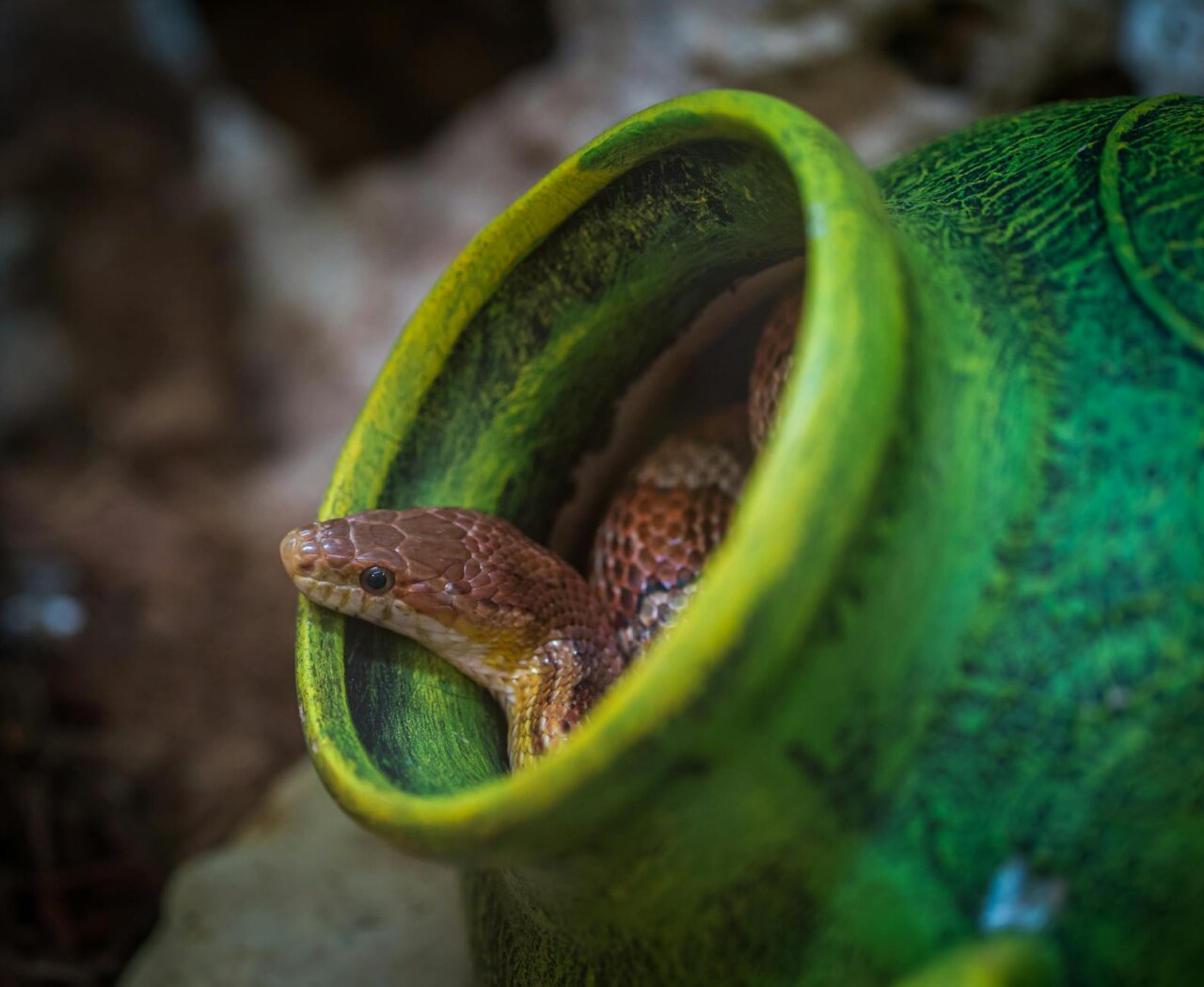
In a groundbreaking experiment conducted in September 2023, scientists placed several species of snakes in mazes designed to test their problem-solving capabilities. The results indicated that certain species, such as the corn snake, demonstrated remarkable skills in finding their way through the mazes, suggesting a level of cognitive function previously underestimated.
The implications of these findings extend beyond mere curiosity about snake intelligence. Understanding how snakes solve problems can provide insights into their survival strategies in the wild, particularly in the face of habitat loss and environmental changes. Additionally, this research may influence conservation efforts by highlighting the adaptability and resilience of these creatures.
As more studies emerge, the scientific community is beginning to reevaluate the cognitive abilities of reptiles as a whole. The results from these experiments could pave the way for further exploration into the neurological underpinnings of problem-solving in non-mammalian species, potentially reshaping our understanding of intelligence in the animal kingdom.
Recommended Articles
- Understanding Instagram Instants and Their Implications
- Exploring America through Unlikely Items in a Unique Podcast
- Should you eat local yoghurt on holiday to prevent an upset stomach
- The rising threat of disease-carrying mosquitoes and heat-related deaths
- The Power of Storytelling in Promoting Sustainability
- Understanding Instagram Instants and Their Implications
- Exploring America through Unlikely Items in a Unique Podcast
- Should you eat local yoghurt on holiday to prevent an upset stomach
- The rising threat of disease-carrying mosquitoes and heat-related deaths
- The Power of Storytelling in Promoting Sustainability
Understanding snake intelligence and behavior
Snakes have long been a subject of fascination and mystery, often perceived as simple creatures driven by instinct. However, recent studies have begun to unravel the complexities of their intelligence and behavioral patterns. This shift in perception is not just a scientific curiosity; it reflects broader societal attitudes towards reptiles and their roles in ecosystems.
Historically, snakes have been both revered and reviled in various cultures. In ancient civilizations, such as those in Egypt and Mesoamerica, snakes were often seen as symbols of wisdom and renewal. Conversely, in many Western cultures, they have been demonized, seen as deceitful or dangerous. This duality has influenced how humans interact with snakes and perceive their intelligence.
Economically, the relationship between humans and snakes has evolved as well. In some regions, snakes are valued for their role in controlling pest populations, which can benefit agriculture. In contrast, the illegal wildlife trade poses significant threats to many snake species, driven by demand for exotic pets and traditional medicine. This has led to heightened awareness and conservation efforts aimed at protecting these often-misunderstood creatures.
Key milestones in snake research
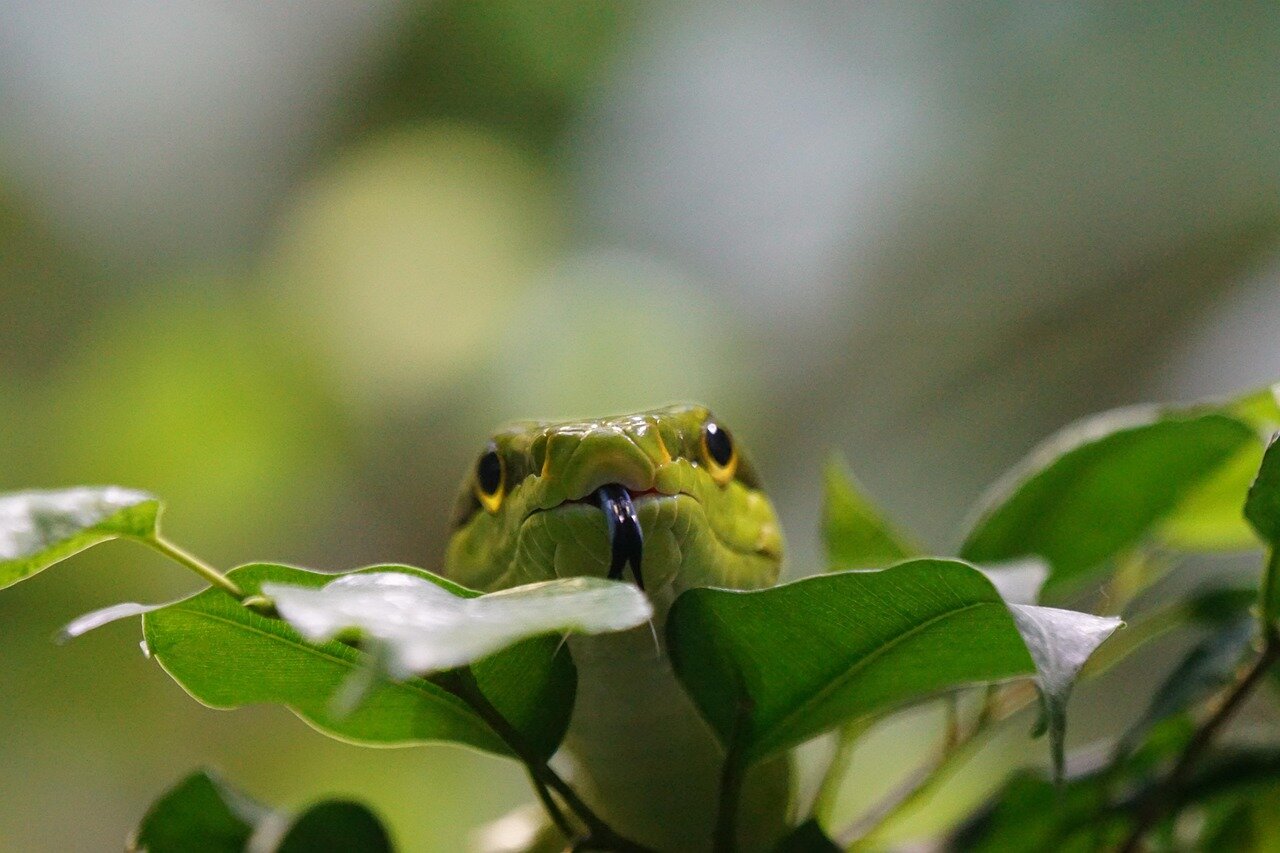
In recent decades, significant milestones in herpetology have changed the narrative surrounding snake intelligence. Research has demonstrated that snakes possess a range of cognitive abilities, including problem-solving skills and social learning. Studies have shown that certain species can navigate complex environments and exhibit behaviors that suggest a level of learning and memory previously unassociated with reptiles. These findings challenge long-standing stereotypes and encourage a reevaluation of how we view snake intelligence.
Key issues surrounding animal intelligence and problem-solving
The exploration of animal intelligence, particularly in species like snakes, raises significant questions about cognition and problem-solving abilities in the animal kingdom. Various stakeholders are involved in this discourse, including researchers, conservationists, and educational institutions. Each group has distinct interests that shape the narrative around animal intelligence.
Researchers in the field of animal cognition are primarily interested in understanding the mechanisms behind intelligence in different species. Their work often leads to debates about the definitions of intelligence and how it can be measured across species. This can lead to conflicts with traditional views that prioritize human intelligence as the standard measure.
Conservationists also play a crucial role in this discussion. They argue that recognizing the intelligence of various species, including snakes, can influence conservation efforts. By understanding the cognitive abilities of these animals, they can advocate for better protection measures and habitat preservation, highlighting the ecological importance of intelligent species.
Furthermore, educational institutions are increasingly incorporating studies of animal intelligence into their curricula. This shift aims to foster a broader understanding of non-human intelligence and its implications for biodiversity and ethics. However, this can create trade-offs between scientific research and public perception, as sensationalized portrayals of animal intelligence may lead to misunderstandings.

- Research Interests: Understanding cognitive mechanisms and intelligence definitions.
- Conservation Efforts: Advocating for species protection based on cognitive abilities.
- Educational Impacts: Integrating animal intelligence studies into curricula for broader awareness.
- Public Perception: Navigating the balance between scientific accuracy and sensationalism.
- Ethical Considerations: Addressing the implications of recognizing intelligence in non-human species.
How this knowledge affects our view of animal intelligence
The recent discussions surrounding the intelligence of snakes have broader implications that affect various groups, industries, and regions. Researchers, educators, and wildlife conservationists are at the forefront of this dialogue, as they seek to understand and communicate the complexities of animal cognition. This newfound appreciation for snake intelligence may influence how these groups approach their work, from educational programs to conservation strategies.
In the short term, the impact on daily life may be subtle but significant. For example, increased awareness of snake intelligence could lead to shifts in public perception, fostering a greater respect for these often-misunderstood creatures. This may also affect local tourism industries, particularly in regions where snake-watching is a popular activity. As people become more interested in learning about snakes, businesses that offer educational tours or experiences may see a boost in patronage.
In the mid-term, industries such as agriculture and pest control may need to reassess their strategies. Recognizing the ecological roles that snakes play could lead to more sustainable practices that prioritize coexistence over eradication. This shift could reduce the use of harmful pesticides, benefiting both the environment and public health. Additionally, policymakers may be influenced to enact laws that protect snake habitats, further integrating wildlife considerations into land-use planning.

- Wildlife Conservation: Increased funding for snake conservation initiatives.
- Education: Enhanced curriculum on animal intelligence in schools.
- Agriculture: Shift towards sustainable pest control methods.
- Tourism: Growth in eco-tourism related to snake observation.
However, there are risks associated with this shift in perception. Misunderstanding the implications of snake intelligence could lead to heightened fears and misconceptions, potentially resulting in increased snake hunting or habitat destruction. It is crucial for stakeholders to communicate effectively about the benefits of snakes in ecosystems to mitigate these risks and harness the opportunities that arise from this new understanding.
A: Snakes exhibit a unique form of intelligence that is different from mammals. They are adept at problem-solving in their environments, particularly when it comes to hunting and avoiding predators. A: Yes, snakes can learn from their experiences, particularly in terms of recognizing threats and finding food. This adaptability is a sign of their cognitive abilities. A: Snakes can solve puzzles related to their survival, such as navigating mazes or finding hidden prey. Their problem-solving skills are often linked to their instincts. A: Yes, various studies have been conducted to assess snake intelligence, focusing on their behavior and problem-solving skills in controlled environments. A: While snakes have unique problem-solving abilities, other reptiles like lizards and turtles also demonstrate intelligence, though in different ways.
Frequently asked questions about snake intelligence
Key takeaways on snake intelligence and problem-solving
The exploration of snake intelligence reveals a fascinating dimension of animal cognition that challenges traditional perceptions of problem-solving abilities within the animal kingdom. As we delve deeper into the behaviors exhibited by snakes, it becomes evident that their survival strategies are not merely instinctual but often involve a level of adaptability and learning that warrants further investigation.
Understanding these nuances can inform broader discussions about animal intelligence and the evolutionary advantages that such cognitive skills may confer. As researchers continue to uncover the complexities of snake behavior, several key insights emerge that are worth considering for future studies and applications.
- Monitor ongoing research into snake cognition to identify new behavioral patterns that may influence ecological management strategies.
- Consider the implications of snake problem-solving abilities on their roles within ecosystems, particularly in pest control and biodiversity.
- Encourage interdisciplinary studies that combine ethology, ecology, and neuroscience to deepen our understanding of animal intelligence.
- Recognize the potential for educational programs to incorporate findings on snake intelligence, fostering a greater appreciation for these often-misunderstood creatures.