
The court found the participants guilty of violating local laws that restrict public gatherings without permission. The fines levied on the women highlight the government’s stringent stance on protests, particularly those related to international political issues. Observers note that such legal actions may deter future demonstrations advocating for various causes.
This incident comes at a time when global attention is focused on the Israeli-Palestinian conflict, raising questions about the role of civil society in addressing international humanitarian issues. Activists argue that the fines reflect a broader trend of suppressing dissent in Singapore, where public expressions of political opinion are often met with legal repercussions.
The implications of this ruling extend beyond the individuals involved, as it may influence public sentiment regarding activism and free expression in the country. Critics of the government’s approach to protests are concerned that such measures could stifle important conversations about human rights and social justice.
Understanding the background of the pro-Palestinian movement in Singapore
The pro-Palestinian movement in Singapore has its roots in the broader global context of the Israeli-Palestinian conflict, which has persisted for decades. This conflict has often polarized opinions around the world, including in Singapore, where a diverse population holds varying views on the issue. The movement in Singapore is driven by a combination of solidarity with the Palestinian people, advocacy for human rights, and opposition to perceived injustices in the region.
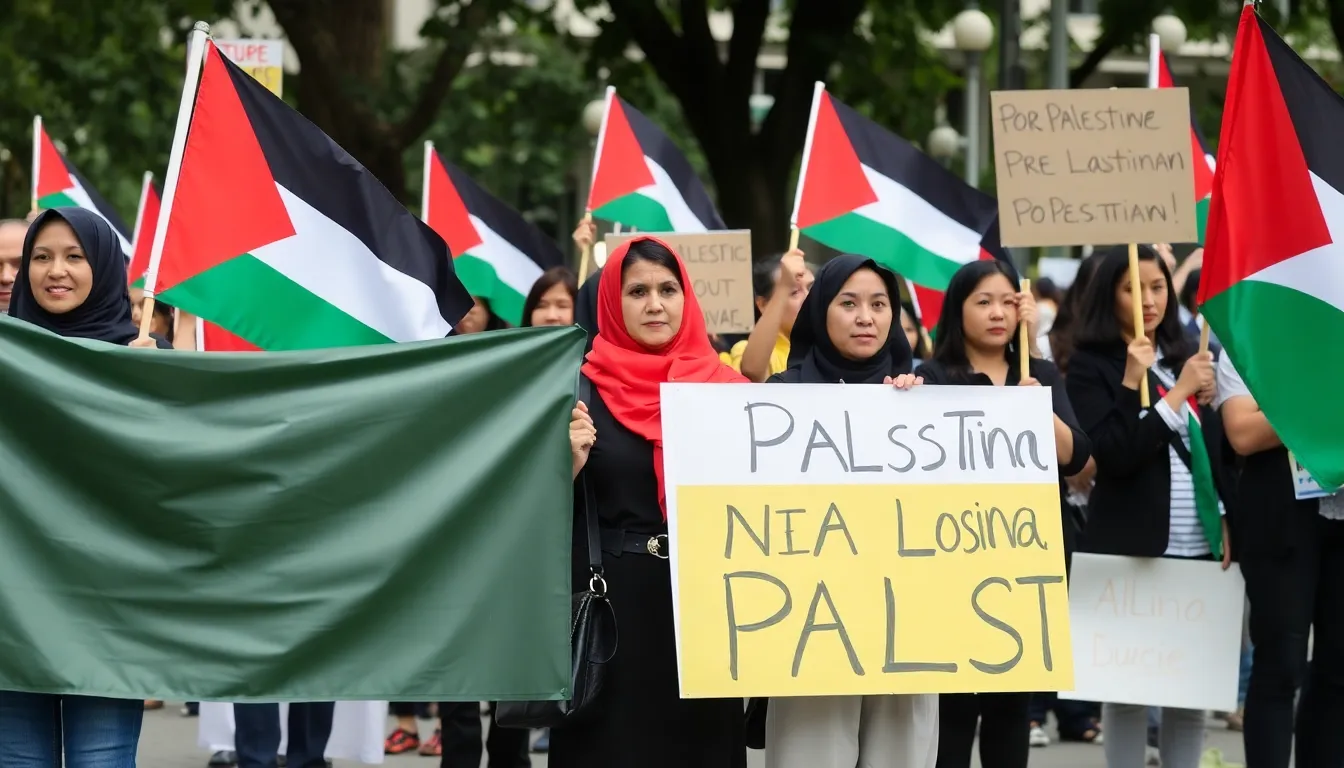
Historically, Singapore has maintained a neutral stance on the Israeli-Palestinian conflict, emphasizing diplomacy and dialogue. However, the local pro-Palestinian sentiment has gained traction, particularly among younger generations who are more vocal about social justice issues. Events such as the Gaza Wars and the ongoing humanitarian crises have galvanized activists to organize demonstrations and raise awareness about the plight of Palestinians.
Key Milestones in Singapore’s Pro-Palestinian Activism
Several key milestones have marked the evolution of pro-Palestinian activism in Singapore. In 2014, during the Gaza conflict, large-scale protests were held, attracting significant media attention and public discourse. These events highlighted the growing willingness of Singaporeans to engage in activism surrounding international issues. More recently, the rise of social media has allowed activists to mobilize quickly and share information, further amplifying their voices.
Despite the increasing visibility of pro-Palestinian activism, the Singaporean government has been cautious in its response to such movements. Authorities have often cited concerns over public order and national security when addressing protests and demonstrations. This has led to legal repercussions for activists, as seen in recent cases where participants in pro-Palestinian walks faced fines. Such actions underscore the tension between freedom of expression and governmental regulations in Singapore.
As the pro-Palestinian movement continues to evolve, it reflects broader societal attitudes towards international conflicts and human rights issues. The ongoing dialogue in Singapore about these matters illustrates the complexities of balancing local perspectives with global humanitarian concerns.
Examining the implications for civil liberties and activism
The recent decision by a Singapore court to impose fines on women participating in a pro-Palestinian walk has raised significant concerns regarding civil liberties and the right to protest. This case highlights the ongoing tension between governmental authority and individual freedoms, particularly in a nation known for its strict regulations on public assembly and expression.
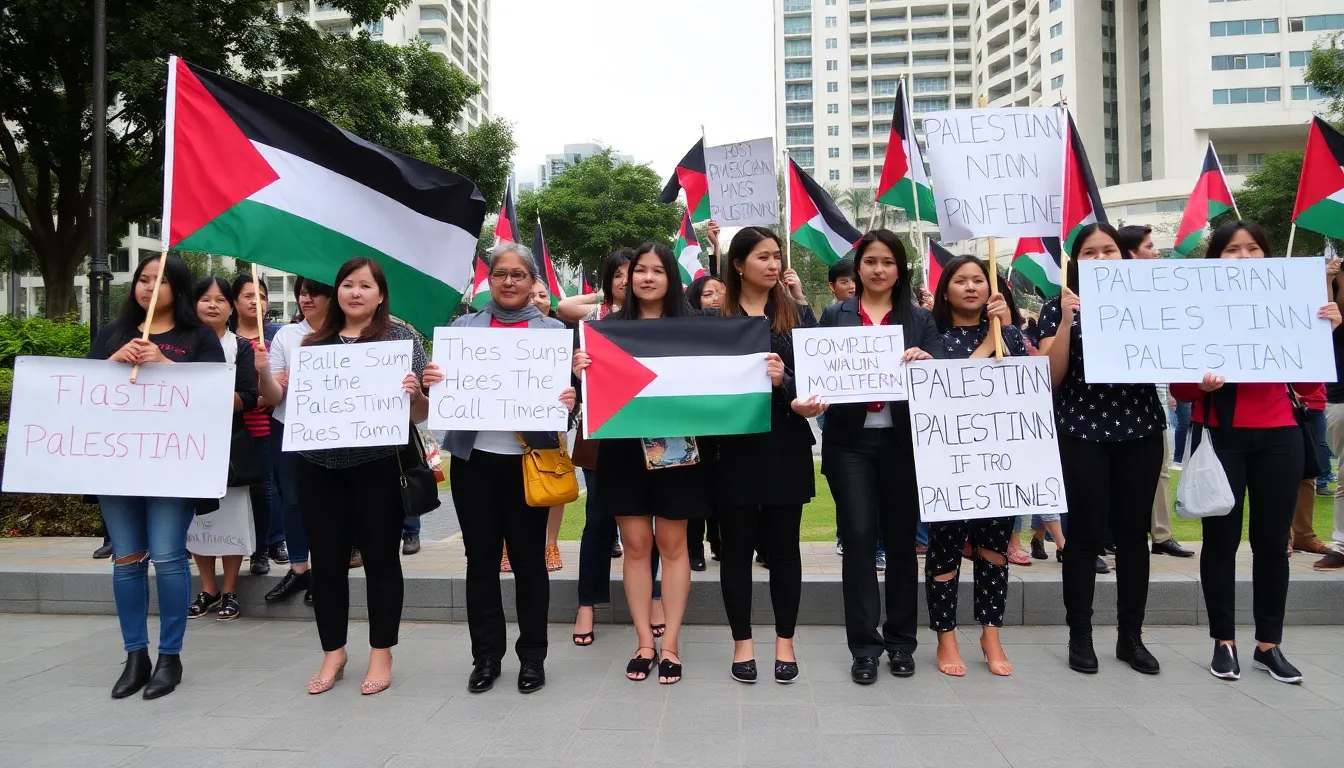
Key actors in this situation include the Singaporean government, which aims to maintain public order and cohesion, and the activists advocating for Palestinian rights, who seek to raise awareness and express solidarity. The interests of these groups often conflict, as the government prioritizes stability while activists emphasize their rights to free speech and assembly.
- Government Interests: Ensuring public order and compliance with laws governing public gatherings.
- Activist Interests: Advocating for human rights and freedom of expression in the context of global issues.
- Legal Implications: The case raises questions about the interpretation of laws related to public assembly and the extent of civil liberties in Singapore.
- Economic Considerations: Potential impacts on Singapore’s international reputation as a hub for activism and civil society engagement.
This incident also reflects broader societal attitudes towards dissent in Singapore, where the government has historically taken a firm stance against protests that could disrupt social harmony. The fines imposed on the participants not only serve as a punitive measure but also as a deterrent for future activism, potentially stifling grassroots movements.
As the debate continues, it is crucial to consider how such legal actions may influence the landscape of civil rights in Singapore. The balance between maintaining order and allowing for freedom of expression remains a contentious issue, with implications for both local and international observers of Singapore’s political climate.
Impact on activists and public perception in Singapore
The recent court ruling against women participating in a pro-Palestinian walk has significant implications for various groups and individuals in Singapore. Activists advocating for human rights and social justice may feel increasingly marginalized, as the legal repercussions of their actions could deter future demonstrations. This ruling not only affects the activists involved but also sends a broader message about the limits of free expression in the country.
In the short term, public perception of pro-Palestinian movements may shift, leading to increased polarization among citizens. Those who support the cause may rally in solidarity, while others may view the activists as troublemakers. This division could impact community relations and foster an environment of distrust between different social groups.
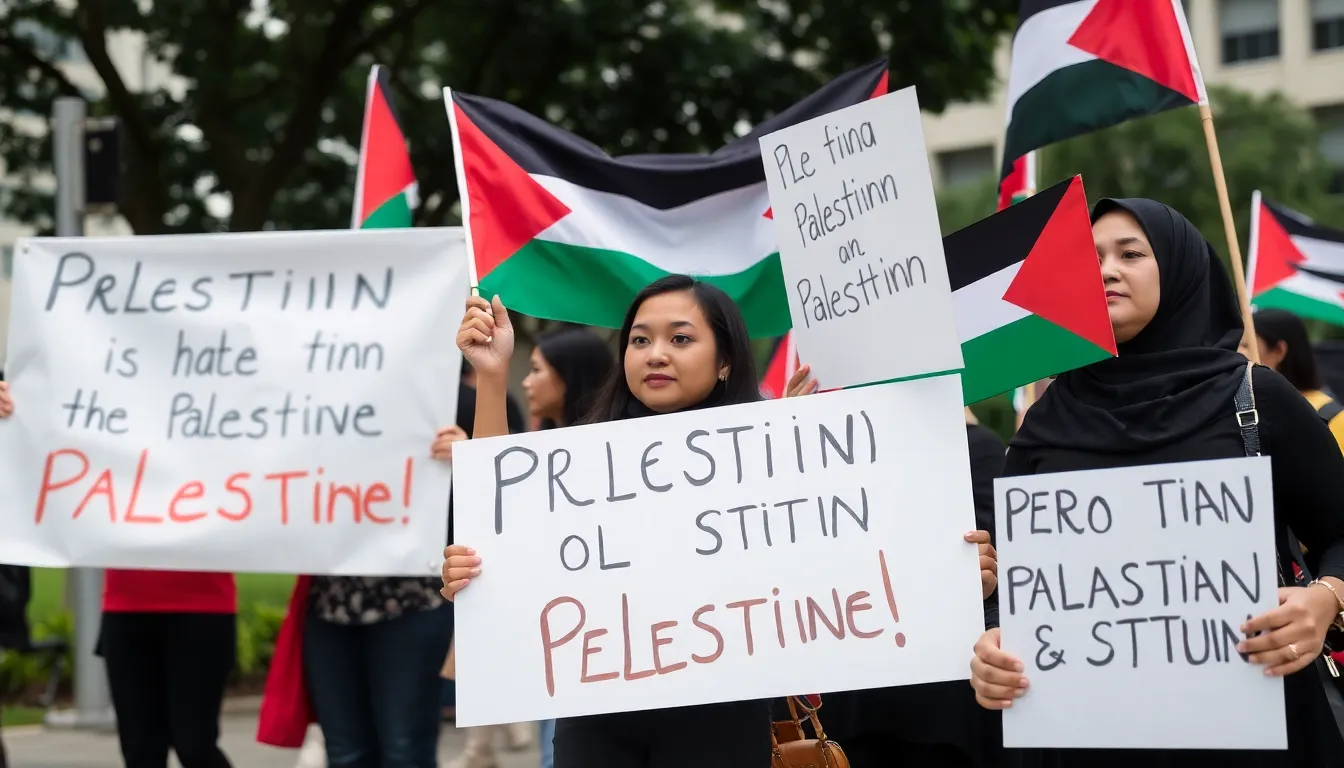
From a business perspective, industries linked to social activism, such as non-profits and advocacy groups, could face challenges in fundraising and community engagement. Companies that align themselves with social causes may also reconsider their partnerships or public stances to avoid backlash. Conversely, this situation may open opportunities for businesses that support free speech and social justice, allowing them to differentiate themselves in the market.
- Short-term risks: Increased legal scrutiny on protests and public gatherings.
- Mid-term risks: Potential chilling effect on public discourse and activism.
- Opportunities: Growth for organizations promoting civil liberties and community dialogue.
Policy implications may arise as the government reassesses its stance on public demonstrations. There could be a push for stricter regulations, which might further limit citizens’ ability to express their views. Alternatively, this ruling could spark discussions about the need for more balanced approaches to civil rights, potentially leading to reforms that enhance public engagement and dialogue.
A: The court found that the women violated public assembly laws by participating in the walk without a permit. This decision highlights the strict regulations surrounding public demonstrations in Singapore. A: Public reaction has been mixed, with some supporting the court’s decision as necessary for maintaining order, while others view it as a suppression of free speech. A: This ruling sets a precedent that could deter future protests, as activists may fear legal repercussions for organizing similar events without permits. A: Yes, there are ongoing debates among lawmakers and civil society about the need for reforming public assembly laws to better balance security and freedom of expression. A: Various legal aid organizations and civil rights groups in Singapore offer support and resources for activists facing legal issues related to their demonstrations.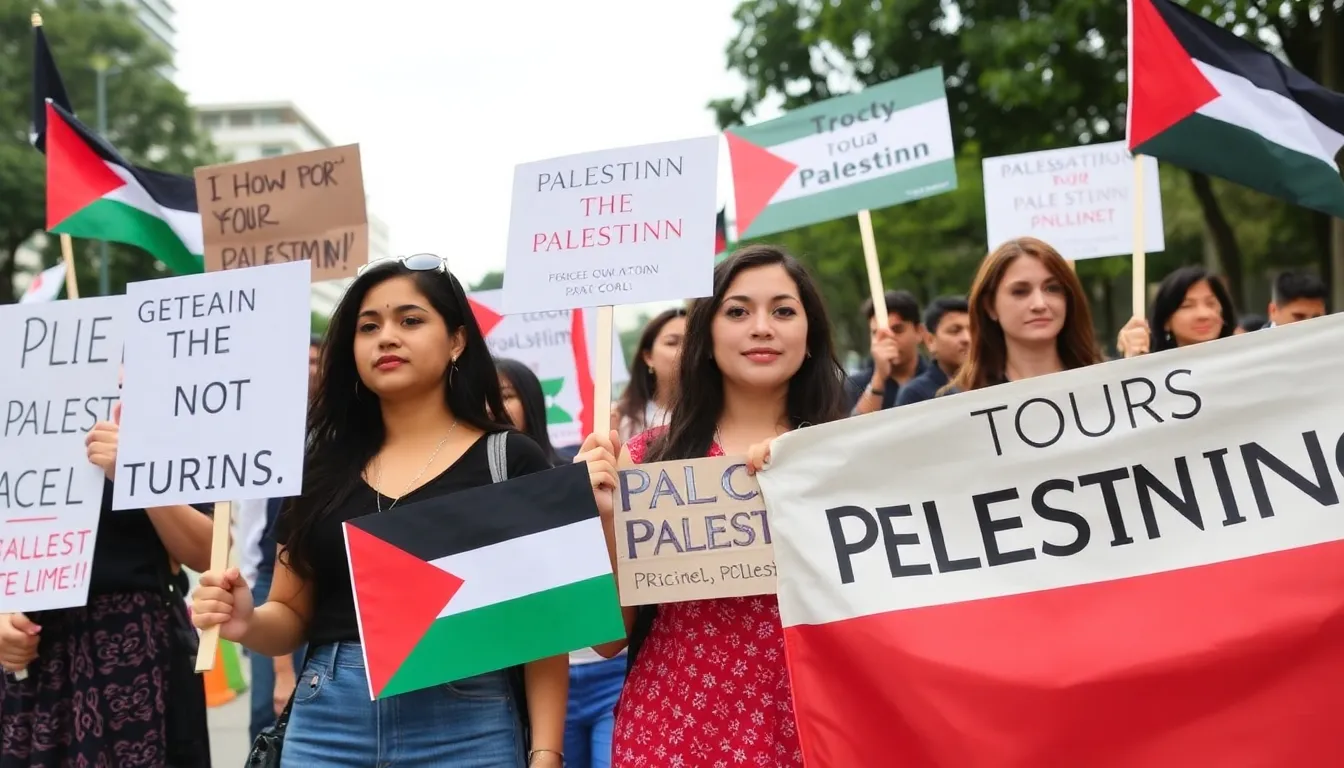
Frequently asked questions about the court ruling
Key takeaways and future implications of the ruling
The recent ruling by a Singapore court to impose fines on women participating in a pro-Palestinian walk highlights the delicate balance between freedom of expression and legal boundaries within the country. This decision may set a precedent for how similar protests and expressions of political sentiment are handled in the future, particularly regarding sensitive international issues. As Singapore continues to navigate its role on the global stage, the implications of this ruling could resonate beyond its borders, influencing both domestic and international discourse on civil liberties.
<p Stakeholders, including activists, legal experts, and policymakers, will need to closely monitor the evolving landscape of public demonstrations in Singapore. The ruling not only reflects the current legal framework but also raises questions about the limits of civic engagement in a diverse society. Understanding the ramifications of this decision will be crucial for those advocating for social change and for the government as it responds to public sentiment.
- The ruling may deter future public demonstrations related to sensitive political issues, impacting civic engagement.
- Legal interpretations of freedom of expression in Singapore could evolve, leading to potential reforms or stricter regulations.
- Increased scrutiny on international solidarity movements may emerge, influencing how such events are organized and perceived.
- Potential for heightened dialogue around the balance between national security and individual rights in public demonstrations.
- Implications for Singapore’s international reputation as a hub for free speech and civil liberties could be significant.