
In response to this crisis, the UK government announced a comprehensive review of water regulations in March 2023, aiming to enhance the accountability of water companies. This initiative comes amid growing public outcry over the environmental and health impacts of sewage spills, particularly in coastal and riverine communities. For more insights on global energy concerns, see Japan restarts world’s largest nuclear plant amid Fukushima concerns.
Key stakeholders, including the Environment Agency and various non-governmental organizations, are advocating for stricter enforcement of existing laws and the implementation of new technologies to prevent sewage overflows. The recent commitment by major water companies to invest £10 billion in infrastructure improvements over the next five years is a significant step towards addressing these concerns.
The implications of sewage pollution extend beyond environmental degradation; they pose serious risks to public health and local economies reliant on clean water resources. As the situation evolves, the effectiveness of these reforms will be closely monitored by both the public and regulatory bodies.
Understanding the Historical Context of Water Pollution
Water pollution has been a pressing issue for centuries, with its roots tracing back to the Industrial Revolution in the 18th and 19th centuries. As factories proliferated, they discharged untreated waste into rivers and streams, leading to a significant decline in water quality. This period marked the beginning of a growing disconnect between industrial progress and environmental health, as the focus on economic growth often overshadowed the importance of sustainable practices.
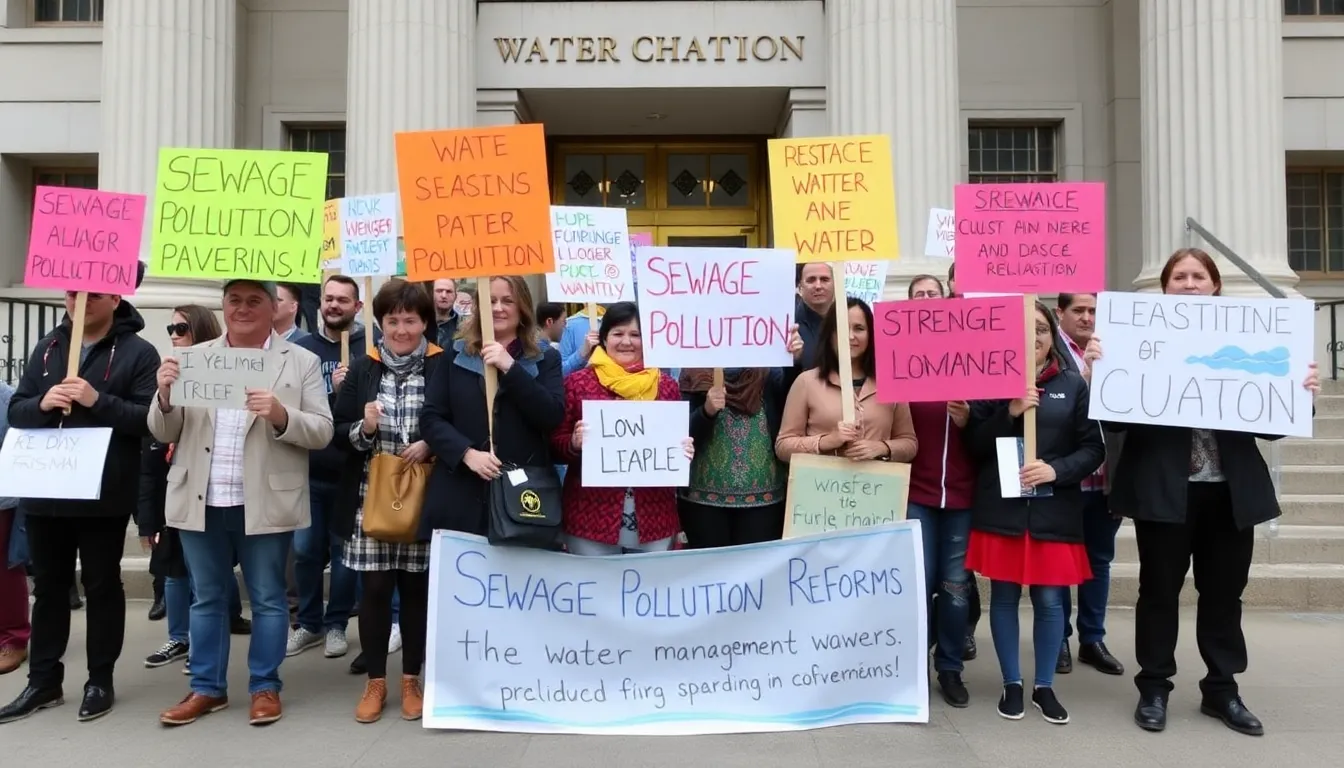
In the early 20th century, public awareness of the dangers of water pollution began to rise, spurred by outbreaks of waterborne diseases such as cholera and typhoid fever. These health crises prompted governments to implement regulations aimed at improving water quality. The establishment of the Clean Water Act in the United States in 1972 represented a pivotal moment in the fight against water pollution, setting strict standards for wastewater discharge and establishing a framework for monitoring water quality.
The Role of Legislation and Policy Changes
Despite legislative advancements, the issue of sewage pollution has persisted due to various factors, including aging infrastructure and underfunded public systems. Many cities have struggled to maintain their sewage systems, leading to frequent overflows and contamination of local waterways. The political landscape has also played a role, with shifts in priorities often resulting in reduced funding for environmental protection programs.
In recent years, the economic implications of water pollution have become increasingly apparent. Contaminated water sources can adversely affect local economies, particularly in regions reliant on agriculture and tourism. As communities grapple with the consequences of sewage pollution, there has been a renewed call for comprehensive reforms to address the underlying issues and ensure access to clean water for all. These discussions are echoed in political arenas, such as when Pierre Poilievre Remains Leader of Canada’s Conservatives.
Key milestones in this ongoing struggle include the establishment of the European Water Framework Directive in 2000, which aimed to enhance water quality across member states. Additionally, grassroots movements advocating for environmental justice have gained traction, highlighting the disproportionate impact of sewage pollution on marginalized communities. These efforts have catalyzed a broader conversation about the need for sustainable water management practices and equitable access to clean water resources.
Key Stakeholders and Issues in Water Management Reform
The issue of sewage pollution has drawn attention from various stakeholders, each with distinct interests and concerns. Among the primary actors are governmental bodies, environmental organizations, and local communities. Each of these groups plays a crucial role in shaping the policies and practices surrounding water management and sewage treatment.
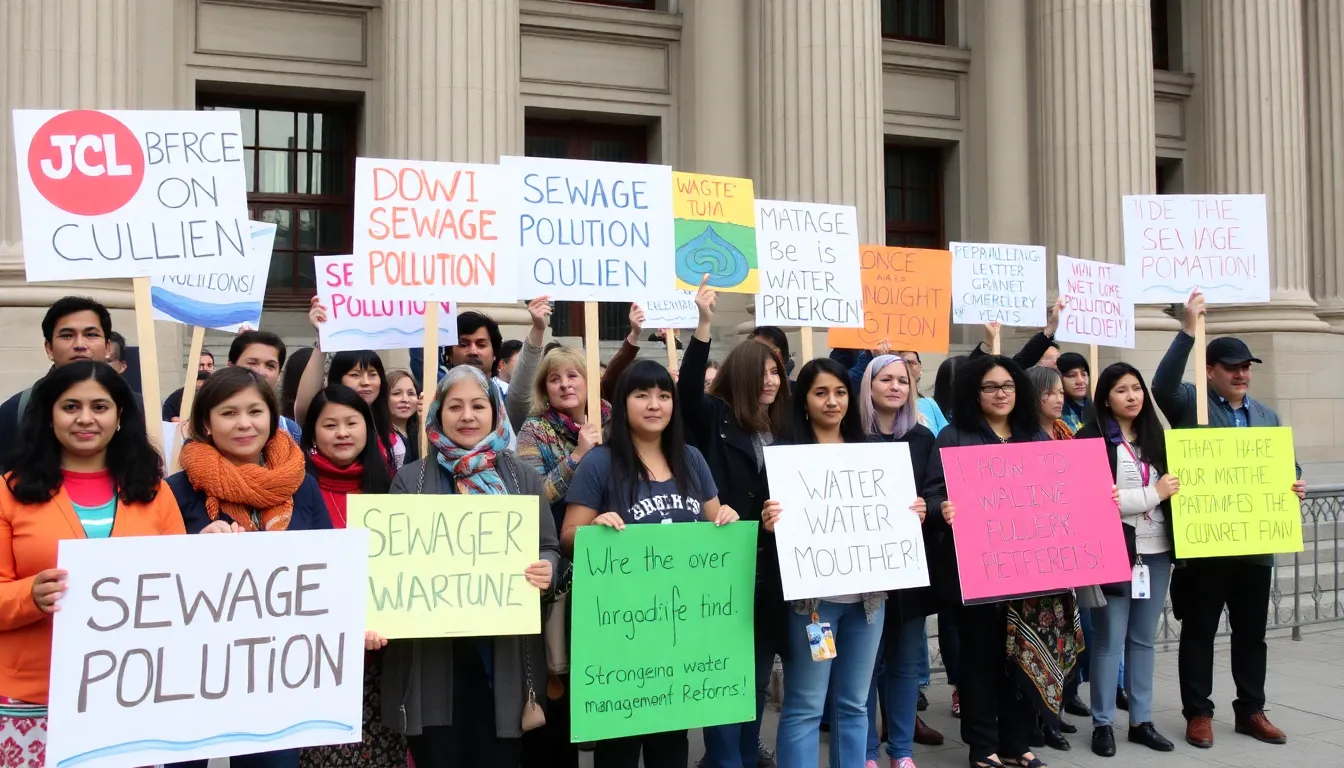
Government agencies, such as the Environmental Protection Agency (EPA) in the United States or equivalent bodies in other countries, are tasked with enforcing regulations and ensuring that water quality standards are met. Their primary interest lies in protecting public health and the environment while balancing economic considerations. However, they often face challenges in securing adequate funding and resources for infrastructure improvements.
Environmental organizations advocate for stricter regulations and better practices to combat sewage pollution. They highlight the ecological damage caused by untreated wastewater and push for sustainable solutions. Their interests often conflict with those of industries that may resist regulatory changes due to potential cost implications. This tension can lead to trade-offs between economic growth and environmental protection, much like the challenges faced by companies in various sectors, such as when Tesla faces penalties for not assisting UK police with driving violations.
Local communities are also significant stakeholders, particularly those directly affected by sewage pollution. Their interests include access to clean water, public health, and maintaining a healthy ecosystem. Community advocacy can drive change, but it may also create conflicts with governmental and industrial interests, particularly when local residents demand immediate action that may not align with broader economic or political agendas.
- Regulatory Compliance: Ensuring that sewage treatment facilities meet legal standards is a critical issue for government agencies.
- Economic Implications: Balancing the costs of infrastructure upgrades against the need for environmental protection poses a significant challenge.
- Community Engagement: Involving local residents in decision-making processes can lead to more effective and accepted solutions.
- Ecological Impact: Addressing the long-term effects of sewage pollution on biodiversity and ecosystems is a pressing concern for environmental groups.
- Technological Innovation: The development and implementation of new technologies for sewage treatment can provide pathways to improved water quality.
Impact of Sewage Pollution on Communities and Ecosystems
The blight of sewage pollution affects a wide range of groups, including local communities, environmental organizations, and industries reliant on clean water. Regions particularly vulnerable include urban areas with aging infrastructure, coastal communities dependent on tourism, and agricultural sectors that require safe water for irrigation. These groups face immediate and long-term consequences as pollution levels rise.
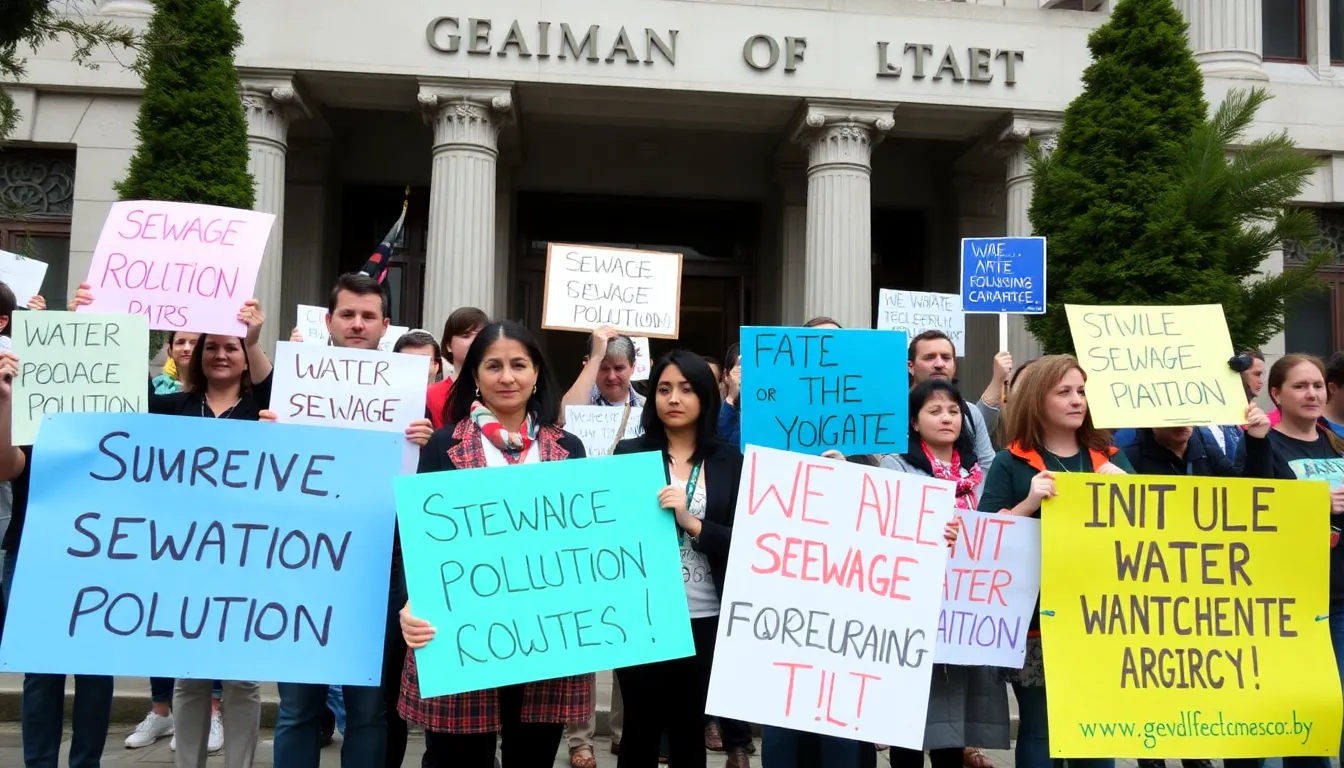
In the short term, communities may experience health risks due to contaminated water supplies, leading to increased healthcare costs and diminished quality of life. Businesses in tourism and recreation may see a decline in visitors as polluted beaches and waterways deter outdoor activities. Additionally, local governments might face pressure to implement costly remediation measures and enforce stricter regulations.
In the mid-term, the impact on policy could lead to more stringent environmental regulations and increased funding for infrastructure improvements. While this may pose challenges for some industries, it also creates opportunities for innovation in water treatment technologies and sustainable practices. Companies that adapt to these changes may find new markets and partnerships.
- Health Risks: Increased illness and healthcare costs for affected communities.
- Economic Decline: Reduced tourism revenue and business profitability in impacted areas.
- Regulatory Changes: Stricter environmental policies leading to compliance costs.
- Innovation Opportunities: Growth in the water treatment and sustainability sectors.
Ultimately, while the challenges posed by sewage pollution are significant, they also present a chance for communities and industries to innovate and improve their practices, fostering a healthier environment for future generations.
A: The primary sources of sewage pollution include wastewater from households, industries, and agricultural runoff. These contaminants can severely affect water quality and public health. A: Authorities are implementing stricter regulations, investing in advanced treatment technologies, and promoting public awareness campaigns to tackle sewage pollution. A: Exposure to sewage pollution can lead to various health issues, including gastrointestinal diseases, skin infections, and respiratory problems. Vulnerable populations are particularly at risk. A: Individuals can help by properly disposing of waste, reducing water usage, and supporting local initiatives aimed at improving water quality. A: Governments are responsible for creating and enforcing regulations, funding infrastructure improvements, and ensuring public access to clean water.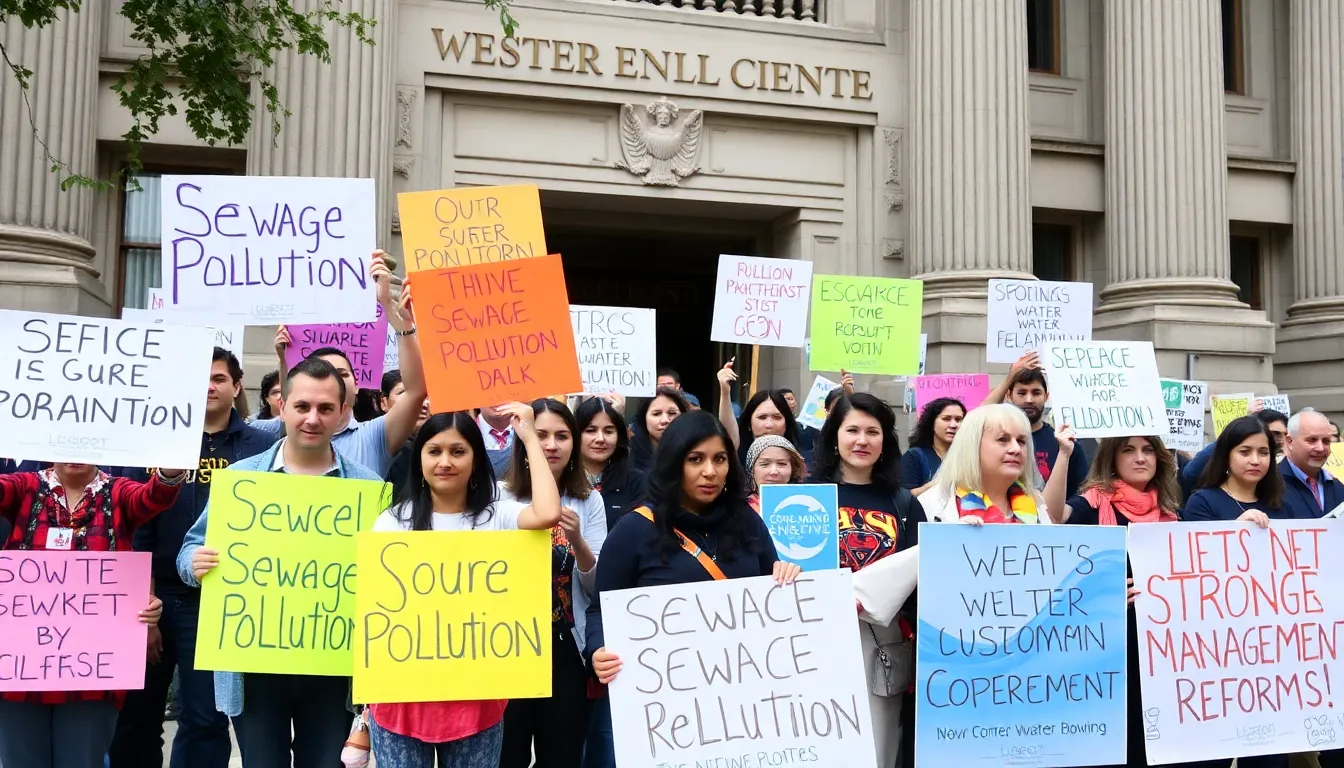
Frequently Asked Questions about Sewage Pollution and Water Reform
Future Directions and Key Takeaways for Water Management
The recent initiatives aimed at addressing sewage pollution mark a significant shift in water management practices. By prioritizing sustainable solutions and innovative technologies, stakeholders are beginning to recognize the interconnectedness of water quality and public health. This evolving landscape presents both challenges and opportunities, prompting a reevaluation of existing policies and infrastructure.
As regulatory frameworks adapt to these new realities, it is essential for communities, policymakers, and environmental advocates to remain vigilant and proactive. The success of these measures will hinge on collaboration and a commitment to long-term sustainability in water management.
- Enhanced Monitoring: Increased investment in monitoring systems will provide real-time data on water quality, enabling quicker responses to pollution incidents.
- Community Engagement: Involving local communities in decision-making processes will foster greater awareness and support for water conservation efforts.
- Innovative Technologies: The adoption of advanced treatment technologies can significantly reduce sewage discharge and improve overall water quality.
- Policy Reforms: Ongoing evaluation and reform of water management policies will be crucial to adapt to emerging challenges and ensure effective governance.
- Collaborative Approaches: Partnerships between government, industry, and non-profit organizations will enhance resource sharing and innovation in tackling sewage pollution.