
The European Union and NATO have responded by reinforcing their support for Ukraine, both militarily and economically. In September, NATO conducted joint military exercises in Eastern Europe, aimed at demonstrating solidarity and preparedness in the face of potential threats. These developments underscore the precarious balance of power in the region, especially in light of recent geopolitical tensions and the need for a unified response from European nations.
Moreover, the conflict has had significant implications for energy security in Europe. With winter approaching, concerns over gas supplies have intensified, particularly as Russia has historically been a major supplier. European countries are now seeking alternative energy sources and increasing investments in renewable energy to reduce dependency on Russian gas.
The humanitarian impact of the conflict continues to be profound, with millions of Ukrainians displaced and in need of assistance. International organizations have reported a surge in refugees fleeing to neighboring countries, putting additional pressure on their resources. The situation remains fluid, with diplomatic efforts ongoing to seek a resolution, yet the threat of further escalation looms large.

Exploring the Historical Context of Russian Aggression
Russia’s military aggression towards Ukraine is rooted in a complex historical narrative that dates back centuries. The relationship between the two nations has been shaped by a shared history, cultural ties, and geopolitical ambitions. Following the dissolution of the Soviet Union in 1991, Ukraine emerged as an independent state, a development that was met with apprehension in Moscow. The loss of Ukraine was seen as a significant blow to Russia’s influence in the region, prompting a desire to reassert control over its former territories.
One of the key milestones in this ongoing conflict was the 2014 annexation of Crimea by Russia, which was preceded by Ukraine’s Euromaidan protests and the subsequent ousting of pro-Russian President Viktor Yanukovych. This event marked a turning point, as it not only intensified hostilities but also highlighted the vulnerabilities of European nations in the face of aggressive foreign policy. The annexation was widely condemned by the international community, leading to sanctions against Russia and a reevaluation of security policies across Europe.
The Impact of NATO Expansion
The expansion of NATO into Eastern Europe has been a significant factor in Russia’s perception of threat and vulnerability. Since the late 1990s, several former Soviet states have joined NATO, which Russia views as a direct encroachment on its sphere of influence. This expansion has contributed to a cycle of mistrust and hostility, as Russia perceives NATO’s presence as a challenge to its security. The ongoing conflict in Ukraine serves as a stark reminder of the delicate balance of power in Europe and the potential for regional instability.
Economically, the war has had profound implications for both Ukraine and Europe. Ukraine, already struggling with economic reforms and corruption, has faced devastating losses in infrastructure and human capital due to the ongoing conflict. For Europe, the crisis has prompted a reassessment of energy dependencies, particularly in relation to Russian gas supplies. The urgency to diversify energy sources has become paramount, as European nations grapple with the reality of their vulnerabilities in the face of Russian aggression.
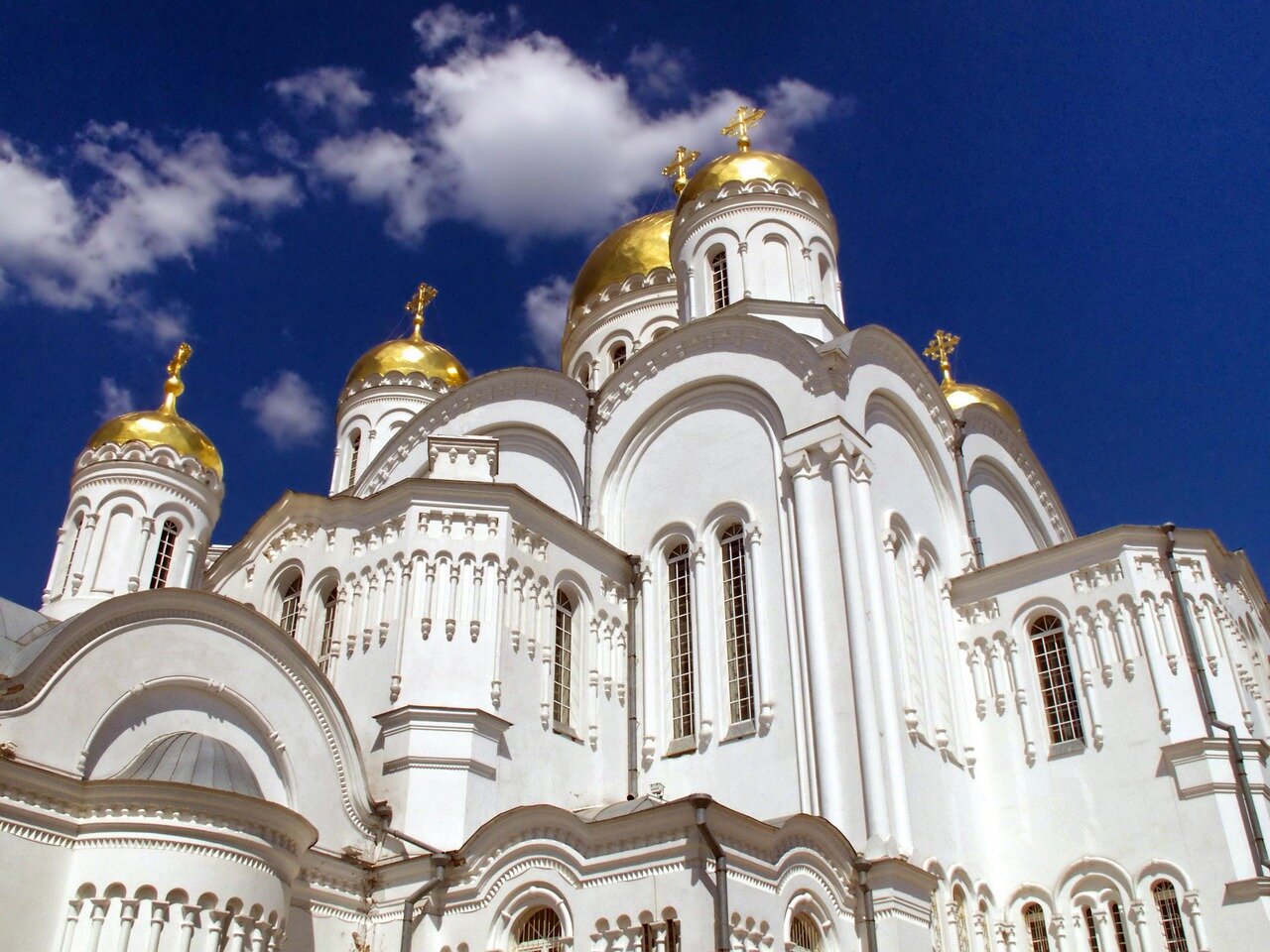
As the situation continues to evolve, it is crucial to understand the historical context and the underlying factors that have led to this deadly confrontation. The interplay of nationalism, geopolitics, and economic interests underscores the fragility of peace in Europe and the ongoing challenges posed by Russian actions in Ukraine, urging a comprehensive analysis of international relations.
Analyzing the Stakeholders Involved in the Conflict
The ongoing conflict between Russia and Ukraine has drawn the attention of various stakeholders, each with distinct interests and motivations. The primary actors include the Ukrainian government, the Russian government, NATO, the European Union, and various international organizations. Understanding their positions and objectives is crucial for grasping the broader implications of the conflict.
The Ukrainian government, led by President Volodymyr Zelensky, is primarily focused on maintaining its sovereignty and territorial integrity. The conflict has galvanized national unity and prompted calls for increased military support from Western allies. Ukraine seeks to secure economic aid and political backing to strengthen its defenses against Russian aggression.
On the other hand, the Russian government, under President Vladimir Putin, aims to reassert its influence in the region. Russia’s interests include preventing NATO’s eastward expansion and maintaining a sphere of influence over former Soviet states. The Kremlin’s narrative often frames its actions as protective measures against perceived threats from the West.

- NATO’s Role: NATO’s commitment to collective defense raises tensions, as any aggression against a member state could invoke Article 5, potentially escalating the conflict.
- Economic Sanctions: The European Union and the United States have imposed economic sanctions on Russia, aiming to weaken its military capabilities while balancing the economic impacts on their own economies.
- Humanitarian Concerns: International organizations are focused on addressing the humanitarian crisis resulting from the conflict, advocating for civilian protection and support for displaced populations.
- Energy Security: Europe’s reliance on Russian energy complicates the situation, as sanctions could lead to energy shortages, prompting debates about energy independence and diversification.
These stakeholders are navigating a complex landscape of legal and economic issues, including the implications of international law regarding territorial integrity and the challenges of economic interdependence. The conflict highlights the vulnerabilities within Europe and the need for a coordinated response to ensure stability and security in the region.
Assessing the Impact on European Security and Stability
The ongoing conflict in Ukraine has reverberated across Europe, affecting various groups and industries. Governments, businesses, and citizens are grappling with the implications of heightened tensions and the threat of further aggression. The energy sector, in particular, faces significant challenges as European nations reassess their reliance on Russian gas and oil.
In the short term, the immediate impacts are felt in energy prices, which have surged due to supply concerns. This has led to increased costs for households and businesses alike, straining budgets and prompting calls for government intervention. Regions heavily dependent on energy imports from Russia, such as Central and Eastern Europe, are particularly vulnerable.
In the mid-term, the conflict may lead to shifts in policy, with European nations likely to invest more in renewable energy sources and diversify their energy supply chains. This transition could create opportunities for green technology companies and renewable energy sectors, fostering innovation and job creation. However, the path to energy independence may be fraught with challenges, as infrastructure investments require time and resources.

- Increased energy prices: Households and businesses facing higher costs.
- Policy shifts: Greater emphasis on renewable energy and energy independence.
- Opportunities for innovation: Growth in green technology sectors.
- Geopolitical tensions: Heightened security concerns impacting trade and investment.
Furthermore, the agricultural sector is also feeling the impact, as Ukraine is a major grain exporter. Disruptions in supply chains could lead to food shortages and increased prices across Europe. This situation emphasizes the interconnectedness of European economies and the potential for a ripple effect that could destabilize markets.
A: The attack was triggered by escalating tensions over Ukraine’s alignment with Western nations and NATO, which Russia perceives as a threat to its influence in the region. A: Europe has responded with a mix of sanctions against Russia and increased military support for Ukraine, alongside discussions on strengthening collective defense mechanisms. A: The conflict has exposed vulnerabilities in energy dependence, military readiness, and the need for a unified foreign policy among European nations. A: Long-term implications may include a reevaluation of defense budgets, increased military cooperation, and a shift in geopolitical alliances. A: European nations can enhance security by investing in defense capabilities, fostering stronger alliances, and diversifying energy sources to reduce dependence on Russia.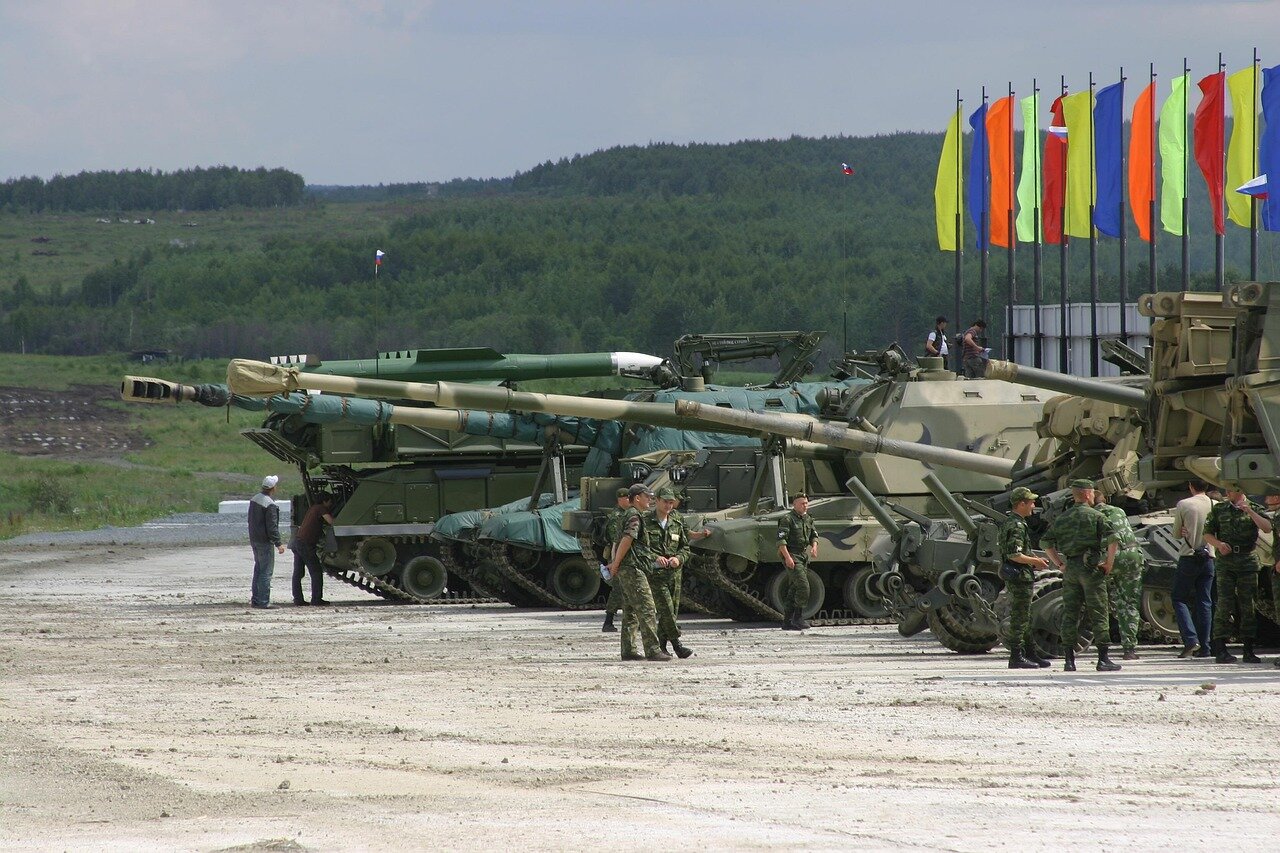
Frequently Asked Questions about the Conflict
Key Takeaways and Future Outlook for Europe
The recent escalation in hostilities between Russia and Ukraine serves as a stark reminder of the vulnerabilities that European nations face in the current geopolitical landscape. As the conflict intensifies, it compels European leaders to reassess their defense strategies, energy dependencies, and diplomatic relations. The implications of this ongoing crisis extend beyond Ukraine, prompting a broader reflection on national security and regional stability within Europe.
Moving forward, Europe must prioritize resilience and adaptability in its policies. The need for a united front against external threats is more pressing than ever, and this situation may catalyze significant shifts in defense spending, energy diversification, and international alliances. Observers should remain vigilant regarding the evolving dynamics and their potential impact on both regional and global stability.
- Increased defense budgets across European nations to enhance military readiness.
- Accelerated efforts to diversify energy sources to reduce reliance on Russian supplies.
- Strengthened diplomatic ties with non-European allies to bolster collective security.
- Heightened public awareness and preparedness for potential domestic repercussions of the conflict.
- Potential shifts in public opinion regarding immigration and refugee policies in response to the crisis.