
The new rules, which were announced by the FIA earlier this month, focus on limiting the performance of certain car components, including aerodynamics and engine power. Both Norris and Hamilton have expressed their apprehension, noting that the adjustments could detract from the excitement and competitiveness that fans have come to expect from Formula 1 races.
With the British Grand Prix scheduled for July 7-9, 2023, the timing of these regulations has raised questions about their immediate impact on the event. Teams are currently in the process of adapting to the new guidelines, but the uncertainty surrounding their effectiveness in maintaining thrilling racing remains a key issue.
This situation highlights the ongoing tension between regulatory bodies and drivers in Formula 1, as stakeholders seek to balance safety with the sport’s inherent thrill. As the race weekend approaches, the reactions from teams and fans will likely shape the narrative around the effectiveness and implications of these new rules.
Understanding the Background of the New Rules
The British Grand Prix, a staple in the Formula 1 calendar, has long been a symbol of speed, competition, and engineering excellence. However, recent discussions among drivers, particularly Lando Norris and Lewis Hamilton, have highlighted concerns regarding new regulations aimed at slowing down the cars. These changes stem from a broader movement within motorsport to enhance safety and sustainability while maintaining the excitement of racing.
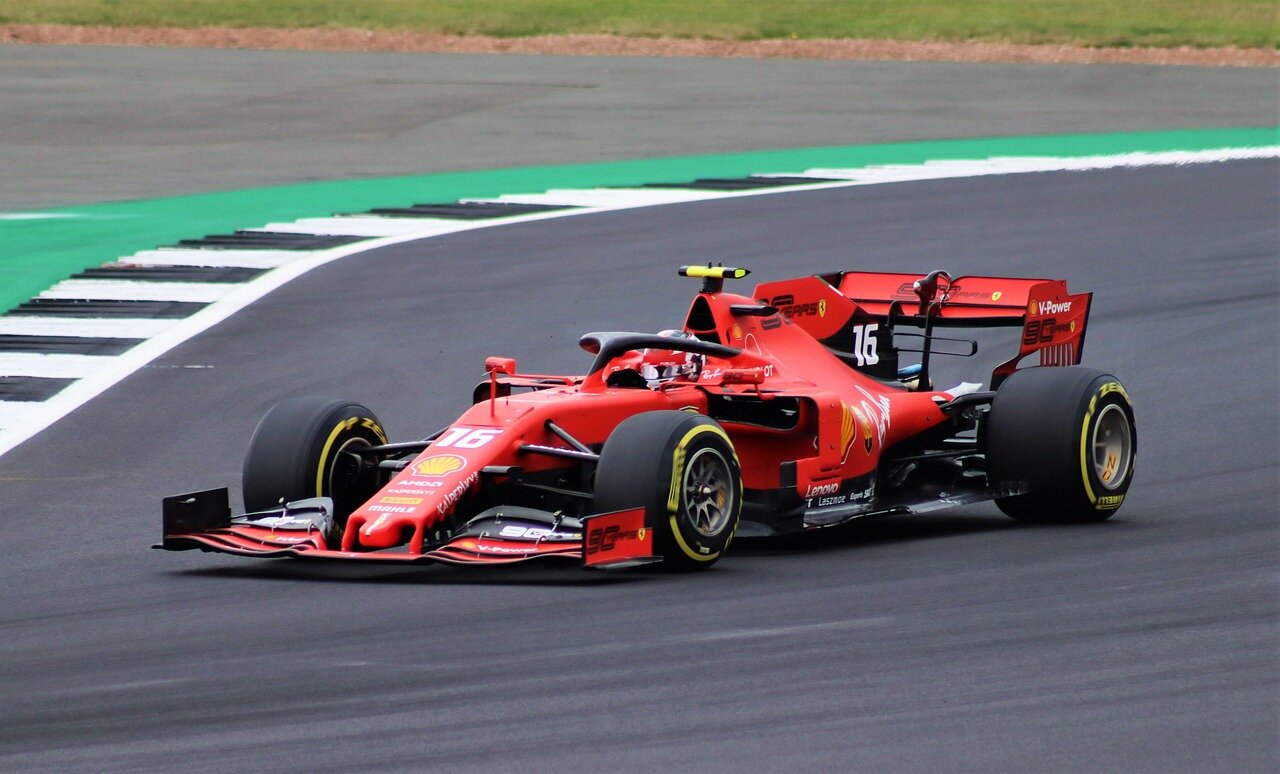
Historically, Formula 1 has seen various rule changes in response to safety concerns, particularly after several tragic accidents. The 1994 San Marino Grand Prix, which claimed the lives of Ayrton Senna and Roland Ratzenberger, marked a pivotal moment that prompted the FIA (Fédération Internationale de l’Automobile) to implement stricter safety regulations. Over the years, these regulations have evolved, focusing not only on driver safety but also on environmental impacts, leading to a push for more sustainable practices within the sport, a topic that resonates with current debates on sustainability.
The Shift Towards Sustainability
In recent years, the economic landscape of motorsport has shifted, with sponsors and fans increasingly demanding more environmentally friendly practices. The introduction of hybrid engines and a commitment to achieving net-zero carbon emissions by 2030 have been significant milestones for Formula 1. The new rules that Norris and Hamilton are voicing concerns about are part of this broader initiative to reduce speeds and, consequently, the overall energy consumption of the cars. This move aims to align the sport with global sustainability goals while still providing thrilling racing experiences.
The debate around these new regulations is not just about performance; it reflects a larger conversation about the future of motorsport in a world that is rapidly changing due to climate concerns. As teams adapt to these new rules, the balance between maintaining competitive racing and adhering to safety and environmental standards will continue to be a critical issue for drivers, teams, and fans alike.
Key Stakeholders Weigh In on the Proposed Changes
The upcoming changes to the British Grand Prix regulations have sparked significant discussion among key stakeholders, including drivers, teams, and governing bodies. Prominent figures such as Lando Norris and Lewis Hamilton have voiced their concerns regarding the potential impact of these new rules on the race’s dynamics and overall excitement.
One of the primary actors in this scenario is the FIA (Fédération Internationale de l’Automobile), which oversees the regulations of Formula 1 racing. Their interest lies in ensuring safety and fairness in the sport, but their decisions may inadvertently affect the competitiveness and entertainment value of the races. The introduction of slower race conditions could lead to a less thrilling experience for fans and spectators, much like how shifts in the media landscape have changed fan engagement in other public events.

Drivers like Norris and Hamilton represent the athletes directly affected by these changes. Their interests include maintaining a competitive edge and ensuring that races remain engaging for fans. They argue that slowing down the cars could diminish the excitement that draws audiences to the sport. This perspective highlights a potential conflict between regulatory intentions and the drivers’ desire for high-octane competition.
- Safety vs. Excitement: The new rules aim to enhance safety, but may reduce the thrilling nature of racing.
- Economic Implications: A less exciting race could impact ticket sales and viewership, affecting teams’ revenue.
- Team Strategies: Teams may need to adjust their strategies and car designs in response to the new regulations, leading to a competitive imbalance.
- Fan Engagement: The potential decrease in race excitement could alienate fans, leading to long-term implications for the sport’s popularity.
Ultimately, the proposed changes present a complex interplay of interests among the various stakeholders, necessitating careful consideration of both immediate and long-term consequences for the sport. The dialogue surrounding these regulations illustrates the ongoing tension between safety measures and the essence of competitive racing.
Potential Effects on Drivers and Fans
The new regulations aimed at slowing down the British Grand Prix will have significant implications for various stakeholders, including drivers, teams, and fans. Key groups affected include Formula 1 teams, sponsors, and the local economy surrounding the Silverstone circuit.
In the short term, drivers like Lando Norris and Lewis Hamilton have expressed concerns that the new rules may alter competitive dynamics, potentially affecting race outcomes. Fans may experience a shift in the excitement level of races, as slower speeds could lead to fewer overtaking opportunities and less thrilling moments on track.
From a business perspective, teams may need to invest in research and development to adapt to the new regulations, which could strain budgets, especially for smaller teams. This could lead to a reevaluation of sponsorship deals, as companies assess the potential return on investment in a changing competitive landscape.

In the mid-term, the local economy around Silverstone could see fluctuations in tourism and hospitality revenues, as fans might react to the perceived decrease in race excitement. Conversely, there may be opportunities for new marketing strategies focused on the technical aspects of racing, appealing to a more niche audience interested in the engineering challenges posed by the regulations.
- Drivers may face altered competitive dynamics.
- Sponsors could reassess their investments due to changing race excitement.
- Local businesses may experience fluctuations in tourism and hospitality revenues.
- Opportunities for marketing strategies focused on engineering and technical challenges.
A: The new rules focus on reducing the overall speed of the cars to enhance safety and promote closer racing. Specific details about the regulations include changes to aerodynamics and tire specifications. A: Both drivers have expressed concerns that the new rules will diminish the thrill of racing at the British Grand Prix. They believe the changes could lead to less competitive racing. A: The new regulations are expected to be implemented in the upcoming racing season, with teams currently preparing for the adjustments. A: Fans may experience a shift in the excitement level during races, as slower speeds could lead to fewer overtakes and less dramatic moments on the track. A: Proponents argue that the new rules could enhance safety and encourage more strategic racing, potentially leading to a different kind of excitement.
Frequently Asked Questions About the New Rules
Outlook on the Future of the British Grand Prix
The introduction of new regulations at the British Grand Prix is set to reshape the competitive landscape, as voiced by prominent drivers like Lando Norris and Lewis Hamilton. With the aim of enhancing safety and sustainability, these changes may lead to a slower pace, prompting teams to rethink their strategies and performance metrics. Observers will need to consider how these adjustments will influence not just the race dynamics but also the overall fan experience.
As teams adapt to the revised rules, the implications for car design, pit strategies, and driver performance will be significant. The potential for increased unpredictability in race outcomes could engage fans in new ways, but it may also challenge drivers accustomed to a faster pace. Keeping an eye on the evolving strategies will be crucial for understanding the future of the sport.
- The impact on team strategies as they adjust to slower race conditions.
- How driver performance metrics will evolve in response to the new rules.
- The potential for increased unpredictability in race outcomes, affecting fan engagement.
- Long-term implications for car design as teams prioritize safety and sustainability.
- Monitoring how these changes may influence sponsorship and commercial partnerships in F1.