
In response to this decline, community advocates like Sarah Thompson, a dedicated rugby mum from Leicester, are working to revitalize interest in the sport. Thompson has organized local events aimed at introducing rugby to children aged 6 to 12, highlighting the sport’s teamwork and fitness benefits. Her initiative, which began in early 2023, has already attracted over 50 young participants, illustrating a potential resurgence in youth interest. You can learn more about the impact of community efforts in promoting sports participation.
Moreover, the Rugby Football League (RFL) has launched new campaigns to promote rugby league at the grassroots level, focusing on inclusivity and accessibility. They aim to increase participation by 20% over the next three years, with particular emphasis on engaging underrepresented communities. These efforts are crucial as they not only seek to boost numbers but also to foster a sense of community and belonging among young players, similar to the initiatives being undertaken by local rugby clubs.
As schools begin to reopen fully and extracurricular activities resume, the timing of these initiatives is critical. Local clubs are also encouraged to collaborate with schools to introduce rugby into physical education curriculums. By creating partnerships and providing resources, they hope to inspire a new generation of players, ensuring the sport remains vibrant and competitive in the future.
Understanding the role of parents in youth sports
In recent years, the role of parents in youth sports has evolved significantly. Traditionally, parents were seen primarily as spectators, cheering from the sidelines while their children engaged in various athletic activities. However, the rise of organized sports and increased competition has transformed this dynamic, with parents becoming more involved in coaching, organizing, and advocating for their children’s participation. This shift reflects broader social changes, including the growing recognition of the importance of physical activity in child development and the benefits of teamwork and discipline.
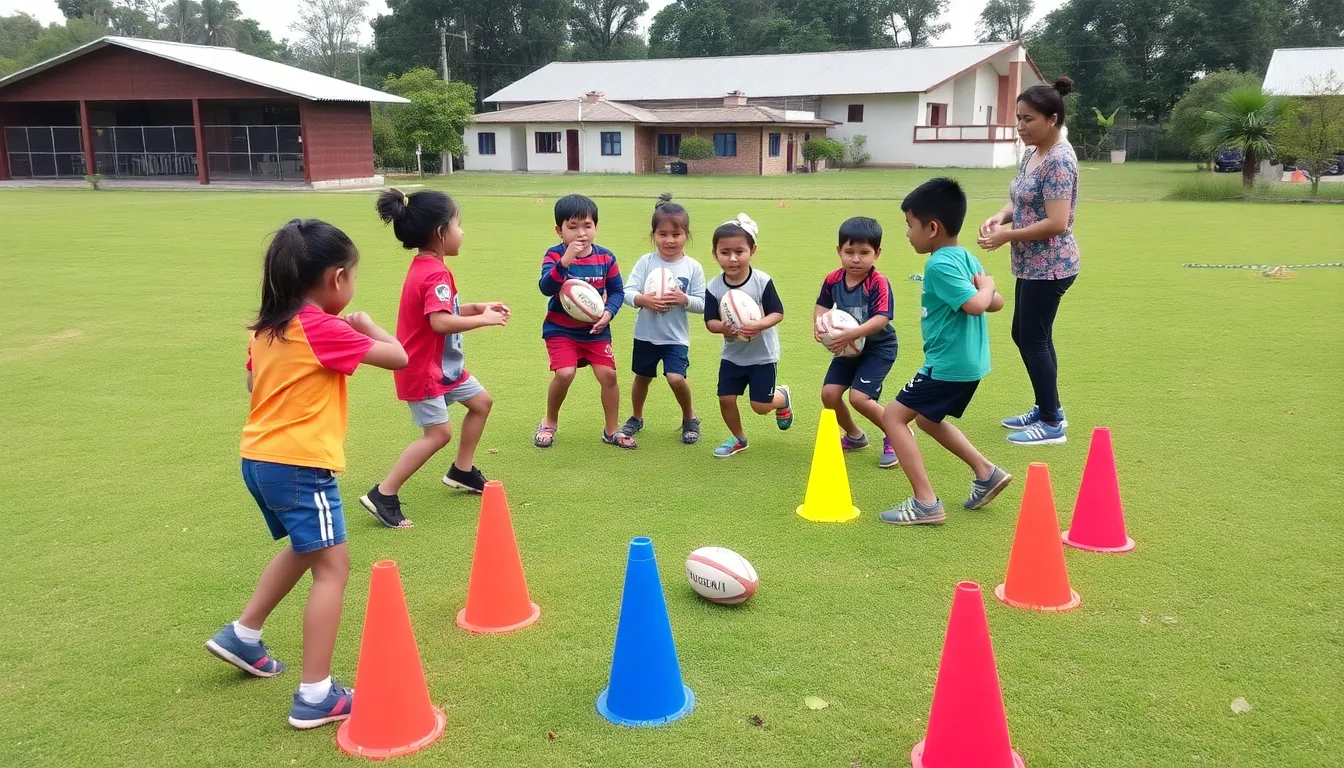
The phenomenon of the “rugby mum” illustrates this trend vividly. In many communities, mothers have taken on the responsibility of not only supporting their children’s involvement in rugby but also encouraging others to join. This grassroots movement has been fueled by a desire to foster inclusivity and promote the sport’s values, such as respect, camaraderie, and resilience. As rugby continues to gain popularity worldwide, these mothers are pivotal in shaping the sport’s future, ensuring that it is accessible to all children, regardless of their background. Their efforts resonate with the ongoing campaigns that aim to increase youth participation in sports.
Historically, rugby has often been perceived as a sport primarily for boys, with limited opportunities for girls and young women. However, the past two decades have seen a significant shift in this perception, driven by advocacy from parents and organizations dedicated to promoting gender equality in sports. Key milestones, such as the inclusion of women’s rugby in the Olympics and the establishment of youth leagues specifically for girls, have paved the way for greater participation. This change has empowered mothers to take action, rallying their communities to support and promote rugby as a viable option for all children.
The Economic Impact of Youth Sports
The economic implications of youth sports, including rugby, cannot be overlooked. Participation in sports can lead to increased community engagement and local economic growth through events, tournaments, and the development of facilities. Parents, particularly those who are actively involved in promoting sports, often find themselves at the forefront of fundraising efforts and sponsorship deals to support their children’s teams. This economic aspect not only helps sustain the sport but also fosters a sense of community pride and belonging, further encouraging participation among youth.
Key stakeholders and challenges in promoting rugby
In the effort to encourage more children to participate in rugby, several key stakeholders play a crucial role. These include parents, local rugby clubs, schools, and governing bodies such as national rugby unions. Each of these actors has distinct interests that shape the landscape of youth rugby participation.
Parents, often referred to as ‘rugby mums’, are pivotal in advocating for the sport. Their primary interest lies in providing their children with opportunities for physical activity, teamwork, and social development. However, they may face concerns regarding safety and the intensity of the sport, which can create a conflict between their enthusiasm for promoting rugby and their apprehensions about potential injuries.
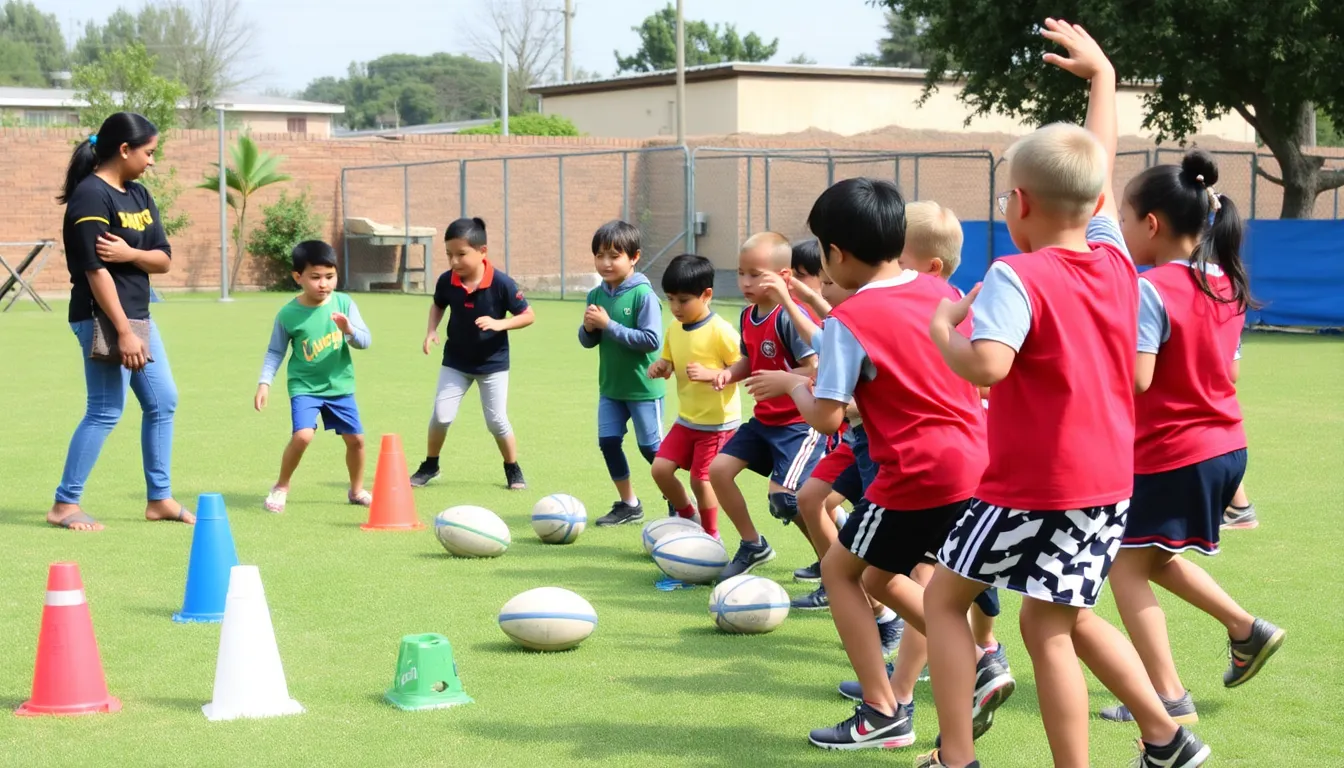
Local rugby clubs serve as the grassroots organizations that facilitate the introduction of rugby to young players. Their interest is in increasing membership and ensuring a sustainable future for the sport. However, these clubs often grapple with limited resources, which can hinder their ability to effectively promote rugby in the community. Economic challenges, such as funding for equipment and facilities, further complicate their efforts.
Schools also play a significant role in promoting rugby, as they can incorporate the sport into their physical education programs. The interests of educational institutions may align with promoting healthy lifestyles among students, but they must also navigate logistical challenges, such as scheduling and the availability of trained coaches. Additionally, schools may be hesitant to endorse rugby due to concerns over injury rates.
- Parents advocating for safety and accessibility in rugby programs.
- Local clubs seeking to attract and retain young players amidst financial constraints.
- Schools balancing the promotion of sports with safety and resource limitations.
- National governing bodies aiming to increase participation rates while managing public perception of the sport.
In summary, the promotion of rugby among youth involves navigating a complex interplay of interests among various stakeholders. Addressing the challenges they face, including safety concerns, resource limitations, and the need for effective communication, will be essential in fostering a more inclusive and vibrant rugby community.
The effects of increased participation on local teams
The push by rugby enthusiasts, particularly mothers advocating for their children to engage in the sport, is set to influence various groups and sectors within the community. Local sports clubs, schools, and recreational organizations stand to benefit from a surge in youth participation. This grassroots movement not only fosters a sense of community but also encourages family involvement in sports.
In the short term, increased participation can lead to a rise in membership numbers for local rugby clubs. This influx can bolster club finances through membership fees, which can be reinvested into facilities, coaching, and equipment. Furthermore, schools may experience a greater demand for rugby programs, prompting them to allocate resources toward training and development, thereby enriching the educational experience for students.
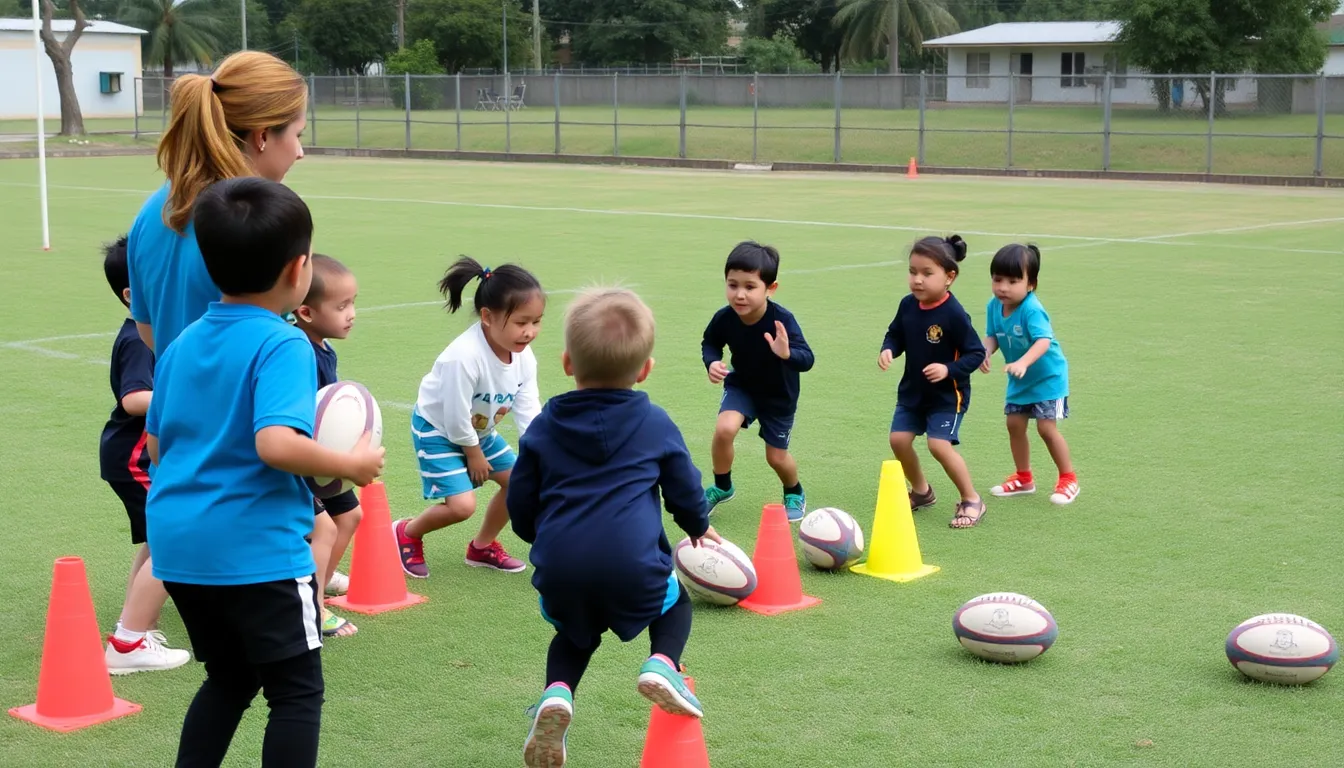
However, the mid-term implications may present challenges as well. With a rapid increase in players, local teams may struggle to accommodate new members, leading to overcrowded practices and potential burnout among coaches. Additionally, there may be a need for more qualified coaching staff, which could strain existing resources and require investment in training programs.
- Opportunities: Enhanced community engagement and stronger local sports culture.
- Risks: Resource strain on clubs and schools, potential coaching shortages.
- Policy Impact: Possible changes in funding allocations for youth sports programs.
As more families embrace rugby, local businesses may also see a positive impact. Increased foot traffic from games and events can benefit nearby restaurants, shops, and service providers. In the long run, this could stimulate economic growth in the area, creating a vibrant atmosphere centered around youth sports.
A: You can start by finding local clubs that offer youth rugby programs. Many clubs have introductory sessions where children can learn the basics in a fun environment. A: Generally, children can start playing rugby as young as 6 years old. However, it depends on the club’s specific programs and guidelines. A: Playing rugby helps children develop teamwork, discipline, and physical fitness. It also fosters social skills and can boost their confidence. A: Yes, rugby is safe for children when proper coaching and safety measures are in place. Many organizations focus on teaching safe techniques and rules. A: Parents can support their children by attending games, volunteering with the team, and encouraging their participation in practices and events.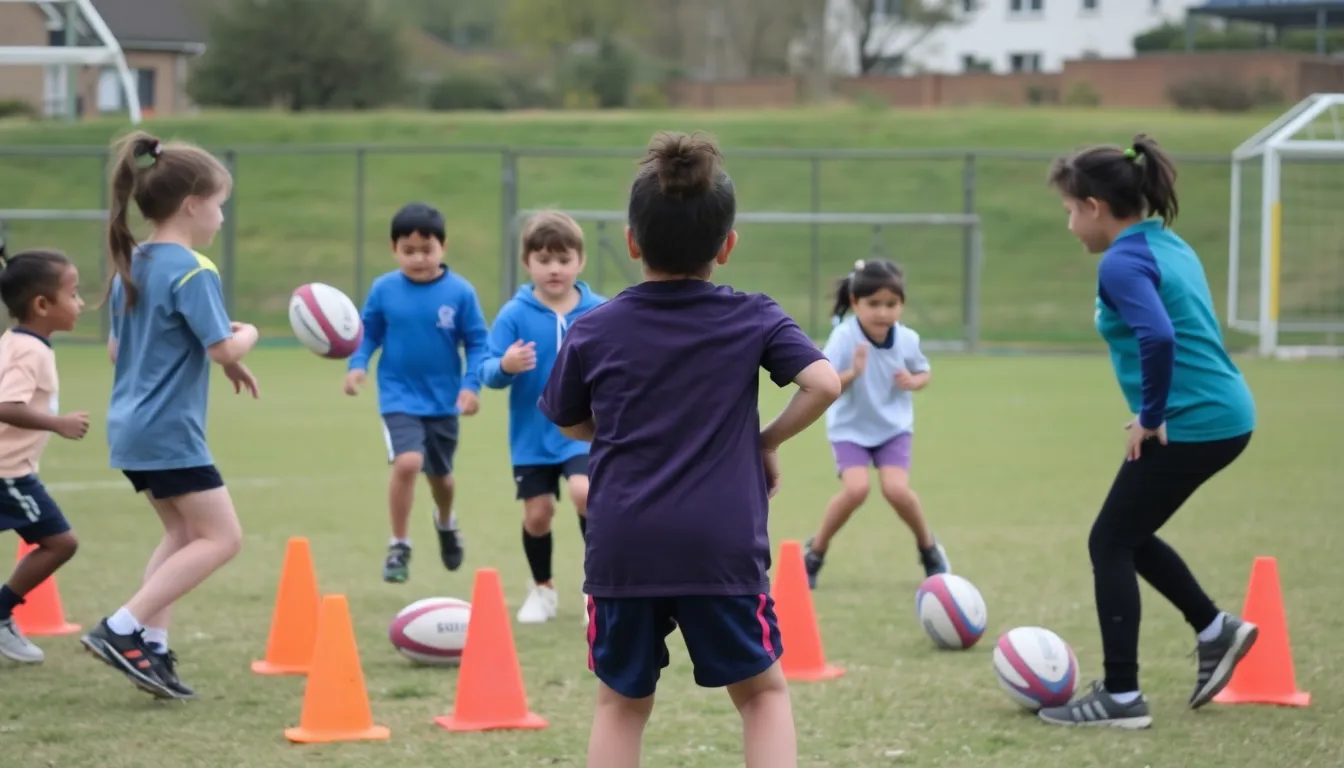
Frequently asked questions about rugby and youth participation
Looking ahead: The future of rugby participation in the community
The initiative led by the rugby mum highlights a growing trend towards inclusivity and community engagement in sports. As more families recognize the benefits of rugby, both in terms of physical fitness and social interaction, the landscape of participation is likely to evolve. The focus on grassroots efforts can foster a supportive environment that encourages new players regardless of age or skill level.
Furthermore, the emphasis on community-driven initiatives may inspire other sports to adopt similar approaches, potentially leading to a broader cultural shift in how local sports are perceived and promoted. The ability to create a welcoming atmosphere will be crucial in sustaining interest and participation in rugby.
- Community Engagement: Local clubs should prioritize outreach programs to attract diverse participants.
- Inclusivity Initiatives: Developing programs that cater to various age groups and skill levels can enhance participation rates.
- Parental Involvement: Encouraging parents to take active roles can strengthen community ties and support for youth programs.
- Collaboration with Schools: Partnering with educational institutions can help introduce rugby to a younger audience.