
The affected astronaut, whose identity has not been disclosed, began experiencing health issues that could potentially jeopardize their well-being in the challenging environment of space. NASA’s medical team assessed the situation and determined that returning the astronaut to Earth was the best course of action, highlighting the agency’s prioritization of crew safety over mission objectives.
This mission, which was originally scheduled to last six months, will now conclude after just four months of operations. The crew onboard has been instructed to prepare for an expedited return, which is expected to take place within the next week. This abrupt change in plans has significant implications for ongoing scientific research and experiments currently being conducted on the ISS.
NASA has stated that it will conduct a thorough investigation into the astronaut’s medical condition and review the mission’s protocols to prevent similar occurrences in the future. As the space agency navigates these challenges, the incident serves as a reminder of the complexities and unpredictability of human spaceflight.
Understanding the circumstances leading to this decision
The recent decision by NASA to end an astronaut’s space station mission early due to a serious medical condition highlights the inherent risks and challenges of human spaceflight. Historically, space missions have been fraught with uncertainties, from technical malfunctions to health emergencies. NASA, which has been at the forefront of space exploration since its inception in 1958, has developed protocols to address such situations, yet the unpredictability of human health in the extreme environment of space remains a significant concern.
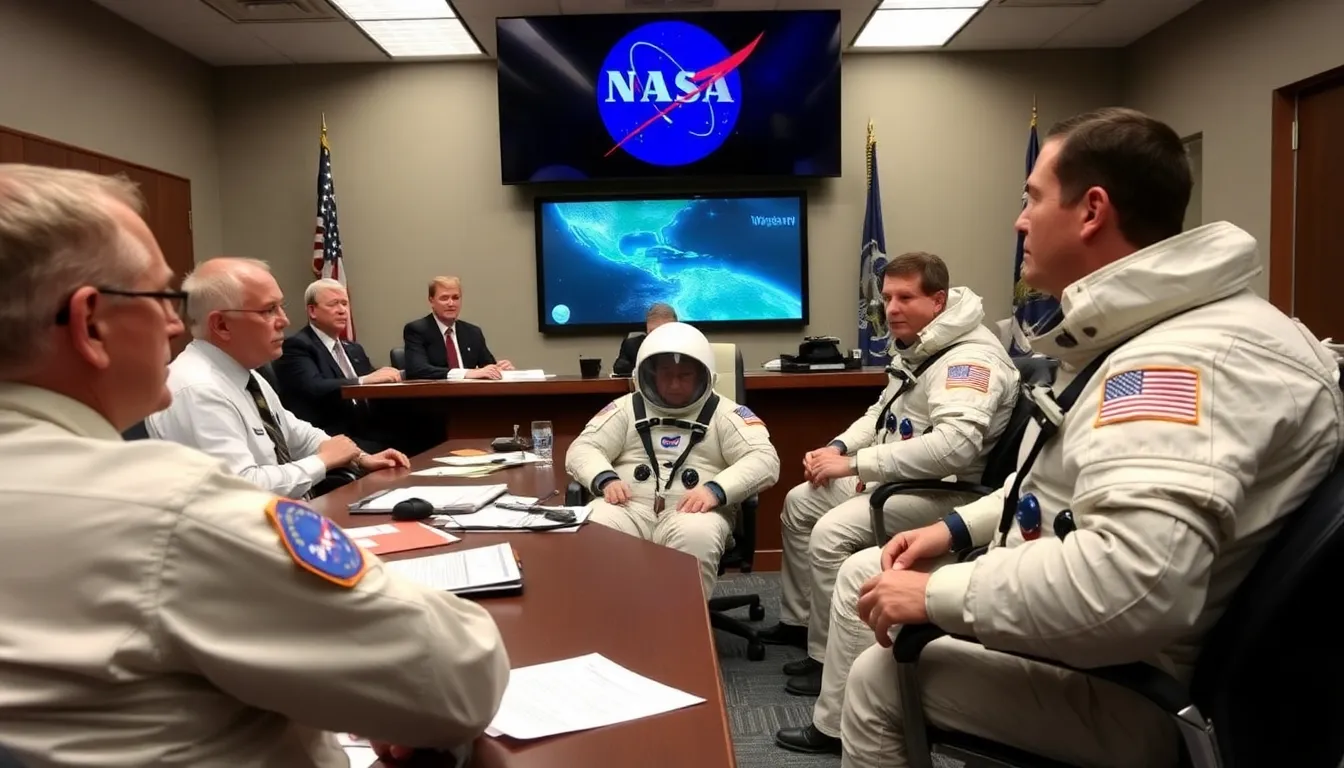
This incident is not isolated; it is part of a broader narrative surrounding astronaut health and safety. In the past, there have been instances where astronauts faced medical issues during missions, including the case of astronaut Scott Kelly, who experienced health challenges after spending nearly a year aboard the International Space Station (ISS). Such experiences have prompted ongoing research into the effects of long-duration spaceflight on the human body, including muscle atrophy, bone density loss, and psychological stress.
The Evolution of Health Protocols in Space Missions
Over the decades, NASA has continually evolved its health protocols to better prepare for and respond to medical emergencies in space. Early missions, such as those in the Mercury and Gemini programs, had limited medical support, relying primarily on the astronauts’ training and basic onboard supplies. However, as missions grew longer and more complex, particularly with the advent of the ISS, the agency recognized the need for comprehensive medical assessments and contingency plans. This includes the establishment of dedicated medical teams on Earth that can provide real-time support and advice during missions.
Moreover, the political landscape surrounding space exploration has also influenced how NASA manages astronaut health risks. As international partnerships have expanded, with countries like Russia, Canada, and members of the European Space Agency collaborating on the ISS, there has been a collective emphasis on ensuring the health and safety of all crew members. This collaborative approach underscores the shared responsibility among nations involved in space exploration to safeguard human life beyond Earth.
In conclusion, the early termination of this astronaut’s mission serves as a stark reminder of the complexities involved in human spaceflight. It highlights the need for ongoing research, preparedness, and international cooperation to address the medical challenges that arise in the pursuit of exploration beyond our planet.
Key stakeholders and their roles in the mission’s early termination
The recent decision to terminate the astronaut’s mission aboard the International Space Station (ISS) due to a serious medical condition has significant implications for various stakeholders involved in space exploration. Key players include NASA, the affected astronaut, the ISS partner nations, and the broader scientific community, with a pressing need for insights from platforms like BBC Inside Science to understand the challenges faced.
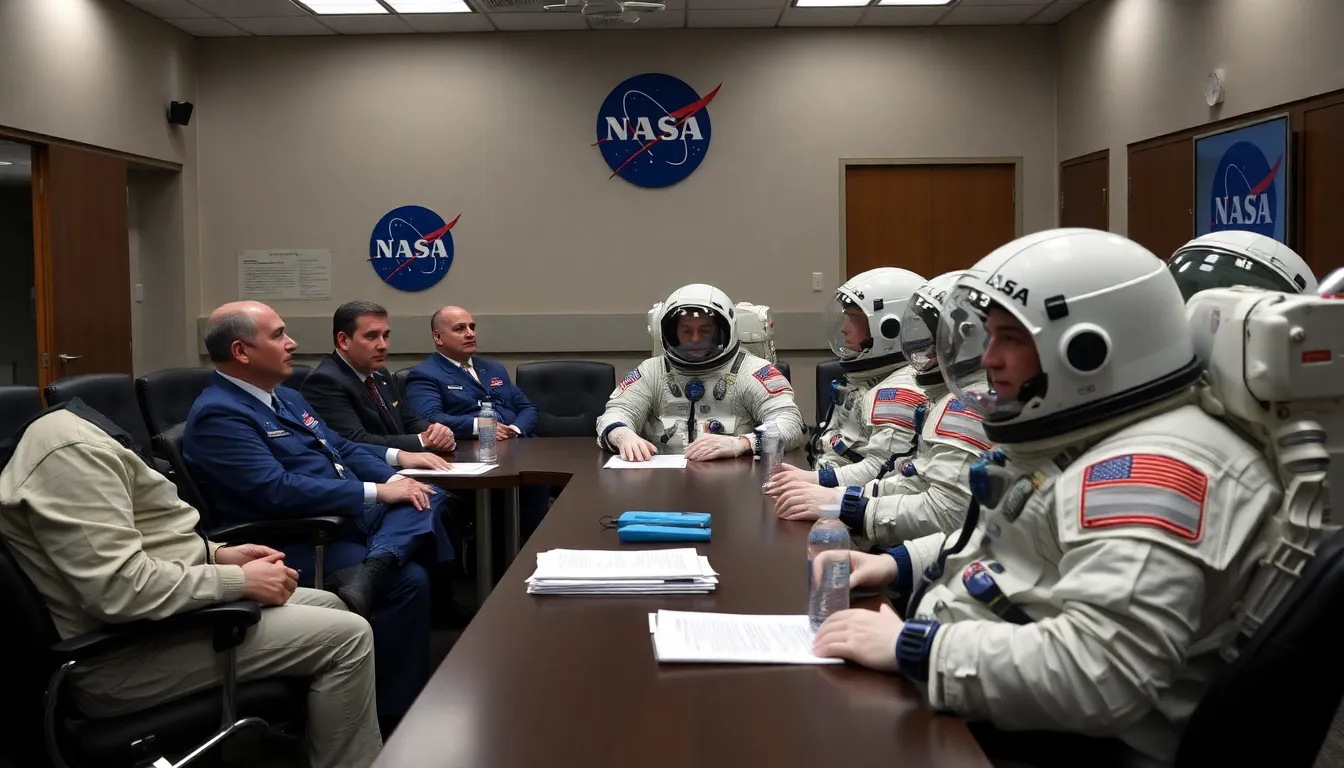
NASA, as the primary agency responsible for the mission, has a vested interest in ensuring the health and safety of its astronauts. The agency must balance the urgency of medical concerns with the scientific objectives of the mission. This decision reflects a commitment to astronaut safety, but it also raises questions about the impact on ongoing research and international collaboration.
The astronaut’s health is paramount, and their well-being is the primary concern for both NASA and the astronaut’s family. The psychological and physical effects of space travel are well-documented, and any serious medical issue can jeopardize not only the individual’s health but also mission integrity. This situation highlights the inherent risks of long-duration space missions.
- International Collaboration: The ISS involves multiple countries, including Russia, Canada, Japan, and member states of the European Space Agency, all of whom may face disruptions in their planned experiments and research timelines.
- Economic Considerations: Early termination of the mission may lead to financial implications for NASA and its partners, including potential costs associated with returning the astronaut and rescheduling future missions.
- Legal Issues: The incident may prompt discussions regarding liability and the legal responsibilities of space agencies in ensuring astronaut safety, particularly in the context of international agreements.
The broader scientific community is also affected, as the early conclusion of the mission may hinder advancements in research that rely on the unique environment of the ISS. This situation underscores the delicate balance between human health and the pursuit of scientific knowledge in space exploration.
Impact on the crew and future missions
The early termination of the current space station mission due to an astronaut’s serious medical condition has far-reaching implications for various stakeholders, including the crew members, NASA, and the broader space exploration community. The immediate concern is the health and safety of the astronaut, which takes precedence over all other considerations.
In the short term, the affected crew members will experience a significant disruption in their mission objectives, potentially leading to psychological stress and a sense of unfulfillment. This incident may also impact their future assignments, as NASA will need to reassess the health and readiness of all astronauts involved in upcoming missions.
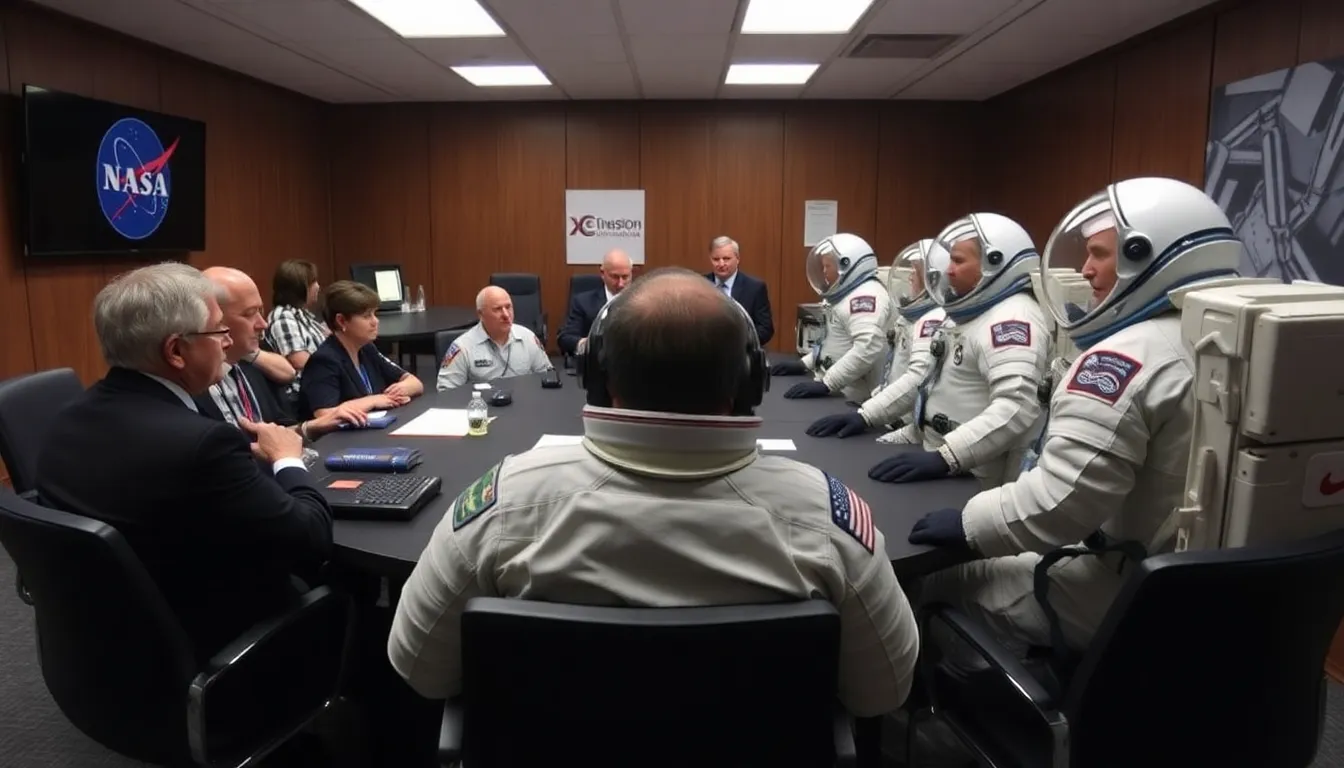
From a business perspective, industries reliant on NASA’s space missions, such as aerospace manufacturers and technology developers, may face delays in contracts and project timelines. This could lead to financial strain, especially for smaller companies dependent on government contracts. Conversely, there may be opportunities for companies focused on medical technology and astronaut health, as increased scrutiny on astronaut well-being could lead to demand for innovative health monitoring solutions.
- Short-term impacts: Disruption of current missions, potential psychological stress for crew.
- Mid-term impacts: Reassessment of astronaut health protocols, delays in upcoming missions.
- Risks: Financial strain on aerospace industries, loss of public confidence in space missions.
- Opportunities: Growth in medical technology sectors, increased investment in astronaut health research.
Regions with a strong aerospace presence, such as Houston and Cape Canaveral, may see fluctuating job markets as contractors adjust to the new timeline. Additionally, public interest in space exploration may wane temporarily, impacting funding and support for future missions. However, this incident could also galvanize support for improved health and safety measures, ultimately strengthening the future of human spaceflight.
A: The specific medical condition has not been disclosed, but it was deemed serious enough to warrant an early end to the mission for the astronaut’s safety. A: The astronaut will receive immediate medical attention upon return to Earth to ensure their health and well-being. A: This incident may lead to a review of health protocols and mission planning to enhance crew safety in future space missions. A: NASA officials indicated that the astronaut’s condition deteriorated rapidly, prompting the urgent decision to return. A: While medical issues can occur, serious conditions that necessitate mission termination are rare, highlighting the importance of crew health monitoring.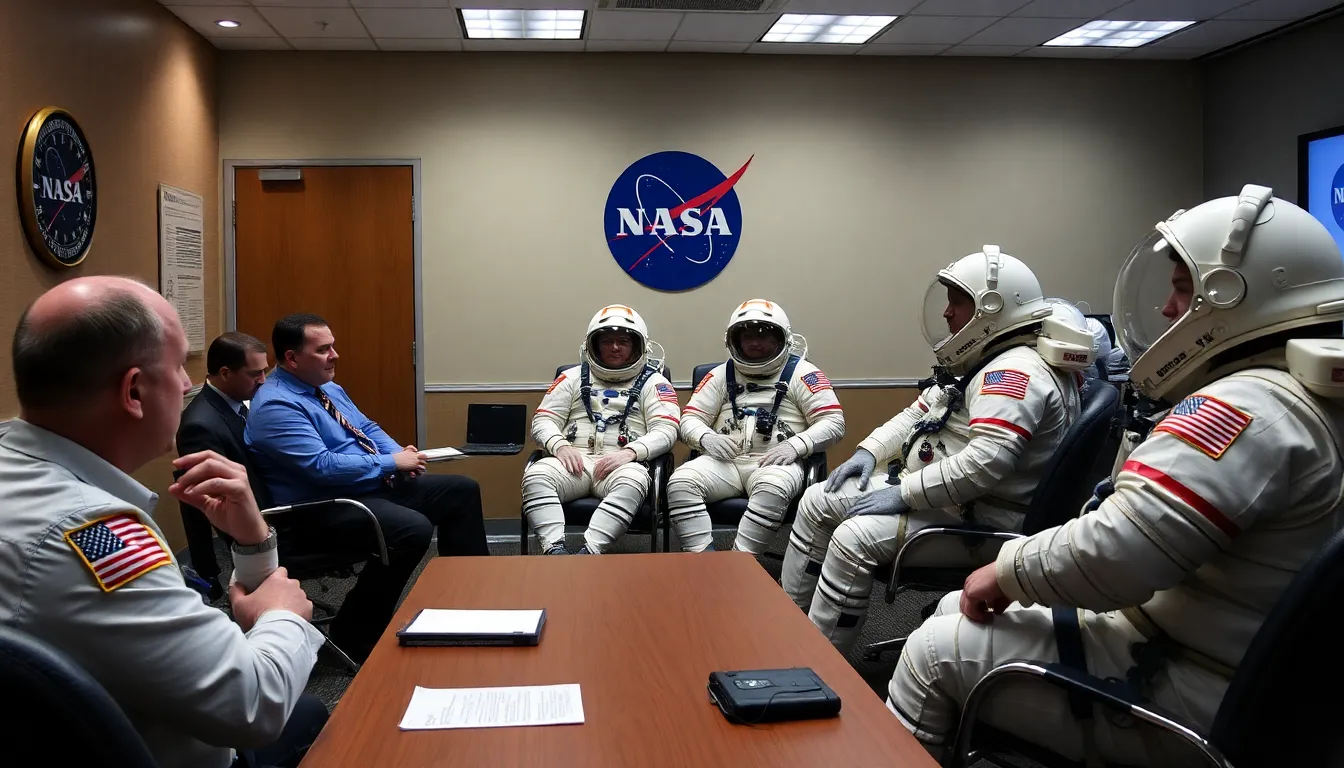
Frequently asked questions about the mission and astronaut health
Looking ahead: implications for NASA and space exploration
The early termination of the astronaut’s mission due to a serious medical condition underscores the inherent risks associated with long-duration spaceflight. This incident not only raises immediate concerns for the health and safety of crew members but also prompts a reevaluation of protocols and support systems in place for astronauts aboard the International Space Station (ISS) and future missions. As NASA continues to push the boundaries of human exploration, ensuring the well-being of its astronauts must remain a top priority.
Furthermore, this situation may have broader implications for upcoming missions, including those planned for the Moon and Mars. Stakeholders must consider the potential for medical emergencies in space and invest in advanced medical training and telemedicine capabilities to address such challenges effectively. The lessons learned from this incident will likely shape future mission planning and risk management strategies.
- Increased focus on astronaut health monitoring and emergency response protocols.
- Potential adjustments to mission timelines and crew rotations to enhance safety.
- Investment in telemedicine technologies to provide real-time medical support during missions.
- Enhancement of training programs for astronauts to prepare for medical emergencies in space.
- Long-term implications for crew selection criteria, emphasizing resilience and adaptability.