
The Indian Meteorological Department (IMD) reported that cities like Delhi, Chandigarh, and Amritsar have recorded temperatures around 42 degrees Celsius, making it one of the hottest April months in recent years. For more information on climate trends, you can refer to relevant studies from other regions. The heatwave is expected to persist, with forecasts indicating little relief in the coming days.
This situation is particularly concerning as it poses health risks to vulnerable populations, including the elderly and those with pre-existing health conditions. Heat-related illnesses and fatalities can increase during such extreme weather events, raising alarms among health officials. Additionally, the agricultural sector may face challenges due to the stress on crops and livestock, impacting food security in the region.
As North India braces for this heatwave, the government and local agencies are mobilizing resources to address the challenges posed by the extreme temperatures. Public awareness campaigns are being launched to educate residents on heat safety and hydration. The ongoing situation highlights the pressing need for adaptive strategies to combat the effects of climate change and extreme weather patterns in the region.
Understanding the factors contributing to the heatwaves in North India
The rise in temperatures across North India, with many regions recording over 40°C, is not a new phenomenon. Historically, this region has experienced extreme heat, particularly during the pre-monsoon months of April and May. However, the intensity and frequency of these heatwaves have escalated in recent years, raising concerns among meteorologists and environmentalists alike.
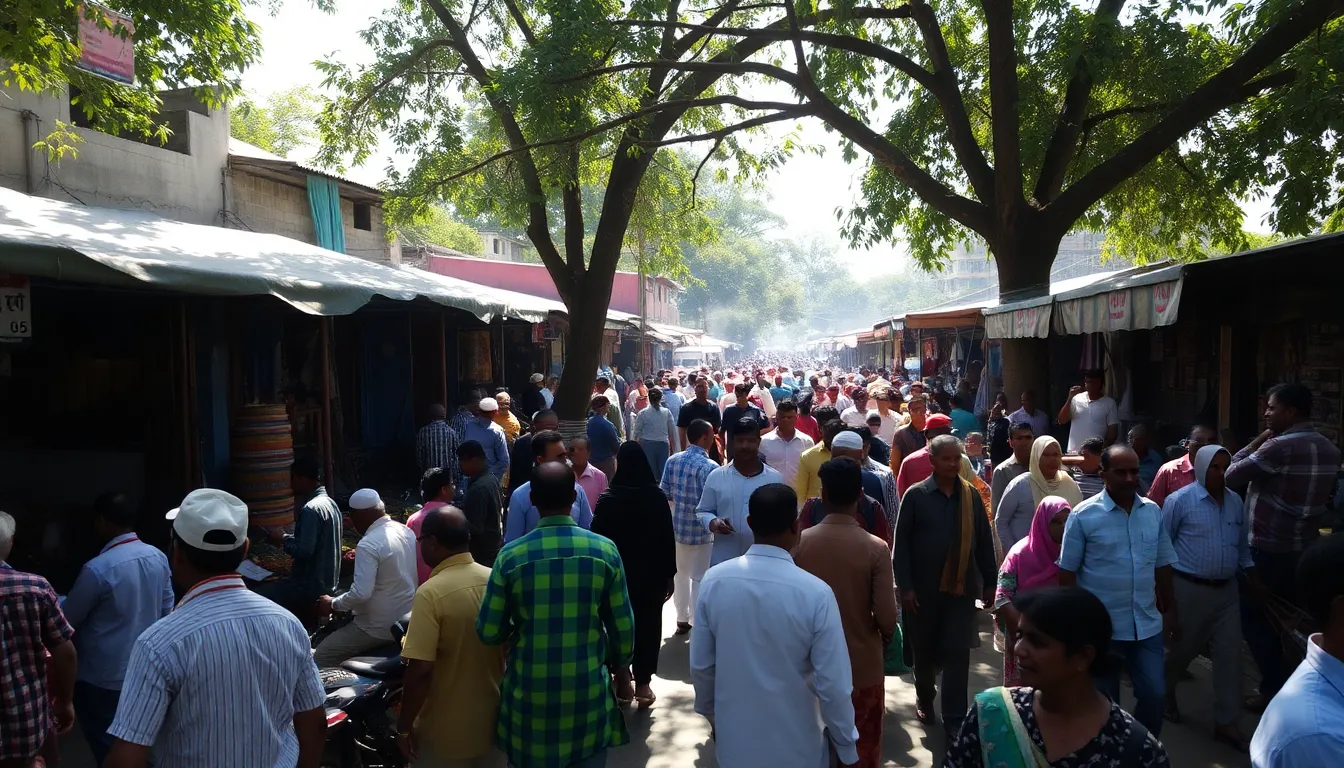
Several factors contribute to this alarming trend. Climate change, driven by human activities such as deforestation, industrialization, and the burning of fossil fuels, has significantly altered weather patterns. A recent article discusses how summers are getting longer in Sydney, which mirrors some global climatic issues. As greenhouse gas emissions continue to rise, the Earth’s temperature increases, leading to more severe and prolonged heatwaves.
The role of urbanization
Urbanization has also played a critical role in exacerbating heat conditions. Rapid population growth in cities like Delhi, Kanpur, and Lucknow has led to increased concrete surfaces, which absorb and retain heat. The urban heat island effect results in cities being significantly warmer than their rural counterparts, contributing to higher overall temperatures. Moreover, inadequate green spaces and poor air quality further compound the heat stress experienced by residents.
Additionally, historical agricultural practices and water mismanagement have intensified the situation. The reliance on water-intensive crops in a region already facing water scarcity has strained local resources. As temperatures rise, the demand for water increases, leading to further depletion of already dwindling groundwater supplies. This creates a vicious cycle where the combination of heat and water scarcity worsens living conditions for millions.
In summary, the ongoing heatwaves in North India can be traced back to a combination of climate change, urbanization, and unsustainable agricultural practices. Understanding these underlying factors is essential for addressing the challenges posed by extreme heat and finding effective solutions to mitigate its impact on the population.
Examining the stakeholders affected by the rising temperatures
As North India faces unprecedented heatwaves with temperatures soaring above 40°C, various stakeholders are significantly impacted. These include local governments, health organizations, agricultural sectors, and the general public. Each of these groups has distinct interests and concerns regarding the extreme weather conditions.
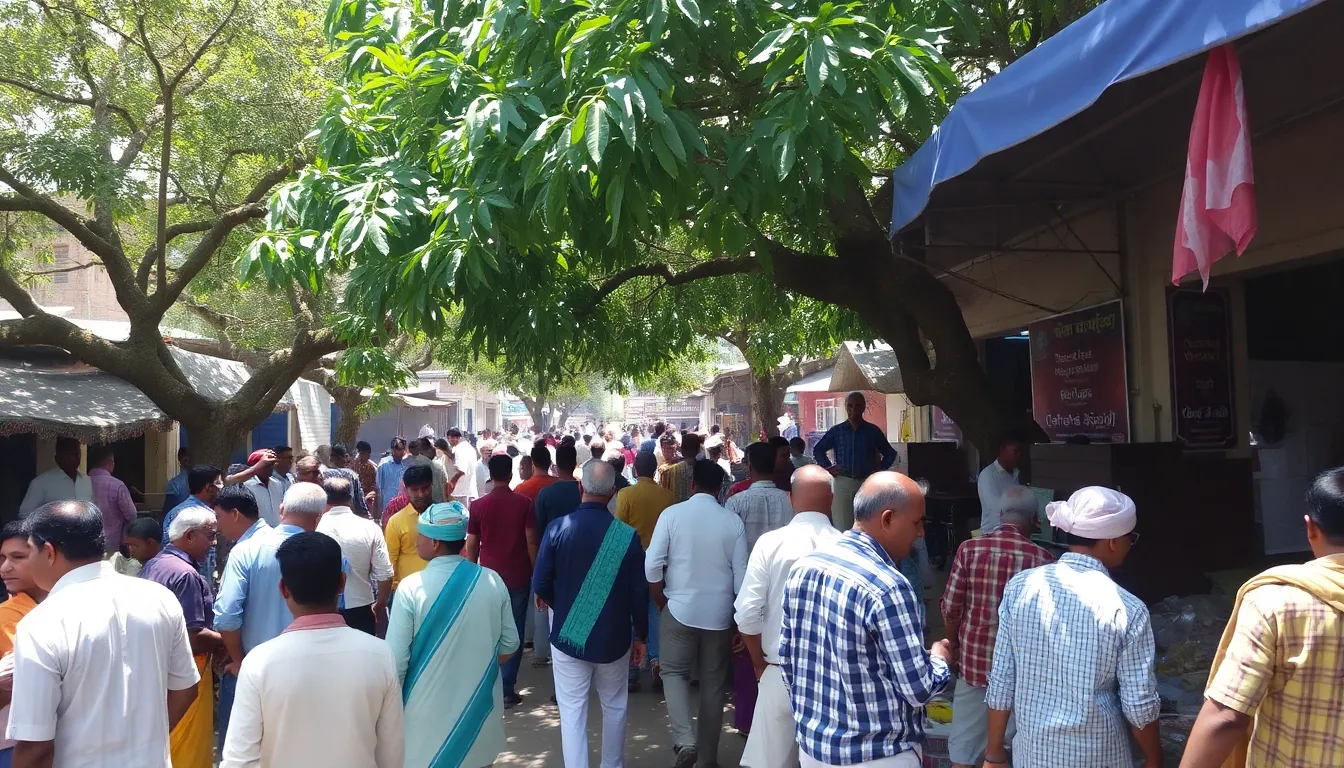
Local governments are under pressure to implement effective heat management strategies. Their primary interest lies in safeguarding public health and ensuring that infrastructure can withstand the heat. This includes providing access to cooling centers, distributing water supplies, and managing energy demands as air conditioning usage spikes.
Health organizations are particularly concerned about the rising incidence of heat-related illnesses. They advocate for public awareness campaigns and preventive measures to mitigate health risks. The conflict arises when resource allocation for health initiatives competes with other urgent needs, such as economic recovery and infrastructure development.
The agricultural sector faces its own set of challenges, as extreme heat can lead to crop failures and reduced yields. Farmers are at risk of financial instability, which can exacerbate rural poverty. The trade-off here involves balancing immediate agricultural needs with long-term sustainability practices, such as water conservation and crop diversification, much like the challenges faced by farmers impacted by smog and rising prices in Chiang Mai.
- Increased healthcare costs due to heat-related illnesses.
- Pressure on local governments to provide immediate relief and long-term solutions.
- Economic implications for farmers and food security in the region.
- Potential conflicts over resource allocation between health, agriculture, and infrastructure.
- Public demand for climate action and sustainable practices.
The interplay of these stakeholders highlights the complexity of addressing heatwaves in North India. Each group must navigate its interests while collaborating to find viable solutions to combat the rising temperatures and their far-reaching effects.
The impact of heatwaves on health and daily activities in North India
The ongoing heatwaves affecting North India are having a profound impact on various groups and sectors. Vulnerable populations, particularly the elderly, children, and those with pre-existing health conditions, are at heightened risk of heat-related illnesses. As temperatures soar above 40°C, the strain on public health systems increases, leading to potential overcrowding in hospitals and a surge in emergency cases related to heat exhaustion and dehydration.
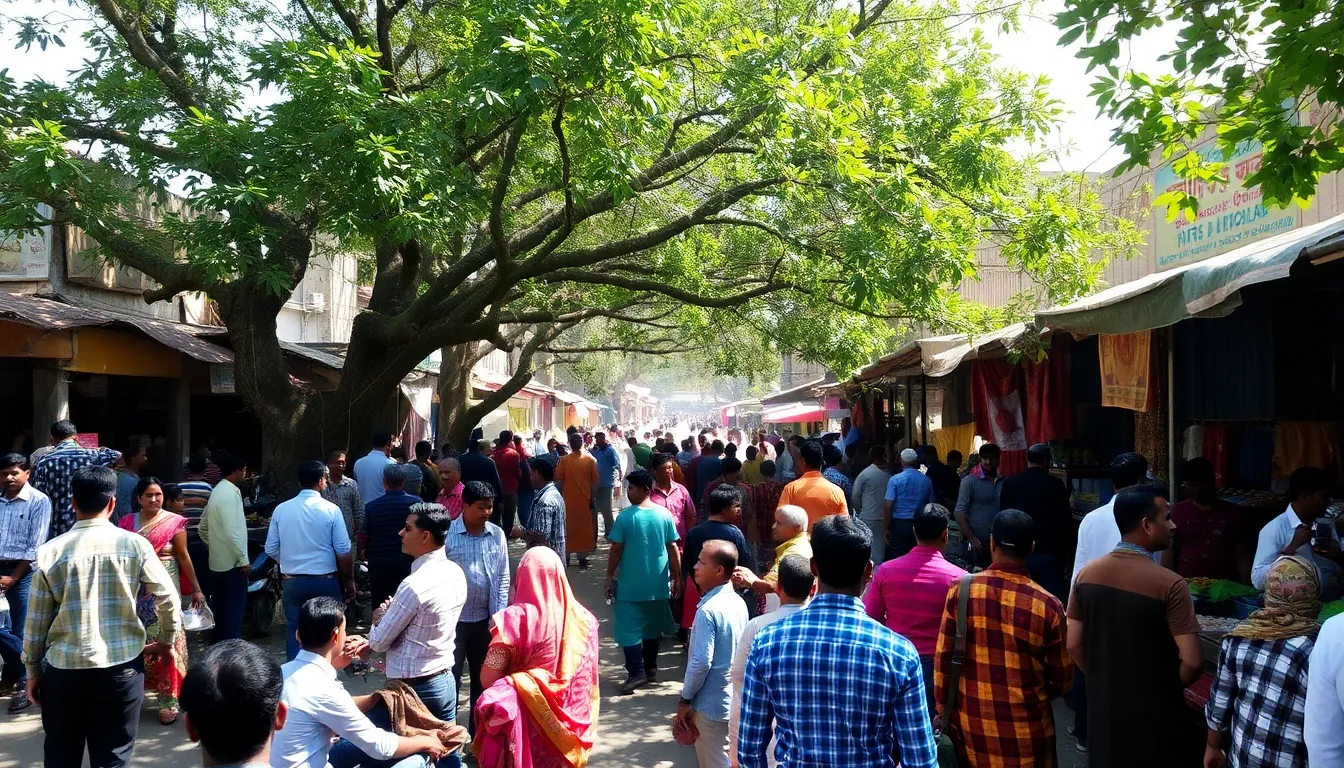
In addition to health concerns, industries such as agriculture, construction, and tourism are facing significant challenges. Farmers are struggling with crop yields due to extreme heat and water scarcity, which could lead to food shortages and increased prices. Construction workers are exposed to hazardous conditions, potentially resulting in lower productivity and higher rates of heat-related injuries.
Moreover, the tourism sector, which typically thrives during the summer months, may see a decline in visitor numbers as heatwaves deter travelers. This could impact local economies that rely heavily on tourism revenue. Conversely, some businesses, particularly those in air conditioning and cooling solutions, may experience a surge in demand, presenting opportunities for growth.
- Health Risks: Increased cases of heat-related illnesses.
- Agricultural Challenges: Reduced crop yields and food insecurity.
- Construction Industry Impact: Lower productivity and higher injury rates.
- Tourism Decline: Decreased visitor numbers affecting local economies.
- Business Opportunities: Increased demand for cooling products and services.
In the mid-term, policymakers may need to address the growing health crisis and consider implementing measures such as public awareness campaigns about heat safety and potential subsidies for cooling technologies. The urgency of these actions underscores the need for a proactive approach to mitigate the adverse effects of extreme heat on communities and the economy.
A: Temperatures are expected to remain above 40C throughout the week, with some areas potentially reaching even higher. A: Residents should stay hydrated, avoid outdoor activities during peak hours, and wear light, breathable clothing to minimize heat exposure. A: Local authorities are implementing awareness campaigns, opening cooling centers, and providing resources for vulnerable populations. A: Yes, climate change is contributing to more frequent and severe heatwaves in the region, raising concerns about long-term impacts. A: Heatwaves can lead to crop stress, reduced yields, and increased irrigation demands, significantly impacting farmers and food supply.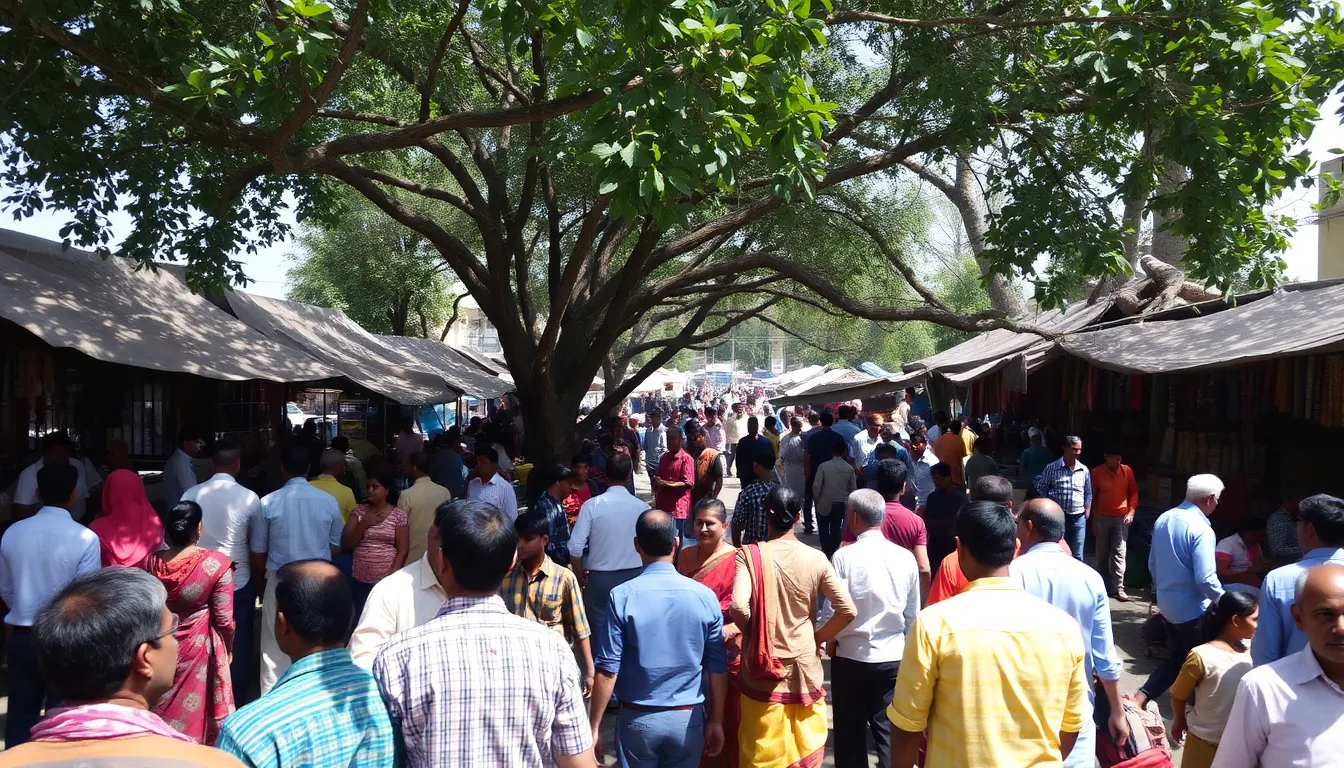
Frequently asked questions about the current heatwaves
Key insights and future outlook on heatwaves in North India
As North India experiences soaring temperatures exceeding 40°C, the implications for public health, agriculture, and urban infrastructure become increasingly critical. The persistent heatwaves not only challenge the resilience of communities but also highlight the urgent need for adaptive strategies to mitigate their impact. With climate change intensifying these weather patterns, understanding the long-term effects is essential for effective planning and response.
Looking ahead, it is crucial for stakeholders to monitor temperature trends and implement proactive measures. Increased awareness and preparedness can help communities cope with the ongoing heat challenges while fostering sustainable practices that may alleviate future risks.
- Public Health Risks: Monitor heat-related illnesses and ensure access to cooling centers, especially for vulnerable populations.
- Agricultural Adjustments: Encourage farmers to adopt heat-resistant crop varieties and implement water conservation techniques.
- Urban Planning: Invest in green infrastructure and shade provision to mitigate urban heat effects.
- Community Engagement: Promote awareness campaigns about heat safety and preparedness measures.
- Policy Development: Advocate for policies that address climate change and support sustainable resource management.