
The eruption has resulted in significant lava output, with flows advancing towards populated areas. Local authorities have issued warnings and established safety zones to protect residents, yet the allure of witnessing the spectacle has led some to take risks. The resident’s close encounter, captured on video, serves as a stark reminder of the volcano’s unpredictable nature. You can view the incident in detail in this video.
This event is not just a matter of local interest; it underscores the broader implications of volcanic activity for the island’s ecosystem and tourism industry. As the eruption continues, concerns about air quality and potential evacuations are rising, prompting discussions about emergency preparedness and community safety measures.
Monitoring agencies are closely observing the situation, utilizing advanced technology to track the volcano’s behavior. The data collected will not only assist in immediate response efforts but also contribute to long-term studies of volcanic activity in the region, aiming to better understand the dynamics of such eruptions and their impact on human life.
Understanding the volcanic activity on Reunion Island
Reunion Island, a French overseas department located in the Indian Ocean, is home to one of the most active volcanoes in the world, Piton de la Fournaise. This stratovolcano, which translates to “Peak of the Furnace,” has a long history of eruptions, with the most recent significant activity occurring in 2023. The island’s geological makeup, formed by volcanic activity millions of years ago, has shaped not only its landscape but also its social and economic fabric.
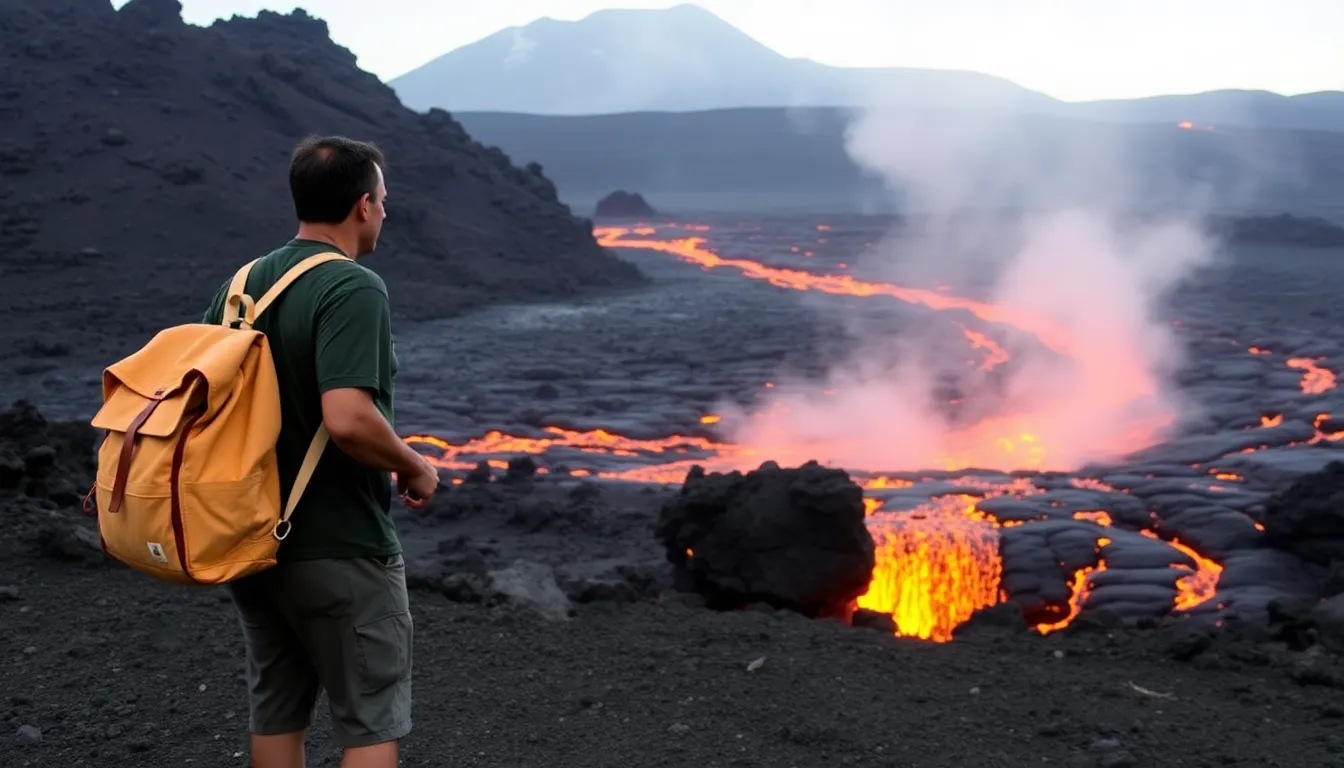
The island’s volcanic activity is closely monitored by the Volcanological Observatory of Piton de la Fournaise, established in 1980. The observatory plays a crucial role in providing early warnings and conducting research to understand the behavior of the volcano. Over the years, several eruptions have been documented, with notable events in 2004, 2010, and 2015, each contributing to the island’s unique geological and cultural identity.
Impact on Local Communities
The eruptions have significant implications for the local communities surrounding the volcano. While they pose risks such as lava flows and ash fallout, they also attract tourists eager to witness the natural spectacle. The economy of Reunion Island has thus become intertwined with its volcanic activity, relying on both the dangers and the allure of the volcano. This duality has led to ongoing discussions about land use, safety measures, and the sustainability of tourism in volcanic regions, similar to the challenges faced in various sectors.
In addition to economic considerations, the eruptions have also fostered a sense of resilience among the residents. Communities have developed emergency response plans and educational programs to prepare for potential volcanic hazards. The relationship between the people of Reunion Island and their environment is a testament to their adaptability in the face of natural challenges.
As the recent eruption draws attention to Reunion Island, it serves as a reminder of the dynamic forces that shape our planet and the importance of understanding and respecting these natural phenomena. The ongoing volcanic activity not only highlights the geological significance of the island but also reinforces the need for continuous research and preparedness in the face of such powerful natural events.
Safety concerns and local responses to the eruption
The recent eruption of the volcano near Reunion Island has raised significant safety concerns among residents and local authorities. The immediate threat to life and property has prompted a swift response from various stakeholders, including government agencies, environmental organizations, and the local community. Each of these actors has distinct interests that influence their responses to the crisis, which can often lead to conflict, as noted in discussions about engagement strategies that seek to balance various needs.
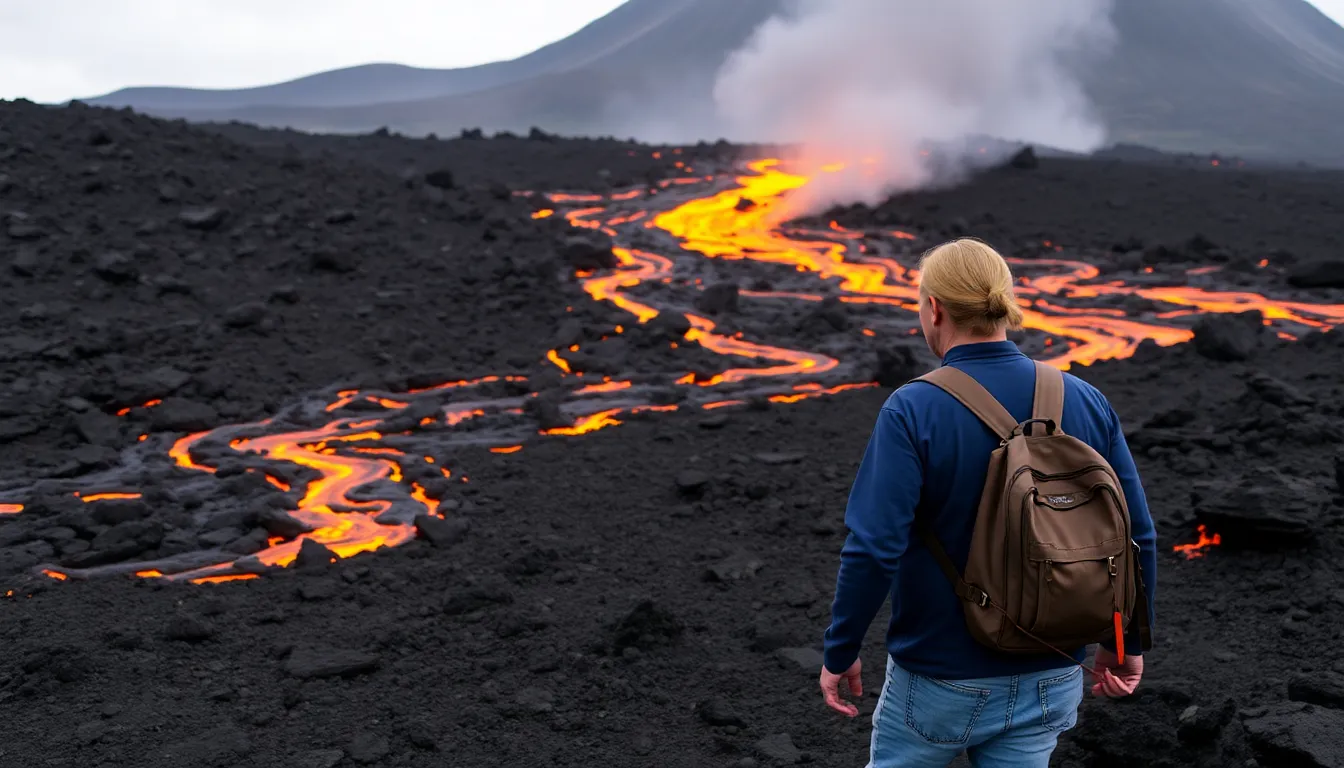
Local residents are primarily focused on their safety and the protection of their homes. Many have expressed anxiety over the potential for lava flows to encroach on populated areas. In contrast, government agencies are tasked with managing the crisis and ensuring public safety while also considering the economic impact of the eruption on tourism and local businesses.
Environmental organizations are also closely monitoring the situation, as the eruption poses risks not only to human life but also to the local ecosystem. Their interest lies in advocating for sustainable responses that minimize environmental damage while addressing the immediate dangers posed by the volcanic activity.
- Government agencies are implementing evacuation plans and safety protocols.
- Residents are forming community groups to share information and resources.
- Environmental organizations are calling for assessments of the eruption’s impact on biodiversity.
- Tourism operators are facing economic challenges due to the eruption’s effect on visitor safety.
- Local businesses are concerned about the long-term implications for their operations.
Conflicts may arise as different stakeholders prioritize their interests. For instance, while residents may advocate for immediate evacuation, local businesses may resist such measures due to potential financial losses. Additionally, the legal framework governing land use and disaster response will play a crucial role in shaping the outcomes of this crisis, as it may dictate the extent to which authorities can intervene in the lives of residents and businesses.
Effects on the local community and environment
The recent volcanic eruption has significantly impacted various groups within the Reunion Island community. Local residents, particularly those living near the volcano, face immediate threats to their safety and property. Evacuations may disrupt daily life, forcing families to relocate temporarily, while businesses in the tourism and agriculture sectors are likely to experience significant disruptions.
Industries such as tourism, which rely heavily on the island’s natural beauty, may see a decline in visitors due to safety concerns. This could lead to a decrease in revenue for local businesses, affecting jobs and livelihoods. Farmers may also be impacted as ash fall and lava flows can damage crops and farmland, potentially leading to food supply issues.
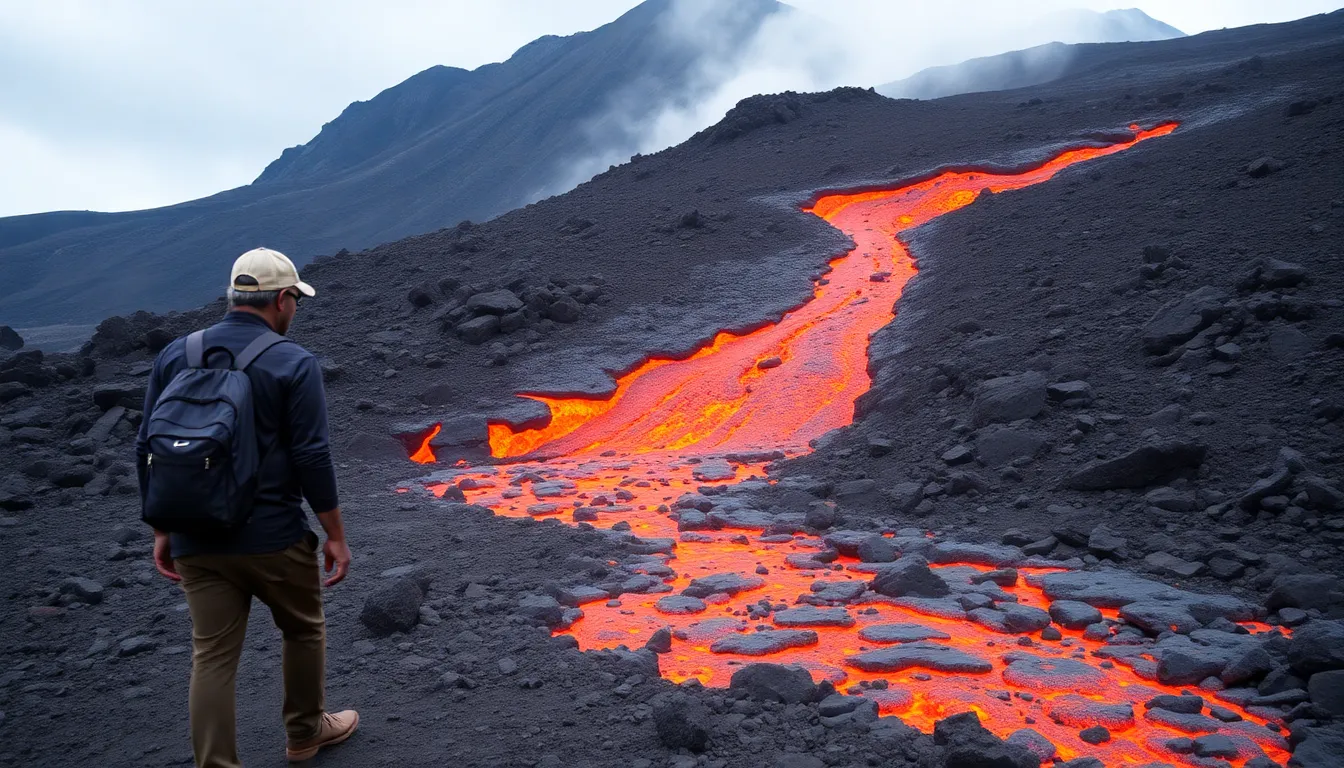
In the short term, emergency services will be stretched as they respond to the eruption, prioritizing public safety and managing evacuations. Local governments may need to implement new policies to address the immediate needs of affected residents, such as providing shelter and resources for those displaced by the lava flow.
- Increased risk of property damage and loss for residents.
- Potential decline in tourism revenue affecting local businesses.
- Short-term strain on emergency services and local government resources.
However, there are potential opportunities that may arise from this situation. The eruption could lead to increased interest in geological tourism, attracting visitors curious about volcanic activity. Additionally, investment in disaster preparedness and infrastructure improvements may enhance the community’s resilience to future eruptions, ultimately benefiting the local economy in the long run.
A: The eruption is a result of tectonic activity beneath the Earth’s surface, where magma pushes through the crust due to pressure buildup. A: Approaching lava is extremely dangerous due to the high temperatures and toxic gases released, and it is advised to maintain a safe distance. A: Reunion Island experiences volcanic activity periodically, with the last significant eruption occurring in recent years, showcasing the island’s geological volatility. A: Local authorities have established evacuation plans and safety guidelines to protect residents from potential hazards associated with volcanic eruptions. A: Yes, the release of gases and ash from the lava can impact air quality, necessitating monitoring and advisories for the local population.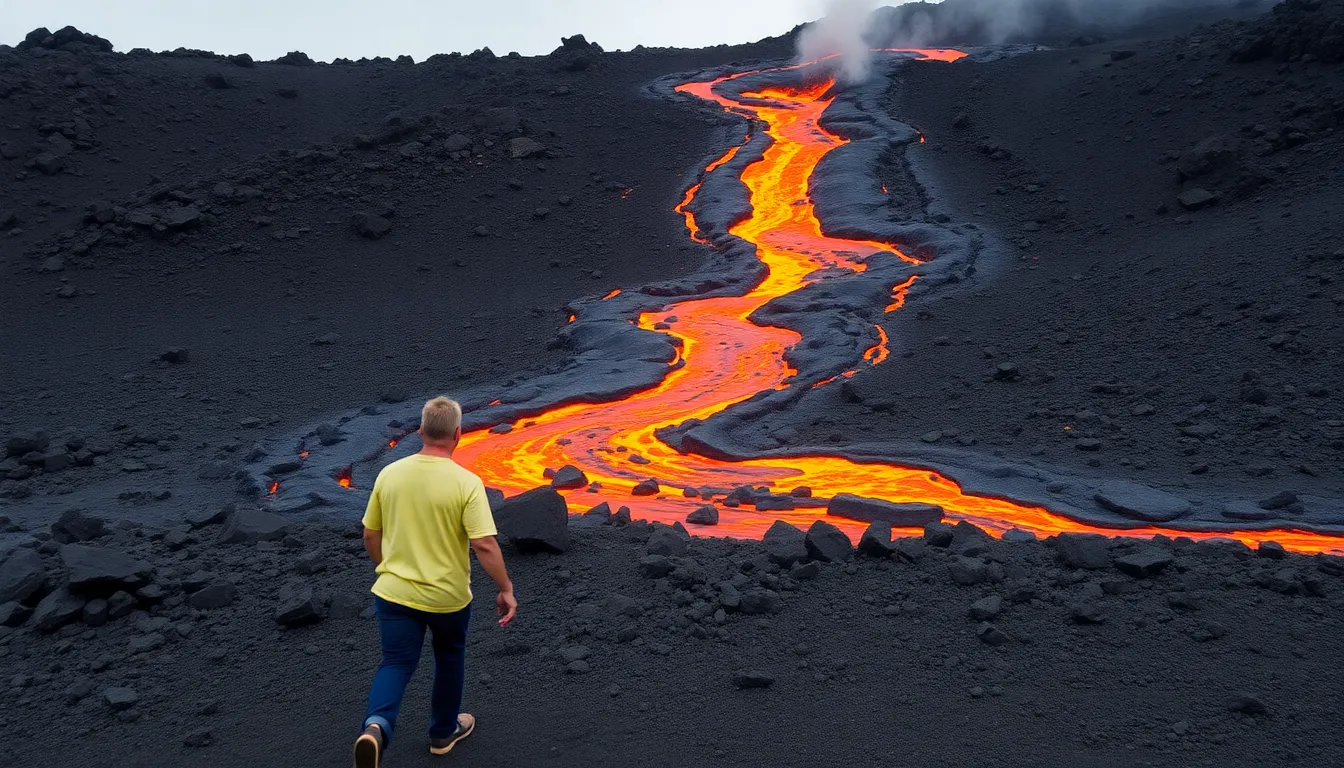
Frequently asked questions about the volcano eruption
Key takeaways and future outlook on volcanic activity
The recent close encounter of a Reunion resident with lava from the erupting volcano highlights the dynamic nature of volcanic activity and its impact on local communities. As the situation unfolds, it is essential to monitor developments closely while considering the broader implications for safety, tourism, and environmental management.
Understanding volcanic behavior and preparing for potential eruptions can significantly reduce risks to residents and visitors. Ongoing observation and research are critical to ensuring that accurate information is disseminated, allowing for timely responses to changes in volcanic activity.
- Increased monitoring: Enhanced surveillance of volcanic activity can provide early warnings and better inform local residents and authorities.
- Community preparedness: Encouraging local communities to participate in emergency preparedness drills can improve resilience in the face of potential eruptions.
- Impact on tourism: The eruption may attract tourists, but safety must remain a priority to avoid dangerous situations.
- Environmental considerations: Assessing the ecological impact of lava flows and ash fallout is essential for long-term environmental management.
- Research opportunities: The ongoing eruption presents an opportunity for scientists to study volcanic behavior and improve predictive models.