
Key players in this movement include local churches, music historians, and dedicated organizations focused on heritage conservation. Recent projects have seen the restoration of historic organs in various regions, with notable examples occurring in Europe and North America, where many instruments date back several centuries.
The significance of these efforts extends beyond mere preservation; they aim to revive the cultural and spiritual experiences associated with church organ music. Community events, workshops, and performances are being organized to engage the public and foster a deeper understanding of this sacred sound, highlighting its role in religious and social gatherings.
Furthermore, the rise of digital platforms has facilitated the sharing of organ music recordings, making them accessible to a wider audience. This digital outreach complements the physical restoration efforts, ensuring that the rich history and artistry of church organs continue to resonate for future generations.
Understanding the historical significance of church organs
Church organs have long been a cornerstone of religious and cultural life, dating back to ancient Greece when the first water organs were developed. By the Middle Ages, the organ became a prominent fixture in cathedrals and churches across Europe, symbolizing not only the spiritual but also the artistic aspirations of the time. These instruments were often designed to enhance the liturgical experience, providing a powerful auditory backdrop to worship and community gatherings.
The Baroque period saw the construction of grand organs with intricate pipework, which were celebrated for their ability to produce a wide range of sounds. This period marked a significant milestone in organ history, as composers like Johann Sebastian Bach wrote extensively for the instrument, solidifying its place in both sacred and secular music.
However, the decline of traditional church attendance and the rise of contemporary worship styles have led to a gradual neglect of these majestic instruments. Many churches have faced financial challenges, resulting in the deterioration of their organs. This decline is not merely a loss of music but represents a broader cultural shift, where the rich heritage of organ music is at risk of being forgotten in an increasingly digital and fast-paced world.
The role of technology in preservation
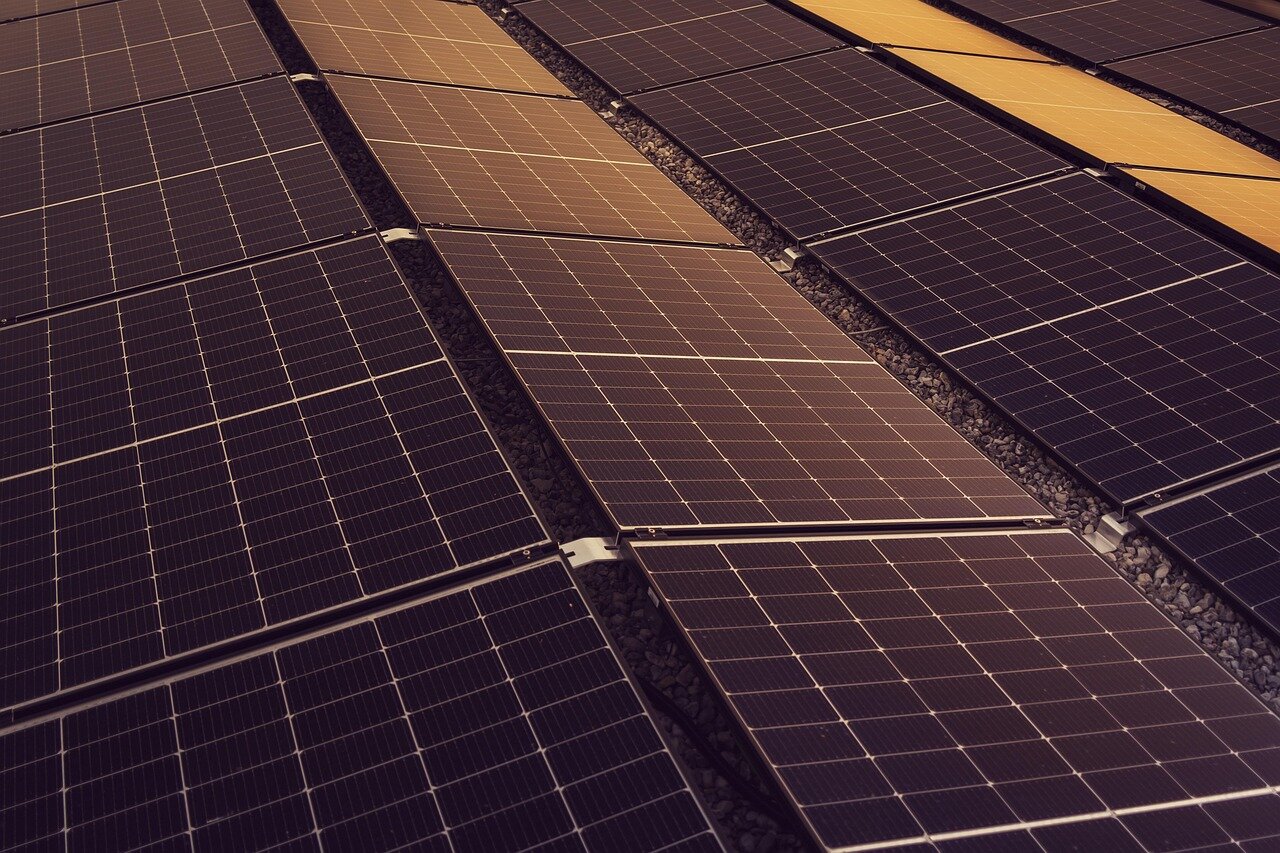
In recent years, innovative solutions have emerged to address the preservation of church organs. Solar-powered initiatives are gaining traction, allowing churches to maintain their organs without the burden of high energy costs. These technological advancements not only help to sustain the instruments but also promote environmental responsibility, aligning with the values of many modern congregations. This intersection of tradition and innovation highlights the ongoing relevance of church organs in today’s society.
Key stakeholders in the preservation of organ music
The preservation of church organ music involves a diverse range of stakeholders, each with distinct interests and motivations. These include church congregations, organ builders, musicologists, environmental organizations, and government bodies. Understanding their roles and perspectives is crucial for grasping the complexities of this initiative.
Church congregations are often the primary custodians of organ music, as these instruments are integral to their worship practices. Their interest lies in maintaining the cultural and spiritual significance of organ music while ensuring that the instruments remain functional and accessible for future generations. However, financial constraints may limit their ability to invest in maintenance and restoration.
Organ builders and restorers play a vital role in the preservation efforts, bringing technical expertise to the project. Their interests include promoting traditional craftsmanship and ensuring that the historical integrity of the instruments is upheld. Conflicts may arise when modern materials or technologies are considered for restoration, potentially altering the original sound and character of the instruments.
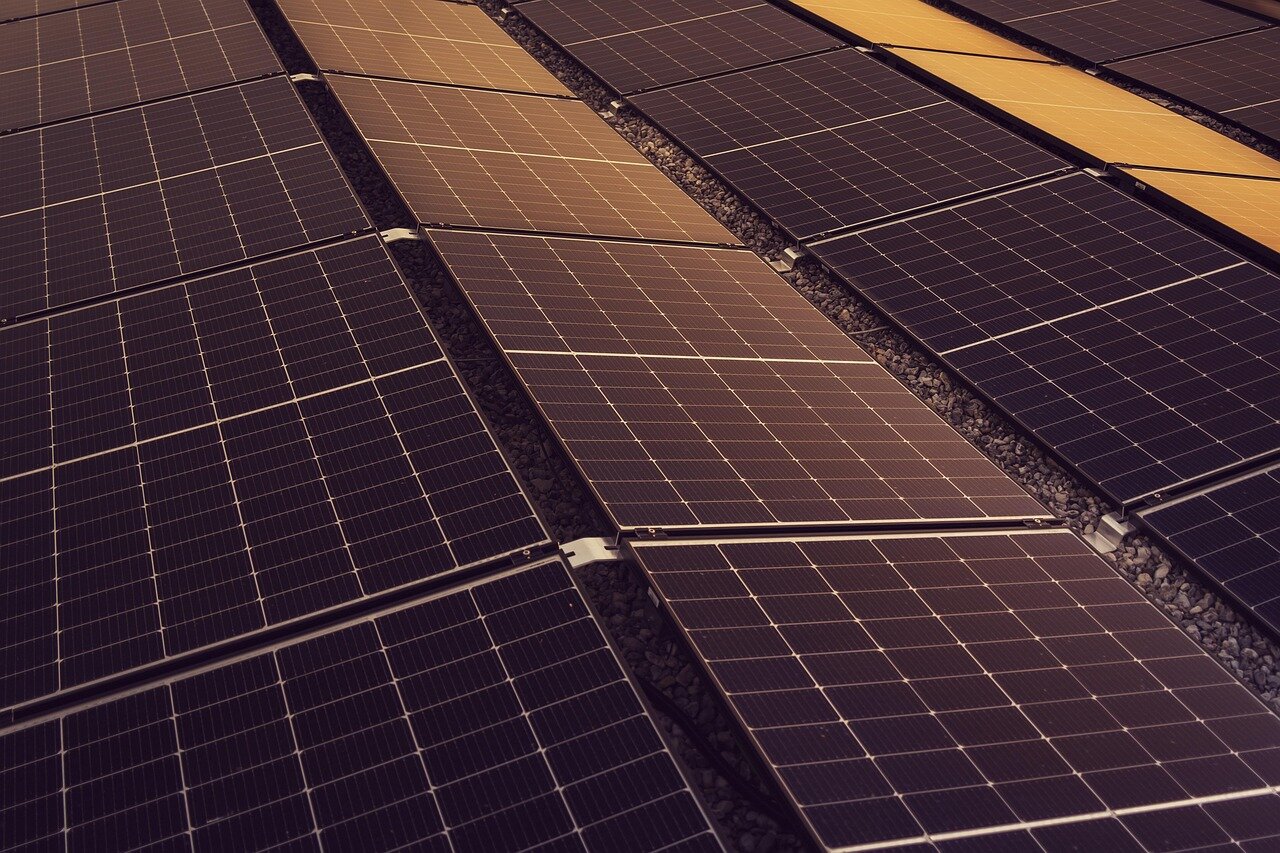
Environmental organizations advocate for sustainable practices in the preservation journey, particularly with the integration of solar power. Their focus is on reducing the carbon footprint associated with maintaining these large instruments, aligning with the values of many modern congregations, similar to the innovative solutions seen in other sectors.
- Church congregations prioritize the spiritual and cultural importance of organ music.
- Organ builders emphasize the need for historical accuracy in restorations.
- Environmental organizations push for sustainable practices, potentially conflicting with traditional methods.
- Government bodies may provide funding but also impose regulations that could affect restoration choices.
- Musicologists advocate for the documentation and study of organ music, which may require access to instruments that are not always available.
Legal issues surrounding copyright and the ownership of music scores also play a role in this landscape. As church organs often feature compositions that are still under copyright, stakeholders must navigate these complexities to ensure that the music can be freely performed and preserved. This adds another layer of negotiation among the various actors involved in the preservation of organ music.
The impact of solar technology on music preservation
The journey to preserve the music of church organs through solar-powered technology affects various groups, including musicians, local communities, and the broader cultural heritage sector. Musicians who rely on these instruments for performances may find new opportunities to showcase their art, while communities that cherish their local heritage can engage more deeply with the preservation efforts.
In the short term, the implementation of solar technology can lead to immediate improvements in the accessibility of church organs, allowing for more frequent use and performances. This can invigorate local economies, as increased foot traffic to churches can benefit nearby businesses, such as cafes and shops. Additionally, the environmental benefits of using renewable energy sources can enhance community pride and attract eco-conscious visitors.
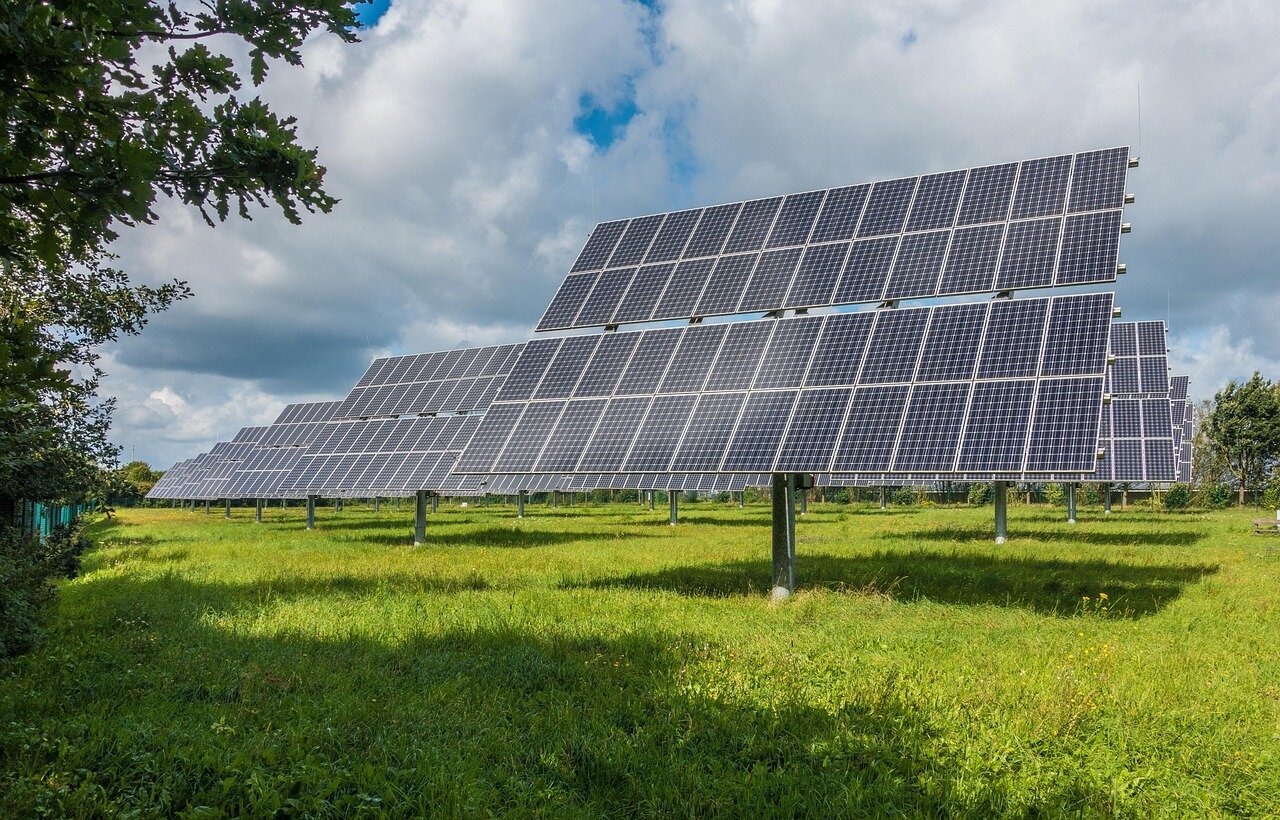
Mid-term impacts may include shifts in policy as governments and organizations recognize the importance of preserving cultural heritage through sustainable practices. This could lead to increased funding for similar projects, creating a ripple effect that encourages other communities to adopt solar technology for their own historical instruments. However, there are risks associated with the initial investment and maintenance of solar systems, which may deter some institutions from participating.
- Enhanced accessibility: More frequent use of organs for performances.
- Economic benefits: Increased local business activity from visitors.
- Policy shifts: Potential for increased funding and support for cultural preservation.
- Environmental impact: Promotion of renewable energy usage in cultural sectors.
Overall, while there are challenges to overcome, the integration of solar technology into the preservation of church organs presents significant opportunities for cultural enrichment and community engagement.
A: Church organ music holds cultural and spiritual importance, often accompanying religious ceremonies. It represents a rich tradition that connects communities and enhances worship experiences. A: Solar power provides a sustainable energy source for maintaining and restoring church organs, allowing for continuous music production without relying on traditional energy sources. A: Key stakeholders include church communities, music historians, organ builders, and environmental advocates who collaborate to ensure the longevity of organ music. A: Yes, challenges include funding for restoration projects, the need for skilled technicians, and the declining number of active church organs. A: Communities play a vital role by supporting local churches, participating in fundraising efforts, and promoting awareness of the importance of preserving organ music.
Frequently asked questions about organ music preservation
Future outlook on the preservation of sacred music
The journey to preserve the music of church organs through solar power highlights a significant intersection of tradition and innovation. As communities increasingly recognize the cultural and spiritual value of these instruments, there is a growing impetus to ensure their sustainability. This movement not only safeguards a vital aspect of heritage but also encourages a broader conversation about the role of music in spiritual practices and community life.
Investing in renewable energy solutions for the preservation of sacred music can serve as a model for other cultural preservation efforts. By combining technology with tradition, stakeholders can foster a new appreciation for these historical instruments while ensuring their functionality for future generations. This approach may inspire similar initiatives across various forms of art and heritage, emphasizing the importance of adaptability in preserving cultural legacies.
- Renewable Energy Integration: The use of solar power for church organs could pave the way for other cultural institutions to adopt sustainable practices.
- Community Engagement: Involving local communities in preservation efforts can enhance appreciation and support for sacred music traditions.
- Educational Opportunities: Workshops and programs centered around church organ music can educate younger generations, fostering a deeper connection to their cultural heritage.
- Cross-Disciplinary Collaboration: Partnerships between musicians, engineers, and historians can lead to innovative solutions for preserving not just music, but a range of cultural expressions.