
The first of these centres is scheduled to open in March 2024, with additional locations planned for urban and rural areas by the end of the year. Key stakeholders in this project include government health agencies, private healthcare providers, and non-profit organizations dedicated to cancer research and patient advocacy. Their collaboration is expected to streamline resources and expertise in cancer care.
As part of the development, each centre will feature state-of-the-art technology for diagnostics and treatment, including radiation therapy and chemotherapy facilities. Moreover, the centres will provide holistic care, incorporating psychological support and rehabilitation services tailored to the needs of cancer patients. This comprehensive approach is designed to improve not only survival rates but also the quality of life for those affected by cancer.

Local communities have expressed strong support for the initiative, recognizing the need for improved cancer care infrastructure. Public consultations have highlighted the importance of accessibility and affordability in treatment options. The establishment of these centres is expected to significantly reduce travel times for patients seeking specialized care, making treatment more manageable and effective.
The need for advanced cancer treatment facilities is growing
In recent years, the incidence of cancer has surged globally, prompting a pressing demand for advanced treatment facilities. According to the World Health Organization, cancer cases are expected to rise by 70% over the next two decades, underscoring the necessity for innovative healthcare infrastructure. This increase is attributed to a combination of factors, including an aging population, lifestyle changes, and environmental influences, which have all contributed to the growing prevalence of various cancer types.
The historical context of cancer treatment reveals a significant evolution in medical practices and technologies. In the early 20th century, cancer was often viewed as a death sentence, with limited treatment options available. However, breakthroughs in research and the development of chemotherapy and radiation therapy revolutionized cancer care. The establishment of specialized cancer centers began in the late 20th century, with institutions like the MD Anderson Cancer Center paving the way for comprehensive cancer treatment models.

Political and Economic Factors
Political will and economic investment have played crucial roles in the expansion of cancer care facilities. Governments around the world have recognized the need to prioritize healthcare spending, particularly in oncology. In the United States, the National Cancer Act of 1971 marked a significant milestone, leading to increased federal funding for cancer research and treatment facilities. Similar initiatives in other countries have also aimed to bolster cancer care, reflecting a global commitment to combat this pervasive disease.
Furthermore, the economic implications of cancer are profound. The financial burden on healthcare systems and patients alike has prompted a push for more accessible and effective treatment options. Recent studies indicate that investing in cancer care infrastructure not only improves patient outcomes but also reduces long-term healthcare costs. As a result, many regions are now prioritizing the construction of new cancer care centers to meet the escalating demand for services.
In summary, the convergence of rising cancer rates, historical advancements in treatment, and a strong political and economic commitment to healthcare reform has set the stage for the establishment of new cancer care centers. These facilities are essential not only for improving patient outcomes but also for addressing the broader societal impact of cancer on communities worldwide.
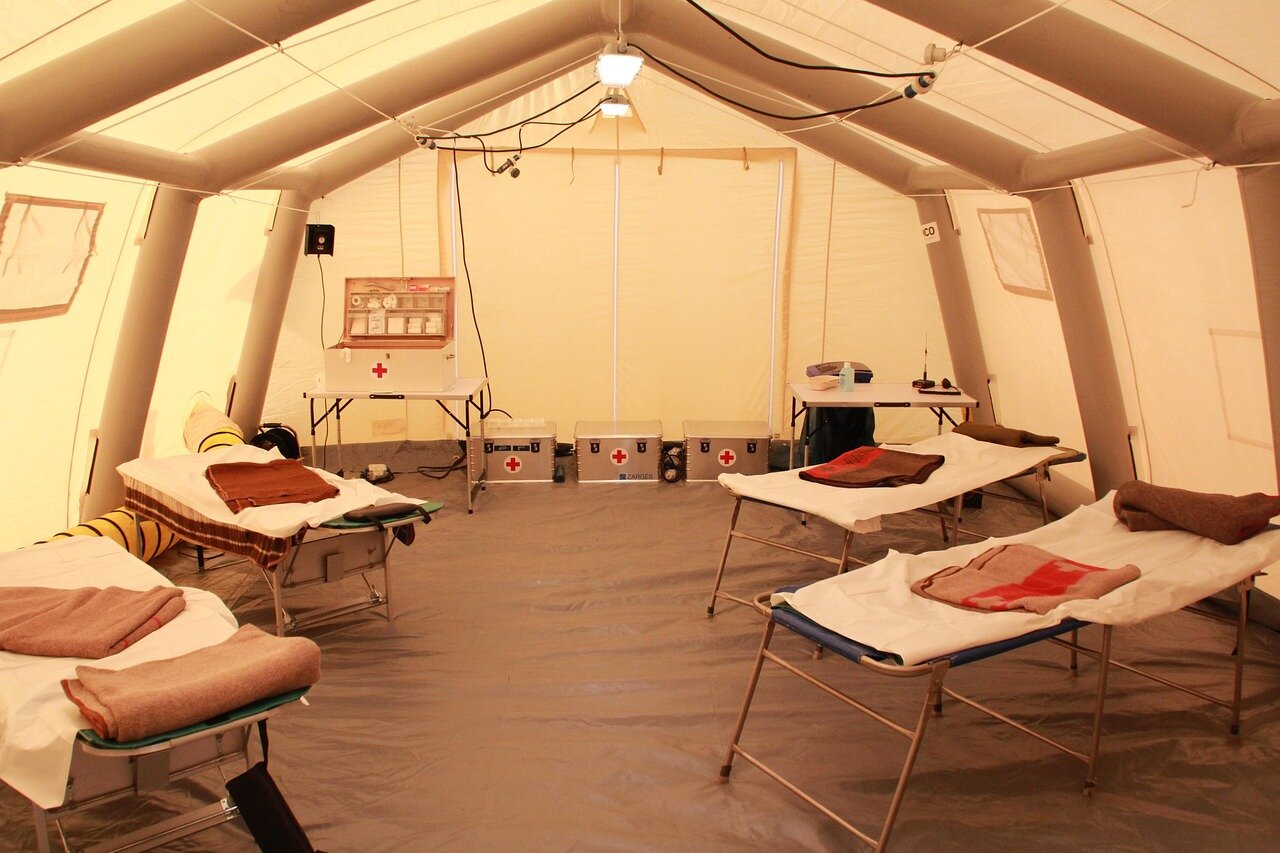
Key stakeholders and issues surrounding the new cancer centres
The establishment of new cancer care centres involves a diverse array of stakeholders, each with distinct interests and concerns. Key actors include government entities, healthcare organizations, cancer advocacy groups, and the patients themselves. Understanding their roles and motivations is crucial for a comprehensive analysis of the situation.
Government agencies are often at the forefront, tasked with public health and funding decisions. They aim to improve healthcare access and outcomes for citizens, particularly in underserved areas. However, budget constraints and competing priorities may create tensions regarding the allocation of resources for these new facilities.
Healthcare organizations, including hospitals and private clinics, have a vested interest in the development of cancer care centres. They seek to enhance their service offerings and improve patient outcomes. Nevertheless, this expansion may lead to conflicts over market share, especially in regions with existing cancer treatment facilities.

- Economic Issues: The financial viability of new centres can be a significant concern, as high operational costs may impact their sustainability.
- Legal Considerations: Regulatory compliance and zoning laws can pose challenges to the establishment of new facilities.
- Patient Access: Ensuring equitable access to care is paramount, as disparities may arise based on location and socioeconomic status.
- Advocacy Group Interests: Various cancer advocacy organizations may push for specific services or patient rights, influencing the centres’ operational focus.
Ultimately, the interplay between these stakeholders will shape the future landscape of cancer care. As new centres are developed, it is essential to navigate these complexities to ensure that the needs of all parties are addressed effectively.
The expected impact on patients and the healthcare system
The introduction of new cancer care centres is set to significantly affect various groups, including patients, healthcare providers, and local communities. Patients battling cancer will benefit most directly from increased access to specialized care, which can lead to improved treatment outcomes and quality of life. Additionally, healthcare professionals will find enhanced opportunities for collaboration and specialization in oncology, fostering a more robust healthcare environment.
In the short term, the construction and subsequent operation of these centres will create jobs in the healthcare sector and related industries, such as construction and medical supply. This influx of employment opportunities can stimulate local economies, particularly in regions where these centres are established. However, there may also be disruptions during the construction phase, affecting traffic and local businesses.

Mid-term impacts will likely include a shift in healthcare policies as more resources are allocated towards cancer care. This could lead to increased funding for research and development in oncology, potentially resulting in innovative treatment options. However, there is also a risk that existing healthcare facilities may struggle to adapt to the new competitive landscape, which could lead to some closures or reduced services.
- Increased access to specialized cancer care for patients.
- Job creation in healthcare and construction sectors.
- Potential disruptions to local businesses during construction.
- Shift in healthcare policies towards cancer treatment and research.
- Risk of existing facilities facing competition and possible service reductions.
Overall, the establishment of new cancer care centres presents both opportunities and challenges. While patients stand to gain significantly from improved care options, the broader healthcare ecosystem will need to navigate the changes brought about by these new facilities to ensure sustainable growth and access to essential services.
A: The new cancer care centres are expected to begin opening in late 2024, with construction timelines varying by location. A: Patients diagnosed with cancer will benefit greatly, as these centres will provide more specialized treatment options and resources. A: The centres will offer state-of-the-art technology and a multidisciplinary approach to treatment, improving patient outcomes. A: Yes, community outreach programs are planned to ensure local input and support for the new centres. A: Most insurance providers are expected to cover treatments at the new centres, but patients should verify with their insurance plans.
Frequently asked questions about the new cancer care centres
Looking ahead at the future of cancer care in the country
The establishment of new cancer care centres represents a significant advancement in the country’s healthcare landscape. These facilities are expected to enhance accessibility to cutting-edge treatments and specialized care, addressing the growing demand for cancer services. As the healthcare community prepares for this transformation, it is crucial to consider the broader implications for patient outcomes, resource allocation, and community support.
Moreover, the integration of innovative technologies and multidisciplinary approaches in these centres could lead to improved diagnostic and treatment protocols. Stakeholders must remain vigilant in monitoring the impact of these developments on both patients and healthcare providers, ensuring that the benefits of enhanced cancer care are equitably distributed.
- Increased access to advanced treatment options may lead to improved survival rates for cancer patients.
- The collaboration between various healthcare professionals in these centres could foster a more holistic approach to cancer treatment.
- Investment in cancer care infrastructure may stimulate local economies and create job opportunities in the healthcare sector.
- Monitoring patient feedback and outcomes will be essential to continuously improve services and address community needs.
- Potential partnerships with research institutions could advance clinical trials and innovative therapies, benefiting patients and the medical community alike.