
The mother, who gave birth in early September 2023, reported that despite her repeated pleas for assistance, the midwives did not adequately address her worries. This lack of responsiveness not only added to her anxiety but also raised questions about the protocols in place for handling high-risk pregnancies. Such experiences are not isolated, as many parents have voiced similar frustrations regarding the care received during critical moments.
Healthcare experts emphasize the importance of listening to patients, particularly in maternity settings where emotional and physical well-being are intertwined. A failure to engage with mothers’ concerns can lead to significant consequences, both for the mother and the newborn. As the healthcare community reflects on this case, it underscores the urgent need for training that prioritizes patient-centered care.
This situation has prompted calls from advocacy groups for systemic changes in midwifery practices. They argue that enhancing communication skills among midwives and other healthcare professionals is essential to prevent similar incidents in the future. As the conversation continues, the hope is to foster an environment where parents feel empowered to voice their concerns without fear of dismissal.
Understanding the challenges faced by parents of premature infants
The experience of having a premature baby is often fraught with emotional and physical challenges, significantly impacting parents’ mental health and well-being. Historically, the medical community has made considerable strides in neonatal care, yet many parents still feel unheard and unsupported during this critical time. The lack of effective communication between healthcare providers and parents can exacerbate feelings of helplessness and frustration, particularly when they perceive that their concerns are not being acknowledged.

Socially, the stigma surrounding premature births can lead to isolation for families. Many parents report feeling unprepared and overwhelmed, as societal norms often emphasize the image of a ‘perfect’ pregnancy and birth. This disconnect can create additional pressure on parents to navigate their experiences alone, further complicating their interactions with healthcare professionals. The emotional toll of premature birth can also lead to strained relationships, as partners may struggle to cope with the stress of their situation.
The Evolution of Neonatal Care
Over the past few decades, there have been significant advancements in neonatal care, resulting in improved survival rates for premature infants. However, these advancements have not always been accompanied by equally progressive changes in the way healthcare providers communicate with parents. The historical context of maternal and infant health care reveals a tendency for medical professionals to prioritize clinical outcomes over parental input, often leading to a disconnect that can leave parents feeling marginalized and ignored.
In recent years, advocacy groups have emerged to address these issues, pushing for a more inclusive approach to neonatal care that emphasizes the importance of listening to parents’ concerns. Key milestones in this movement include the establishment of family-centered care models and increased training for healthcare providers on effective communication strategies. Despite these efforts, many parents still report experiences where they felt their voices were not valued, highlighting the ongoing need for systemic change within the healthcare system.
Economically, the costs associated with premature births can be staggering, affecting not only families but also the healthcare system as a whole. The financial burden of extended hospital stays and specialized care can lead to significant stress for parents, further complicating their ability to advocate for their needs. Understanding the economic implications of premature births is crucial in addressing the broader context of this issue and ensuring that parents receive the support they need during such a vulnerable time.
Examining the implications of midwife-patient communication failures
The case of a mother expressing frustration over midwives not listening to her concerns regarding her premature baby highlights critical issues within maternal healthcare. Central actors in this scenario include the mother, midwives, healthcare institutions, and regulatory bodies. Each of these stakeholders has distinct interests that can lead to conflicts and trade-offs in the delivery of care.

For the mother, the primary interest lies in ensuring the health and safety of her baby, which is often contingent on effective communication and responsiveness from healthcare providers. On the other hand, midwives are tasked with managing multiple patients simultaneously, which can lead to challenges in prioritizing individual concerns. This disparity in focus can create an environment where maternal instincts are overlooked, resulting in heightened anxiety and potential health risks for the infant.
Healthcare institutions also play a significant role, as they establish protocols and staffing levels that directly impact the quality of patient care. Inadequate staffing or resources can exacerbate communication failures, leading to systemic issues that affect both patients and healthcare providers. Regulatory bodies are responsible for overseeing these institutions, yet they may face limitations in enforcing standards that ensure effective communication practices are upheld.
- Communication Breakdown: Ineffective communication can lead to misinterpretations of patient needs and concerns.
- Resource Allocation: Insufficient staffing and resources may hinder midwives’ ability to provide personalized care.
- Legal Implications: Failure to listen to patients can result in legal repercussions for healthcare providers and institutions.
- Patient Trust: Trust in healthcare systems can be eroded when patients feel their voices are ignored.
- Policy Changes: This incident may prompt discussions around policy reforms to improve patient-provider communication.
This situation underscores the need for a holistic approach to maternal care that prioritizes effective communication and addresses the systemic challenges faced by healthcare providers. Understanding the interests of each stakeholder can help illuminate the complexities involved in providing quality care to mothers and their newborns.
The emotional and psychological effects on families of premature babies
The experience of having a premature baby can be profoundly distressing for families, affecting not only the parents but also siblings and extended family members. The emotional turmoil often stems from feelings of helplessness, anxiety, and fear about the baby’s health and future. This situation can lead to long-term psychological impacts, including depression and post-traumatic stress disorder (PTSD) among parents.
Healthcare professionals, particularly midwives and neonatal specialists, are directly impacted by these experiences. The trust between parents and caregivers can be severely strained when parents feel their concerns are not being adequately addressed. This can lead to a demand for more comprehensive training and better communication strategies within the healthcare system.

In terms of industry impact, hospitals and healthcare providers may face increased scrutiny and potential policy changes as families advocate for better care standards. This could result in a shift towards more family-centered care practices, which prioritize the emotional and psychological needs of parents alongside the medical needs of the infants.
- Increased demand for mental health support services for families.
- Potential policy changes in maternal and neonatal care practices.
- Opportunities for healthcare providers to enhance communication training.
In the short term, families may experience disruptions in their daily lives as they navigate the challenges of caring for a premature baby. This can include frequent hospital visits, financial strain due to medical expenses, and the need for additional support at home. In the mid-term, these experiences can lead to a greater awareness of the importance of maternal mental health and the need for systemic changes within the healthcare industry.
A: It is important to advocate for yourself and express your concerns clearly. If necessary, request to speak with a supervisor or another healthcare provider. A: Midwives can enhance communication by actively listening, validating concerns, and providing clear explanations about care procedures. A: Premature births can lead to various health complications for the baby, including respiratory issues, developmental delays, and increased risk of infections. A: Yes, many hospitals offer support groups and resources for parents of premature babies, including counseling and educational programs. A: Research midwives in your area, read reviews, and consider scheduling consultations to find someone who aligns with your communication needs.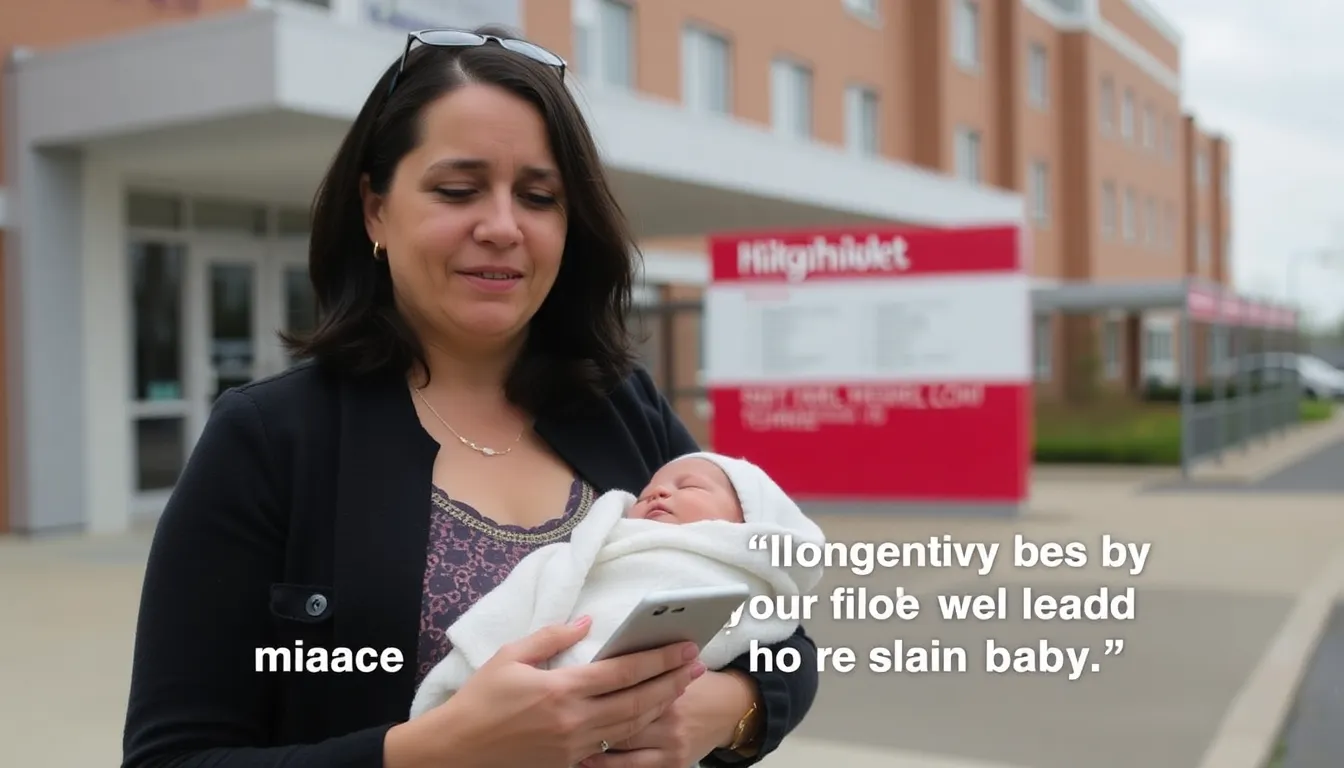
Frequently asked questions regarding midwifery and patient care
Key takeaways and future considerations for midwifery practices
The experiences shared by mothers of premature babies highlight significant gaps in communication and responsiveness within midwifery care. It is crucial for midwives to actively listen to their patients’ concerns and symptoms, as this can profoundly impact both maternal and neonatal outcomes. By fostering a more inclusive and attentive approach, midwives can enhance the quality of care and build trust with the families they serve.
Moving forward, midwifery practices must prioritize training and protocols that emphasize the importance of patient feedback. This can lead to improved decision-making and better health outcomes for vulnerable populations, particularly those facing the challenges of premature birth.
- Enhance communication training for midwives to ensure they effectively listen and respond to patient concerns.
- Implement regular feedback mechanisms for mothers to share their experiences and suggestions for care improvement.
- Encourage collaborative care models that involve multidisciplinary teams to address the complex needs of premature infants and their families.
- Promote awareness of the emotional and psychological aspects of premature birth among healthcare providers.
- Invest in ongoing education and resources for midwives to stay updated on best practices in neonatal care and maternal support.