
The project, spearheaded by a collaboration between local authorities and energy companies, is set to commence in early 2024. By tapping into the Earth’s natural heat, the initiative not only promises to lower energy costs for residents but also contributes to the UK’s broader climate goals.
Geothermal energy is considered a reliable and consistent source of power, unlike some renewable alternatives that are dependent on weather conditions. The successful implementation of this project could pave the way for similar initiatives across the country, potentially transforming the energy landscape in the UK.
As the UK government continues to invest in green technologies, this project exemplifies the transition towards a more sustainable future. With increasing pressure to meet carbon reduction targets, the utilization of geothermal energy represents a crucial innovation in the fight against climate change.
Recommended Articles
- Football as a Tool for Empowering Girls Against Forced Marriage
- FedEx initiates lawsuit for refund on Trump tariffs
- Brady Tkachuk expresses strong emotions ahead of Olympic final
- Spain to Investigate Social Media Giants Amid Rising Tech Tensions
- Review of Fairphone 6 highlights affordability and sustainability
- Football as a Tool for Empowering Girls Against Forced Marriage
- FedEx initiates lawsuit for refund on Trump tariffs
- Brady Tkachuk expresses strong emotions ahead of Olympic final
- Spain to Investigate Social Media Giants Amid Rising Tech Tensions
- Review of Fairphone 6 highlights affordability and sustainability
Understanding the significance of geothermal energy in the UK
Geothermal energy, a renewable resource harnessed from the Earth’s internal heat, has long been underutilized in the UK despite its potential. Historically, the UK has relied heavily on fossil fuels, which have dominated the energy landscape for decades. However, the increasing urgency to address climate change and reduce carbon emissions has prompted a shift towards renewable energy sources, including geothermal power.
The journey towards embracing geothermal energy in the UK can be traced back to the early 20th century when initial explorations began. However, it wasn’t until the 1970s energy crisis that interest in alternative energy sources surged. The UK government initiated various studies and pilot projects to explore the feasibility of geothermal energy, but progress remained slow due to high costs and technological limitations.
Key milestones in geothermal development
In recent years, significant milestones have marked the advancement of geothermal energy in the UK. The establishment of the Geothermal Energy Association in 2007 played a crucial role in promoting research and development in this field. Furthermore, the UK’s commitment to achieving net-zero emissions by 2050 has catalyzed investments in renewable energy technologies, including geothermal projects.
The recent announcement that Earth’s heat will power 10,000 homes represents a landmark achievement in the UK’s renewable energy journey. This project not only showcases the viability of geothermal energy but also underscores a broader commitment to sustainable energy solutions. With various local governments and private entities now exploring geothermal options, the UK is poised to expand its renewable energy portfolio significantly.
As the UK continues to navigate the transition from fossil fuels to renewable energy, the development of geothermal resources will play a pivotal role. This shift not only addresses environmental concerns but also has the potential to bolster energy security and create new economic opportunities within the renewable energy sector.
Key stakeholders and challenges in the geothermal energy sector
The recent initiative to harness Earth’s heat for powering 10,000 homes in the UK marks a significant milestone in the renewable energy landscape. Several key stakeholders are involved in this venture, each with distinct interests and potential conflicts. These stakeholders include government entities, private energy companies, environmental organizations, and local communities.
Government bodies, such as the UK Department for Business, Energy & Industrial Strategy, are primarily interested in promoting sustainable energy solutions to meet climate goals. Their support for geothermal projects reflects a broader commitment to reducing carbon emissions and transitioning to renewable energy sources. However, the challenge lies in balancing these ambitions with the economic implications for taxpayers and the energy market.
Private energy companies are also crucial players in this sector. Their interests typically revolve around profitability and market share. While the push for geothermal energy presents new business opportunities, companies must navigate the initial high costs of drilling and technology development. This investment risk can lead to conflicts between short-term financial objectives and long-term sustainability goals.
- Local Communities: Residents may have concerns about the environmental impact and potential disruption caused by geothermal installations, leading to opposition or support depending on perceived benefits.
- Environmental Organizations: These groups advocate for responsible energy practices and may push for stringent regulations to protect natural habitats affected by geothermal projects.
- Legal Frameworks: The development of geothermal energy is subject to various regulations, which can create hurdles or opportunities depending on how laws evolve to accommodate new technologies.
- Economic Trade-offs: The shift towards geothermal energy must consider the balance between job creation in new sectors and potential job losses in traditional energy industries.
In summary, the transition to geothermal energy in the UK involves a complex interplay of stakeholders, each with their interests and challenges. Understanding these dynamics is essential for assessing the viability and future of geothermal projects in the region.
How this project will affect homeowners and the energy market
The groundbreaking initiative to harness Earth’s heat for energy production will significantly impact various groups, particularly homeowners, local businesses, and the broader energy market in the UK. Homeowners in the vicinity of the geothermal power installation may experience reduced energy costs and increased energy security, as reliance on fossil fuels diminishes. This shift could lead to a more stable energy supply, especially during peak demand periods.
In the short term, homeowners may see immediate benefits such as lower utility bills and enhanced property values due to the green energy appeal. Local businesses, particularly those in the construction and renewable energy sectors, stand to gain from increased job opportunities as the project progresses. However, there are also risks associated with the transition; for instance, existing fossil fuel industries may face job losses and economic downturns as the market shifts towards renewable sources.
In the mid-term, the initiative could spur policy changes aimed at further promoting renewable energy projects across the UK. This could lead to a ripple effect, encouraging other regions to invest in similar technologies, thus transforming the national energy landscape. Additionally, there may be opportunities for innovation in energy storage and distribution, as the demand for efficient systems to manage geothermal energy increases.
- Homeowners: Potential for lower energy bills and increased property values.
- Local Businesses: Job creation in construction and renewable sectors.
- Energy Market: Shift towards renewable sources and reduced fossil fuel dependence.
- Policy Changes: Potential for new regulations promoting renewable energy.
- Innovation Opportunities: Growth in energy storage and distribution technologies.
While the transition to geothermal energy presents numerous opportunities, it also poses challenges, particularly for communities dependent on fossil fuel industries. Balancing these impacts will be crucial as the UK moves towards a more sustainable energy future.
Frequently asked questions about geothermal energy in the UK
A: Geothermal energy is heat that comes from the Earth’s core, which can be harnessed for various uses, including heating and electricity generation.
A: This project is expected to reduce carbon emissions by providing a cleaner energy source, contributing to the UK’s renewable energy goals.
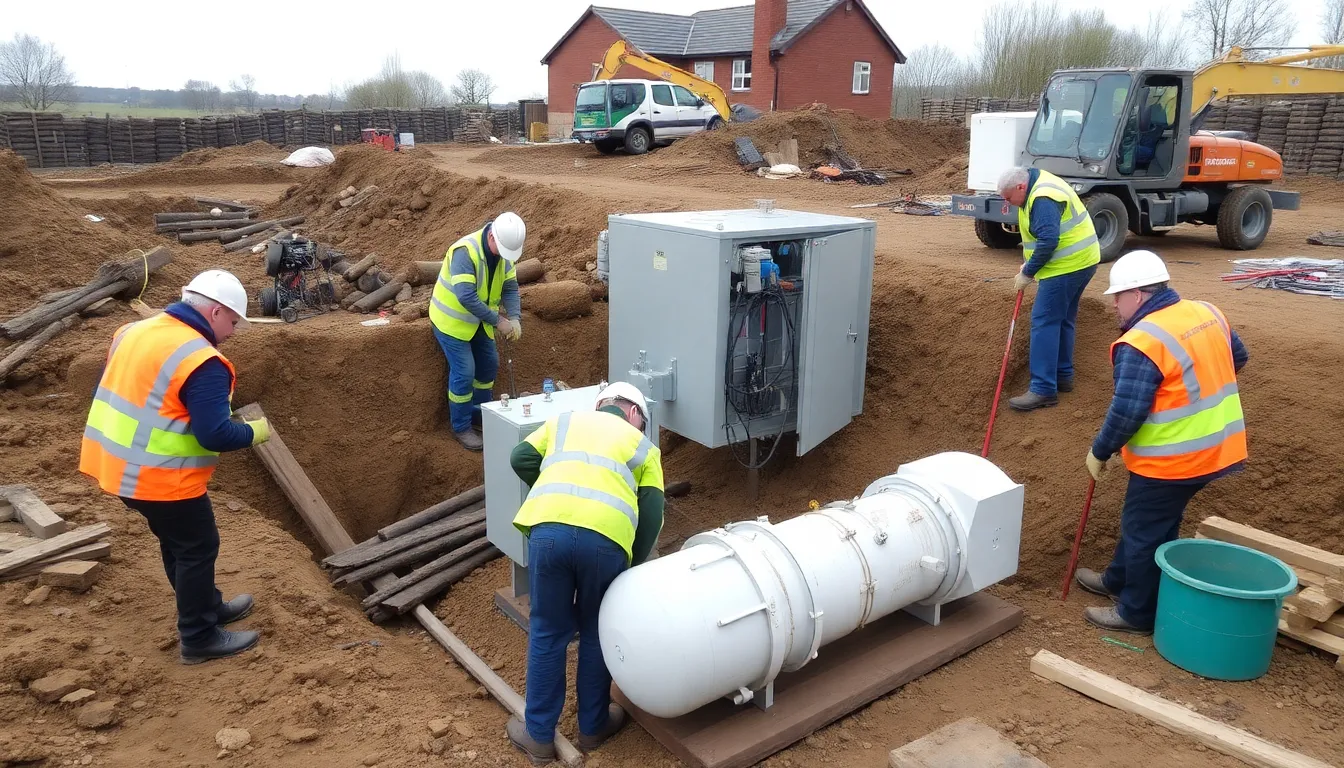
A: The project utilizes advanced geothermal heat pumps and drilling techniques to access and convert Earth’s heat into usable energy.
A: The project is scheduled for completion within the next few years, with phases of development planned to ensure efficiency and effectiveness.
A: Yes, other regions with suitable geological conditions can adopt similar geothermal energy projects to promote sustainability.
Future outlook on geothermal energy projects in the UK
The recent initiative to harness Earth’s heat for powering 10,000 homes marks a significant milestone in the UK’s renewable energy landscape. This pioneering project not only demonstrates the potential of geothermal energy but also sets a precedent for future developments in sustainable energy solutions. As the UK aims to transition to a low-carbon economy, the successful implementation of geothermal technology could pave the way for similar projects across the nation.
Looking ahead, it is essential to consider the broader implications of this advancement. The integration of geothermal energy into the UK’s energy mix could lead to increased energy security, reduced reliance on fossil fuels, and a substantial decrease in greenhouse gas emissions. Stakeholders must remain vigilant in monitoring the project’s progress and its impact on local communities and ecosystems.
- Increased investment: Anticipate a rise in funding for geothermal projects as their viability is proven.
- Policy development: Watch for potential government incentives aimed at promoting geothermal energy initiatives.
- Community engagement: Local communities may become more involved in renewable energy discussions, advocating for sustainable practices.
- Technological advancements: Innovations in geothermal technology could lead to more efficient energy extraction methods.
- Environmental monitoring: Keep an eye on environmental assessments to ensure sustainable practices are upheld.