
In the past few months, users have reported numerous instances of false claims circulating on Polymarket’s social channels. For example, in September 2023, a viral post inaccurately predicted the outcome of a major political event, misleading many users. Such misinformation not only distorts public perception but also undermines the platform’s credibility.
The implications of this issue extend beyond user trust. As Polymarket positions itself as a leader in the prediction market space, the spread of falsehoods could affect its market dynamics and user engagement. Investors and participants rely on accurate information to make informed decisions, and inaccuracies can lead to significant financial repercussions, echoing concerns raised in recent discussions.
Furthermore, the ongoing debate about the role of social media in shaping public discourse highlights the urgent need for platforms like Polymarket to implement stricter content moderation policies. Without proactive measures, the risk of misinformation will continue to threaten the platform’s foundational claims of promoting truth.
Understanding Polymarket’s Role in the Prediction Market
Polymarket, established in 2020, emerged as a significant player in the burgeoning field of prediction markets, where participants can wager on the outcomes of various events, ranging from political elections to sports results. Its platform promises a unique approach to forecasting by leveraging the collective intelligence of its users, who stake money on their beliefs about future events, thereby creating a market-driven mechanism for truth. However, the very nature of this system raises questions about the accuracy and reliability of the information circulating within its social feeds.
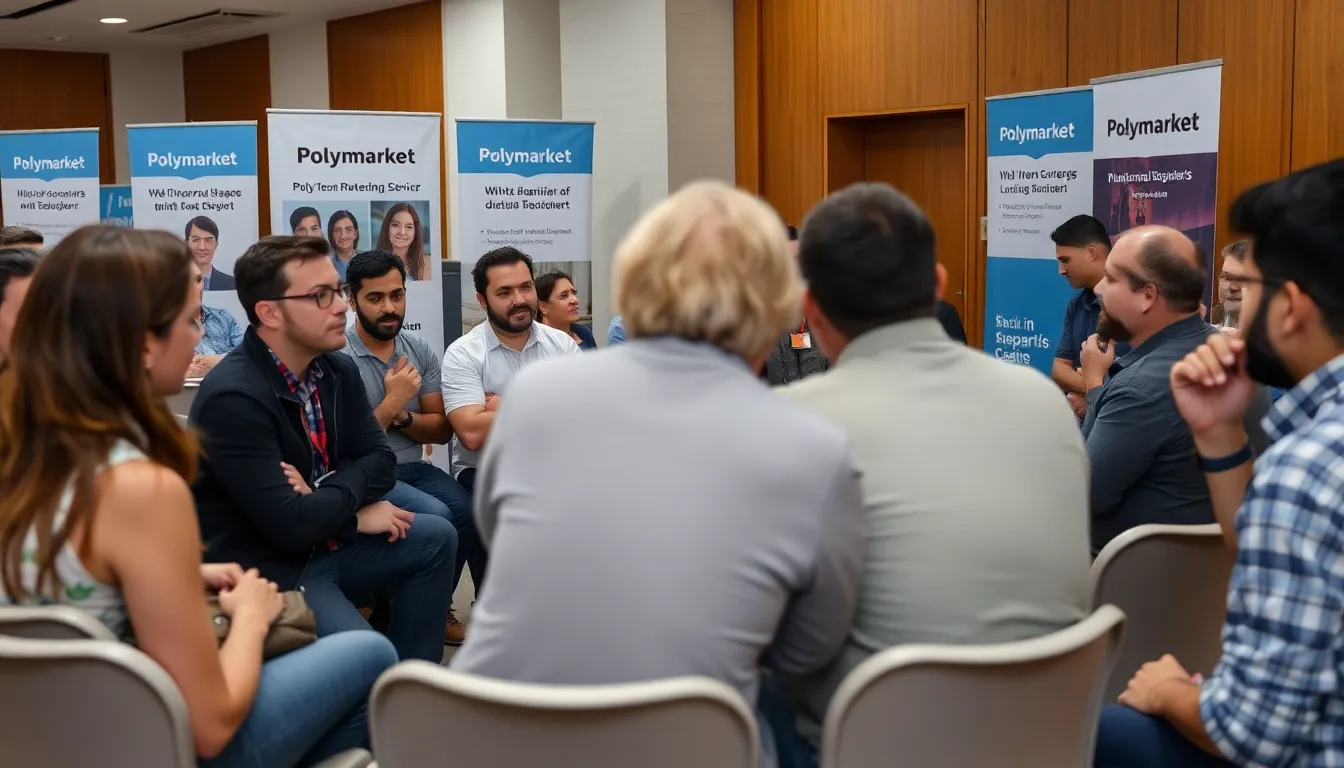
The political landscape has significantly influenced the development of prediction markets like Polymarket. In recent years, the increasing polarization of political discourse has led to a surge in interest in alternative methods of gauging public sentiment and predicting electoral outcomes. This shift has been accompanied by a growing skepticism toward traditional media outlets, prompting individuals to seek out platforms that claim to offer more direct insights into the truth. However, this has also opened the door to misinformation, as users may prioritize profit over factual accuracy when placing bets.
Economically, the rise of online betting platforms has coincided with a broader trend of digital financial services, which has democratized access to financial speculation. Polymarket capitalizes on this trend by allowing users to engage in real-time betting on a wide array of topics. Yet, this very accessibility has led to challenges in regulating content and ensuring that users are not misled by false information shared on social media feeds linked to the platform. The lack of oversight can result in the proliferation of rumors and unfounded claims, undermining the platform’s stated mission of promoting truth.
The Challenge of Misinformation
As Polymarket continues to grow, the challenge of misinformation remains a critical concern. The platform’s design encourages rapid information exchange, but this immediacy can also facilitate the spread of falsehoods. Key milestones, such as high-profile political events and contentious debates, have seen spikes in activity on Polymarket, often accompanied by a surge in misleading narratives. This phenomenon highlights the tension between the platform’s goal of fostering informed decision-making and the reality of a marketplace that can be easily manipulated by those seeking to profit from speculation on uncertain outcomes.
Examining the Stakeholders and Key Issues at Play
The landscape surrounding Polymarket, a platform that allows users to trade on the outcomes of various events, is populated by several key stakeholders, each with distinct interests. These include Polymarket itself, its users, regulatory bodies, and the broader public. Understanding the dynamics among these groups is essential to grasp the complexities of the issues at hand, similar to the challenges discussed in the ongoing corruption debates.
Polymarket, as a company, aims to position itself as a pioneer in the prediction market space, promoting its operations as a means to uncover truth through market-driven insights. However, the platform faces challenges related to misinformation, as its social feeds have been criticized for containing falsehoods. This raises questions about the integrity of the information being disseminated and the potential consequences for users who rely on these predictions.
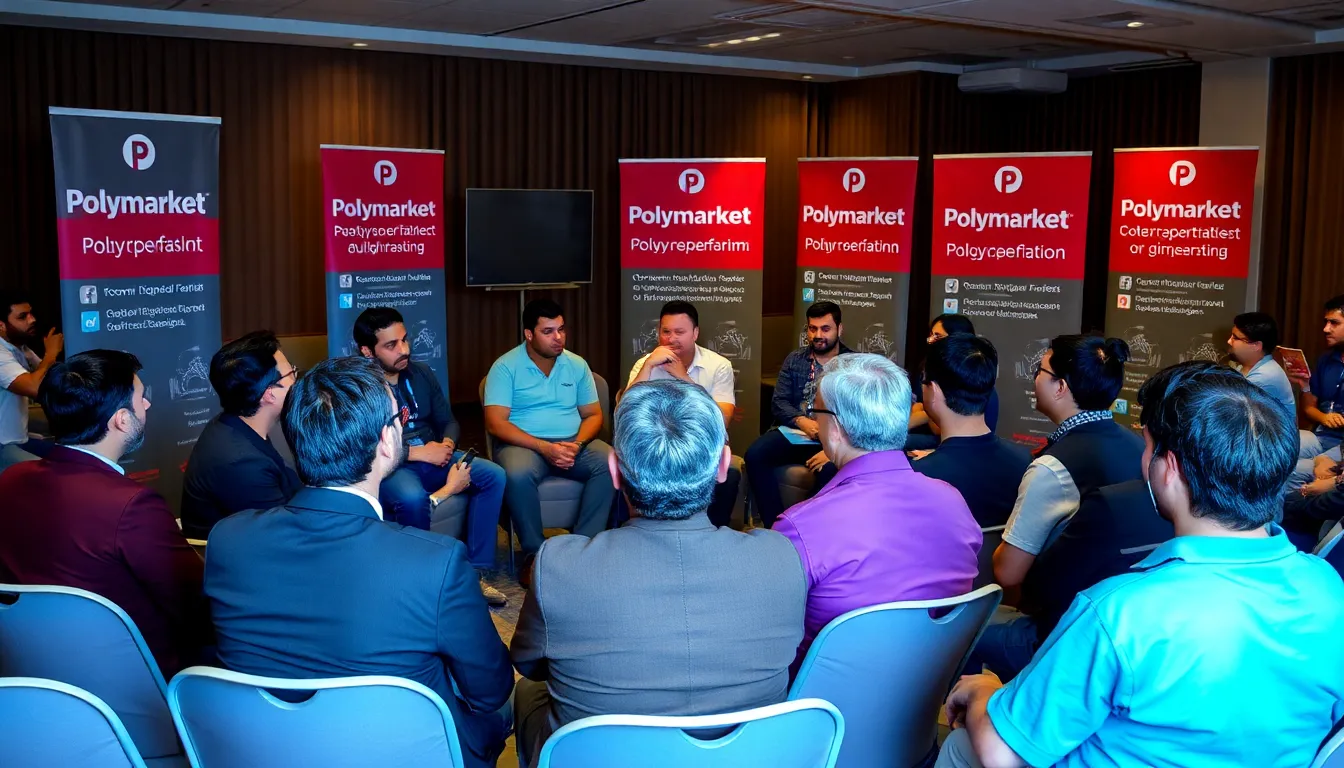
Users of Polymarket are primarily interested in accessing accurate information and making informed decisions based on the outcomes of various events. However, the presence of false information can lead to misguided trades and financial losses. This creates a conflict between the platform’s marketing claims and the reality of user experiences, as the misinformation undermines trust in the platform.
- Regulatory scrutiny: As a prediction market, Polymarket operates in a gray area of legality, which attracts the attention of regulatory bodies concerned with gambling laws and market manipulation.
- Economic implications: The platform’s ability to function effectively depends on user trust and the accuracy of information, impacting its long-term viability and profitability.
- Public perception: The spread of falsehoods can damage the platform’s reputation, leading to a decline in user engagement and potential backlash from advocacy groups.
In this complex environment, the interplay between these stakeholders presents significant challenges and opportunities. The resolution of these issues will likely shape the future of Polymarket and similar platforms, influencing how they are regulated and perceived in the marketplace.
The Effects of Misinformation on Users and the Market
The rise of misinformation on platforms like Polymarket has significant implications for various groups, including casual users, investors, and policymakers. These stakeholders are directly affected by the accuracy of the information disseminated on such platforms, as decisions based on falsehoods can lead to misguided actions and investments.
In the short term, users may experience confusion and disillusionment, leading to decreased trust in prediction markets. This erosion of trust can affect user engagement, which is crucial for the platform’s sustainability. For businesses and investors, misinformation can skew market predictions and lead to financial losses. The immediate impact may manifest in volatile market behavior and a lack of reliable data for decision-making.
In the mid-term, the consequences of misinformation may extend to regulatory scrutiny and potential policy changes. As public awareness of the issue grows, there may be calls for increased oversight of prediction markets to ensure transparency and accountability. This could lead to new regulations that could either stifle innovation or create a more secure environment for users.

- Risks: Erosion of user trust, financial losses, market volatility.
- Opportunities: Demand for better verification systems, potential for regulatory improvements, increased focus on data integrity.
Regions with a high concentration of tech-savvy individuals and investors are particularly vulnerable to the effects of misinformation. The influence of social media can amplify false narratives, creating a ripple effect that impacts broader economic and social landscapes. As users become more aware of the risks, there may be a shift towards platforms that prioritize truth and verification, paving the way for new business models focused on reliability.
A: Polymarket is a decentralized prediction market platform where users can bet on the outcomes of various events. It aims to provide insights based on collective knowledge. A: Critics argue that Polymarket’s social media accounts often share misleading information, which undermines its claim of dealing in truth. This raises questions about the platform’s integrity. A: Misinformation can lead users to make poor betting decisions, potentially resulting in financial losses. It also damages the overall trust in the platform. A: Polymarket has indicated it is working on improving content moderation and increasing transparency in its communications to combat misinformation. A: Polymarket operates in a somewhat grey area of regulation, as prediction markets are not fully regulated in many jurisdictions, leading to various legal concerns.
Frequently Asked Questions About Polymarket
Looking Ahead: Key Takeaways and Future Implications
The ongoing challenges faced by Polymarket highlight the complexities of truth and misinformation in digital marketplaces. As users increasingly rely on these platforms for information, the disparity between claimed integrity and actual content raises critical questions about accountability and trust. The implications for both users and the broader market landscape are significant, suggesting a need for improved governance and transparency in prediction markets.
Furthermore, the dynamics of social feeds and user-generated content necessitate a careful examination of how misinformation can proliferate and impact decision-making. Stakeholders must remain vigilant as they navigate this evolving environment, which could influence regulatory approaches and user engagement strategies.
- Monitor how Polymarket addresses misinformation in its social feeds and the effectiveness of any implemented measures.
- Observe potential regulatory responses that may arise as authorities look to ensure accountability in prediction markets.
- Consider the implications for user trust and market participation if misinformation continues to be a prevalent issue.
- Evaluate the role of community moderation and user reporting in shaping the quality of content on platforms like Polymarket.
- Stay informed about technological advancements that could enhance transparency and reduce the spread of false information in digital marketplaces.