
El Niño events can lead to increased rainfall in some regions, such as the southern United States and parts of South America, while causing droughts in others, including Australia and Indonesia. As the current El Niño progresses, meteorologists are closely monitoring its potential effects on weather systems worldwide, including the possibility of more severe storms and altered precipitation patterns. Understanding these changes is vital for communities affected by such weather events.
In contrast, La Niña, which is characterized by cooler-than-average sea surface temperatures, has been absent since early 2023. The recent transition from La Niña to El Niño marks a significant shift in climatic conditions, with experts emphasizing the importance of understanding these changes for agriculture, water supply, and disaster preparedness. The last La Niña event lasted from August 2020 to March 2023, highlighting the cyclical nature of these phenomena and their impact on global weather patterns.
Government agencies and climate scientists are increasingly focused on the implications of El Niño for the upcoming winter season. This includes potential impacts on food production, as altered weather patterns can affect crop yields. The ongoing monitoring of this El Niño event is crucial for informing policy decisions and helping communities prepare for the associated risks.
Background on Oceanic and Atmospheric Interactions
El Niño and La Niña are phenomena that arise from complex interactions between the ocean and the atmosphere in the Pacific region. These oscillations are part of a larger climate pattern known as the El Niño-Southern Oscillation (ENSO), which significantly influences global weather patterns. Understanding these phenomena requires a look back at their historical context and the scientific advancements that have shaped our knowledge of them, contributing to better disaster management strategies.
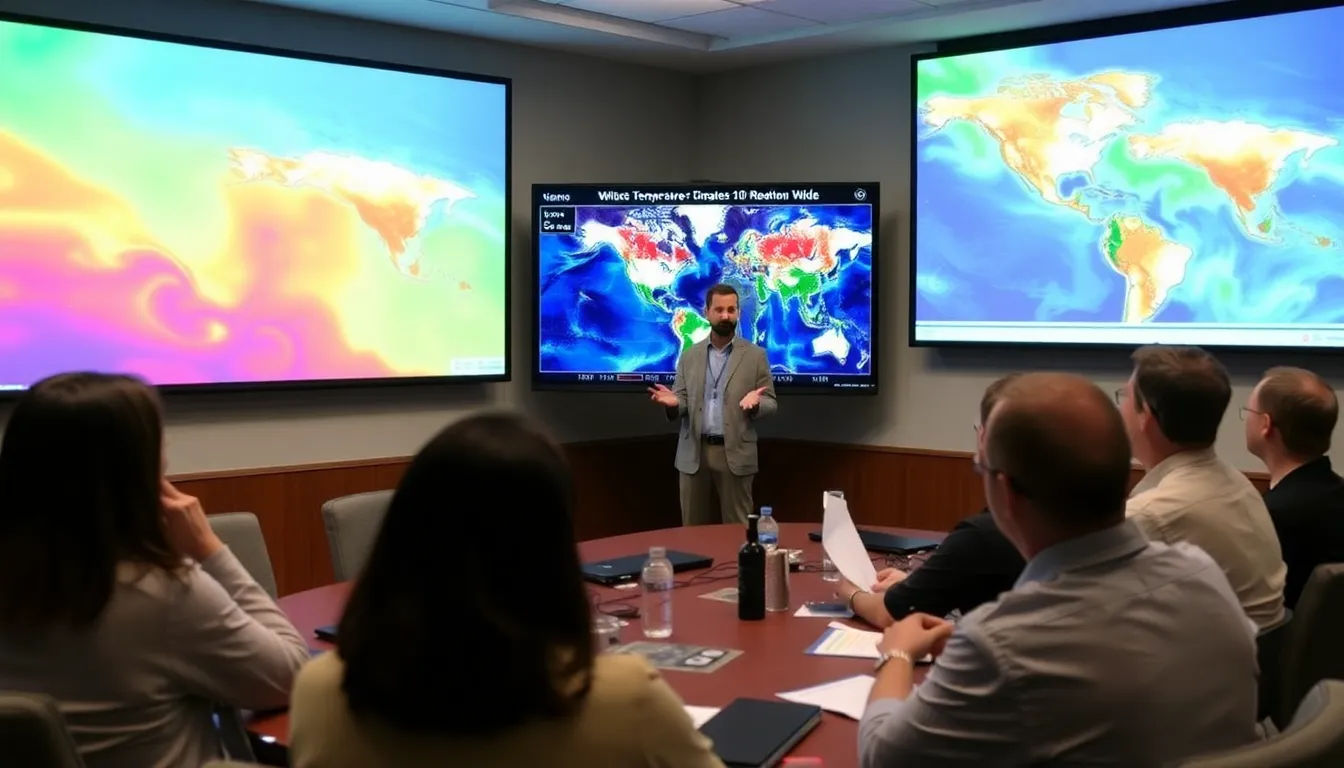
The term “El Niño” was first coined by fishermen off the coast of Peru in the 19th century, referring to the warm ocean currents that appeared around Christmas time. These currents disrupted local fisheries, leading to significant economic impacts. Over the years, scientists began to recognize that these patterns were not isolated incidents but part of a broader climatic cycle that affected weather across the globe, including droughts in Australia and heavy rains in the Americas.
La Niña, the counterpart to El Niño, was identified later, with its effects becoming more apparent in the latter half of the 20th century. It is characterized by cooler ocean temperatures in the central and eastern Pacific, which can lead to opposite weather patterns compared to El Niño. The recognition of these oscillations has been crucial for predicting weather-related disasters, helping governments and communities prepare for extreme events.
Key Milestones in ENSO Research
Significant milestones in the study of El Niño and La Niña include the establishment of the National Oceanic and Atmospheric Administration (NOAA) in the United States in 1970, which enhanced monitoring and research capabilities. The development of advanced satellite technology in the 1980s allowed for better observation of ocean temperatures and currents, leading to improved forecasting models. These advancements have been pivotal in understanding the economic and social impacts of these weather phenomena, particularly in agriculture and disaster management.
Key Stakeholders and Issues Related to Climate Variability
Understanding the phenomena of El Niño and La Niña involves a diverse array of stakeholders, each with their own interests and concerns. These include government agencies, scientific organizations, agricultural sectors, and local communities, all of whom are affected by the fluctuations in weather patterns caused by these climate events.
Government agencies, such as the National Oceanic and Atmospheric Administration (NOAA) in the United States and similar organizations worldwide, play a crucial role in monitoring and predicting El Niño and La Niña events. Their primary interest lies in providing timely and accurate information to mitigate the impacts of these phenomena on public safety and economic stability. Conflicts may arise when the predictions are uncertain, leading to disagreements over resource allocation for disaster preparedness.
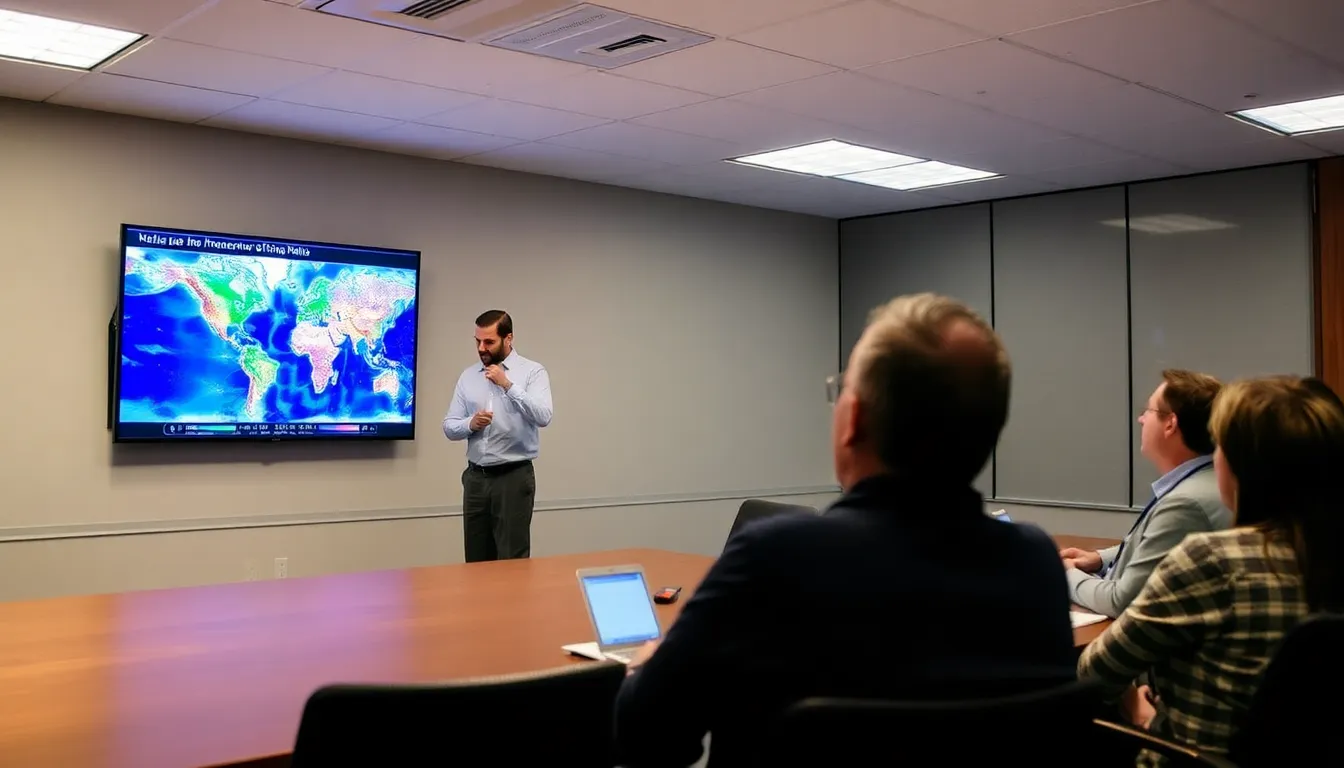
The agricultural sector is another key stakeholder, as El Niño and La Niña can significantly affect crop yields and food security. Farmers may face trade-offs between planting schedules and the risk of adverse weather conditions. For instance, during an El Niño event, increased rainfall in some regions can lead to flooding, while La Niña may result in droughts in others. This unpredictability creates challenges for agricultural planning and market stability.
- Economic Impacts: Fluctuations in weather can lead to significant economic losses for industries reliant on stable climate conditions.
- Environmental Concerns: Changes in weather patterns can exacerbate issues such as soil erosion, habitat loss, and biodiversity decline.
- Community Resilience: Local communities often bear the brunt of climate variability, highlighting the need for effective adaptation strategies.
- International Cooperation: Global collaboration is essential for sharing data and resources to manage the impacts of these climatic events.
Moreover, scientific organizations and researchers are invested in understanding the underlying mechanisms of El Niño and La Niña. Their research aims to improve predictive models, which can help stakeholders make informed decisions. However, the complexity of climate systems means that there is often a gap between scientific knowledge and public understanding, leading to potential conflicts in how information is communicated and acted upon.
Impact of El Niño and La Niña on Global Weather Patterns
El Niño and La Niña significantly influence weather patterns across the globe, affecting various groups, industries, and regions. These phenomena can lead to drastic changes in precipitation, temperature, and storm activities, impacting agriculture, water supply, and disaster management. Understanding who is affected is crucial for mitigating risks and seizing opportunities.
Regions such as Southeast Asia, Australia, and parts of South America frequently experience the most pronounced effects. For instance, El Niño can lead to droughts in Indonesia and heavy rainfall in the western coast of South America. Conversely, La Niña often brings wetter conditions to Southeast Asia and drier weather to the eastern Pacific. This geographical impact highlights the need for regional preparedness strategies.
Industries such as agriculture are particularly vulnerable to the fluctuations caused by these climate patterns. Farmers may face crop failures due to unexpected weather changes, resulting in food shortages and increased prices. However, there are also opportunities for farmers to adapt by choosing more resilient crop varieties or adjusting planting schedules based on predicted weather patterns.

- Short-term impacts: Immediate disruptions in supply chains, increased insurance claims, and emergency responses to extreme weather events.
- Mid-term impacts: Changes in agricultural yields, shifts in market demands, and potential policy adjustments aimed at climate resilience.
In addition to agriculture, sectors like tourism and energy can also feel the effects. Coastal tourism may suffer from increased storm activity during El Niño years, while La Niña can enhance winter sports tourism in certain regions. Energy sectors may need to adjust supply strategies based on changing demand patterns related to temperature extremes.
A: El Niño is a climate pattern characterized by the warming of ocean surface temperatures in the central and eastern Pacific Ocean. This phenomenon can disrupt typical weather patterns across the globe. A: La Niña is the counterpart to El Niño, marked by cooler ocean surface temperatures in the same regions. It often leads to opposite weather effects compared to El Niño. A: Both phenomena can cause significant changes in weather, including altered precipitation patterns, droughts, and floods in various regions worldwide. A: El Niño and La Niña events typically occur every 2 to 7 years, but their frequency and intensity can vary significantly. A: While scientists have developed models to predict these events, forecasting their exact timing and intensity remains challenging due to the complex nature of climate systems. A: El Niño and La Niña can have profound economic impacts, affecting agriculture, fisheries, and disaster management costs due to extreme weather conditions.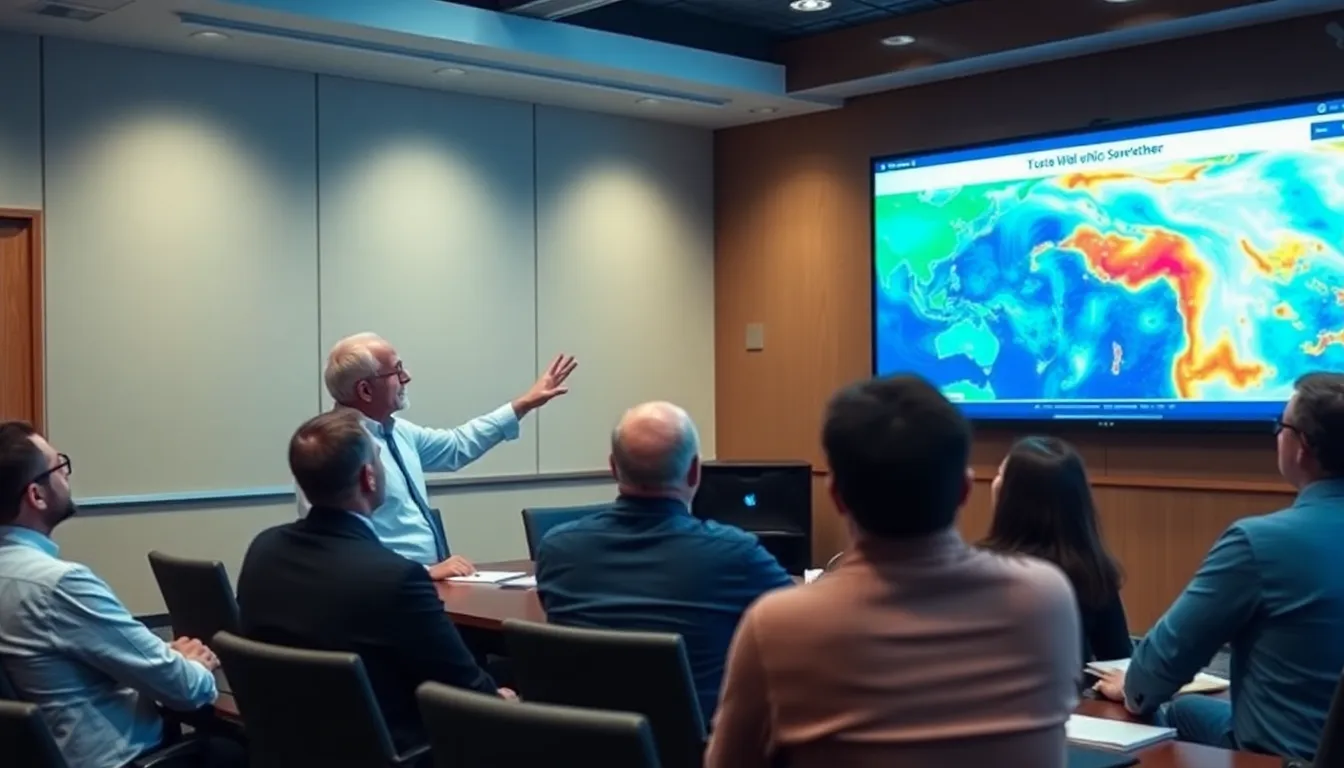
Frequently Asked Questions about El Niño and La Niña
Key Insights and Future Outlook on Climate Patterns
The phenomena of El Niño and La Niña play a crucial role in influencing global weather patterns, affecting everything from precipitation levels to temperature fluctuations. Understanding these complex interactions is essential for anticipating their impacts on agriculture, water resources, and disaster preparedness.
As climate change continues to evolve, the behavior of these patterns may also shift, leading to more extreme weather events. Monitoring their development will be vital for communities and governments alike, ensuring that adaptive measures can be implemented effectively.
- Increased Weather Variability: Expect more unpredictable weather patterns as El Niño and La Niña events become more frequent and intense.
- Agricultural Impacts: Farmers should prepare for changing growing conditions, including altered rainfall patterns and temperature extremes.
- Water Resource Management: Regions dependent on consistent rainfall will need to develop strategies for water conservation and management during extreme phases.
- Disaster Preparedness: Communities should enhance their disaster response plans to address the heightened risks associated with these climate phenomena.