
In the recent elections, several candidates who positioned themselves as reformists and outsiders faced considerable obstacles. For instance, the defeat of MP Srisuwan Janya in the 2023 elections underscored the difficulties these figures encounter when competing against well-entrenched political networks, especially in a context shaped by the challenges of established political affiliations. Despite gaining public support, such candidates often find themselves outmatched by the resources and influence of established parties.
The patronage system in Thailand not only affects electoral outcomes but also shapes policy decisions and governance. Many voters remain loyal to traditional parties due to historical ties and the promise of immediate benefits, such as jobs and services. This reliance on patronage complicates the efforts of political outsiders who advocate for systemic change and transparency.
As political dynamics continue to evolve, the resilience of the established order poses questions about the future of democracy in Thailand. The struggle of political outsiders reflects broader societal issues, including public disillusionment with corruption and calls for reform. The outcome of this ongoing battle will likely influence the direction of Thailand’s political future.
Understanding Thailand’s patronage system and its history
Thailand’s political landscape has long been dominated by a complex patronage system that intertwines politics with business and personal relationships. This system traces its roots back to the absolute monarchy, where power was concentrated in the hands of a few, and loyalty was often rewarded with wealth and influence. The transition to a constitutional monarchy in the early 20th century did little to dismantle these entrenched networks, which evolved but remained influential in shaping political dynamics.
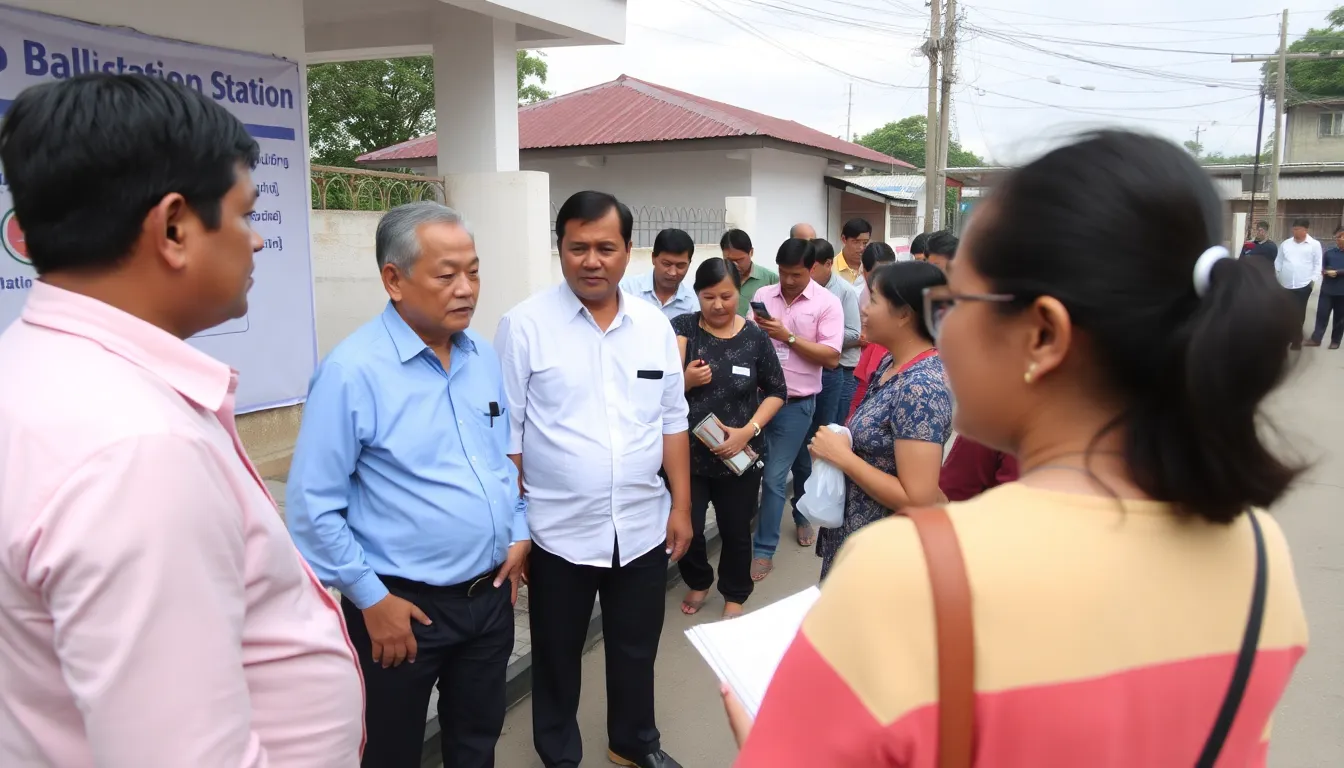
Over the decades, various political parties have emerged, often built around charismatic leaders who wield significant personal influence. The Thai Rak Thai Party, founded by former Prime Minister Thaksin Shinawatra in 1998, exemplifies how a populist leader can capitalize on the patronage system to gain widespread support. Thaksin’s policies, aimed at rural development and healthcare, endeared him to many voters, but his administration also faced accusations of corruption and authoritarianism, leading to his ousting in a military coup in 2006.
The coup marked a significant turning point, as it entrenched military influence in politics and further complicated the patronage system. Successive governments, whether military-led or civilian, have struggled to address the underlying issues of inequality and corruption that plague the system. Political outsiders, like the recently defeated MP, often find themselves at a disadvantage, as they lack the established networks and resources that characterize traditional political players.
The Rise of Political Outsiders
In recent years, a new wave of political outsiders has emerged, challenging the status quo and seeking to disrupt the entrenched patronage networks. These figures often appeal to younger voters disillusioned with traditional politics, advocating for transparency, reform, and a break from the past. However, they face significant hurdles, including systemic resistance from established political factions and the military, which continues to play a crucial role in Thailand’s governance. The struggle of these outsiders highlights the deep-rooted challenges within Thailand’s political system and the ongoing quest for genuine democratic reform.
Key stakeholders and issues surrounding political reform in Thailand
In the landscape of Thai politics, several key stakeholders play crucial roles in the ongoing struggle between political outsiders and the entrenched patronage system. These actors include traditional political parties, emerging political movements, civil society organizations, and influential business groups. Each has distinct interests that shape the dynamics of political reform in the country.
Traditional political parties, such as the Pheu Thai Party and the Democrat Party, are often seen as representatives of the established political order. Their interests lie in maintaining the status quo, which allows them to preserve their power and influence over the political landscape. In contrast, political outsiders, including newly formed parties and independent candidates, advocate for reform and greater transparency, seeking to dismantle the patronage system that has historically benefited a select few.
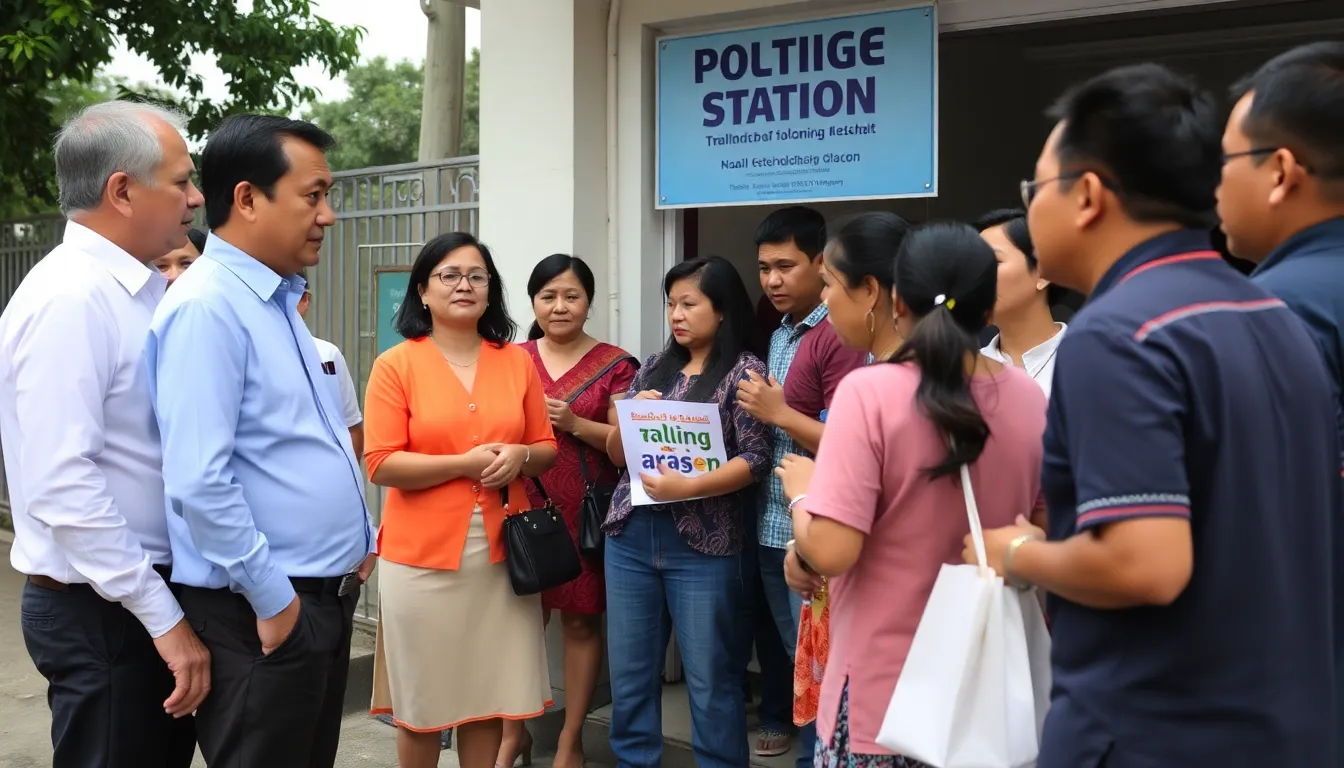
Conflicts arise as these groups vie for public support and political legitimacy. The push for reform by political outsiders often leads to tensions with established parties, resulting in a polarized political environment. Additionally, civil society organizations play a critical role in advocating for democratic principles and human rights, often clashing with government policies that seek to suppress dissent and maintain control.
- Patronage System: The entrenched network of favors and loyalties that benefits certain political elites, making reform challenging.
- Emerging Political Movements: New parties and candidates pushing for change, representing a significant shift in public sentiment.
- Legal Challenges: Ongoing legal battles that political outsiders face, including electoral laws and restrictions on campaign financing.
- Public Sentiment: The changing attitudes of the electorate, particularly among younger voters who demand accountability and transparency.
- International Influence: The role of foreign governments and organizations in promoting democratic reforms and human rights in Thailand.
Economic issues also intersect with the political landscape, as the patronage system often influences resource allocation and economic opportunities. The reliance on patronage can stifle innovation and create barriers for new entrants in the political arena. As political outsiders challenge these norms, they must navigate a complex web of economic interests that may resist change.
The effects of the patronage system on voters and political engagement
The entrenched patronage system in Thailand significantly affects various groups, particularly voters in rural areas, small business owners, and young political activists. These groups often find themselves caught in a cycle where their political engagement is stifled by the overwhelming influence of established political elites who control resources and opportunities.
In the short term, voters may experience a sense of disillusionment and apathy towards the electoral process. As political outsiders struggle to gain traction, many citizens may feel that their votes do not matter, leading to lower voter turnout and engagement. This disengagement can perpetuate the status quo, allowing the powerful patronage system to remain unchallenged.
In the mid-term, the impact on businesses, particularly small and medium enterprises (SMEs), can be significant. These businesses often rely on government contracts and support, which are typically distributed through patronage networks. As political outsiders attempt to disrupt this system, SMEs may face uncertainty regarding their access to resources and support, potentially stunting their growth and innovation.
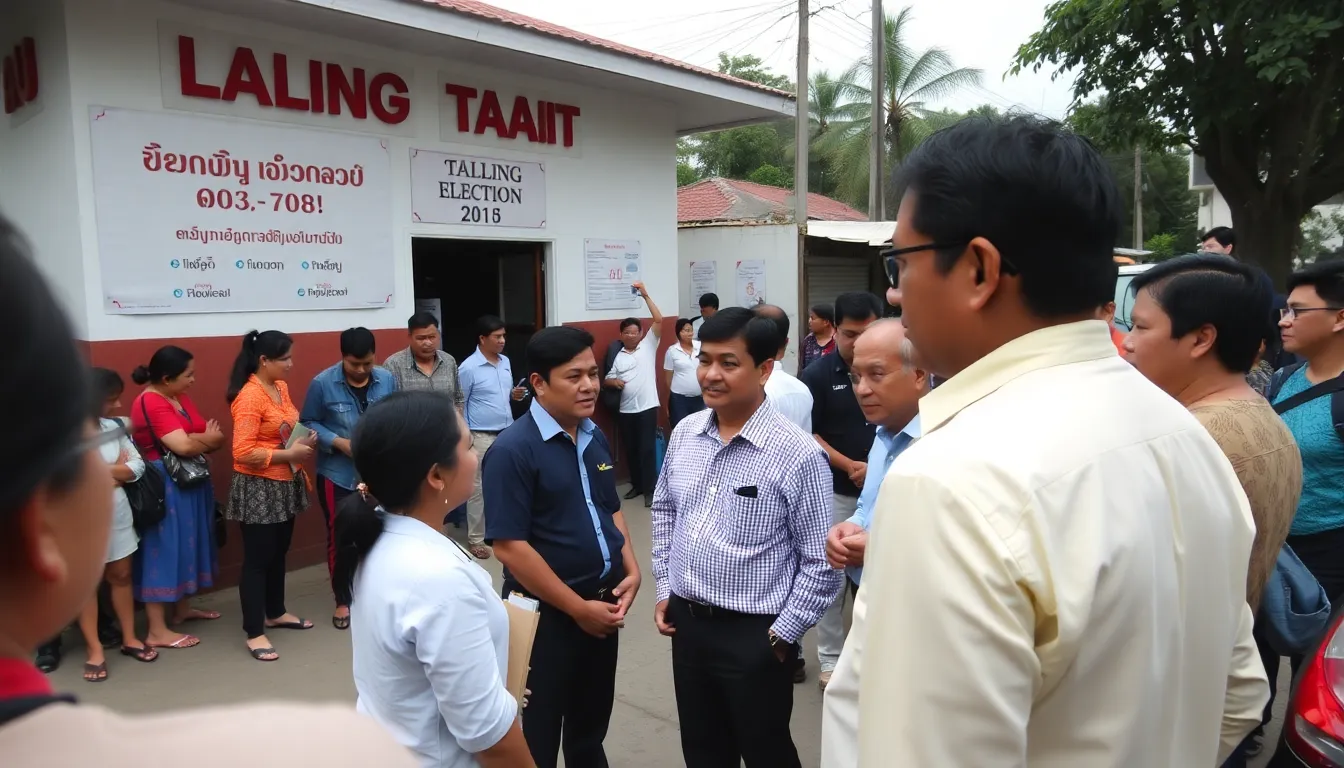
- Risks: Increased political apathy among voters, leading to lower participation in elections.
- Risks: Economic uncertainty for SMEs reliant on government contracts.
- Opportunities: A potential shift towards more transparent and equitable political practices.
- Opportunities: Increased grassroots movements that could empower local communities.
Furthermore, the ongoing struggle against the patronage system may catalyze new political movements, fostering a more engaged and informed electorate. This could lead to a gradual shift in policy-making that prioritizes the needs of the broader population over entrenched interests, ultimately benefiting society as a whole.
A: The patronage system in Thailand refers to a political structure where power and resources are distributed through personal relationships and networks, often leading to corruption and favoritism. A: Political outsiders are candidates and parties that do not belong to the traditional political elite or established parties, often seeking reform and change. A: They face significant hurdles such as lack of funding, media support, and established voter bases, making it difficult to compete against entrenched political players. A: The dominance of the patronage system can lead to voter disenfranchisement, as citizens may feel their choices are limited to established parties. A: While there are calls for reform, the entrenched nature of the patronage system poses significant challenges, making the path to change uncertain.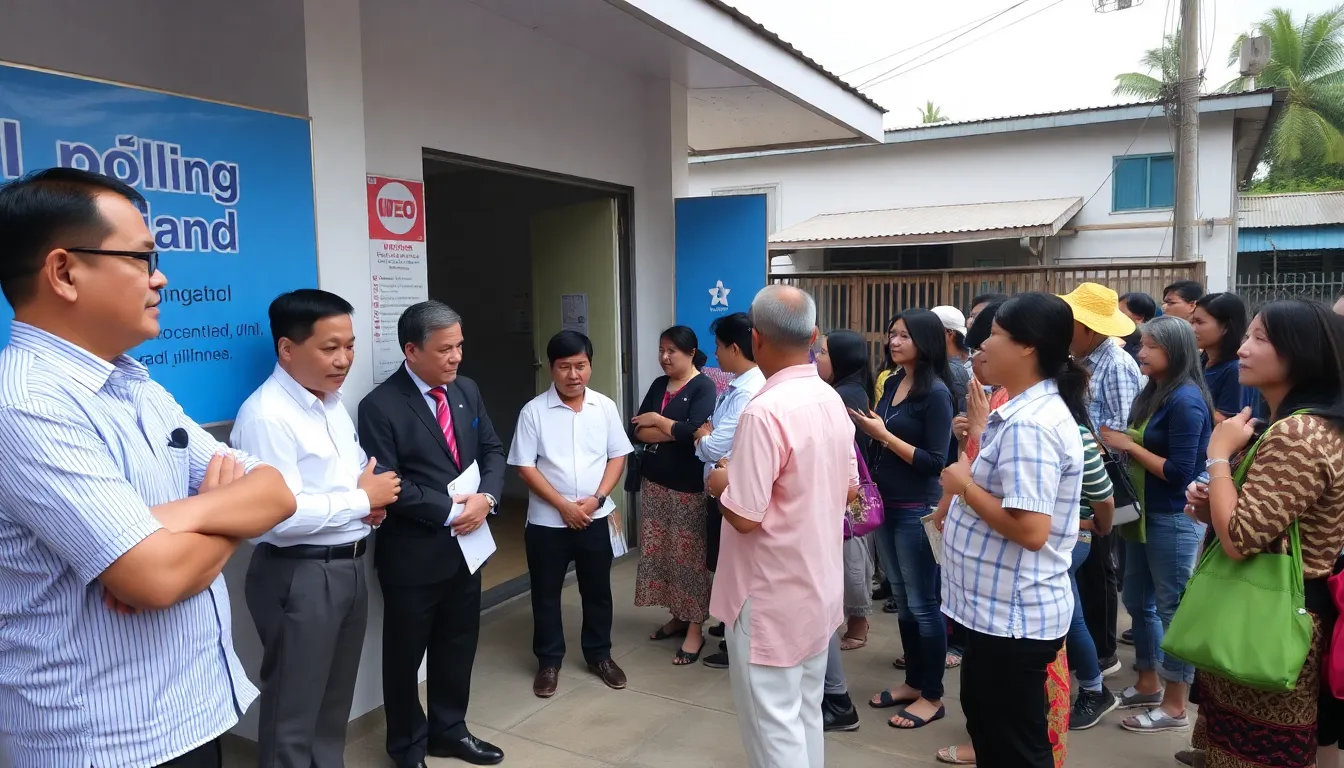
Frequently asked questions about Thailand’s political landscape
Outlook on the future of political reform in Thailand
The struggle of political outsiders against Thailand’s entrenched patronage system highlights the complexities of the nation’s political landscape. As these challengers confront powerful networks, their experiences reveal both the obstacles they face and the potential for change. The resilience of these figures may inspire a new wave of political engagement among citizens who seek reform, signaling a gradual shift in the public’s expectations of governance.
Moving forward, the interplay between traditional power structures and emerging political movements will be crucial to watch. The outcome of this dynamic may determine the trajectory of Thailand’s political reform efforts and the extent to which new leaders can break through the established order.
- Monitor the evolving strategies of political outsiders as they adapt to the challenges posed by the patronage system.
- Observe public sentiment and engagement levels, as increased awareness may lead to greater demand for accountability and reform.
- Assess the role of social media and grassroots movements in amplifying the voices of those advocating for change.
- Keep an eye on potential alliances between traditional parties and reform-minded groups, which could reshape the political landscape.
- Evaluate the impact of international observers and foreign governments on Thailand’s political reform initiatives.