
The anniversary has prompted fans to reflect on their personal experiences with the series, sharing stories of nostalgia and connection. Many recall their first encounters with Pokémon, whether through handheld games like Pokémon Red and Blue or the iconic animated series that introduced Ash Ketchum and Pikachu to audiences.
In recent weeks, various events and promotions have been announced to celebrate this milestone. The Pokémon Company has organized special in-game events across its titles, including Pokémon GO and Pokémon Scarlet and Violet, offering exclusive rewards and limited-time challenges for players.
This anniversary not only highlights the franchise’s enduring popularity but also emphasizes the community it has fostered over the years. Fans have come together to celebrate their shared love for Pokémon, participating in online forums, social media discussions, and fan art showcases that reflect their dedication and passion.
The evolution of Pokémon over three decades
Since its inception in 1996, Pokémon has transcended its origins as a simple video game to become a global phenomenon. Created by Satoshi Tajiri and Ken Sugimori, the franchise began with the release of Pokémon Red and Green in Japan, quickly captivating players with its unique concept of capturing and training creatures. The success of the games paved the way for a multimedia empire that includes animated television series, movies, trading card games, and merchandise.

The late 1990s marked a significant turning point for Pokémon, especially with the launch of the animated series in 1998. The show introduced audiences to Ash Ketchum and his journey to become a Pokémon Master, further solidifying the franchise’s appeal. The combination of engaging storytelling and relatable characters resonated with children and adults alike, creating a dedicated fanbase that has persisted for decades.
Key milestones in Pokémon’s journey
As Pokémon evolved, several key milestones helped shape its trajectory. The release of Pokémon Go in 2016 was a groundbreaking moment, bringing augmented reality to the forefront and encouraging fans to explore their surroundings while catching Pokémon. This innovative approach not only rekindled interest among long-time fans but also attracted a new generation of players, demonstrating the franchise’s adaptability in a rapidly changing digital landscape.
Economically, Pokémon has had a significant impact on the gaming industry and beyond. With billions in revenue generated from video games, merchandise, and media, the franchise has established itself as a powerhouse in entertainment. Socially, it has fostered communities and friendships worldwide, with fans often sharing their experiences through conventions, online forums, and social media platforms, further solidifying the cultural significance of Pokémon.
As Pokémon celebrates its 30th anniversary, the franchise continues to evolve, reflecting the changing tastes and interests of its audience. Fans of all ages share their personal stories of connection to Pokémon, highlighting the series’ role in their lives and the lasting impact it has had on their childhoods and beyond. This enduring legacy showcases the power of storytelling and community in shaping a cultural icon.
Exploring the diverse perspectives of fans
As the Pokémon franchise celebrates its 30th anniversary, a multitude of stakeholders emerge, each with unique interests and perspectives. These stakeholders include long-time fans, new players, game developers, merchandise retailers, and even educational institutions that utilize Pokémon as a learning tool. Understanding their viewpoints is essential to grasp the broader implications of the series on culture and society.
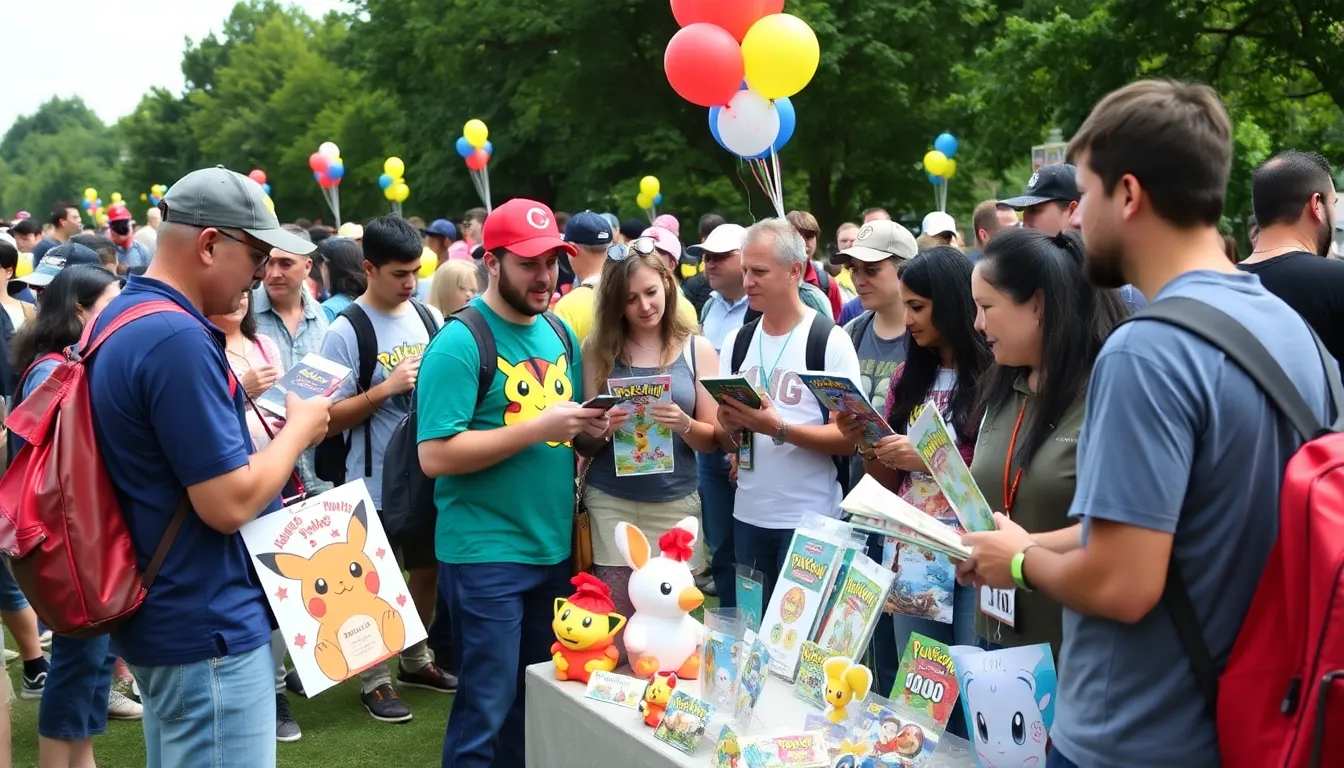
Fans of all ages express a deep emotional connection to Pokémon, often citing nostalgia as a significant factor. For many, the franchise represents childhood memories and a sense of community. This emotional investment drives their ongoing support for new games, movies, and merchandise. However, there is a generational divide, as newer fans may prioritize different aspects, such as competitive play or digital engagement.
Game developers and the parent company, The Pokémon Company, have their interests rooted in commercial success and innovation. They face the challenge of balancing the desires of long-time fans with the need to attract new audiences. This often leads to trade-offs in game design and content, where decisions favoring one group may alienate the other. For example, the introduction of mobile games like Pokémon GO has attracted new players but has also sparked debates about the essence of the franchise.
- Economic implications: The franchise generates billions in revenue, making it a vital part of the entertainment industry.
- Legal considerations: Issues related to intellectual property rights and fan-made content can create tensions between creators and fans.
- Community dynamics: The online fan community often engages in discussions about representation and inclusivity within the franchise.
- Educational impact: Some educators leverage Pokémon to teach concepts in various subjects, highlighting its role beyond entertainment.
In this complex landscape, the interactions among these stakeholders reveal a rich tapestry of interests and conflicts. The ongoing evolution of Pokémon will likely continue to reflect these dynamics, making it a fascinating case study in modern fandom and cultural significance.
How Pokémon has influenced generations of players
Since its inception in 1996, Pokémon has become a cultural phenomenon that transcends age groups, impacting not only children but also adults who grew up with the franchise. Fans from various backgrounds, including gamers, collectors, and casual viewers, have formed a diverse community that celebrates the series’ rich history and ongoing evolution. This community spans across different regions, making Pokémon a global brand with significant cultural relevance.
The gaming industry has seen a substantial boost due to the popularity of Pokémon, leading to increased sales in merchandise, video games, and mobile applications. Companies that create Pokémon-themed products, such as toys and clothing, have also experienced growth, benefiting from the franchise’s enduring appeal. Moreover, the rise of Pokémon GO exemplifies how augmented reality can merge gaming with real-world interactions, creating new business models and opportunities for local economies.

In the short term, the 30th anniversary celebrations are likely to spark renewed interest in the franchise, driving fans to engage with both new and classic content. Events, merchandise releases, and community gatherings will provide a temporary surge in activity, influencing local businesses and tourism in regions hosting such events. However, this excitement may also pose risks, including potential oversaturation of the market and a possible decline in interest if new content fails to meet fan expectations.
In the mid-term, the impact on daily life will be evident as Pokémon continues to shape social interactions, especially among fans who connect through various platforms. This could lead to shifts in consumer behavior, with more individuals seeking experiences related to the franchise, such as themed cafes or conventions. Additionally, educational institutions may explore incorporating Pokémon into their curricula, using the franchise to engage students in learning through gamification.
- Increased economic activity: Boost in sales for businesses related to Pokémon merchandise and events.
- Community building: Strengthening of social ties among fans through shared interests.
- Innovation in gaming: Opportunities for new technologies and gaming experiences to emerge.
- Potential market risks: Oversaturation and declining interest if new offerings do not resonate.
A: Many fans express that Pokémon has been a source of friendship, inspiration, and creativity throughout their lives. A: Fans often share stories of childhood adventures, trading cards, and bonding over games with friends and family. A: The franchise’s ability to evolve while maintaining its core values resonates deeply with fans, creating lasting emotional ties. A: With ongoing game releases and new media adaptations, fans are excited about the continued growth and innovation of the franchise.
Frequently asked questions about Pokémon’s legacy
Key takeaways and future outlook for Pokémon
The enduring legacy of Pokémon over the past 30 years highlights its profound impact on fans across generations. As the series continues to evolve, it remains a vital part of many individuals’ lives, fostering connections and shared experiences that transcend age and culture. The insights gathered from fans reveal a deep emotional investment in the franchise, suggesting that its future will likely build upon these personal connections while exploring new avenues for engagement.
Looking ahead, the Pokémon brand is poised to maintain its relevance by embracing innovation and community-building. As it navigates the challenges of a rapidly changing entertainment landscape, the series can leverage its rich history and dedicated fanbase to forge new experiences that resonate with both longtime enthusiasts and newcomers alike.
- Emotional connection: Pokémon’s ability to evoke nostalgia and personal stories will continue to be a key driver of its popularity.
- Community engagement: The franchise’s focus on fostering community through events and collaborations will enhance its appeal.
- Innovation in gameplay: Future games and adaptations are expected to incorporate cutting-edge technology and new storytelling methods.
- Diversity of content: Expanding into various media formats, including streaming and merchandise, will keep the brand fresh and accessible.
- Global reach: Pokémon’s international presence will likely grow, tapping into emerging markets and diverse cultures.