
In the wake of this attack, Pakistani law enforcement has arrested four individuals, including a man suspected of being the mastermind behind the bombing. These arrests were made in a series of coordinated operations that took place shortly after the explosion, highlighting the urgency of addressing the rising threat of terrorism in the area. For more on the government’s actions, you can read about how Pakistan intensifies actions against Balochistan separatists after unprecedented attacks.
The authorities have stated that the arrested individuals are believed to have connections with local extremist factions. This incident underscores the ongoing challenges faced by security forces in combating militancy, particularly in Khyber Pakhtunkhwa province, where such attacks have surged in recent months.
The Peshawar mosque blast has drawn widespread condemnation, prompting calls for enhanced security measures and a reassessment of counter-terrorism strategies. The incident not only raises concerns about public safety but also reflects the broader instability affecting the region, making it a critical issue for both local and national governance, similar to the targets of extremist groups in other regions as discussed in the article on Venezuela detains allies of Maduro targeted by the U.S..
Background on the mosque blast and its implications
The recent mosque blast in Pakistan has stirred a significant wave of concern and outrage, highlighting the ongoing issues of terrorism and sectarian violence in the region. Historically, Pakistan has been grappling with extremist ideologies that have led to numerous attacks on places of worship, particularly targeting minority sects within Islam. This incident is not an isolated event but rather a continuation of a troubling trend that has plagued the country for decades.

In the past, Pakistan has experienced a series of high-profile attacks that have claimed countless lives, with militant groups often exploiting religious sentiments to justify their actions. The rise of the Taliban and other extremist factions in the early 2000s marked a turning point in the country’s security landscape, as these groups began to target not only governmental institutions but also civilian spaces, including mosques. The implications of such violence extend beyond immediate casualties, fostering an environment of fear and mistrust among different religious communities.
The socio-political landscape
The socio-political landscape in Pakistan is deeply intertwined with its history of military rule and political instability, which has often left power vacuums exploited by extremist groups. Economic challenges, including high unemployment rates and poverty, further exacerbate the situation, as disenfranchised youth become susceptible to radicalization. The government’s struggle to implement effective counter-terrorism strategies has been hampered by political infighting and a lack of cohesive policy-making, allowing extremist narratives to flourish, a reality mirrored in the context of other countries, such as India, where social issues contribute to tragedy, as seen in the recent tragic mine blast in India that claimed at least 18 lives.
Recent arrests, including the alleged mastermind behind the mosque blast, signal a potential shift in the government’s approach to tackling terrorism. However, the effectiveness of these measures remains to be seen, as previous crackdowns have often resulted in temporary relief rather than long-term solutions. The community’s response to such violence also plays a crucial role, as public outrage can lead to increased pressure on the government to take decisive action against those perpetuating such heinous acts.
Key stakeholders and issues surrounding the arrests
The recent arrests following the devastating mosque blast in Pakistan have drawn attention to a complex web of stakeholders involved in the situation. The primary actors include the Pakistani government, law enforcement agencies, local communities, and various militant organizations. Each of these stakeholders has distinct interests and motivations that shape their responses to the incident.
The Pakistani government, under pressure to ensure national security, seeks to demonstrate its commitment to combating terrorism and restoring public safety. This incident presents a challenge to their credibility, as they must navigate the delicate balance between addressing security concerns and upholding civil liberties. Law enforcement agencies are tasked with investigating the blast and apprehending those responsible, which may lead to conflicts with community members who may feel targeted or unfairly treated during the crackdown.
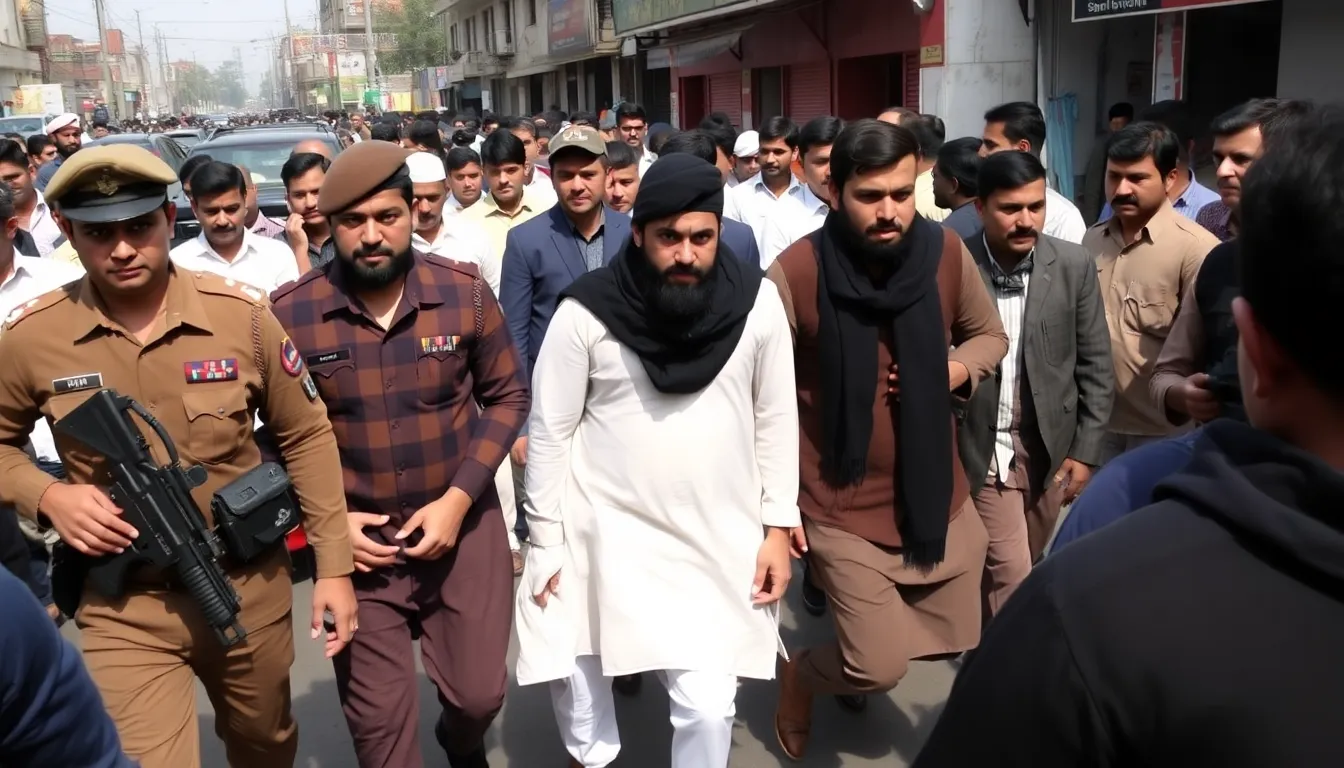
Local communities, particularly those affected by the blast, have a vested interest in seeking justice and accountability. Their concerns may include the need for adequate support for victims and their families, as well as a desire for a transparent investigation. However, tensions can arise if community members perceive the government’s actions as insufficient or overly aggressive, potentially leading to further unrest.
Militant organizations, often operating in the shadows, are also key players in this scenario. Their motivations may include retaliation against state actions, recruitment efforts, or attempts to exploit the chaos for their own agendas. The presence of these groups complicates the security landscape, as the government must contend with both immediate threats and the broader ideological battles at play.
- Government Interests: Maintaining national security and public trust.
- Law Enforcement Challenges: Balancing effective investigation with community relations.
- Community Needs: Seeking justice and support for victims.
- Militant Responses: Potential for increased violence or recruitment efforts.
- Legal Implications: Navigating laws related to counter-terrorism and civil rights.
Impact on local communities and security measures
The recent arrest of the alleged mastermind behind the Pakistan mosque blast has sent shockwaves through local communities, particularly in the affected regions. Residents are grappling with heightened fears of further violence, leading to increased anxiety and a sense of insecurity. The immediate impact is felt most acutely among families of the victims, who are mourning their losses while also facing the uncertainty of safety in their neighborhoods.
In the wake of the attack, local businesses are experiencing a downturn as customers avoid crowded places, including markets and mosques. This has created a ripple effect on various industries, especially those reliant on foot traffic, such as retail and hospitality. The short-term economic impact could lead to layoffs and reduced operating hours as businesses struggle to maintain their customer base amidst the prevailing climate of fear.
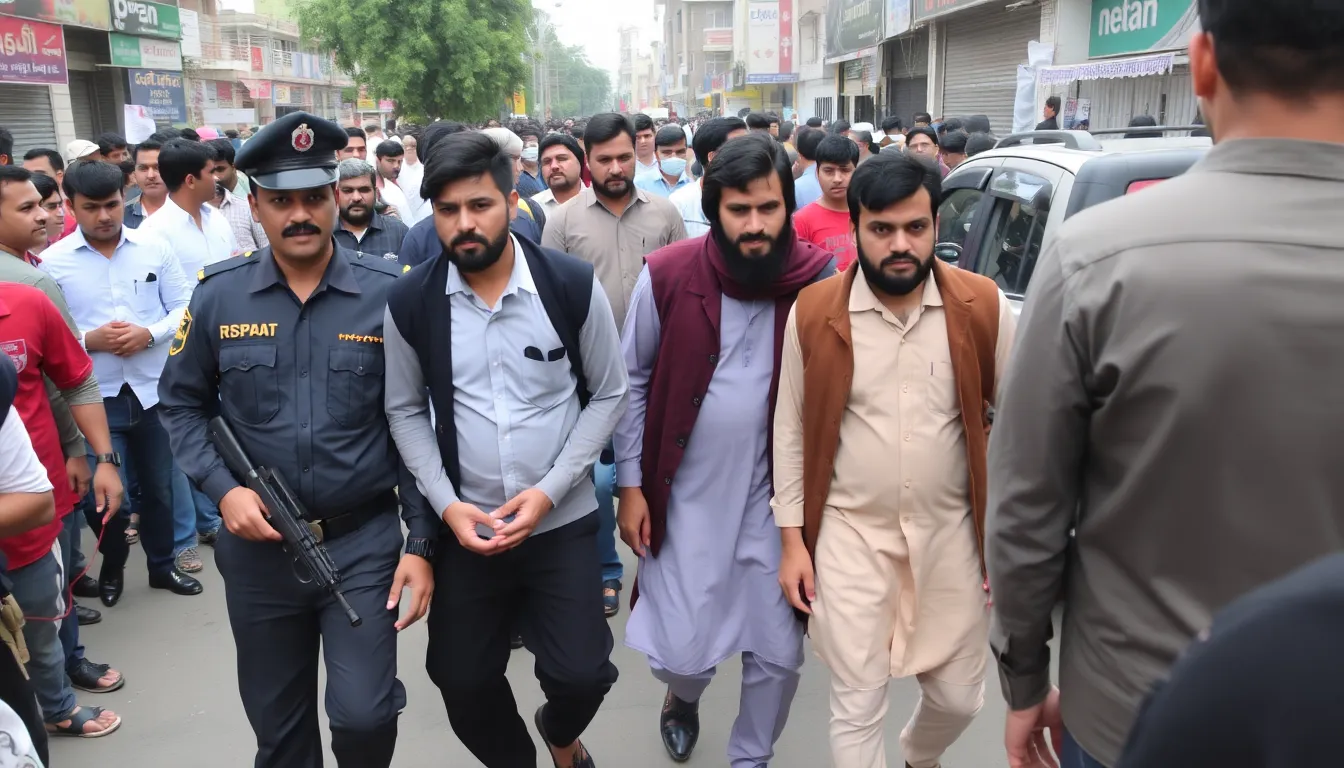
In terms of policy, government responses may include increased security measures in public spaces, which could lead to a more visible law enforcement presence. While this may enhance safety in the short term, it could also result in disruptions to daily life, such as longer wait times and increased scrutiny at checkpoints. Communities may also see a push for more community-oriented policing initiatives aimed at rebuilding trust between law enforcement and residents.
- Increased security presence in public areas.
- Potential economic downturn for local businesses.
- Heightened community anxiety and fear.
- Opportunities for community engagement and resilience-building.
On the flip side, there may be opportunities for community organizations and local leaders to come together to foster resilience and unity among residents. Initiatives aimed at promoting peace and dialogue could emerge, helping to mitigate the long-term effects of trauma and fear. Moreover, businesses might find new ways to innovate and adapt, potentially leading to a stronger local economy in the face of adversity.
A: The mosque blast occurred during a religious gathering, resulting in multiple casualties and injuries. The incident has raised alarms about the security situation in the region. A: Four individuals have been arrested, including one identified as the alleged mastermind behind the attack. Authorities are investigating their connections to extremist groups. A: In response to the blast, local authorities are increasing security measures around places of worship and public gatherings to prevent further incidents. A: The community has expressed shock and grief over the tragedy, with many calling for justice and improved security to protect citizens. A: The government has condemned the attack and pledged to take strong action against those responsible, emphasizing the need for national unity against terrorism.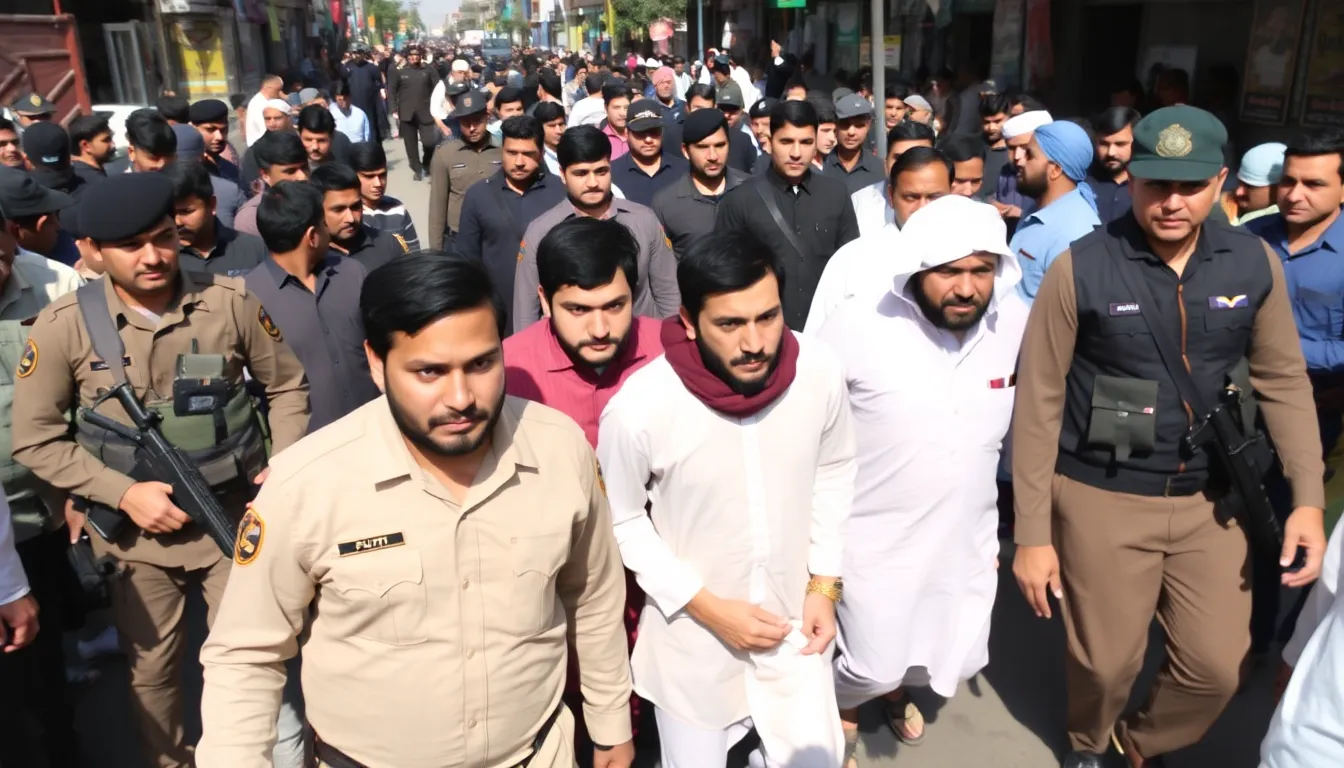
Frequently Asked Questions about the incident
Key takeaways and future outlook on security in Pakistan
The recent arrest of four individuals, including an alleged mastermind behind the devastating mosque blast in Pakistan, highlights the ongoing challenges the country faces in ensuring public safety and combating extremist violence. These developments not only reflect the immediate response of law enforcement agencies but also underscore the need for a comprehensive strategy to address the root causes of terrorism and enhance community resilience.
As authorities continue to investigate and dismantle networks of violence, the implications for security policy and community relations will be significant. Monitoring the evolving security landscape will be crucial for both citizens and policymakers as they navigate the complexities of maintaining peace and stability in the region.
- Heightened Security Measures: Expect increased security protocols in public spaces, particularly places of worship, as authorities seek to prevent further attacks.
- Community Engagement: There may be a push for greater collaboration between law enforcement and local communities to foster trust and gather intelligence on potential threats.
- Policy Reforms: The incident could prompt a reevaluation of existing counter-terrorism policies, leading to new legislative measures aimed at addressing extremist ideologies.
- International Cooperation: Pakistan may seek to strengthen ties with international partners to enhance intelligence sharing and counter-terrorism efforts.