
The explosion was triggered during an operation in which miners were extracting coal from narrow, vertical shafts, commonly referred to as rat-holes. These mines are notorious for their unsafe conditions, and the lack of regulatory oversight has led to repeated accidents over the years, raising questions about the enforcement of mining laws in India. For a deeper understanding of these issues, explore the implications of regulatory failures in various sectors.
Local authorities have launched an investigation into the incident, with rescue operations ongoing to locate any remaining workers who may be trapped. The Meghalaya government has faced criticism for its failure to effectively regulate mining activities, as illegal mining continues to thrive despite the risks involved. This incident emphasizes the need for strict implementation of mining regulations to protect workers.
This tragic event highlights the urgent need for reform in mining regulations and enforcement in India. As the country grapples with balancing economic development and environmental safety, the call for stricter measures to protect workers in hazardous industries has become increasingly pressing.
Understanding the history of rat-hole mining in India
Rat-hole mining, a term used to describe the dangerous and unregulated practice of extracting coal in narrow, vertical shafts, has a long and controversial history in India, particularly in the northeastern state of Meghalaya. This method of mining has been prevalent since the British colonial period, when coal was first discovered in the region. The lack of regulatory oversight allowed miners to exploit the rich coal seams with minimal safety measures, leading to a culture of informal and hazardous mining practices.
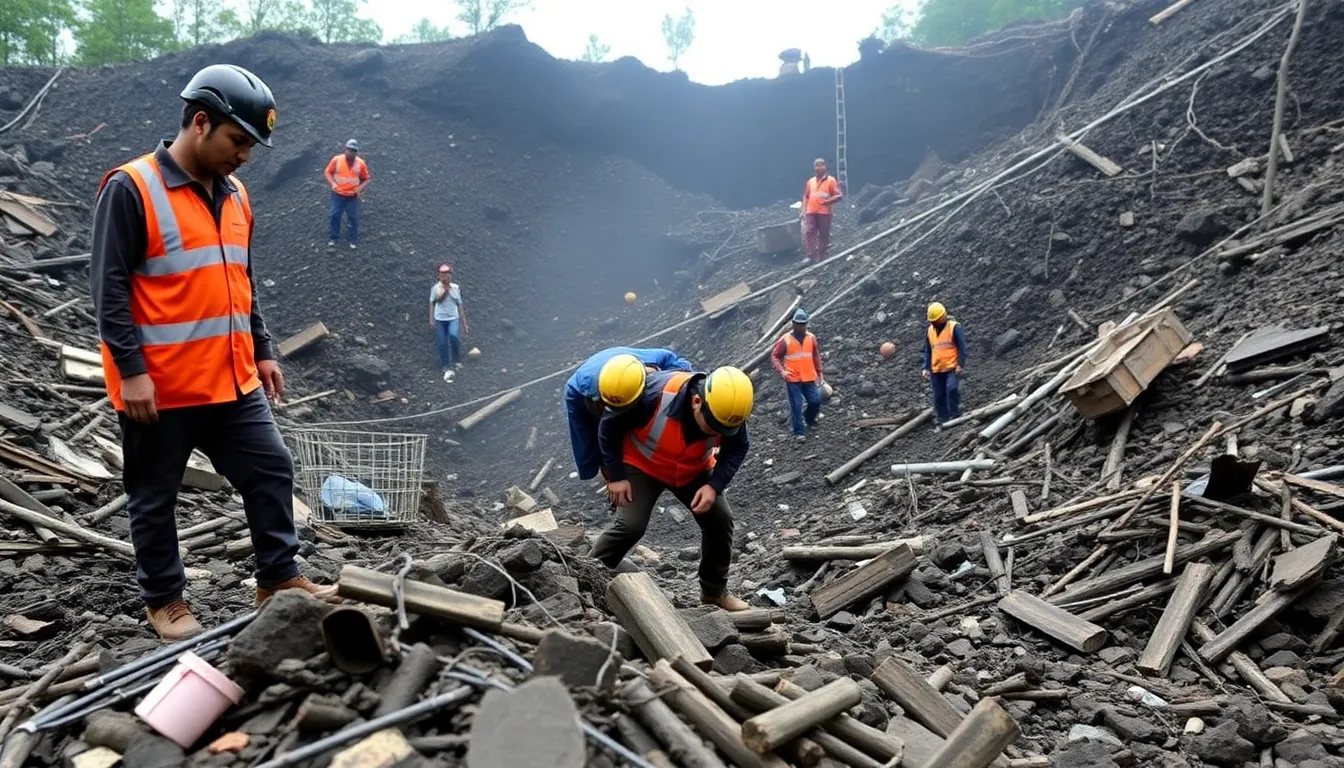
The political landscape in Meghalaya has also played a significant role in the persistence of rat-hole mining. The state government has historically been reluctant to impose strict regulations on this practice, primarily due to the economic dependency on coal mining for local livelihoods. Many families rely on this form of mining for their income, creating a complex web of social and economic factors that complicate efforts to enforce safety standards and environmental protections. As similar challenges arise in other regions, learning from economic dependencies may provide valuable insights.
Over the years, various incidents have highlighted the dangers associated with rat-hole mining. In 2014, a tragic accident in a rat-hole mine claimed the lives of several miners, prompting calls for stricter regulations. However, despite these incidents, the practice continued largely unchecked, with miners often returning to work in unsafe conditions. The recent blast that resulted in the deaths of at least 18 individuals underscores the dire need for comprehensive reforms in the mining sector.
The Economic Impact of Rat-Hole Mining
Economically, rat-hole mining contributes significantly to the local economy, providing jobs and income for thousands of families. However, this short-term economic benefit comes at a high cost, including environmental degradation and the loss of life. The lack of formal employment and safety standards means that many miners work under precarious conditions, often without proper training or equipment. This has led to a cycle of poverty and danger that is difficult to break, as communities remain reliant on this hazardous industry for survival.
Examining the stakeholders involved in mining safety
The tragic incident in India, where at least 18 individuals lost their lives in a ‘rat-hole’ mine blast, highlights the complex web of stakeholders involved in mining operations. These stakeholders include miners, mining companies, local governments, regulatory bodies, and environmental organizations, each with distinct interests and priorities.
Miners, often working under hazardous conditions in unregulated environments, seek job security and fair wages. However, their safety is frequently compromised, as many operate in illegal or unsafe mining practices. Mining companies, on the other hand, prioritize profit maximization and may resist implementing costly safety measures that could reduce operational efficiency.
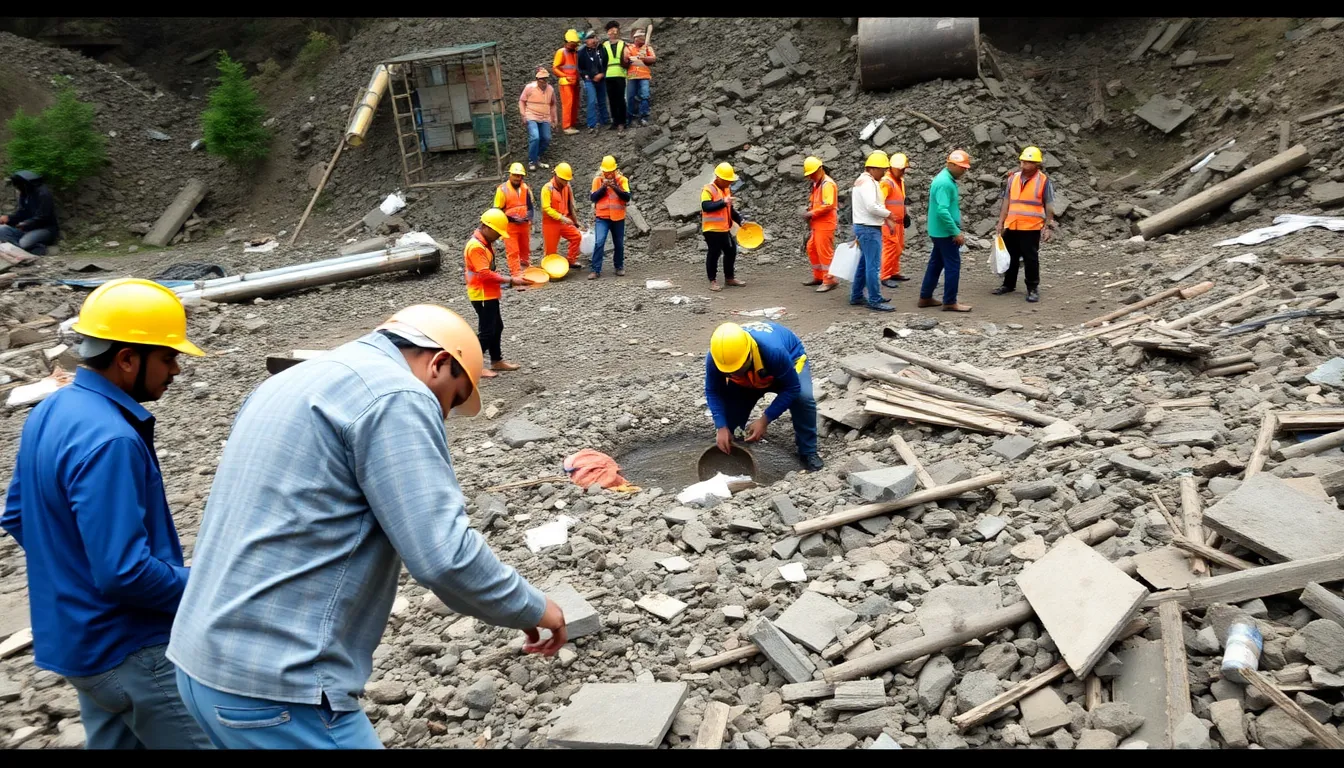
Local governments face the challenge of balancing economic development through mining activities with the need to ensure public safety and environmental protection. They may be pressured by both the mining industry for economic growth and by communities demanding safer working conditions and accountability for mining practices. Regulatory bodies are tasked with enforcing safety standards and regulations but often struggle with limited resources and corruption.
Environmental organizations advocate for sustainable mining practices, emphasizing the long-term ecological impacts of mining activities. They often clash with mining companies and local governments that prioritize immediate economic benefits over environmental concerns.
- Conflicts of Interest: Miners’ safety versus company profits.
- Regulatory Challenges: Enforcement of safety standards amidst corruption.
- Community Pressures: Local demands for safety versus economic incentives from mining.
- Environmental Concerns: Long-term ecological impacts versus short-term economic gains.
- Legal Issues: Liability and accountability for accidents in illegal mining operations.
Assessing the impact on families and local communities
The tragic incident of the mine blast in India has left a profound impact on various groups, particularly the families of the deceased and the local communities dependent on mining for their livelihood. The immediate aftermath has resulted in grief and loss for families who have lost loved ones, with many struggling to cope with the emotional and financial ramifications of such a disaster.
In the short term, the local economy, heavily reliant on the mining industry, faces disruptions. Many workers may be hesitant to return to the mines due to safety concerns, leading to a potential labor shortage. Local businesses that cater to miners and their families, such as shops and services, may experience a decline in revenue as the community grapples with the tragedy.
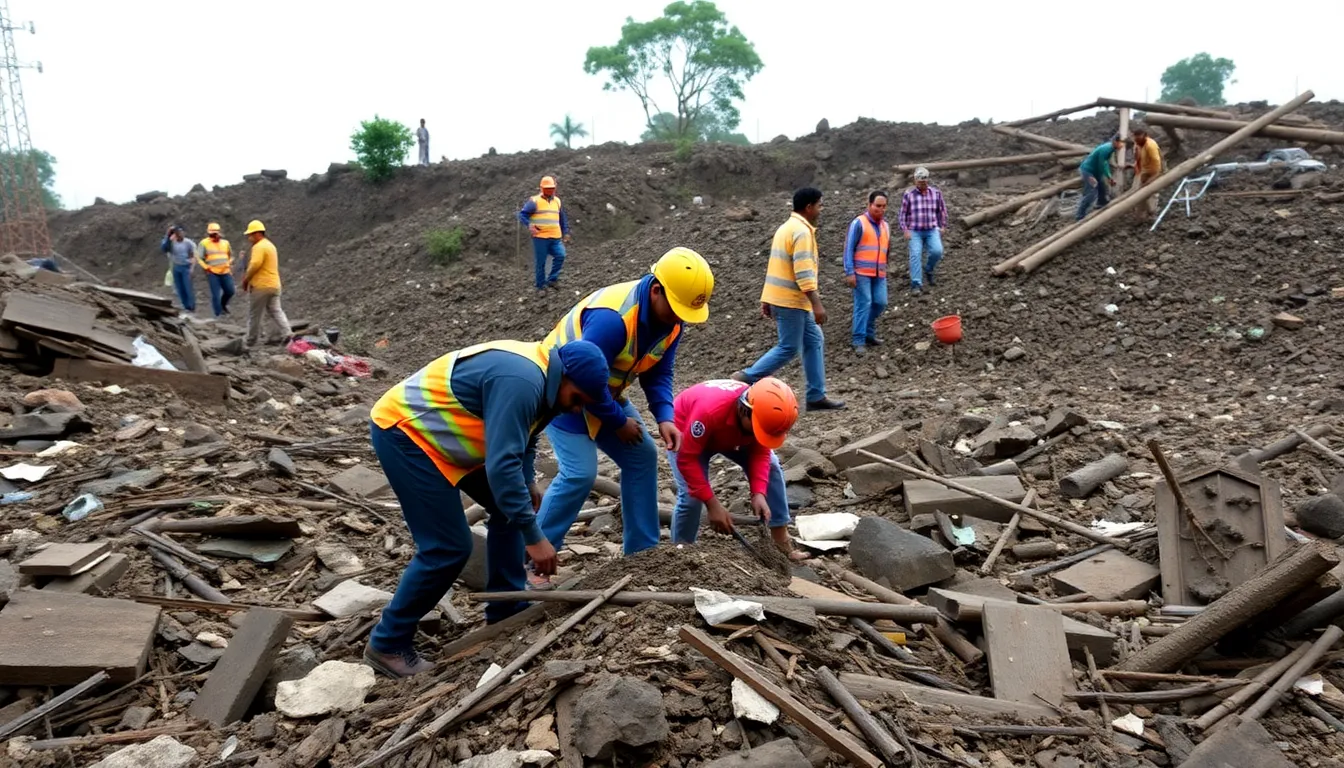
In the mid-term, there could be significant policy implications as government officials and regulatory bodies may be compelled to reevaluate mining safety standards. This could lead to stricter regulations, which may increase operational costs for mining companies but also enhance worker safety. Communities may push for better enforcement of existing laws, reflecting a growing awareness of the dangers associated with ‘rat-hole’ mining.
- Families: Suffering emotional and financial distress.
- Local Businesses: Facing revenue decline and potential closures.
- Mining Industry: Risk of increased regulations and operational costs.
- Policy Changes: Possible reforms in mining safety regulations.
Despite the immediate risks, there may also be opportunities for communities to advocate for safer mining practices and seek alternative livelihoods. This incident could galvanize local and national movements focused on sustainable development, potentially leading to investment in safer and more sustainable industries that could benefit the community in the long run.
A: The exact cause of the mine blast is still under investigation, but it is believed to be linked to unsafe mining practices commonly associated with rat-hole mining. A: Authorities have launched an investigation and are expected to enforce stricter regulations on mining operations to prevent future tragedies. A: Rat-hole mining is a dangerous and unregulated method of mining that involves digging small, narrow tunnels to extract coal, often leading to unsafe conditions. A: Rat-hole mines often employ a significant number of local workers, many of whom are vulnerable and lack proper safety training. A: Improving mining safety in India requires stricter enforcement of regulations, better training for workers, and increased investment in safer mining technologies.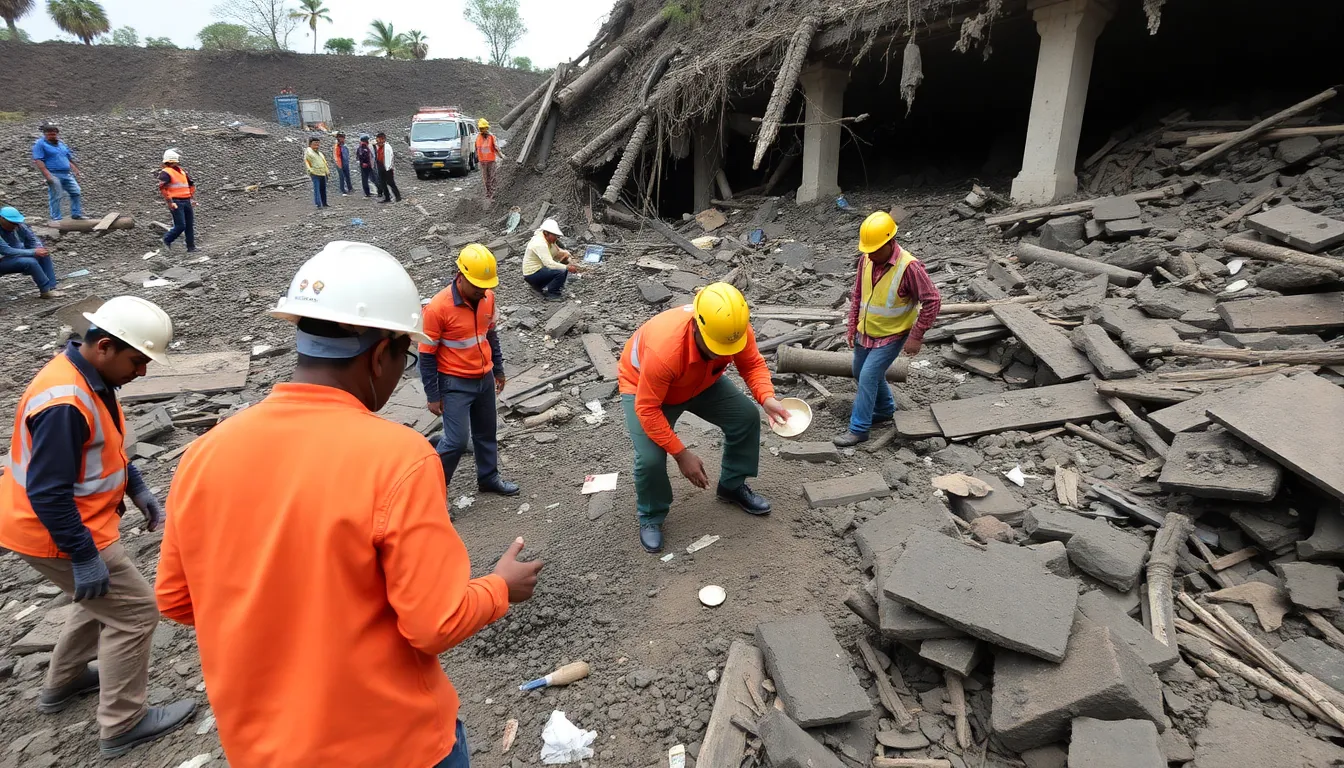
Frequently asked questions about the mine blast
Key takeaways and future outlook on mining safety
The tragic incident in India, where at least 18 lives were lost in a ‘rat-hole’ mine blast, underscores the urgent need for enhanced safety regulations and enforcement in the mining sector. This disaster highlights not only the perilous conditions faced by miners but also the systemic issues that allow such dangerous practices to persist. As the nation grapples with the aftermath, it is imperative to focus on sustainable mining practices that prioritize human safety and environmental protection.
Looking ahead, stakeholders must engage in meaningful dialogue to reform mining policies, ensuring that safety measures are not merely theoretical but effectively implemented. The focus should also shift towards training and equipping miners with the necessary skills to operate safely in hazardous environments.
- Regulatory Reforms: Expect calls for stricter regulations and enforcement in the mining industry to prevent future tragedies.
- Investment in Safety Technology: The adoption of advanced safety technologies and practices could significantly reduce risks in mining operations.
- Community Engagement: Increased involvement of local communities in mining decisions may lead to better safety practices and oversight.
- Focus on Sustainable Practices: There will likely be a push towards sustainable mining practices that consider both worker safety and environmental impact.
- Training Programs: Development of comprehensive training programs for miners to enhance safety awareness and emergency response skills.