
Several factors contribute to this trend, including the political climate in the United States. The Trump administration’s immigration policies, particularly the travel bans and stricter visa regulations, have created an atmosphere of uncertainty for international students. Many prospective students are now reconsidering their options, opting for universities in Canada, the United Kingdom, or within Europe instead. For an overview of how international conflicts affect education, see this article.
Additionally, the global pandemic has reshaped educational priorities and preferences. With the shift to online learning, many students have found that they can access quality education from prestigious institutions without the need to travel abroad. This has further eroded the traditional allure of studying in the United States, as students weigh the risks and benefits of international study.
Moreover, the perception of American universities has been impacted by social and political tensions, including issues related to race, inequality, and campus culture. French students are increasingly aware of these dynamics and may feel that American institutions do not align with their values or aspirations. As a result, the landscape of higher education is evolving, with American universities facing stiff competition from more accessible and culturally aligned alternatives, which is evident in latest updates on current educational trends.
Understanding the political and social backdrop
The allure of American universities has historically been rooted in their global reputation for academic excellence, innovation, and diverse cultural experiences. However, the political landscape in the United States, particularly during and after the Trump administration, has significantly impacted the perception of these institutions abroad, especially in France. Rising nationalism and anti-immigrant sentiments have led to a reevaluation of American values and, consequently, the desirability of American educational opportunities.
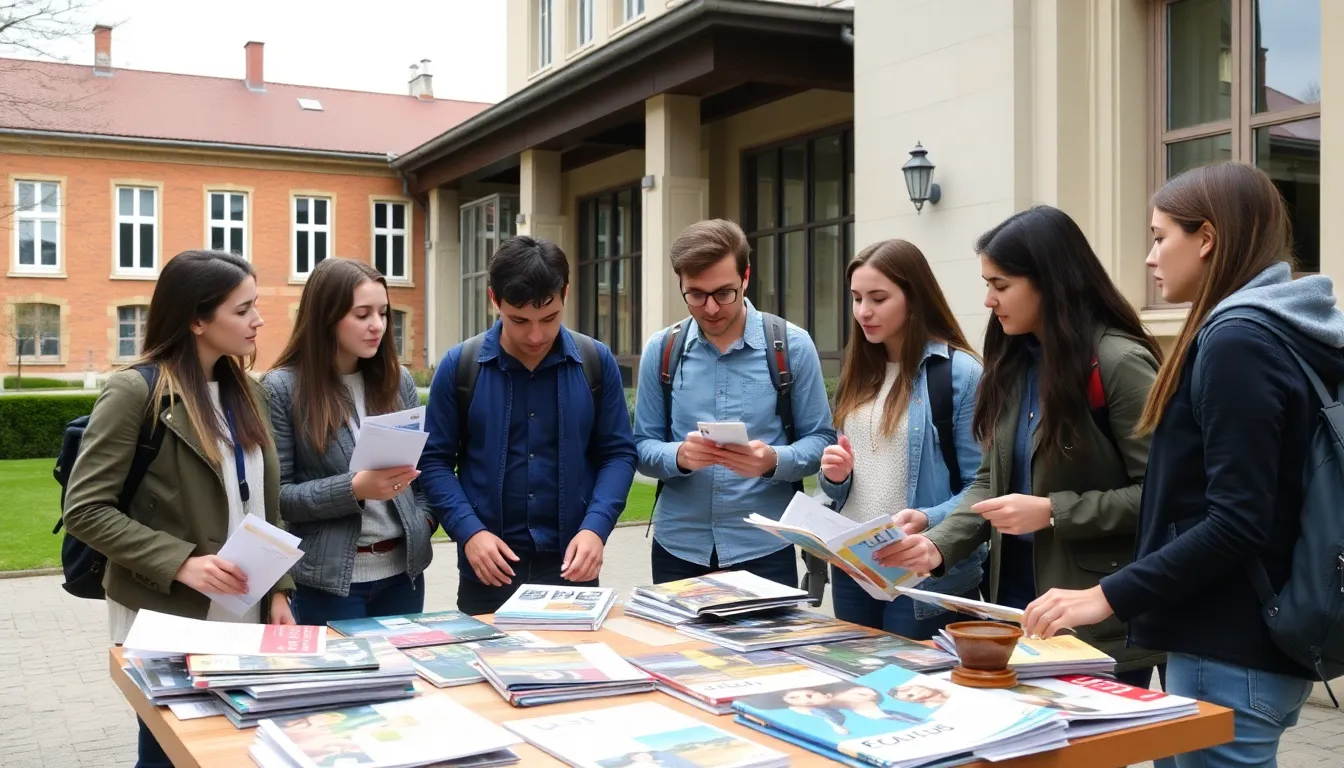
In the years leading up to the Trump presidency, American universities attracted a substantial number of international students, including many from France, who sought not only education but also the cultural exchange that these institutions offered. However, the political climate shifted dramatically with the implementation of travel bans and stricter immigration policies, which fostered an environment of uncertainty and apprehension among potential international students, paralleling the issues discussed in another context.
Key Milestones in Changing Perceptions
Several key events have marked the decline in interest toward American universities. The 2016 election of Donald Trump was a pivotal moment, as his rhetoric often portrayed immigrants and foreign students in a negative light. This was compounded by the global pandemic, which further complicated travel and education logistics, leading many students to reconsider their options. Additionally, the rise of online learning platforms has provided alternative avenues for education, diminishing the necessity of studying abroad.
Moreover, the socio-political climate in France has also influenced this trend. As French universities have increasingly improved their offerings and international collaborations, they have become more appealing to students who might have previously considered American institutions. The combination of these factors has led to a significant decline in applications from French students to American universities, marking a shift in the educational landscape.
As the world continues to navigate the aftermath of the Trump era, the implications for American universities remain profound. The need for these institutions to adapt and respond to changing global perceptions is more pressing than ever, as they seek to restore their status as the preferred destination for international students.
Key stakeholders and issues influencing this trend
The landscape of American universities in France has become increasingly complex in the Trump era, with various stakeholders influencing the perception and allure of these institutions. Key actors include American universities, French students, the French government, and international educational organizations. Each of these groups has distinct interests that shape the current educational environment.
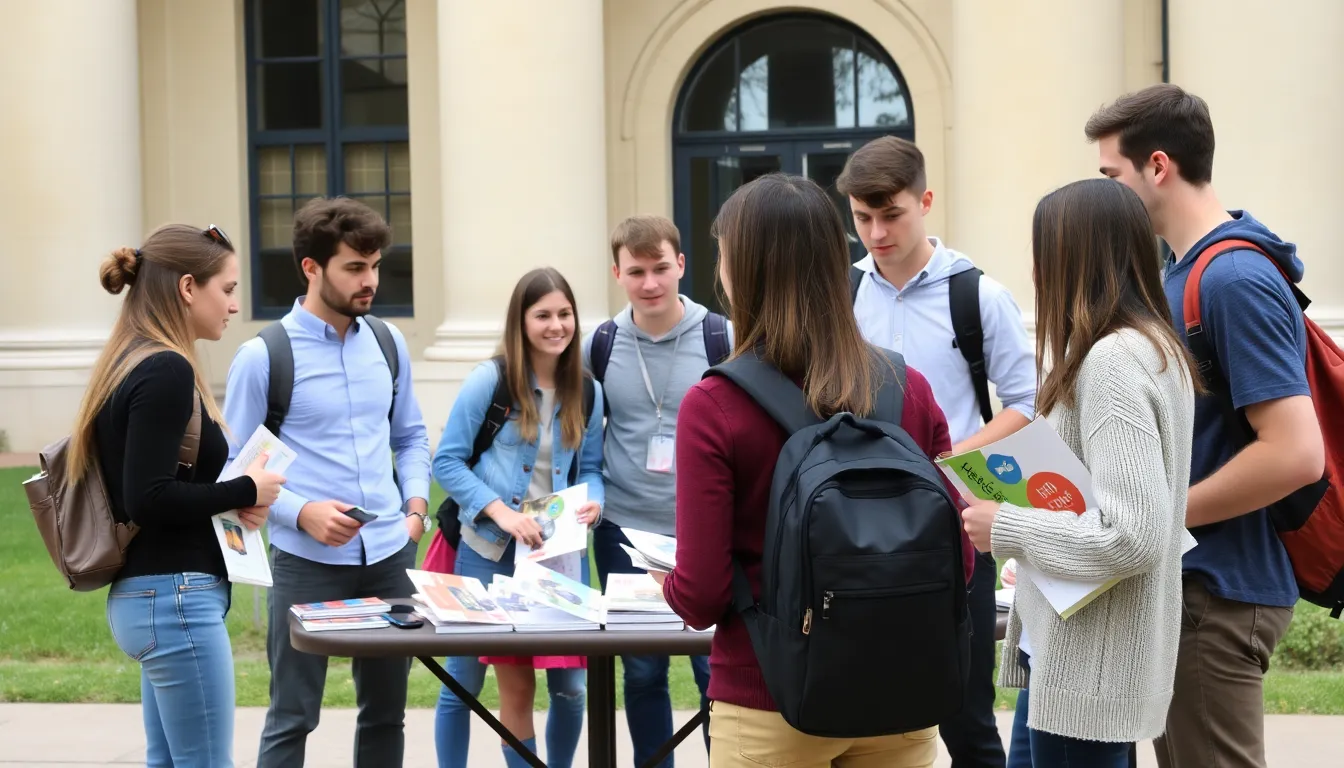
American universities, such as Harvard and Stanford, are keen to attract international students for both financial and reputational reasons. However, the political climate under the Trump administration has led to a decrease in the appeal of studying in the United States for some French students, who may perceive a less welcoming environment. This shift is compounded by concerns over immigration policies and the overall political rhetoric, which may deter potential applicants.
The French government plays a pivotal role in this dynamic, as it seeks to promote its own higher education institutions while also maintaining strong ties with American universities. The government is interested in ensuring that French students have access to quality education, whether domestically or abroad. Additionally, international educational organizations are working to facilitate partnerships and exchanges, but they must navigate the changing attitudes towards American institutions.
- Political climate: The Trump administration’s policies have contributed to a perception of the U.S. as less welcoming.
- Economic factors: Rising tuition and living costs in the U.S. may deter students from seeking education abroad.
- Legal issues: Changes in visa regulations and immigration policies impact students’ ability to study in the U.S.
- Cultural perceptions: Increasing nationalism in both countries may influence students’ choices regarding education.
- Institutional reputation: The prestige of American universities faces challenges as domestic alternatives gain recognition.
As these stakeholders navigate their interests, the interplay of political, economic, and cultural factors will continue to shape the future of American universities in France. Understanding these dynamics is crucial for stakeholders aiming to adapt to this evolving educational landscape.
Who is affected by the changing perceptions of American universities
The shifting perceptions of American universities in France primarily affect prospective students, educational institutions, and the broader academic community. French students considering studying abroad may now weigh their options more cautiously, leading to a decline in applications to American universities. This trend can also impact the reputation of these institutions, which have historically attracted a diverse international student body.
In the short term, the decline in interest from French students may result in decreased enrollment numbers for American universities, particularly in programs that have traditionally seen high levels of French participation. This could lead to financial strains on these institutions, as tuition fees from international students often contribute significantly to their budgets.
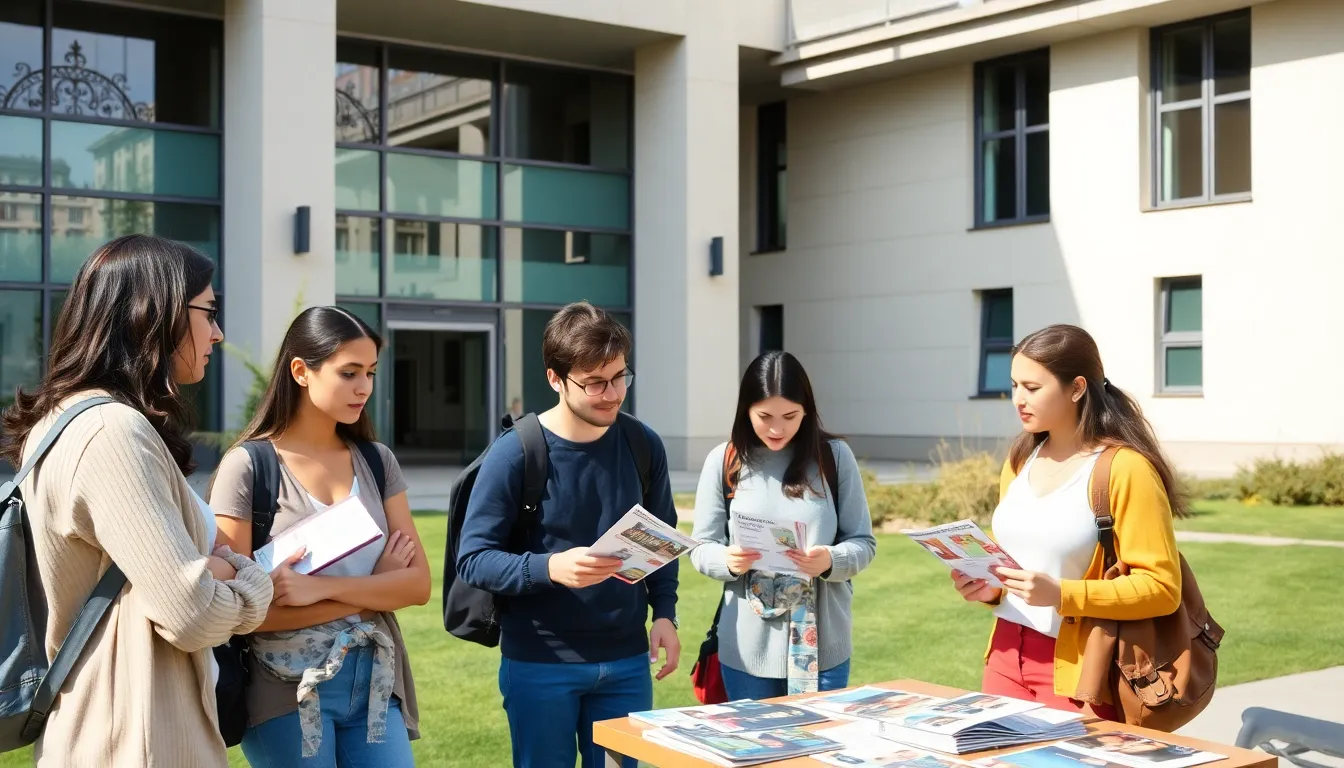
In the mid-term, the implications extend beyond student enrollment. The reduced flow of French students may hinder cultural exchange and collaboration between American and French academic institutions. This could stifle innovation and limit opportunities for joint research projects, ultimately affecting industries reliant on these partnerships, such as technology and healthcare.
- Risks: Declining enrollment, financial strains on universities, reduced cultural exchange.
- Opportunities: Potential growth in domestic programs, increased focus on local partnerships, and alternative international collaborations.
Regions in France with strong ties to American universities, such as Paris and Lyon, may feel the impact more acutely. Local economies that benefit from the influx of international students may see a downturn in sectors such as housing, hospitality, and retail, which cater to the student demographic. Conversely, this shift may encourage French universities to enhance their offerings, potentially leading to a more competitive local education market.
A: The political climate during the Trump era has led to increased skepticism about American values and policies, impacting the perception of American educational institutions. A: Factors include changing political sentiments, cultural differences, and the rise of local educational alternatives that appeal more to French students. A: Yes, primarily French students who are considering higher education options, as well as parents and educators who influence their decisions. A: Many American universities are adapting their outreach strategies and curriculum to better align with the interests and values of French students. A: The decline in appeal may lead to a reduction in international student enrollment from France, affecting the diversity and funding of American universities.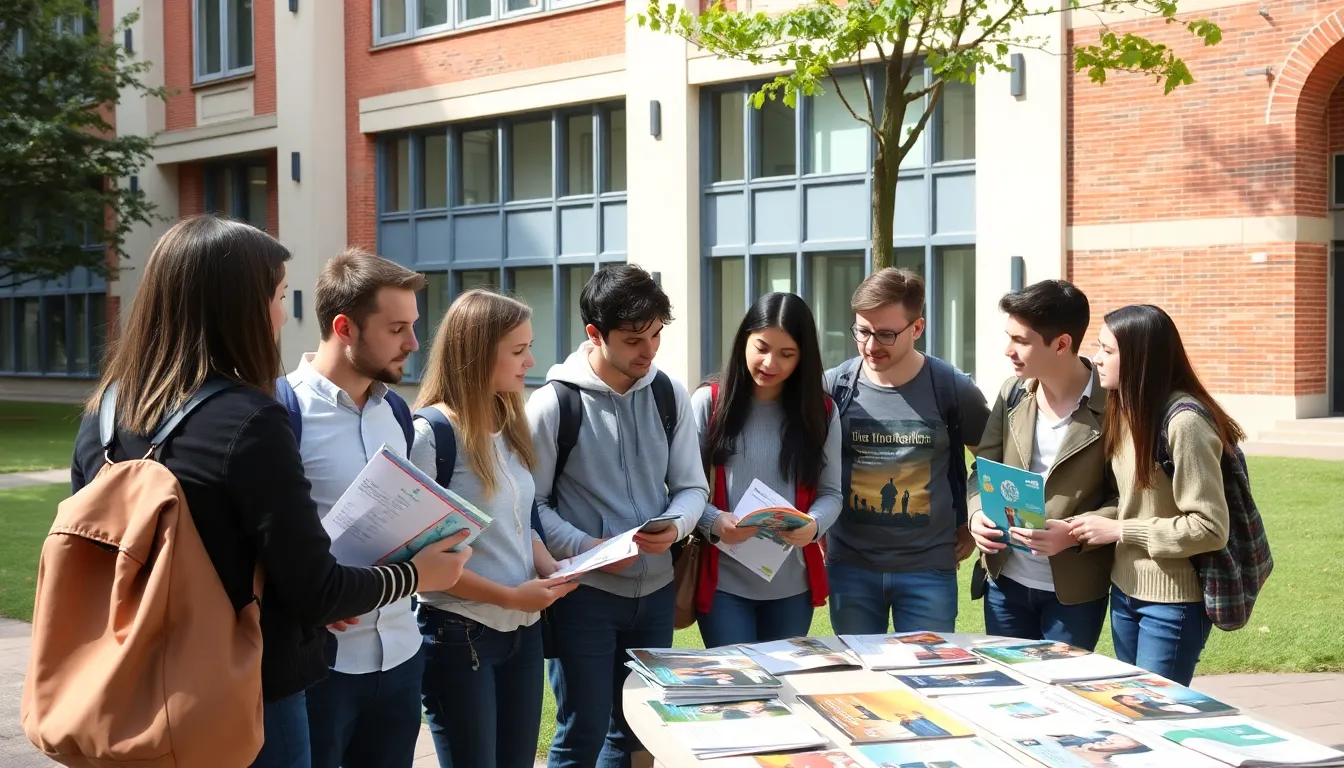
Frequently asked questions about American universities in France
Key insights and future outlook on American universities in France
The shifting perception of American universities in France during the Trump era highlights a complex interplay of political sentiment and educational aspirations. As international students weigh their options, the allure of American institutions may diminish, prompting both students and universities to reassess their strategies and commitments. Understanding these dynamics is crucial for stakeholders in higher education as they navigate an evolving landscape.
Looking ahead, it is essential to monitor how geopolitical factors, cultural exchanges, and domestic policies influence the attractiveness of American universities abroad. The responses from these institutions to the changing perceptions will likely shape their future standing in the global educational market.
- Increased competition from European universities may reshape student choices, emphasizing the need for American institutions to enhance their global appeal.
- Potential shifts in funding and partnerships could arise as universities seek to maintain their international student base amidst changing sentiments.
- Monitoring the impact of U.S. policies on student mobility will be crucial for understanding trends in enrollment and collaboration.
- Engagement with local cultures and communities may become a priority for American universities aiming to rebuild their reputation and relevance in France.