
This delay comes amidst significant changes within the NLC’s organizational structure. Riot Games, the publisher of League of Legends, is reportedly seeking a new operator to oversee the tournament, leading to uncertainty about the league’s future and operational integrity.
The postponement is expected to impact teams and players who have been preparing for the season. With the new dates still to be confirmed, stakeholders are eager for clarity on how the transition will affect their competitive readiness and overall participation in the league.
As the situation develops, the NLC community is watching closely. Fans and players alike are hopeful that the changes will lead to a more stable and engaging tournament experience, but the delay raises questions about the league’s ability to maintain its competitive edge in the rapidly evolving esports landscape.
Understanding the Background of the NLC Spring Split
The Northern League of Legends Championship (NLC) has been a pivotal part of the European esports landscape since its inception. Established to provide a competitive platform for teams in the Nordic and Baltic regions, the NLC has seen various iterations and changes in its operational structure. The postponement of the Spring Split to late April marks a significant moment in its history, reflecting broader trends and challenges within the esports ecosystem. For more insights on major changes in esports, check out this article.
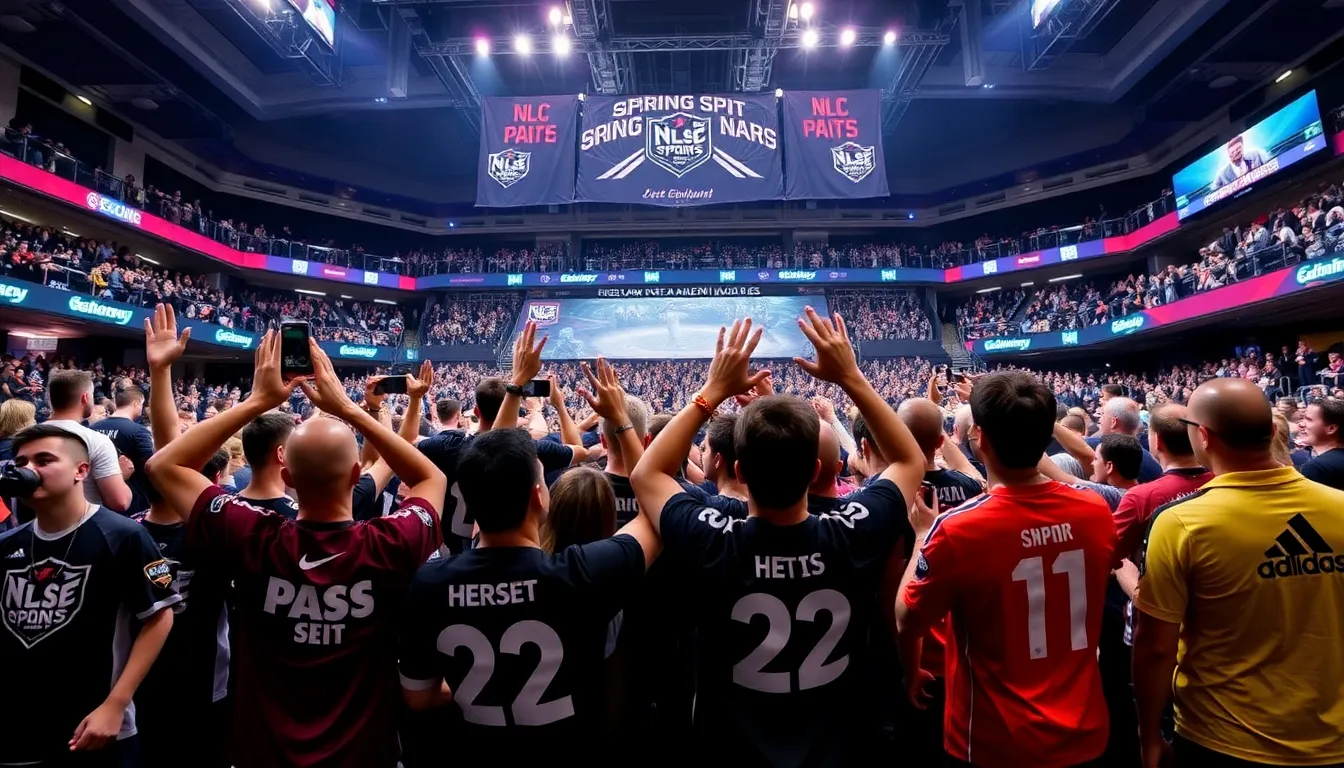
Historically, the NLC has been under the purview of Riot Games, the developer of League of Legends. However, as the esports industry has grown, so too have the complexities of tournament organization. Riot’s decision to seek a new tournament operator comes amid increasing scrutiny over operational efficiency, player satisfaction, and the overall quality of the competitive experience. This shift is not just a logistical change but a response to a rapidly evolving market where fan engagement and production values are paramount.
The Evolution of Esports Tournament Management
In recent years, the esports landscape has witnessed a surge in professionalization, with many leagues and tournaments adopting more structured governance and operational frameworks. The NLC’s postponement can be seen as part of this trend, as Riot aims to align the league with best practices observed in other successful esports competitions. Key milestones, such as the introduction of franchising in major leagues, have set new standards for tournament management, prompting Riot to reassess the NLC’s operational model.
Economically, the shift towards a new tournament operator may also be influenced by the increasing financial stakes involved in esports. With sponsorship deals and media rights becoming more lucrative, the pressure is on to deliver a high-quality product that meets the expectations of both fans and investors. The decision to postpone the Spring Split allows Riot the necessary time to ensure that the new operational structure can support these economic demands effectively.
Ultimately, the postponement of the NLC Spring Split is a reflection of the ongoing evolution within the esports industry. As Riot seeks to enhance the competitive landscape, this moment serves as a reminder of the challenges and opportunities that lie ahead for leagues and tournament organizers alike.
Key Stakeholders and Issues Surrounding the Postponement
The recent decision to postpone the NLC Spring Split to late April has created a ripple effect across various stakeholders involved in the competitive gaming landscape. The primary actors include Riot Games, the tournament operator, the National League of Legends Championship (NLC) teams, and the players themselves, each with distinct interests and concerns regarding the tournament’s future.
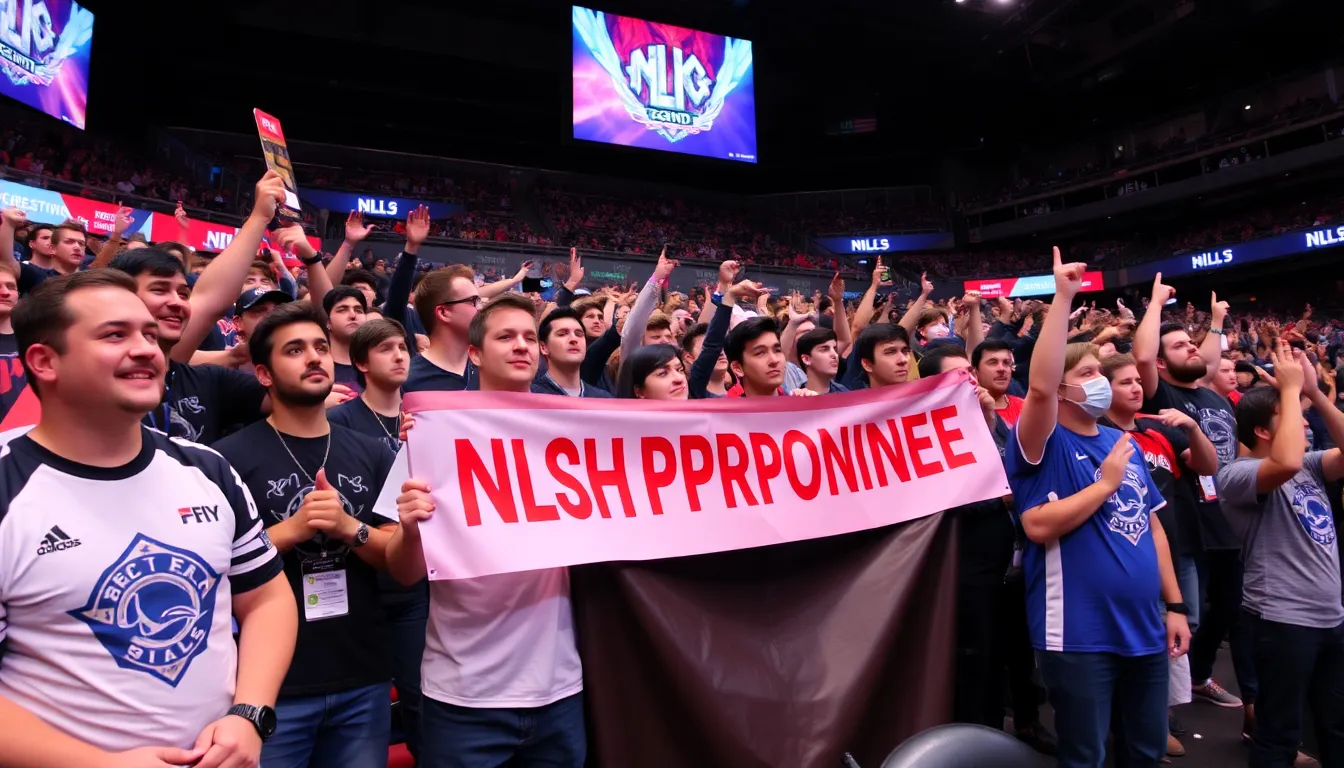
Riot Games, as the publisher and organizer of League of Legends tournaments, aims to ensure a seamless competitive experience while maintaining its brand’s integrity. Their decision to seek a new tournament operator indicates underlying issues with the current management, potentially related to operational effectiveness or financial arrangements. This shift raises questions about the timeline for the tournament and how it will impact team preparations.
Teams participating in the NLC are invested in the tournament’s success not only for competitive reasons but also for financial gain and sponsorship opportunities. The postponement could disrupt their training schedules and affect player morale. Furthermore, teams may face challenges in securing sponsorships if the tournament’s future remains uncertain, which could lead to economic strain.
- Operational Challenges: The transition to a new tournament operator may create logistical issues that could further delay the tournament.
- Financial Implications: Teams may experience a loss of revenue due to the postponement, impacting their budgets and sponsorship deals.
- Player Concerns: Players may face uncertainty regarding their competitive futures, affecting their performance and career decisions.
- Fan Engagement: The delay could lead to decreased fan interest and engagement, which is crucial for the tournament’s success.
- Regulatory Issues: Any changes in tournament management may require compliance with existing regulations, complicating the transition.
In summary, the postponement of the NLC Spring Split not only affects the immediate stakeholders but also has broader implications for the competitive gaming ecosystem. The interplay between operational decisions, financial considerations, and player welfare will be crucial in shaping the tournament’s future and the overall health of the NLC, similar to the evolving landscape discussed in this piece.
Impact on Teams and Players in the NLC
The postponement of the NLC Spring Split to late April affects various stakeholders within the esports ecosystem, including teams, players, and fans. Teams that rely on the competitive schedule for income and exposure will face immediate disruptions. Players, who dedicate significant time and resources to prepare for the season, will experience uncertainty regarding their competitive futures.
In the short term, teams may struggle with financial stability as sponsorship deals and merchandise sales could decline due to the lack of ongoing competition. Fans, too, will feel the impact as they miss out on anticipated matches and the excitement of live events. This disruption may lead to decreased engagement on streaming platforms and social media, affecting overall viewership.
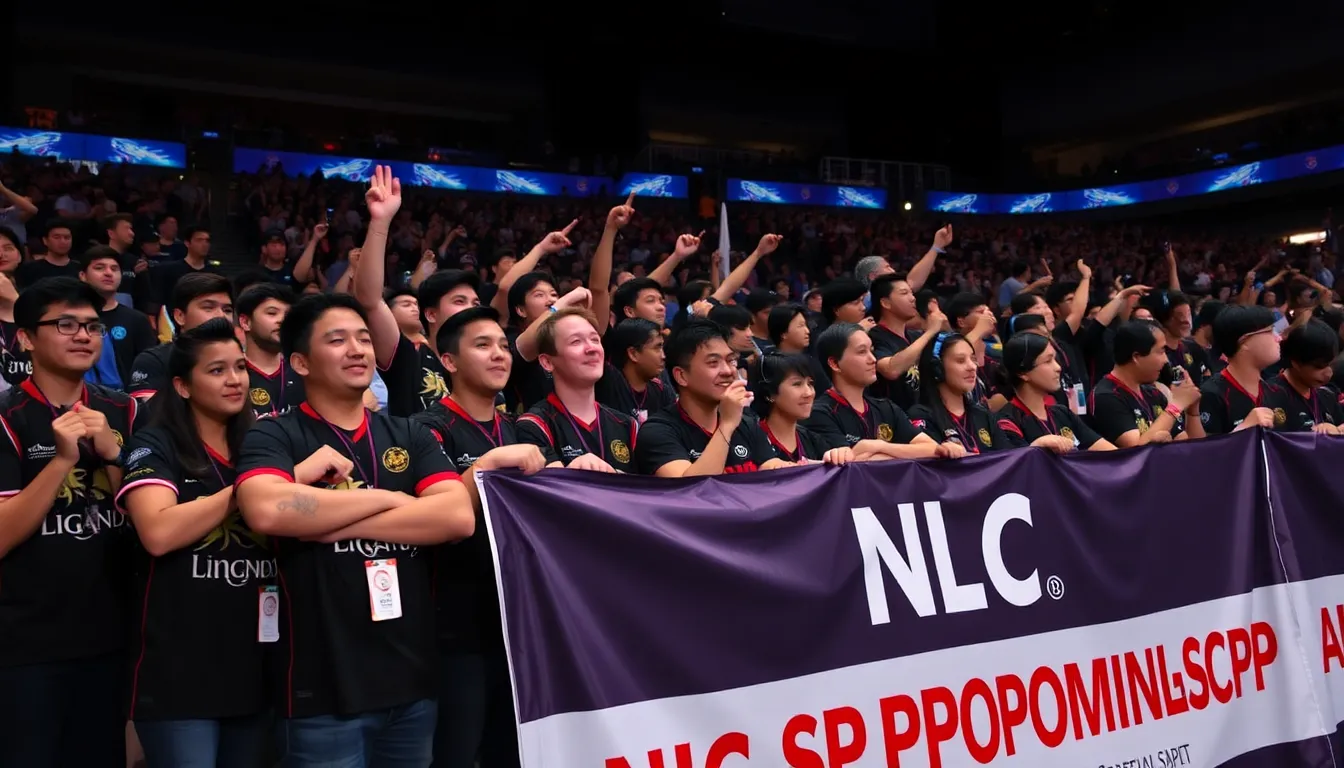
Mid-term effects may include shifts in team strategies and roster changes, as organizations reassess their positions in light of the delay. Some teams might use this time to restructure or scout new talent, potentially leading to a more competitive environment once the season resumes. However, the uncertainty could also drive some players to seek opportunities in other leagues or regions, further complicating team dynamics.
- Financial strain: Teams may face reduced revenue streams.
- Player uncertainty: Potential roster changes and shifts in focus.
- Fan engagement: Decreased interaction and interest during the hiatus.
- Opportunity for restructuring: Teams can reassess strategies and talent acquisition.
Despite these challenges, there are potential opportunities for both teams and the tournament operator. The delay can provide Riot Games the chance to evaluate and select a more effective tournament operator, which could enhance the overall quality of the league in the long run. For players, this period may allow for skill development and personal branding initiatives, as they can engage with fans through alternative content while waiting for the season to resume.
A: The NLC Spring Split was postponed as Riot Games is currently seeking a new tournament operator to manage the event. This decision was made to ensure a better competitive environment. A: The NLC Spring Split is now scheduled to take place in late April. Specific dates will be announced once a new tournament operator is confirmed. A: Teams will have additional time to prepare for the competition, but they may also face uncertainty regarding their schedules and strategies during this postponement. A: Fans will need to wait longer to see their favorite teams compete, but this could lead to an improved viewing experience once the tournament resumes. A: Any potential changes to the tournament format will be announced by Riot Games once a new operator is in place and the event details are finalized.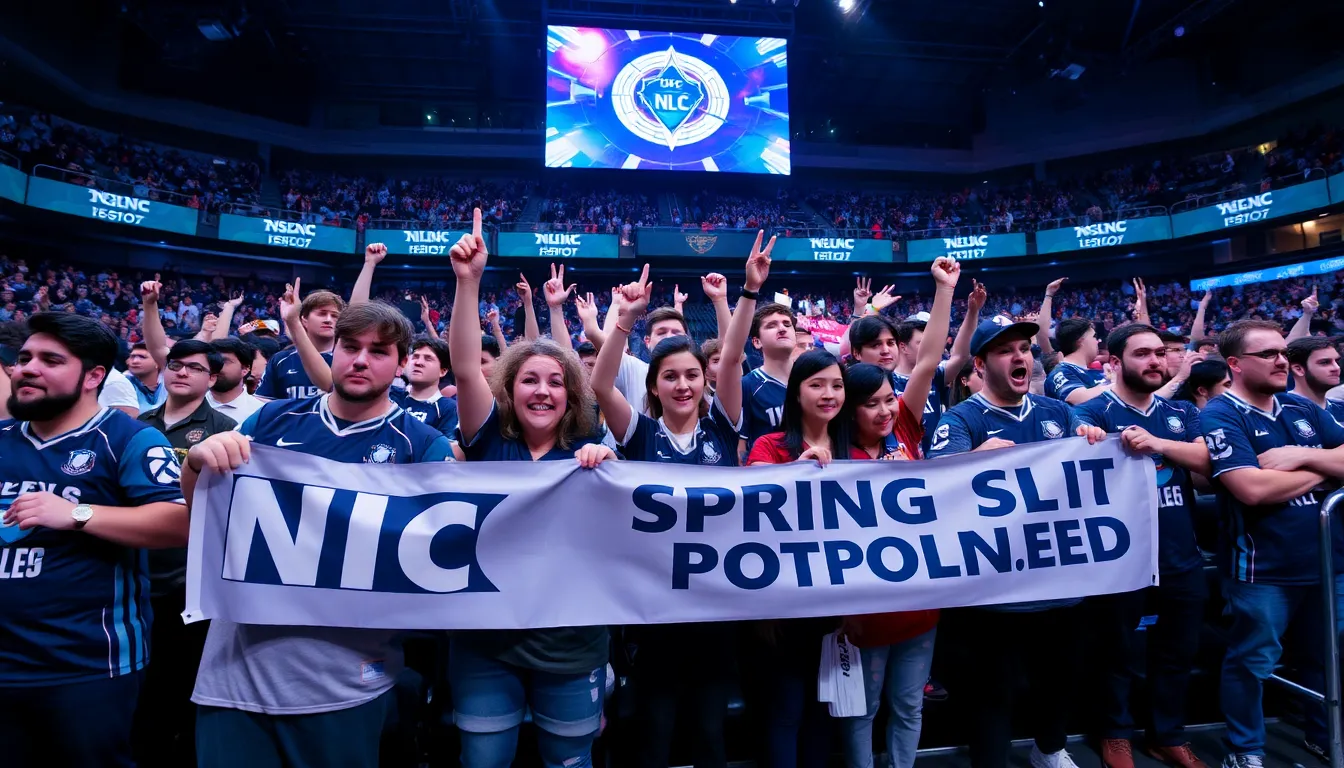
Frequently Asked Questions About the NLC Postponement
Looking Ahead: Future of the NLC Spring Split
The postponement of the NLC Spring Split to late April marks a significant shift in the competitive landscape of the league. As Riot Games seeks a new tournament operator, stakeholders will need to navigate the implications of this transition carefully. This delay not only affects teams and players but also the broader community, which relies on consistent scheduling and engagement opportunities.
As the situation evolves, it will be crucial to monitor how Riot’s decision impacts team dynamics, fan engagement, and the overall health of the league. The choice of a new tournament operator could redefine the experience for both players and fans, potentially bringing fresh perspectives or challenges to the NLC.
- Watch for updates on the selection process for the new tournament operator, as it will shape the future structure of the league.
- Consider how teams will adapt to the extended break and what strategies they may employ to maintain competitive readiness.
- Observe fan reactions and engagement levels during the postponement, as this could influence future league decisions and marketing strategies.
- Keep an eye on potential partnerships or sponsorships that may arise during this transitional period, which could bolster the league’s financial stability.
- Follow any announcements regarding changes to tournament format or scheduling that may emerge from the new operator’s plans.