
The plot came to light after a series of arrests, including a notable figure from the Nigerian film industry, commonly referred to as Nollywood. The involvement of such a public personality has added a layer of intrigue to the unfolding events, drawing in public interest and media scrutiny. For more on how public figures impact political narratives, check out our article on cultural influences in politics. As of October 2023, investigations are ongoing, with authorities working to uncover the full extent of the conspiracy.
Key actors in this drama include military officials, political leaders, and influential figures from various sectors. The Nigerian government has emphasized its commitment to maintaining order and has urged citizens to remain calm amid the escalating tensions. Meanwhile, social media platforms have become a battleground for opinions and theories surrounding the motivations behind the alleged coup. You can read more about social media’s role in political discourse in our piece on recent media trends.
The implications of this coup plot extend beyond Nigeria’s borders, as regional stability hangs in the balance. Neighboring countries are closely monitoring the situation, fearing that unrest in Nigeria could have a domino effect on the West African region. For a deeper understanding of how economic factors influence political unrest, see our article on economic disparities and political change. As the government navigates this precarious landscape, the outcome of the investigations and the public’s reaction will be crucial in shaping Nigeria’s future.
Exploring the historical context of coups in Nigeria
Nigeria’s political landscape has been marred by a series of coups since gaining independence from British colonial rule in 1960. The first coup occurred in January 1966, leading to a chain of military interventions that would dominate the country’s governance for decades. These coups were often fueled by ethnic tensions, economic disparities, and political corruption, creating a cycle of instability that has persisted throughout Nigeria’s history.
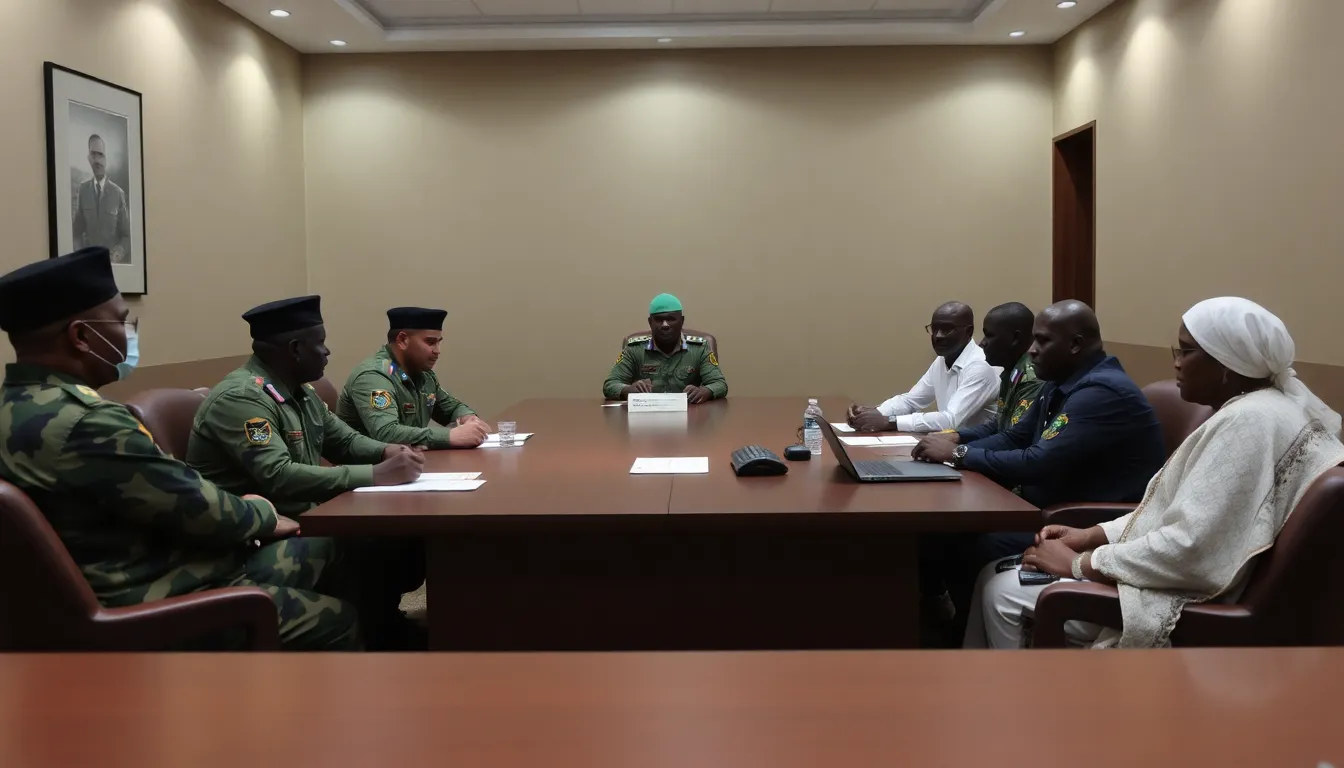
Throughout the 1970s and 1980s, several military regimes took power, each promising to restore order and economic stability. However, these regimes often resorted to authoritarian practices, stifling political dissent and exacerbating economic challenges. The transition to civilian rule in 1999 marked a significant milestone, yet the legacy of military rule continued to influence political dynamics, with many citizens remaining skeptical of their leaders.
The role of economic factors
The economic landscape of Nigeria has also played a crucial role in the context of coups. With a wealth of natural resources, particularly oil, Nigeria has faced issues of mismanagement and corruption that have fueled public discontent. The disparity between the nation’s wealth and the widespread poverty among its citizens has often led to calls for change, creating fertile ground for coup plots. Economic grievances have historically been a driving force behind military interventions, as leaders have sought to exploit these sentiments to justify their actions.
In recent years, the rise of social media and increased political awareness among the populace have added new dimensions to the political discourse. The youth, in particular, have become more vocal in demanding accountability and transparency from their leaders. This shift in public sentiment may contribute to the current climate of unrest, as various factions within the military and political elite navigate the complexities of power and influence.
The recent arrest of a Nollywood actor in connection with coup plots underscores the intertwining of culture and politics in Nigeria. The entertainment industry has often served as a reflection of societal issues, and the involvement of public figures in political narratives can amplify the urgency of the situation. As Nigeria grapples with its tumultuous history, the interplay of money, faith, and public sentiment will continue to shape the nation’s path forward.
Key stakeholders and issues surrounding the coup
In the unfolding narrative of Nigeria’s alleged coup plot, several key actors emerge, each with distinct interests and motivations. The primary stakeholders include the Nigerian military, various political factions, religious organizations, and the international community. Their interactions and conflicting agendas shape the broader context of this crisis.
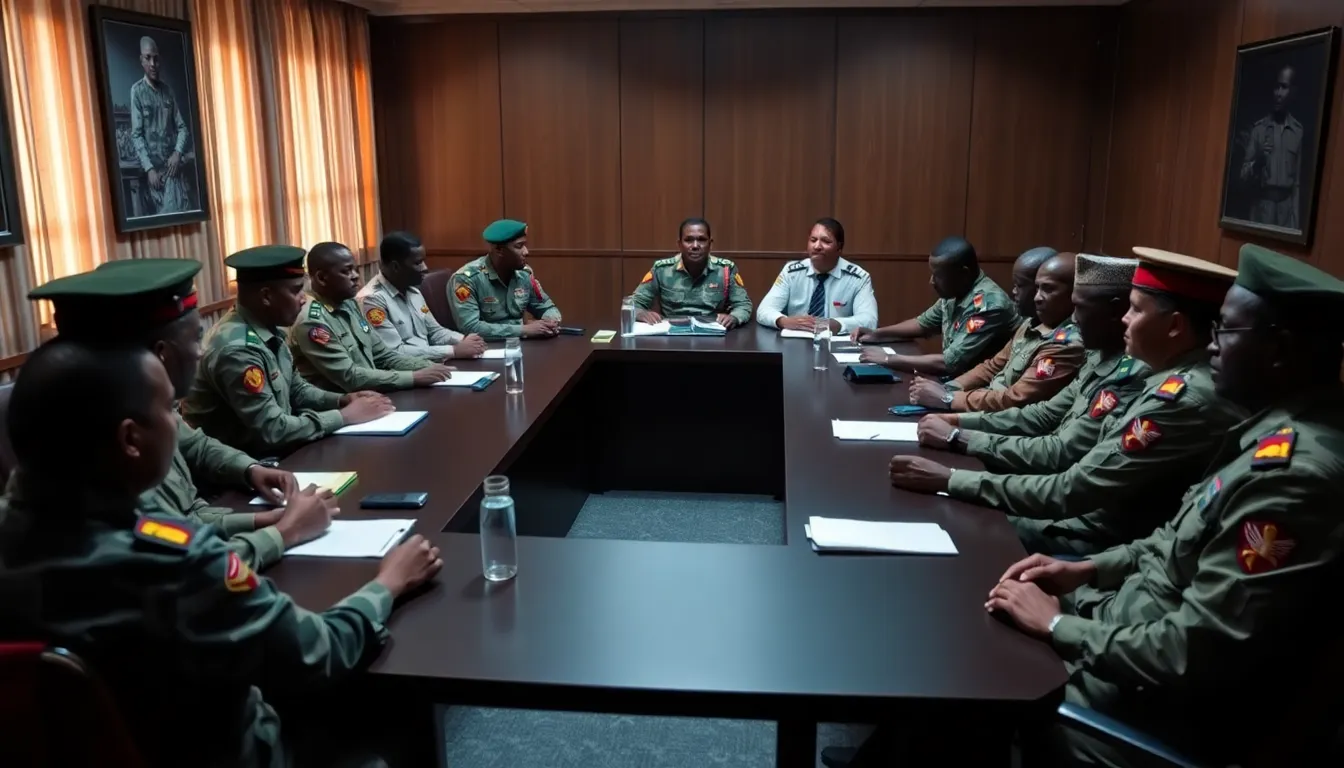
The Nigerian military plays a crucial role, as it is both a potential instigator and a stabilizing force. With a history of coups, the military’s interests often revolve around maintaining power and influence within the political landscape. The military’s leadership may seek to leverage the situation to solidify their authority or to counter perceived threats from rival political entities.
Political factions, including the ruling party and opposition groups, are also key players. Each faction has its own agenda, often driven by the desire for power or reform. The ruling party may aim to suppress dissent and maintain control, while opposition parties could exploit the chaos to gain public support. This tug-of-war creates a complex web of alliances and rivalries that complicates the situation further.
Religious organizations, particularly influential in Nigeria, add another layer of complexity. Many citizens turn to religious leaders for guidance during times of uncertainty. The involvement of these organizations can sway public opinion and mobilize grassroots support, which may either bolster or undermine the coup plotters’ efforts.
- Economic implications: The coup threatens to destabilize Nigeria’s economy, already burdened by inflation and insecurity, raising concerns among investors.
- Legal ramifications: Any coup attempt could lead to significant legal challenges, both domestically and internationally, potentially resulting in sanctions or isolation.
- Public sentiment: The actions of the military and political leaders will heavily influence public trust, with potential for widespread protests or support.
- International response: The reactions from foreign governments and organizations could impact Nigeria’s diplomatic relations and economic aid.
The potential impact on Nigeria’s political landscape
The recent coup plot in Nigeria has significant implications for various groups, industries, and regions within the country. Political factions, business leaders, and everyday citizens find themselves navigating an uncertain landscape shaped by these developments. Notably, the military’s involvement raises concerns about stability and governance, affecting the overall political climate.
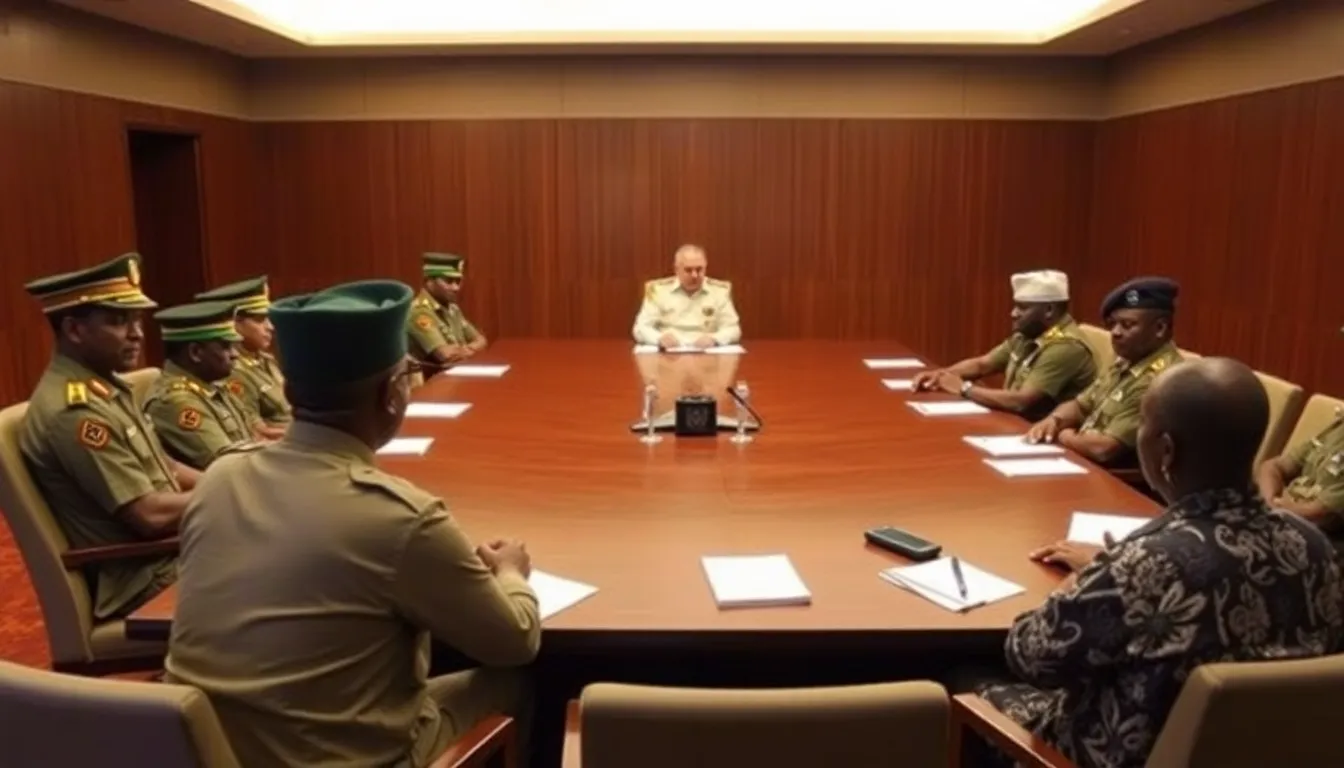
In the short term, the coup plot could lead to heightened tensions among political parties and civil society groups. This unrest may result in protests, strikes, and a general sense of unease among the populace. Businesses, particularly those in sectors reliant on government contracts or stability, may experience disruptions, leading to economic fluctuations.
Mid-term impacts could include shifts in policy as new leadership dynamics emerge. Depending on how the situation unfolds, industries such as oil and gas, agriculture, and telecommunications may face regulatory changes that could either hinder or bolster their operations. Additionally, the potential for increased foreign investment could arise if a more stable governance structure emerges.
- Political instability: Increased protests and civil unrest may disrupt daily life.
- Economic fluctuations: Businesses may face uncertainty, impacting employment and growth.
- Regulatory changes: New policies could reshape key industries, offering both risks and opportunities.
- Foreign investment: A shift towards stability could attract international investors.
Ultimately, the coup plot presents both risks and opportunities for Nigeria. While immediate challenges may arise, the potential for positive change exists if the political landscape evolves toward greater stability and governance reform.
A: The coup plot appears to be driven by a combination of financial incentives, political dissatisfaction, and the influence of religious groups. A: The Nigerian government has increased security measures and is conducting investigations to apprehend those involved in the plot. A: Nollywood’s involvement stems from the arrest of a notable figure, which has drawn public attention and raised questions about the entertainment industry’s influence on politics. A: The coup plot could lead to instability, which may deter foreign investment and disrupt economic activities in the region. A: Yes, various international organizations and countries have expressed concern over the political situation in Nigeria and called for peaceful resolutions.
Frequently asked questions about the coup plot
Key takeaways and future outlook on Nigeria’s situation
The recent developments surrounding the alleged coup plot in Nigeria reveal a complex interplay of financial motivations, religious influences, and cultural narratives. As the situation unfolds, it is crucial to monitor how these factors may shape the political landscape and public sentiment in the country. The involvement of figures from the entertainment industry, such as Nollywood, underscores the role of media and public perception in the narrative surrounding governance and security.
Looking ahead, the implications of these events could extend beyond immediate political ramifications. Observers should consider how the intertwining of money, faith, and societal narratives may influence future governance and stability in Nigeria.
- Watch for potential shifts in public opinion as more information about the coup plot emerges.
- Monitor the government’s response to both the allegations and the involvement of cultural figures.
- Consider the impact of financial backers in political movements and their potential influence on governance.
- Keep an eye on how religious institutions may play a role in either supporting or opposing the current regime.
- Assess the implications for Nigeria’s international relations, particularly with nations concerned about stability in the region.