
Recent reports indicate that Newcastle’s ownership is contemplating significant changes during the upcoming summer transfer window. This follows the club’s strategy of balancing investment in player acquisitions with the need to comply with Financial Fair Play regulations, which could necessitate the sale of key players.
Howe, who has been instrumental in transforming the team’s fortunes since his appointment in November 2021, faces pressure to deliver sustained success. With his contract set to expire in 2025, discussions regarding an extension are expected to intensify, especially if the club secures a place in European competitions.
The potential departure of star players, such as Bruno Guimarães and Alexander Isak, could also impact Howe’s plans moving forward. As Newcastle aims to build on its recent successes, the decisions made in the coming months will be crucial in shaping the club’s trajectory in both domestic and European football.
Understanding the background of Newcastle’s recent performance
Newcastle United, a club with a rich history in English football, has experienced a rollercoaster of highs and lows over the decades. From their glory days in the mid-20th century, when they secured multiple league titles and FA Cups, to their struggles in the Premier League, the club’s journey reflects broader trends in English football, including shifts in ownership, management, and financial stability.
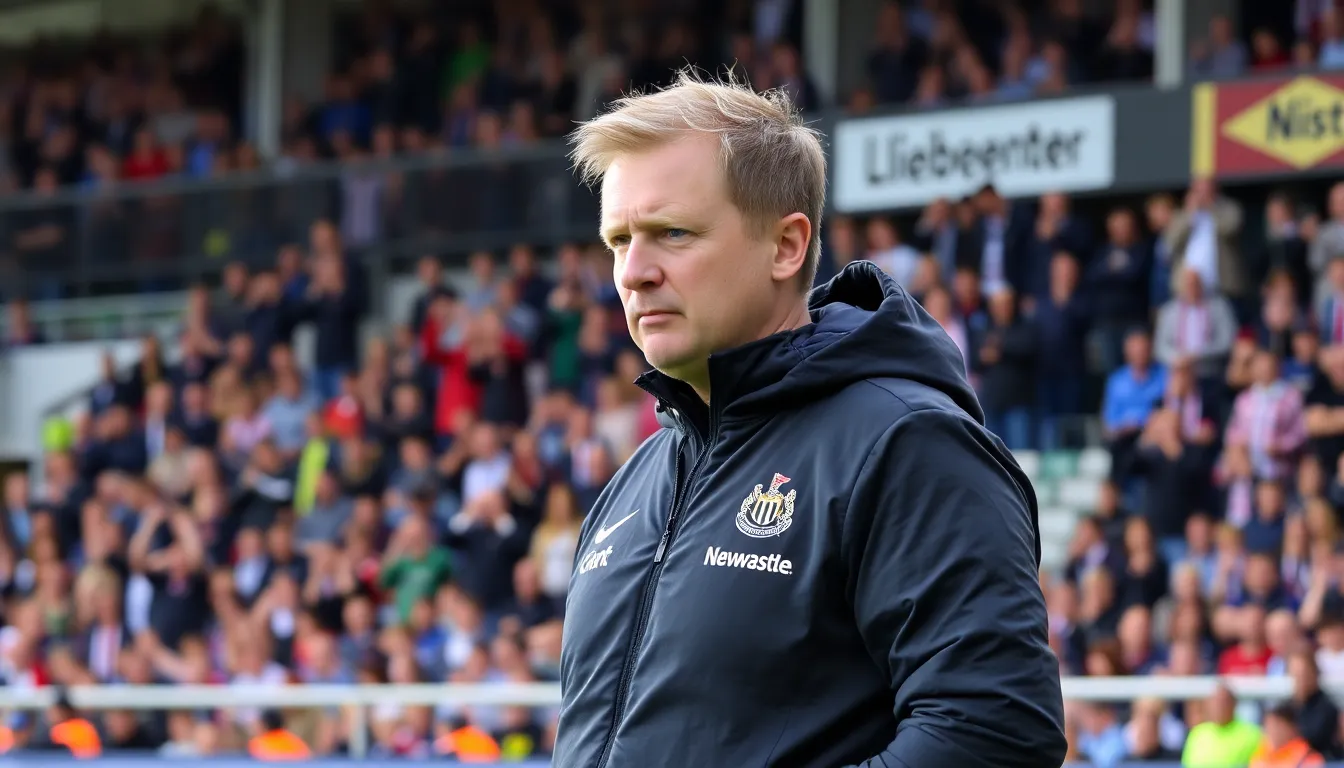
In recent years, the club has undergone a significant transformation, particularly following its acquisition by a Saudi-led consortium in 2021. This takeover not only brought a wave of investment but also raised expectations among fans and stakeholders. The new ownership aimed to restore Newcastle’s former glory, but the path has been fraught with challenges, including the need to balance immediate success with long-term sustainability.
The impact of managerial changes
One of the most pivotal moments in Newcastle’s recent history was the appointment of Eddie Howe as head coach in November 2021. His management style and tactical acumen have revitalized the team, leading to a remarkable turnaround in performance. However, the pressure to deliver results quickly has intensified discussions about Howe’s future, especially as the club prepares for a crucial summer transfer window. The decisions made in this period could significantly shape the club’s trajectory moving forward.
Additionally, the financial landscape of football has evolved, with clubs facing increasing scrutiny over spending and compliance with Financial Fair Play regulations. Newcastle’s ambitions to compete at the highest level will require strategic investment in players, but any missteps could have lasting repercussions. As the club navigates these complexities, the stakes have never been higher, making this summer a defining moment for both Howe and Newcastle United.
Key stakeholders and issues surrounding Howe’s future
As Newcastle United approaches a pivotal summer, several key stakeholders are deeply invested in the future of head coach Eddie Howe. The primary actors include the club’s ownership group, the coaching staff, the players, and the fans. Each group has distinct interests that will shape the club’s trajectory in the coming months.
The ownership group, led by the Saudi Public Investment Fund, seeks to establish Newcastle as a formidable force in English football. Their interest lies in ensuring that Howe continues to deliver results that align with their ambitious vision for the club. This includes potential investments in player acquisitions and infrastructure to support long-term growth.
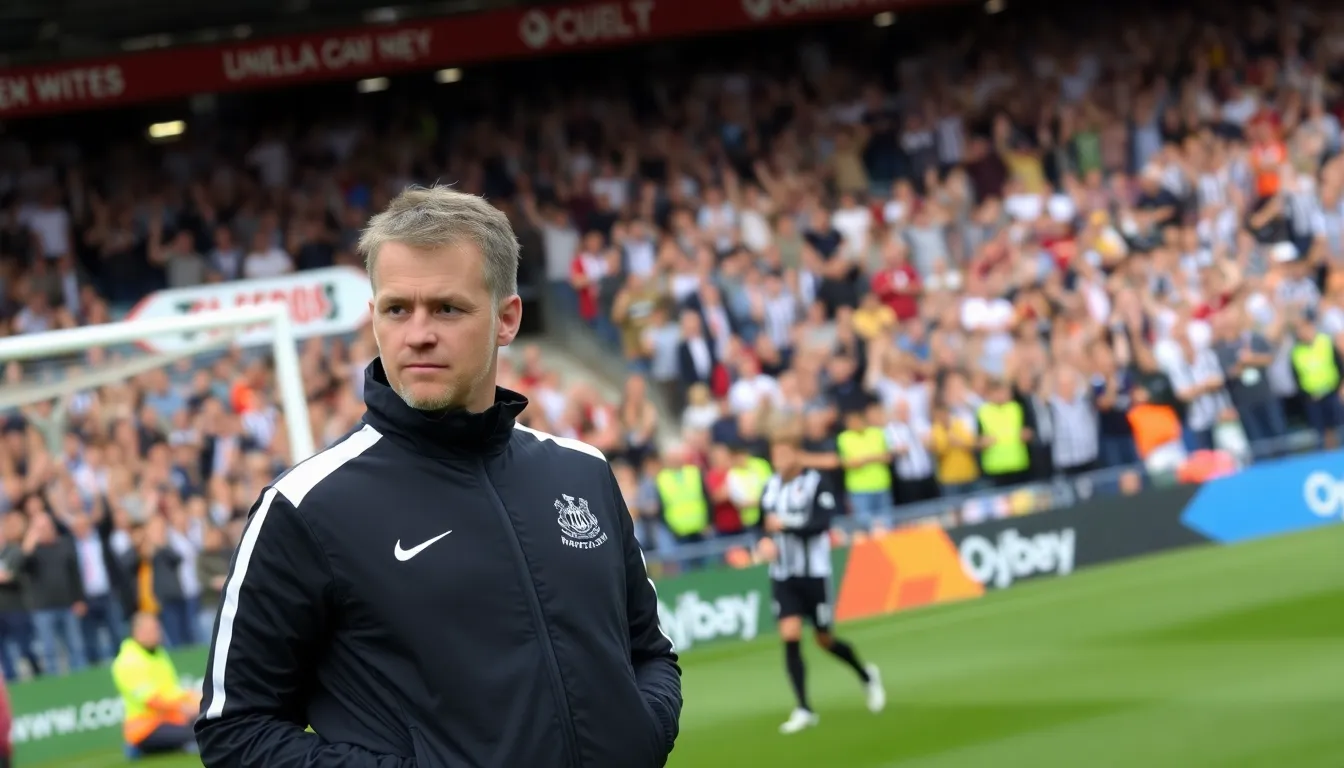
On the other hand, Howe himself is navigating the pressures of performance while managing expectations from both the ownership and the fanbase. His future may hinge on the club’s ability to secure key signings and improve the squad’s competitiveness. The players, too, are stakeholders, as their performances directly impact Howe’s job security and the club’s ability to achieve its objectives.
- Ownership Goals: Establish Newcastle as a top-tier club through strategic investments.
- Coaching Stability: Howe’s future may depend on the team’s performance and recruitment success.
- Fan Expectations: Supporters demand a competitive squad and positive results, which can influence managerial decisions.
- Player Dynamics: The morale and performance of the squad can affect both Howe’s standing and the club’s ambitions.
- Financial Considerations: Economic factors, including potential revenue from player sales, play a crucial role in shaping the club’s strategy.
Conflicts may arise between the immediate needs of the team and the long-term vision of the ownership. For instance, while fans may call for immediate signings to bolster the squad, the management might prioritize financial sustainability and careful planning. This trade-off could lead to tensions among stakeholders as the club navigates its ambitions versus its realities.
Ultimately, the interplay between these stakeholders will define Newcastle’s path this summer. The decisions made will not only impact Howe’s future but also the club’s standing in the competitive landscape of English football.
The impact of potential sales on the club and its supporters
The future of Newcastle United under manager Eddie Howe is a topic of significant interest, not only for the club’s supporters but also for various industries and regions connected to football. The potential for key player sales this summer could have widespread implications, affecting not only the team’s performance but also the local economy and fan engagement.
Supporters are the most directly affected group, as the decisions made regarding player sales can influence the club’s competitiveness in the Premier League. A successful transfer window could lead to improved performances on the pitch, which in turn can elevate fan morale and attendance at matches. Conversely, the sale of key players might lead to dissatisfaction among fans, impacting their loyalty and engagement with the club.
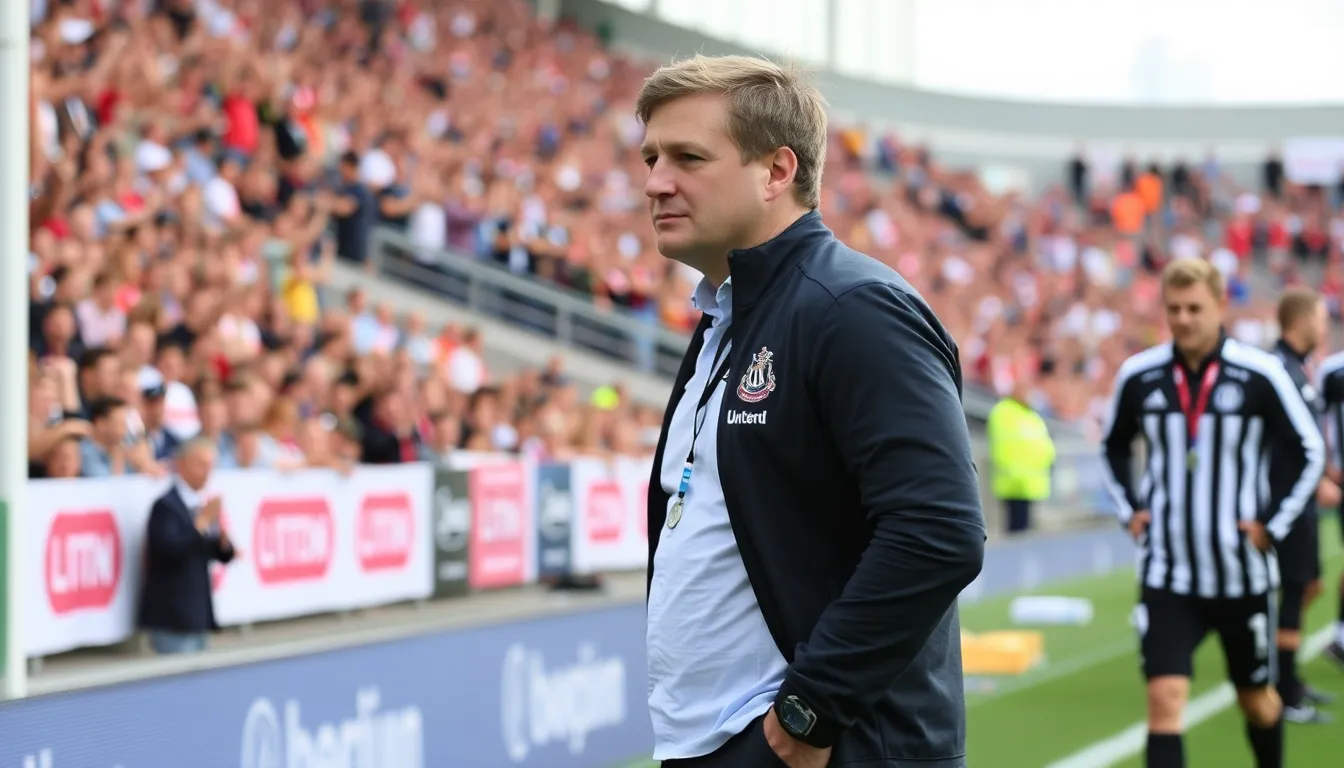
Local businesses, particularly those in hospitality and retail, could experience fluctuations in revenue depending on the club’s performance and player sales. A strong team can drive increased footfall to the city, benefiting pubs, restaurants, and shops, while a weaker team may lead to decreased matchday attendance and spending.
- Short-term impacts: Immediate changes in fan sentiment and matchday attendance.
- Mid-term impacts: Potential shifts in local economic stability based on club performance.
- Risks: Loss of key players could destabilize the team and alienate supporters.
- Opportunities: Strategic sales could fund reinvestment in new talent, enhancing team competitiveness.
Furthermore, the broader football market may also feel the effects of Newcastle’s decisions. A high-profile sale could set market trends, influencing player valuations and transfer strategies across the league. This could lead to increased competition among clubs and shift the dynamics of player negotiations.
Overall, the potential sales surrounding Newcastle United this summer present both challenges and opportunities, with significant implications for supporters, local businesses, and the football industry at large. The decisions made in the coming months will play a crucial role in shaping the club’s future and its relationship with the community.
A: Eddie Howe’s future at Newcastle depends on several factors, including team performance and management decisions. His success in the previous season has garnered support, but financial considerations may influence the club’s direction. A: While specific names are yet to be confirmed, reports suggest that several high-profile players may be on the transfer list as Newcastle looks to balance its books and reinvest in the squad. A: Selling key players can impact team dynamics and performance, but it may also provide funds for strategic signings that could strengthen the squad in the long run. A: If Howe were to leave, the club would need to consider the financial ramifications of hiring a new manager, as well as the potential loss of revenue from player sales and fan support.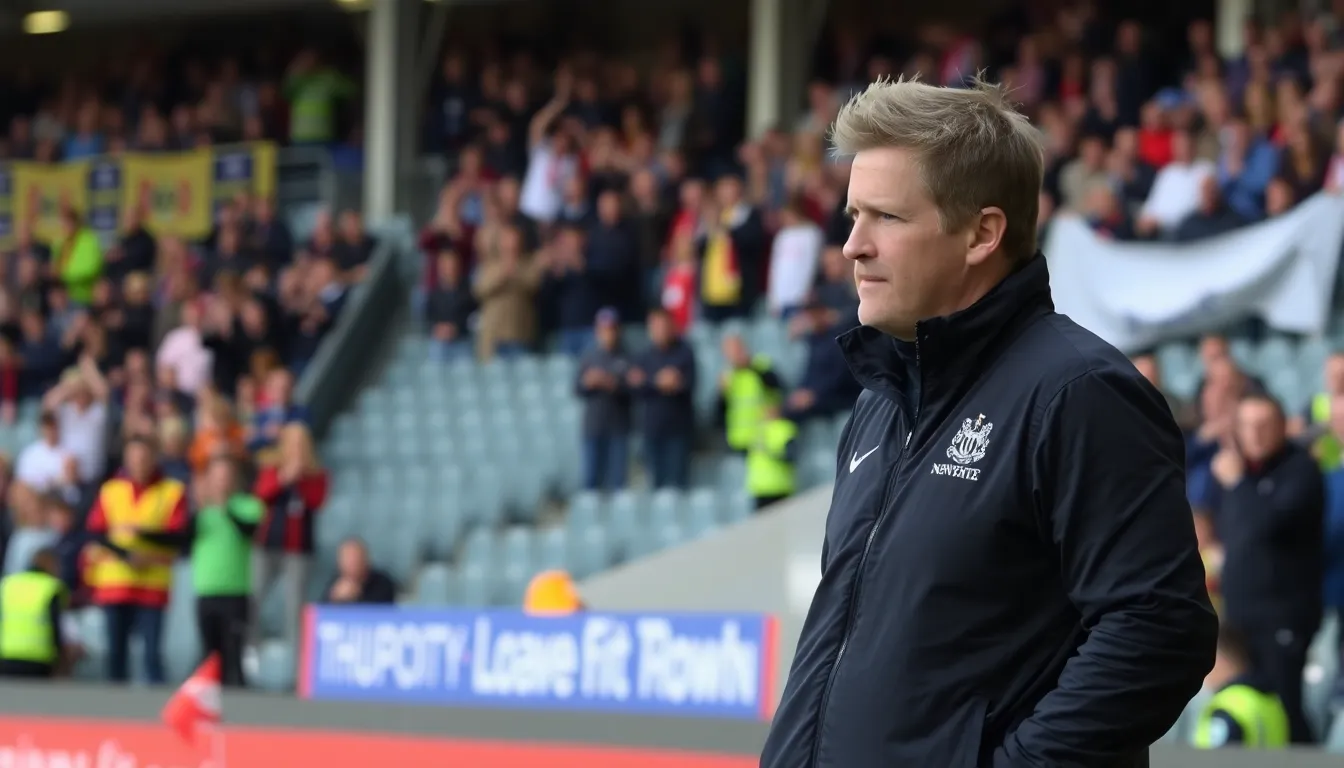
Frequently asked questions about Howe and Newcastle’s summer plans
Outlook on Newcastle’s future and key takeaways
As Newcastle United navigates a pivotal summer, the decisions made regarding Eddie Howe’s future and potential player sales will significantly shape the club’s trajectory. The balance between maintaining a competitive squad and ensuring financial stability will be crucial. With the transfer market looming, the club’s strategy will need to consider both immediate needs and long-term aspirations.
Monitoring the developments in player negotiations and managerial stability will be essential for fans and analysts alike. The outcomes of these decisions could redefine Newcastle’s position within the Premier League and their ambitions for European competition.
- Watch for potential key player departures that could impact squad depth and performance.
- Howe’s ability to adapt his tactics and manage player morale will be critical in the face of uncertainty.
- Expect strategic signings aimed at bolstering the team’s competitiveness while adhering to financial regulations.
- The club’s approach to youth development may play a significant role in mitigating the need for high-profile transfers.
- Keep an eye on the ownership’s vision for the club, as it will influence both short-term and long-term planning.